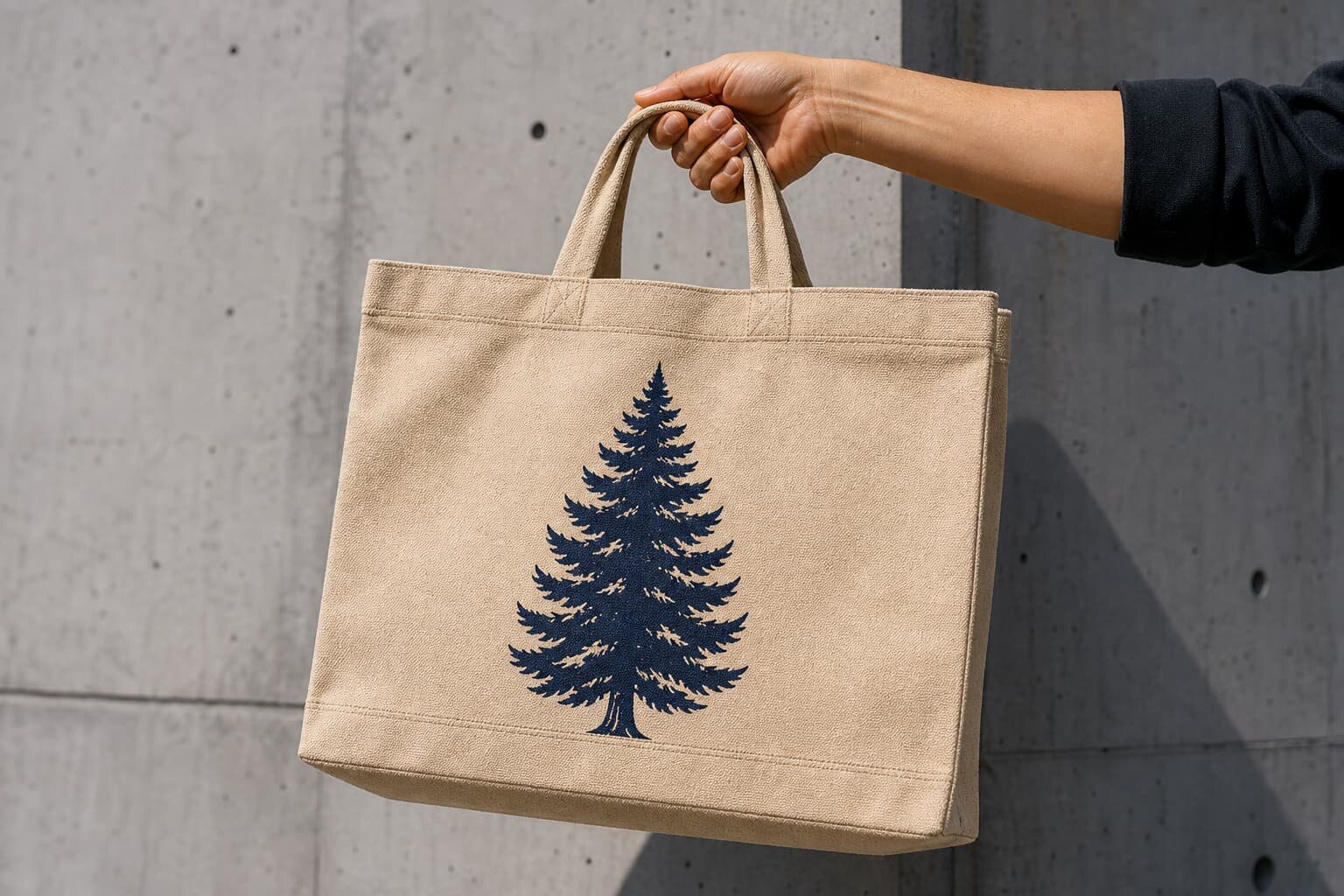
Why the bottom gusset matters more than the front size
A bottom gusset is not a minor detail. It changes how much the bag can carry, how the bag sits on a shelf, how the print area behaves, and how much sewing labor the factory needs. Buyers often ask for a width and height only, then discover the supplier interpreted the bag as a flat tote with no real base structure. Once the gusset is added later, the quote changes and the sample usually changes again. If you want a stable buying process, the gusset must be treated as a core commercial spec, not a design afterthought.
For procurement teams, the bottom gusset also changes the use case. A 6-8 cm base may work for light handout packs or apparel accessories, while a 12-15 cm base is more useful for retail shopping, books, or mixed contents. If the bag will be packed with boxed goods, catalogs, or bottles, the gusset is part of the load strategy. The right depth can reduce returns, improve shelf presentation, and keep the bag from collapsing in transit.
- Use a narrow gusset when the brief is light, flat, and price sensitive.
- Use a wider gusset when the buyer wants more volume and better stand-up shape.
- Treat the gusset as part of the structure, not just a visual feature.
- Confirm whether the bag must sit flat, stand upright, or carry uneven goods.
Write the gusset into the RFQ with no ambiguity
The factory cannot quote accurately if you only say canvas tote bag with gusset. You need to define finished width, finished height, gusset depth, handle drop, fabric weight, seam allowance, print position, and any insert board or lining. Also state whether the gusset is a bottom panel, a box bottom, or a continuous side-and-bottom construction. Those are not the same build, and the sewing sequence changes the labor cost. A sketch with dimensions is better than a paragraph, and a technical pack is better than both.
Do not assume the factory measures the same way you do. Some suppliers quote the body panel flat, then add the gusset as a separate fold dimension. Others quote the final open size. If you do not specify the measuring point, the sample can look close but still fail the end-use test. For a buyer, the safest rule is simple: give the exact finished size you expect on the approved sample, show the gusset direction, and require the supplier to confirm the cut size in writing.
- State finished width, height, and gusset depth in the RFQ.
- Ask the supplier to confirm cut size, seam allowance, and shrinkage allowance.
- Specify the handle length or drop so the gusset bag hangs correctly when loaded.
- Include a simple drawing that shows the gusset from the side and bottom view.
Choose fabric weight around the gusset, not the other way around
Fabric weight matters more when you add a gusset because the bag now has a deeper load pocket and more stress at the lower seams. A light 8 oz canvas can work for a simple promotional bag, but it may sag if the gusset is deep or if the buyer plans to load heavier merchandise. In the 10 oz to 12 oz range, the bag usually gets enough body for repeat use and a cleaner retail look. If the program is premium or the contents are heavy, 14 oz canvas gives a firmer base and better shape retention, but it also raises fabric cost and sewing effort.
The GSM number should not be used alone. Weave density, yarn quality, finishing, shrinkage, and whether the cloth is bleached or dyed all affect the final feel. If the bag includes a large gusset, you may also need a lining, a base board, or reinforcement tape at the seams. In sourcing terms, the right question is not just 'what GSM is this?' It is 'what load and shape is this GSM meant to support, with this gusset depth and this print layout?'
- 8 oz to 10 oz canvas is usually a lower-cost option for lighter use.
- 10 oz to 12 oz canvas is the most practical range for many retail tote programs.
- 12 oz to 14 oz canvas fits heavier use, better shape, and higher perceived value.
- If the gusset is deep, test the bag with real contents, not just a hand squeeze.
Print method and artwork placement around the seams
The bottom gusset changes print planning because the seams sit close to the print zones and the fabric bends more at the base. Screen print is still the most common option for simple logos and repeat programs, especially when the run is large enough to justify screen setup. Heat transfer can work for smaller runs or multi-color artwork, but it may feel less durable if the buyer expects long-term retail use. Embroidery gives a premium look for small logos, though it is usually better on the front panel than on the gusset area itself. Woven labels, sewn side labels, and emboss-style brand marks can also work when the buyer wants a cleaner surface.
Do not place critical artwork too close to a stitch line. The print can distort when the bag is folded, and it can crack or wrinkle near the gusset fold if the panel is too tight. Give the factory a no-print zone around the side seams and bottom seam, and tell them whether the logo must stay centered when the bag is filled. If you need art on the gusset panel, ask for a strike-off or print proof on the actual production fabric, because the color and registration can change after stitching and pressing.
- Screen print is usually best for simple logos and repeat orders.
- Heat transfer is useful for smaller runs or detailed artwork, but check wear resistance.
- Embroidery works well for premium branding on the front panel or label zone.
- Keep a no-print zone near seams so the logo does not distort in use.
How factories price gusset bags and what changes MOQ
A gusset bag costs more than a flat tote because the factory handles more fabric pieces, more sewing steps, and more alignment risk. The cost moves up if the gusset is wide, the fabric is heavy, the handle is reinforced, or the logo needs multiple print placements. A base insert, lining, piping, or binding also adds labor. If the quote is only one unit price with no detail, you cannot tell whether you are comparing the same build across suppliers. Ask for line items so you can see where the price is coming from.
MOQ is often tied to fabric width, print setup, color usage, and cutting efficiency. A single-color blank bag may have a lower MOQ than a bag with multiple print placements or custom-dyed fabric. If the supplier must open new fabric stock, match a special color, or cut a non-standard gusset depth, the MOQ may rise because the factory needs more material efficiency to stay viable. This is normal. The buyer mistake is not the MOQ itself; the mistake is failing to ask what triggers it.
- Ask whether the quote includes blank bag, print, labels, inserts, and packing.
- Request separate pricing for sample, pre-production, and bulk order quantity tiers.
- Check whether one color or one design is the MOQ driver.
- If a gusset requires special cutting or reinforcement, expect labor to rise.
Sample approval is where gusset problems show up first
A gusset bag can look fine on paper and still fail in hand. That is why the sample needs real checks, not just a quick visual approval. Measure the finished size after pressing, inspect the corners, load the bag with actual contents, and see whether the base collapses or tilts. If the bag is supposed to stand upright, the sample should prove it. If the buyer wants a flat-fold retail presentation, the sample should fold cleanly without forcing the gusset to puff open.
The pre-production sample should be made from the same canvas weight, same print method, and same handle material that will be used in bulk. Do not approve a lighter mock sample and assume the bulk will behave the same way. Check thread ends, seam alignment, print clarity, and whether the gusset sits square when the bag is full. If the sample passes with empty-bag measurements but fails with a realistic load, it is not a passing sample.
- Measure finished dimensions after pressing, not before.
- Load the bag with the real contents or a realistic weight test.
- Check whether the gusset corners sit square and the base stays stable.
- Approve only a sample made from production fabric and production print method.
Packing and carton spec protect the gusset shape
Packing is often where a good gusset bag gets damaged before it reaches the buyer. If the bag is folded too tightly, the base crease can become permanent. If the carton is overloaded, the gusset edge can crush and the bag will not recover cleanly on shelf. For retail programs, specify how the bag should be folded, whether it needs tissue or a stiffener card, and whether each bag goes into a polybag. If the bag includes a base insert, state clearly whether the insert ships inside the bag or separately.
Outer carton size matters because gusseted bags take more volume than flat totes. Ask the factory to confirm the pack count per carton, the carton dimensions, and the target gross weight. If the buyer is shipping by sea, a slightly lower pack count can prevent crushed corners and reduce claims later. Also require moisture protection if the canvas will travel through humid lanes or warehouse storage. This is a small detail that can save a lot of avoidable damage.
- Specify the fold direction so the gusset does not crease badly in transit.
- Ask for polybag, tissue, or insert card only if it matches your retail plan.
- Confirm carton count and carton dimensions before you approve bulk packing.
- Use moisture protection if the route, warehouse, or season creates humidity risk.
Common mistakes that create rework and quote disputes
The most common mistake is mixing up a bottom gusset with a side gusset or a box-bottom build. Another frequent problem is giving the factory a front-panel logo size without telling them where the seams will sit. The result is a sample that technically matches the art size but looks wrong when the bag is sewn and filled. Buyers also underestimate shrinkage on canvas, especially when the cloth is washed, dyed, or heavily pressed. If you do not build in allowance, the final bag can come back smaller than expected.
Another expensive mistake is asking for a deep gusset on a very light canvas, then expecting the bag to keep a premium stand-up shape. The fabric and construction have to match the structure. Handle reinforcement also gets forgotten too often. A gusset increases internal volume, which usually means heavier and more irregular loading. If the handle anchor is not upgraded, the bag may pass the sample stage and then fail after real use. The safest sourcing habit is to link the gusset, fabric weight, handle reinforcement, and packing method in one spec.
- Do not confuse bottom gusset, side gusset, and box-bottom construction.
- Do not approve artwork before you know the seam and fold positions.
- Do not pair a deep gusset with a fabric that is too light for the load.
- Do not ignore shrinkage, handle stress, or packing compression.
Use a clean sourcing workflow from RFQ to PO
A good sourcing workflow keeps the gusset spec stable from the first quote to the final shipment. Start with a drawing that shows finished size, gusset depth, fabric weight, print method, and packing count. Then ask for a sample made from production fabric, not a visual reference only. Once the sample is approved, lock the spec and ask the supplier to restate the same details in the proforma or order confirmation. This prevents the usual problem where the first quote and the final bulk production are not built the same way.
For planning, many tote programs need a sample window of about one week to ten days and a bulk lead time that often lands in the 30 to 45 day range after sample approval, depending on fabric availability, print complexity, and factory load. Those are planning windows, not promises. If the program includes special fabric sourcing, lining, or multi-step print, add more time. The key buyer habit is to identify the long-lead items early, because the gusset itself is often not the slowest part; the fabric, print setup, and packing detail usually are.
- Issue the RFQ with a drawing, not only a written description.
- Get a production-fabric sample before you lock the order.
- Restate the approved gusset size and build in the order confirmation.
- Plan extra time if the bag includes special printing, lining, or inserts.
Compare factory quotes on the same gusset basis
When you compare suppliers, do not compare only the unit price. Compare the gusset depth, fabric GSM, print method, reinforcement, packing count, and sample terms line by line. One factory may quote a lower price because the gusset is shallower, the canvas is lighter, or the print is not included in the same way. Another supplier may be higher because they include a base board, better seam reinforcement, or a more accurate cut tolerance. That is not a bad quote; it is a different product.
The right comparison question is simple: which supplier can make the same bag, not a similar bag, at the best total landed cost and lowest rework risk. Ask each factory to confirm the measuring method, then line up the same pack count, same artwork placement, same carton spec, and same approval point. Once those are fixed, the quote becomes a real procurement tool instead of a rough guess. That is how import buyers avoid the silent cost of sample churn, relabeling, and repacking.
- Compare equal finished size, not just the same product name.
- Compare equal fabric weight, print method, and reinforcement details.
- Compare equal packing count and carton spec.
- Compare equal sample terms and lead time assumptions.
Specification comparison for buyers
| Spec decision | Recommended option | When it fits | Buyer risk to check |
|---|---|---|---|
| Bottom gusset depth | 8-10 cm | Light retail, brochures, soft goods, low-cost promo programs | Bag may feel shallow if the contents are bulky or uneven |
| Bottom gusset depth | 12-15 cm | Shopping bags, books, catalog packs, mixed-load use | Needs stronger seams and better handle reinforcement |
| Base reinforcement | Removable PE board or stiff insert | Premium retail, heavier items, bags that must stand upright | Check moisture risk, board fit, and carton compression |
| Fabric weight | 8 oz to 10 oz canvas, about 280-340 GSM | Lower-cost campaigns, lighter loading, fast promotional programs | May sag at the base if gusset depth is large |
| Fabric weight | 12 oz to 14 oz canvas, about 407-475 GSM | Retail bags, brand programs, repeat-use shoppers | Heavier fabric can raise cutting waste and sewing cost |
| Seam construction | Double-stitch with overlock or binding at stress points | Heavier bags, taller gussets, premium positioning | If the quote hides labor steps, compare carefully |
Buyer checklist before sampling
- Confirm finished size, gusset depth, and whether the factory measures the gusset open or sewn flat.
- State fabric weight in GSM or oz, plus acceptable tolerance and whether pre-shrunk cloth is required.
- Define print method, artwork placement, color count, and the no-print zone around seam lines.
- Ask for reinforcement details at the gusset corners and handle anchors, not just the bag body spec.
- Request a pre-production sample cut from the same fabric, not a visual mock sample.
- Approve the packing method, carton count, carton size, and whether the bags are folded with or without inserts.
- Ask for a line-item quote that separates fabric, sewing, printing, inserts, labels, packing, and sample charges.
- Confirm target lead time for sample, bulk production, and shipping handoff before you issue the PO.
Factory quote questions to send
- Is the bottom gusset included in the finished size you quote, or do you calculate it separately from the cut panel?
- What seam allowance, shrinkage allowance, and cutting tolerance do you build into this bag?
- Which fabric weight, weave count, and finishing are included in the quote?
- What stitching method do you use at the gusset and handle stress points?
- What print method is assumed, and how many colors or placements are included?
- Is there an insert board, base card, or lining in the quoted structure, and is it removable or sewn in?
- What is the MOQ by color, print design, and order size tier?
- Can you separate unit cost into fabric, labor, print, accessories, packing, and sample fee?
- What is the sample lead time, bulk lead time, and the approval point that starts production?
- What carton pack count, carton size, and outer carton marking format do you recommend for this bag?
Quality-control points to confirm
- Finished width, height, and gusset depth match the approved spec within the agreed tolerance.
- Gusset corners are even, square, and not twisted after folding or pressing.
- Fabric weight and hand feel match the approved swatch and do not vary visibly across the lot.
- Stitch density is consistent at the bottom seam, side seam, and handle anchor area.
- Print placement stays clear of seam lines, and color density is even across all panels.
- The bag stands and loads correctly if a base insert or stiffener is part of the spec.
- Loose threads, oil marks, needle damage, and fabric slubs are removed or sorted before packing.
- Carton count, polybag count, moisture control, and label placement match the packing instruction.