Start with the craft fair selling job, not only the bag photo
A canvas messenger bag for craft fairs has a different buying problem than a corporate laptop messenger or a promotional giveaway. It must look approachable on a booth table, carry enough value for resale, and still be simple enough for wholesale production. Buyers often send a nice reference photo and request the cheapest quote, but the photo does not define fabric weight, flap structure, strap comfort, print risk, or packing method. Those missing details are where most quote gaps appear.
For procurement teams and brand owners, the first decision is the retail role of the bag. If it is sold as artist merchandise, the front flap print and natural fabric texture matter most. If it is sold as a practical market bag, strap strength and internal organization carry more value. If distributors are supplying many craft fair vendors, the design must be neutral, easy to pack, and economical to reorder. A good RFQ should state the intended retail use so the factory can recommend construction that fits the actual selling channel.
- For artist merchandise: prioritize clean flap print, natural canvas handfeel, and visible label detail.
- For retail resale: prioritize consistent dimensions, stronger strap attachment, and clean packing.
- For distributor stock: prioritize repeatable materials, neutral colors, and MOQ efficiency.
- For event bundles: prioritize lower carton volume, simple trims, and quick replenishment.
Choose canvas weight by structure, display, and freight impact
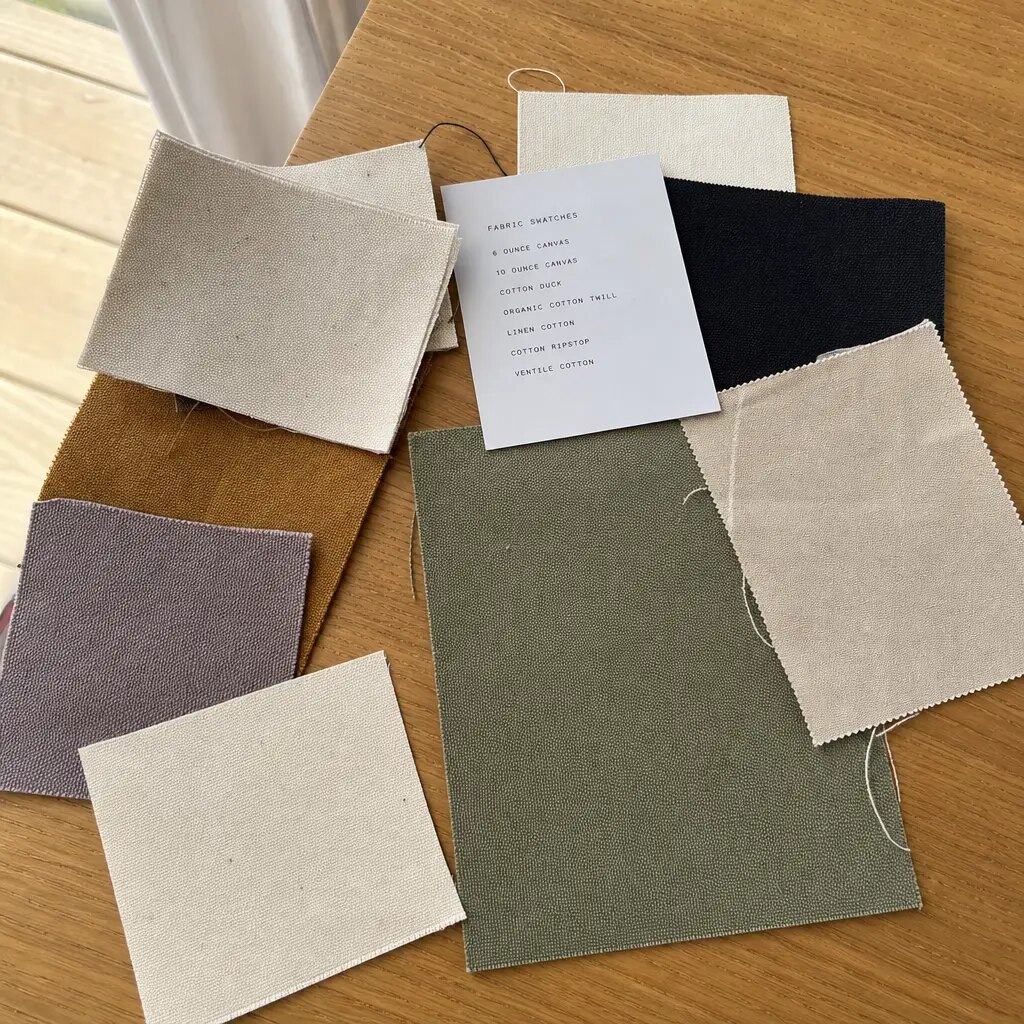
Fabric weight is one of the biggest cost and performance drivers. For most wholesale canvas messenger bags sold at craft fairs, 10 oz to 12 oz cotton canvas is the practical range. In GSM terms, many buyers will see roughly 320-420 GSM depending on finishing, weave, and supplier measurement. A 10 oz canvas can work for a softer, lower-cost bag, but the flap may look floppy on a booth display. A 12 oz canvas gives better body and perceived value without making sewing too slow or shipping too heavy.
Going heavier is not always better. A 14 oz or 16 oz canvas can create a premium feel, but thick flap layers, strap seams, and pocket edges become harder to stitch neatly. Heavy canvas also increases carton weight and may reduce pieces per carton. For craft fair inventory, where goods may be moved in and out of vans, storage rooms, and temporary booths, buyers should balance structure against freight and handling. The RFQ should specify fabric weight and acceptance method instead of using vague terms like thick canvas or durable cotton.
- Common value range: 10 oz canvas, about 300-340 GSM, for soft budget styles.
- Recommended craft fair resale range: 12 oz canvas, about 380-420 GSM, for better flap shape.
- Premium heavy range: 14 oz canvas or above, useful only when the retail price supports higher freight and sewing cost.
- Natural canvas may show cotton seed flecks; this should be approved as part of the rustic look, not treated as a defect later.
Lock the size, flap, gusset, and strap before comparing prices
Two messenger bag quotes are not comparable unless the finished dimensions and construction are the same. A bag that is 35 x 28 x 8 cm uses more fabric and shipping volume than a flat 32 x 25 cm satchel, even if both suppliers call it a canvas messenger bag. The gusset depth changes cutting yield, sewing difficulty, and carton count. The flap length also affects the print area and how the bag hangs when filled.
For craft fair retail, an adjustable strap is usually worth the small extra cost because end users vary. A 38 mm cotton webbing strap feels stronger and more comfortable than a narrow strap when the bag carries sketchbooks, small purchases, or a tablet. Reinforcement should be visible in the specification: box stitch, bar tack, or crossed reinforcement at strap joins. Without this detail, one supplier may quote a strong load-bearing build while another quotes simple straight stitching that looks similar in a photo but fails sooner.
- State finished size as width x height x gusset, plus flap length and pocket size.
- Define strap width, material, color, total length, and adjustment range.
- Specify whether strap connects directly into side seams or through D-rings and sliders.
- Include closure position, such as one magnetic snap centered or two snaps at fixed spacing.
- Give a tolerance, for example plus or minus 1 cm on main body dimensions, to avoid disputes.
Select a print method that survives the flap and the booth
The front flap is the most visible branding area, but it is also a moving part. It bends, rubs against the body, and may be touched repeatedly by shoppers. Screen printing is usually the best method for solid logos, simple illustrations, and one to three color artwork. It gives a clean retail look and a predictable unit cost once the setup is done. The artwork should be placed away from snap pressure points, sharp folds, and flap seams.
Heat transfer can reproduce detailed artwork, gradients, or small text, but it changes the fabric handfeel and may look less natural on heavy cotton canvas. Embroidery adds premium value for small logos but is costly for large flap artwork and can pucker if the canvas is not stabilized. Woven labels are useful when distributors want one base bag with many customer label options, but they do not replace large artwork. Buyers should treat print method as a product decision, not as a decoration afterthought.
- Screen print: best for bold craft logos, limited colors, and medium to large order quantities.
- Embroidery: best for small premium marks, not large dense artwork on a flap.
- Woven label: good for brand identity with low artwork risk and flexible base stock.
- Heat transfer: useful for detailed images, but test adhesion and edge lifting on canvas.
- Print placement tolerance should be written, such as plus or minus 3-5 mm from approved position.
Understand MOQ logic before splitting colors and designs
MOQ for canvas messenger bags is not only a factory preference. It can be driven by fabric dyeing minimums, hardware purchase quantities, cutting efficiency, print screen setup, label weaving, or the number of sewing line changeovers. A natural canvas bag with one screen print usually has more flexible MOQ than a dyed canvas bag with custom hardware and multiple labels. If the buyer requests five colors and eight artwork versions, the total order may look large but each variation may be too small for efficient production.
For craft fair buyers, the commercial problem is often assortment. Retailers want several designs for booth appeal, but factories need enough units per version to control cost and consistency. A practical way to manage this is to keep the body fabric and trims common, then vary only the print or hangtag. Another option is to approve one neutral base bag and use sewn labels or paper bands for different vendors. The RFQ should separate total order quantity from quantity per color and per artwork.
- Most flexible route: same natural canvas, same trims, multiple one-color prints.
- Higher MOQ route: dyed canvas colors requiring separate fabric preparation.
- Higher setup route: embroidery, woven labels, or multi-color screen prints for each design.
- Lowest unit cost route: one body color, one print, one packing method, larger continuous run.
- Best distributor route: base bag stock plus customer-specific hangtags or labels where feasible.
Use the sample stage to approve production reality, not a showroom ideal
A pre-production sample should represent the bulk order. If the sample is made from substitute canvas, temporary hardware, or a different print process, it is useful only for shape discussion, not for final approval. Buyers should request the actual fabric weight, actual logo method, actual closure, final strap, final pocket, and intended packing. This prevents surprises such as a flap that shrinks after washing, a print that looks dull on natural canvas, or a magnetic snap that sits too high.
Sample review should be documented with measurements and photos. The approved sample becomes the reference for bulk inspection, so vague feedback such as looks good is not enough. Mark the print size, pocket position, strap length range, and closure alignment. Test the bag with realistic contents: a notebook, small tablet, wallet, and a few market purchases. A canvas messenger bag may look neat when empty but distort when loaded if the strap joins or gusset are weak.
- Measure finished size, gusset depth, flap coverage, and strap adjustment range.
- Photograph front, back, inside, pocket, strap join, closure, print close-up, and packed unit.
- Load test with a realistic weight agreed by buyer and factory, then inspect strap seams.
- Open and close snaps repeatedly to see whether fabric puckers or hardware loosens.
- Approve or reject natural fabric marks, seed flecks, and shade variation before bulk cutting.
Compare quotes by cost drivers, not by unit price alone
A low unit price can hide missing specifications. One quote may include 12 oz canvas, individual packing, reinforced strap stitching, screen setup, and hangtag attachment. Another may include lighter fabric, no individual bag, simple straight stitching, and decoration charges listed separately. Procurement teams should build a quote comparison sheet that separates material, labor, print, trims, packing, sample, setup, and logistics assumptions. This is especially important when buying for resale because small specification cuts can reduce perceived retail value.
Landed cost also matters for craft fair programs. Messenger bags are bulkier than flat tote bags, particularly when they have gussets, straps, snaps, and shaped flaps. A bag with a slightly higher FOB price but better carton efficiency may have a lower landed cost than a cheaper, poorly packed option. Ask for estimated carton dimensions, pieces per carton, gross weight, and packing method with every quote. Without this data, the buyer cannot compare warehouse handling and freight impact.
- Quote line items should include fabric weight, lining, pocket, closure, strap hardware, logo method, labels, packing, and carton data.
- One-time costs may include screen setup, embroidery digitizing, woven label setup, sample charges, and special packing setup.
- Freight-sensitive data includes pieces per carton, carton size, gross weight, and whether flaps are folded or kept flat.
- Payment terms, quote validity, and lead time should be compared alongside price.
- If a supplier refuses to state fabric GSM or carton data, the quote is not ready for serious comparison.
Set QC thresholds that match retail expectations
Canvas has a natural look, but retail buyers still need clear quality limits. Small cotton flecks in natural canvas may be acceptable. Oil stains, large color streaks, crooked flaps, misaligned prints, loose snaps, and exposed raw seams should not be accepted unless the design intentionally allows them. The key is to define what is acceptable before production starts. Factories can control quality more effectively when the buyer gives measurable inspection points rather than general comments about premium quality.
For canvas messenger bags, QC should focus on structure, decoration, and packing condition. Size tolerance controls display consistency. Seam strength controls return risk. Print adhesion and placement protect brand appearance. Hardware function affects daily use. Carton packing protects the front flap from creasing and rubbing during transit. A practical inspection plan should include both visual checks and functional checks.
- Size tolerance: commonly plus or minus 0.5 cm to 1 cm depending on panel size and construction.
- Print tolerance: placement drift should be limited and agreed against an approved artwork layout.
- Seam quality: no skipped stitches, open seams, loose strap joins, or untrimmed thread clusters on visible areas.
- Hardware: snaps should align, close cleanly, and remain attached after repeated opening.
- Appearance: reject oil marks, heavy stains, obvious shade mismatch within a carton, and distorted flaps.
- Packing: reject crushed cartons, wet cartons, overfilled cartons, and front prints rubbing against hardware.
Plan packing for booth-ready inventory and lower damage risk
Packing is not only a logistics detail. Craft fair sellers often need clean, ready-to-display inventory that can move from storage to booth without extra repacking. If the front print gets scuffed or the flap develops hard creases, the product loses retail value before it reaches the customer. Individual polybags protect prints but may not fit sustainability goals. Paper belly bands or tissue wrapping can work if the buyer accepts more exposure to dust and moisture. The right answer depends on retail channel, storage conditions, and brand policy.
Carton packing must prevent over-compression. Messenger bags with flaps and hardware should be stacked consistently, with straps managed so buckles and sliders do not press into the printed flap. Carton weight should remain practical for warehouse and event handling. A carton that is too heavy may be cheaper per unit to ship but more likely to be dropped, crushed, or rejected by retail handlers. For wholesale craft fair supply, it is better to receive cartons that are clean, countable, and easy to split.
- Individual polybag: best protection for print and dust control, but confirm recycling or warning label requirements.
- Paper belly band: good retail presentation for natural canvas, but less moisture protection.
- Flat stack packing: efficient for simpler unstructured bags, but monitor flap creasing.
- Light stuffing or shaped folding: useful for premium styles, but raises carton volume.
- Carton marks should include item code, color, quantity, gross weight, net weight, carton size, and destination reference.
Protect the craft fair schedule with realistic approval milestones
Craft fair buying is seasonal. The production schedule should work backward from the event date, not from the purchase order date. Artwork approval, sample making, sample shipping, buyer comments, material purchase, bulk cutting, printing, sewing, final inspection, carton packing, export booking, and inland delivery all take time. The highest schedule risk usually appears before bulk production starts, because buyers are still changing size, print position, fabric shade, or packing details.
A safer workflow is to freeze specifications before the factory orders materials. For repeat programs, keep approved base materials and only update artwork or labels. For new programs, allow enough time for one sample correction round. If the bag must arrive for a fixed craft fair season, communicate the required warehouse delivery date and ask the factory for the latest possible approval dates for artwork, sample, and deposit. This makes the risk visible before the order is committed.
- Typical schedule stages include RFQ clarification, prototype sample, pre-production sample, material booking, bulk production, inspection, and shipment.
- Artwork changes after screen making can add cost and delay.
- Dyed canvas or custom labels may require longer preparation than natural canvas.
- Final inspection should happen before balance payment or shipment release whenever possible.
- Event-date orders need buffer time for customs, inland transport, and carton sorting at the buyer warehouse.
Specification comparison for buyers
| Spec decision | Recommended option | When it fits | Buyer risk to check |
|---|---|---|---|
| Canvas body fabric | 12 oz cotton canvas, about 380-420 GSM after finishing | Good balance for craft fair retail: enough structure for display, not too heavy for shoppers to carry all day | Very low GSM can sag after loading; very high GSM raises freight cost and makes seams bulky |
| Flap and closure | Full front flap with magnetic snap or two metal snaps | Works for casual retail, artist merchandise, book fairs, and outdoor craft events where buyers want simple access | Magnets can shift if not reinforced; metal snaps need pull testing and correct backing washer |
| Strap construction | Adjustable 38 mm cotton webbing strap with reinforced box stitching | Best for mixed end users and retail resale because sizing is flexible | Thin 25 mm straps reduce cost but feel cheap when the bag carries books, tablets, or market purchases |
| Printing method | Screen print for solid 1-3 color logos; heat transfer only for small detailed graphics | Screen print suits craft fair branding and lower unit cost at wholesale quantities | Thick ink on flap fold areas may crack; artwork must be positioned away from heavy creases |
| Internal pocket | One hanging slip pocket or zipper pocket in 8-10 oz canvas | Adds retail value without turning the bag into a complex laptop case | Pocket size must match intended phone/card use; loose pocket corners can tear under repeated use |
| Lining choice | Unlined for rustic craft style; cotton lining only for premium retail collections | Unlined bags are easier to inspect, lighter to ship, and fit most craft fair price points | Lined bags hide seam issues and add labor time; lining shrinkage must be controlled |
| Packing format | Individual polybag or paper belly band, then 20-40 pcs per export carton depending on size | Protects the front print during warehouse handling and keeps event inventory clean | Overpacked cartons can crease flaps and deform magnetic closures |
| Sample approval | Pre-production sample using actual fabric, actual print, actual hardware, and final packing | Needed when the bag will be resold and brand appearance matters at booth display | Prototype samples made from substitute fabric often hide shrinkage, color, and print adhesion problems |
Buyer checklist before sampling
- Define the retail use case: general craft fair shopping bag, artist merchandise bag, book/tablet carrier, or premium gift product.
- Set the target finished size with tolerance, not only a rough reference photo. Include width, height, gusset, flap length, and strap length range.
- Specify fabric by weight and construction, such as 12 oz cotton canvas or 380-420 GSM, and state whether the fabric is natural, dyed, washed, or bleached.
- Decide whether the bag should be unlined, partially lined, or fully lined before requesting quotes because labor cost changes significantly.
- Select closure type: magnetic snap, metal snap, Velcro, zipper under flap, or no closure. Include required color and plating for hardware.
- Provide logo artwork in vector format and state print position, print size, Pantone references, and whether color matching is critical.
- Choose the print method based on artwork and order quantity: screen print for solid colors, embroidery for small premium marks, woven label for simple branding, or heat transfer for detailed artwork.
- List all trims in the RFQ: strap width, webbing material, slider buckle, D-rings, snap style, zipper type, labels, hangtags, and barcode stickers.
- Require one pre-production sample made with actual fabric, actual trim, final logo method, and intended packing before bulk cutting.
- Set inspection tolerances for size, seam strength, print alignment, stain level, loose threads, hardware function, and carton condition.
Factory quote questions to send
- What fabric weight and GSM are included in this quote, and is the fabric greige, washed, dyed, or finished natural canvas?
- Is the quoted price based on an unlined bag or a lined bag, and what fabric is used for any lining or pocket panels?
- What is the minimum order quantity per style, per color, and per print design? Which material or process creates that MOQ?
- Which print method is included, how many colors are allowed, and what setup charges apply for screens, transfers, embroidery digitizing, or woven labels?
- Can you quote both magnetic snap and metal snap options, including any difference in unit price and lead time?
- What strap width, strap length range, buckle type, and reinforcement stitch are included in the standard construction?
- Will the pre-production sample use the same fabric lot, print ink, hardware, and packing as bulk production?
- What are your normal size tolerances, print placement tolerances, and carton weight limits for canvas messenger bags?
- How many pieces fit in one export carton under the proposed packing method, and what are the estimated carton dimensions and gross weight?
- What is the sample lead time, bulk production lead time after sample approval, and latest artwork approval date to meet the required ship date?
Quality-control points to confirm
- Fabric weight should match the approved sample within the agreed tolerance, commonly plus or minus 5-8 percent depending on mill control.
- Finished bag size should stay within the agreed tolerance, usually plus or minus 0.5 cm for small dimensions and plus or minus 1 cm for larger panels.
- Front flap symmetry should be visually even when the bag is hanging and when it is laid flat.
- Print placement should not drift into fold lines, seams, snaps, or flap edges unless this was approved in the artwork layout.
- Screen print should pass a dry rub test and basic tape pull check without obvious ink lifting.
- Magnetic snaps, metal snaps, sliders, and D-rings should be securely attached with no sharp edges or plating burrs.
- Strap reinforcement should use box stitch, bar tack, or other approved reinforcement at load-bearing points.
- Pocket seams and top openings should be backstitched or bartacked to prevent tearing during retail use.
- Loose threads should be trimmed on visible seams, pocket corners, strap joins, and around labels.
- Cartons should not be overfilled; flap creasing, crushed corners, and distorted hardware are shipment defects for retail-ready bags.