Start With the Bookstore Use Case
A university bookstore canvas messenger bag is not the same buying problem as a giveaway tote. The bag may be sold beside apparel, used for welcome-week merchandise, bundled with textbooks, or positioned as a laptop-friendly campus product. Each use changes the acceptable fabric weight, strap design, pocket layout, decoration method, and inspection standard. A supplier compliance checklist works only when the buyer first defines how the bag will be handled after delivery.
For bookstore retail, the most common failure is under-specifying the load and wear expectation. A low-cost messenger bag can look acceptable in a photo but fail when students carry books, a water bottle, and a tablet across campus. The RFQ should state target retail price level, expected carrying load, and whether the product is a promotional item or a durable campus accessory. This helps the supplier quote a realistic construction instead of defaulting to the cheapest canvas and strap.
- Light event merchandise: 8-10 oz canvas, simple flap, basic shoulder strap, limited pockets.
- Standard bookstore retail: 10-12 oz canvas, reinforced strap anchors, inside pocket, better print opacity.
- Premium campus or alumni product: 12-16 oz canvas, structured gusset, metal hardware, woven label or embroidery.
- Laptop-positioned bag: padded sleeve or reinforced compartment should be specified separately, not assumed from the word messenger.
Fabric Weight and Construction Choices
Canvas weight is the first cost and quality driver. Many suppliers quote canvas bags using ounces, while some use GSM. As a working reference, 10 oz is about 340 GSM, 12 oz is about 407 GSM, and 16 oz is about 542 GSM. The actual hand feel also depends on yarn, weave density, finishing, washing, and whether the fabric is natural, bleached, dyed, or printed all over.
University bookstore buyers often choose natural or black canvas because campus logos print cleanly and stock fabric is easier to source. Dyed school colors can be attractive, but they increase shade-control work and may raise MOQ. If a buyer wants navy, maroon, forest green, or another school color, the RFQ should include a Pantone reference and state whether close commercial shade is acceptable or whether lab dip approval is required.
- 8 oz canvas: acceptable for light promotional messenger bags, but weak for heavy books.
- 10 oz canvas: common value option for bookstore retail when reinforced stitching is included.
- 12 oz canvas: balanced option for stronger hand feel, better structure, and cleaner premium positioning.
- 16 oz canvas: stronger and more expensive, with higher sewing difficulty and heavier freight cost.
- Washed canvas: softer and more casual, but size shrinkage and shade variation need tighter control.
Supplier Compliance Evidence
Supplier compliance is not only a certificate file. For canvas messenger bags, practical evidence includes material traceability, production capability, sample consistency, export packing discipline, and the ability to support inspection. A buyer should request documents and photos that prove the supplier can control the exact bag being ordered, not just general company credentials.
If the bookstore or distributor supplies licensed university marks, supplier control becomes more important. Artwork files, branded labels, and printed panels should be handled under clear approval rules. The supplier should show how rejected logo panels are controlled, whether print screens are stored or destroyed, and whether subcontracted printing is disclosed. This is especially important when the same supplier serves many promotional product buyers.
- Business license and export experience should match the company issuing the invoice.
- Factory photos should show cutting, sewing, inspection, and packing areas relevant to bags.
- Material declarations should identify cotton canvas, recycled cotton, organic cotton, or blended fabric accurately.
- Social compliance forms should be completed by the producing factory, not only the sales office.
- Subcontracted processes such as dyeing, printing, embroidery, and washing should be named before production.
Decoration Method and Logo Risk
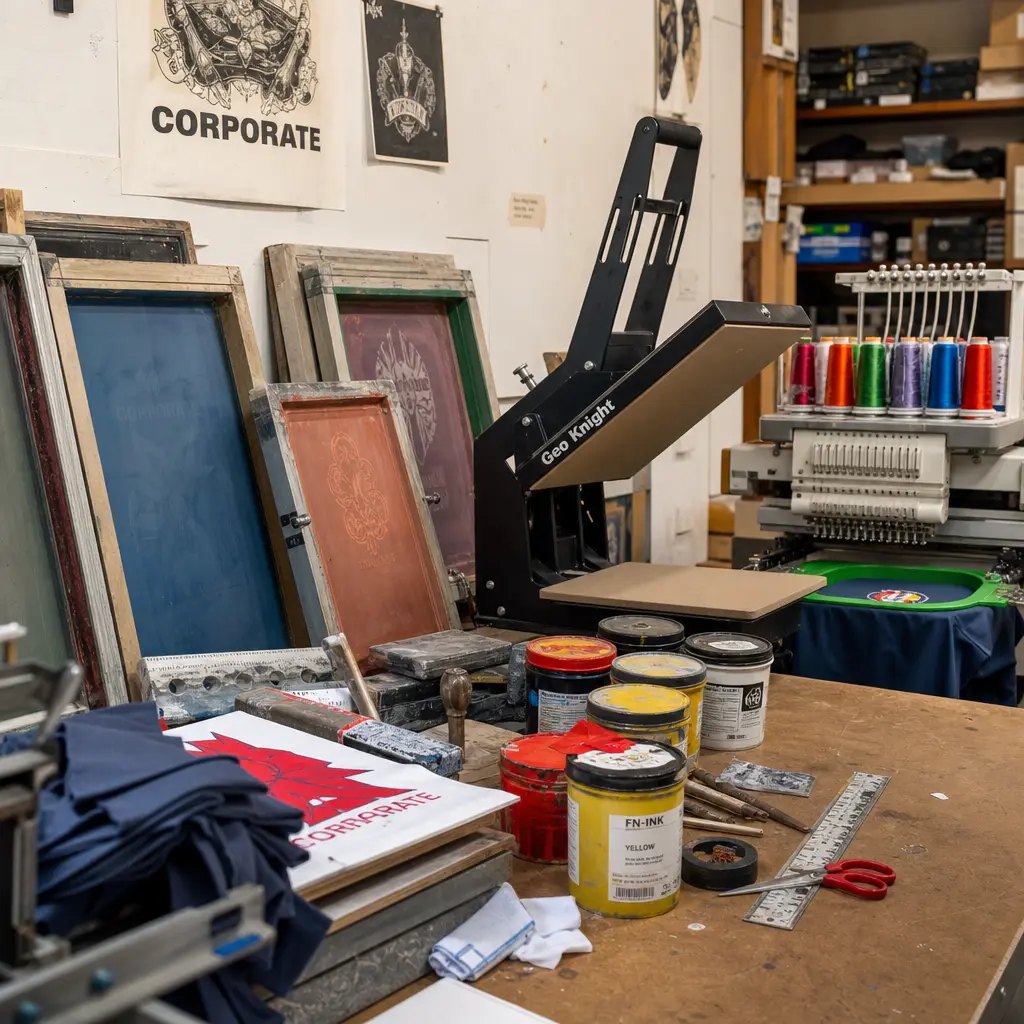
Most university bookstore messenger bags use screen printing on the front flap because it is cost-efficient and works well for solid campus logos. Screen print is usually the best choice for one to three spot colors, especially on natural canvas. The buyer should specify print size, placement from edges, ink color references, and whether the print must cover fabric texture fully or can have a softer vintage look.
Other decoration methods can fit specific programs. Heat transfer works for complex multicolor art and smaller quantities, but buyers should test hand feel and edge durability. Embroidery gives a premium result but may pucker thinner canvas and is slower for large filled logos. Woven labels, leather patches, or cotton labels give a retail look without a large printed mark. For licensed campus logos, every decoration method should go through artwork approval before bulk production.
- Screen print: best for solid logos, lower cost at volume, requires curing and rub testing.
- Heat transfer: good for multicolor designs, but confirm wash and abrasion resistance.
- Embroidery: premium look, better for small crests or initials than large solid marks.
- Woven label: clean retail branding, useful when the bookstore wants subtle campus identity.
- Patch application: confirm stitch position, edge finishing, and whether patch material changes compliance labeling.
MOQ Logic Behind Supplier Quotes
A headline MOQ is often misleading. For canvas messenger bags, MOQ can be driven by fabric purchasing, dye lot, print setup, hardware minimums, label production, carton marking, or sewing line efficiency. A supplier may accept 300 pieces for natural canvas with one-color print, but require 1000 pieces for dyed fabric, custom lining, metal logo hardware, or multiple bookstore designs.
Buyers should separate the MOQ by decision layer. The most useful quote shows MOQ per style, per fabric color, per print design, and per packing method. This prevents a common mistake: placing a mixed order of several university logos and later learning that each logo requires a separate setup charge or that the factory counted only one artwork in the original price.
- Natural canvas usually has the lowest MOQ because fabric is commonly stocked.
- Custom dyed canvas usually raises MOQ because dyeing mills work by minimum batch.
- Multiple logo designs can increase setup charges even when the bag body is identical.
- Custom labels may have their own MOQ that exceeds the bag order quantity.
- Retail packing with barcode stickers or hangtags can add labor and minimum printing quantities.
Sample Approval That Prevents Bulk Defects
A good messenger bag sample approval process has more than one sample photo. The buyer should approve a physical sample that reflects the actual fabric weight, strap material, hardware, print method, logo size, stitching, and packing. If the supplier substitutes sample fabric because bulk fabric is not yet purchased, that substitution should be written clearly and corrected at pre-production sample stage.
For bookstore orders, the pre-production sample is the most important control point. It should be made with bulk fabric, bulk trims, and final artwork. Once approved, the factory should not change fabric weight, pocket layout, print ink, strap length, hardware finish, or label position without written approval. A signed or sealed reference sample at the factory helps the sewing and QC teams compare bulk output against the buyer’s standard.
- Prototype sample confirms size, pocket layout, strap comfort, and general construction.
- Artwork strike-off confirms print color, opacity, edge sharpness, and logo position.
- Pre-production sample confirms bulk materials and should be approved before cutting.
- Production top sample confirms first finished units from the actual production line.
- Retained sample should stay at the factory for comparison during final inspection.
Cost Drivers to Compare Quote Lines
Messenger bag quotes can vary widely because suppliers include different assumptions. One quote may include 12 oz canvas, reinforced strap anchors, inner pocket, screen print, individual polybag, and export carton. Another may include only a basic unlined bag with no retail packing. Procurement teams should compare line by line before treating the lowest unit price as the best supplier.
The main cost drivers are fabric weight, fabric color, number of panels, pocket complexity, strap type, hardware quality, print colors, label type, packing, and inspection requirement. Freight also matters because canvas messenger bags are heavier and bulkier than small pouches. A 16 oz bag with metal hardware may look attractive at unit price level but can change landed cost when carton weight and CBM are included.
- Fabric: heavier canvas raises material cost and shipping weight.
- Pattern: more pockets, lining, padding, and gussets increase cutting and sewing time.
- Trims: metal sliders, snaps, buckles, zippers, and custom labels add both cost and QC points.
- Decoration: more print colors and larger coverage increase setup and ink cost.
- Packing: individual bags, hangtags, barcode labels, and floor-ready cartons add labor.
- Inspection: stricter AQL, third-party inspection, or lab testing should be budgeted early.
Packing and Retail Handling
Packing is often treated as an afterthought, but it affects bookstore receiving, shelf presentation, barcode scanning, and damage claims. A canvas messenger bag can be folded flat, lightly shaped, or packed with tissue depending on the retail positioning. Folding reduces carton volume but may create flap creases across the logo. Premium bags may need a more careful fold and a protective layer between printed panels.
Importers and distributors should define whether individual polybags are allowed. Some campuses prefer reduced plastic packaging, while others need each unit protected for warehouse handling. If polybags are restricted, the supplier can use paper bands, kraft sleeves, or master carton separation, but the buyer must accept the higher risk of dust marks and abrasion during transport.
- Carton quantity should avoid crushing; heavy canvas bags should not be overpacked.
- Barcode labels should be placed where bookstore receiving teams can scan without opening every bag.
- Hangtags should not pierce visible logo areas or weaken the flap fabric.
- Moisture protection is important for natural cotton canvas during ocean shipment.
- Carton marks should match purchase order, SKU, color, quantity, and destination requirements.
Lead Time and Schedule Risk
A realistic lead time starts after final artwork, sample approval, deposit, and material confirmation, not after the first email inquiry. For common natural canvas messenger bags with one-color print, production can move faster because fabric and webbing may be available. Custom dyed fabric, special hardware, embroidery patches, or retail barcode packing adds time and more approval steps.
University bookstore calendars create avoidable risk. Back-to-school, orientation, homecoming, graduation, and alumni events all have fixed selling windows. A late bag shipment is not only an operations problem; it can miss the entire retail opportunity. Buyers should build a schedule that includes sample revision time, lab dip approval if needed, production, inspection, inland transport, export customs, ocean or air freight, and warehouse receiving.
- Artwork and spec confirmation: often the longest hidden delay when licensed logos need approval.
- Sampling: allow time for prototype review and one correction round if construction is new.
- Material booking: dyed canvas and custom trims need earlier confirmation than stock natural canvas.
- Bulk production: sewing and printing sequence should be shown in the factory schedule.
- Final inspection: book before shipment handover, not after cartons have already left the factory.
Landed-Cost and Compliance Decision
The best supplier choice is the one that balances unit cost, compliance control, production reliability, and landed-cost transparency. A factory-direct quote may look more complex because it breaks out materials, print setup, labels, packing, and freight details. That detail is useful. It lets the buyer remove unnecessary cost without removing critical construction features.
For a university bookstore program, procurement teams should compare total order value, defect risk, delivery window, and repeat-order stability. If the buyer expects repeat seasonal orders, it is worth documenting the approved specification and supplier evidence carefully. The second order should not restart the same fabric, logo, and packing discussion from zero.
- Compare FOB unit price together with carton CBM, gross weight, and expected freight mode.
- Separate tooling, screen, sample, and label charges from the unit price for clean reorder comparison.
- Use the same approved sample and spec sheet for all supplier quotes.
- Score supplier responses for clarity, not only price.
- Keep a final compliance file with spec sheet, artwork approval, sample photos, inspection report, packing list, and shipment documents.
Specification comparison for buyers
| Supplier option | What to verify | Commercial advantage | Buyer risk to control |
|---|---|---|---|
| Direct sewing factory | hardware trim card, strap-load photo, lining close-up, approved flap sample, and first-piece production photos | Better sample-to-bulk control and faster production feedback | May be weaker on export paperwork or branded packing unless checked early |
| Trading company | Factory name, production photos, trim-source proof, and who owns QC decisions | Can coordinate small mixed orders and extra services | Markup can hide real factory capability and slow defect decisions |
| Specialized bag workshop | flap shape, strap webbing, buckle, D-ring, inner pocket, zipper pocket, seam allowance, and load path | More practical for detailed construction, trims, and repeat programs | Capacity may be limited during peak seasons |
| Low-price general supplier | 10-16 oz canvas, washed canvas, rPET canvas, lining fabric, interfacing, and hardware finish | Useful for simple promotional runs with loose specs | Material downgrades, weak packing, and vague inspection scope can erase savings |
| Retail-ready supplier | shape support, strap folding, hardware protection, individual bag, carton drop expectation, and retailer hangtag placement | Can handle labels, SKU separation, carton marks, and receiving rules | Higher unit cost must be compared against reduced warehouse work |
| Compliance-focused supplier | Fabric records, labeling review, test plan, and production traceability | Safer for retail programs and repeat brand orders | Documentation claims need evidence, not only sales language |
| Local sample room plus bulk factory | Signed sample, bulk factory handoff, first-piece photos, and deviation owner | Good for complex branding before large production | Sample room quality may not match bulk line unless handoff is controlled |
Buyer checklist before sampling
- Define the target retail use: textbook carrying, laptop-friendly campus bag, event merchandise, or premium alumni product.
- State the canvas weight in oz or GSM, such as 10 oz about 340 GSM, 12 oz about 407 GSM, or 16 oz about 542 GSM.
- Specify finished dimensions, flap coverage, gusset depth, internal pocket needs, strap length range, and hardware finish.
- List the expected load test, for example 5-8 kg static hanging test for light bookstore use or higher for laptop positioning.
- Confirm print method by artwork: screen print for solid campus logos, heat transfer for multicolor short runs, embroidery for premium patches, or woven label for subtle branding.
- Send artwork size, color references, print location, and whether licensed marks require approval samples before bulk.
- Request fabric shade tolerance, shrinkage target, and whether bags are washed, unwashed, or softened after sewing.
- Separate sample cost, bulk unit price, setup charge, mold or pattern charge, packaging cost, and inland freight in the quote.
- Confirm MOQ by color, by print design, and by packing style rather than accepting one headline MOQ.
- Require pre-production sample approval before fabric cutting for bulk production.
Factory quote questions to send
- What is the exact canvas construction being quoted: yarn count, weight in oz or GSM, dyed or natural, washed or unwashed?
- Is the MOQ calculated per bag style, fabric color, print colorway, or total order quantity across several bookstore designs?
- Which parts are made in-house and which are subcontracted, including fabric dyeing, printing, embroidery, metal hardware, and final packing?
- Can you provide photos of the current canvas stock, strap webbing, slider, buckle, snap, zipper, label, and carton packing used for similar messenger bags?
- What print method do you recommend for our artwork and what is the maximum printable area on the flap without distortion at seams or folds?
- What stitch density and reinforcement method will be used at strap anchors, flap corners, pocket openings, and stress points?
- What sample types are included: prototype, salesman sample, pre-production sample, and production top sample?
- What are the acceptable tolerances for bag size, fabric shade, logo position, print color, and carton quantity?
- What AQL level do you support for final inspection, and can inspection be arranged before balance payment?
- What is the packing method per piece and per carton, including carton dimensions, gross weight, barcode placement, and moisture protection?
Quality-control points to confirm
- Canvas weight should match approved sample within an agreed tolerance, commonly plus or minus 5 percent when measured by GSM.
- Finished bag dimensions should stay within practical tolerance, often plus or minus 1 cm for width and height and plus or minus 0.5 cm for pocket placement.
- Strap anchors should use bar-tack, box-stitch, or reinforced stitching suitable for the stated load use.
- Flap should sit squarely when the bag is filled lightly, without twisting caused by uneven side seams.
- Logo print should meet approved color, position, opacity, and rub-resistance standard after drying or curing.
- Metal sliders, snaps, magnetic buttons, and zippers should be free from rust, sharp edges, weak plating, and poor alignment.
- Inside seams should be cleanly finished with no loose thread nests, skipped stitches, or raw edges that fray during handling.
- Fabric should be free from oil marks, heavy slubs in visible logo areas, mildew odor, and unacceptable shade variation within one order.
- Labels should show correct brand, fiber content, country of origin, and barcode where required by the buyer.
- Cartons should pass drop and handling expectations for export, with no overpacked cartons that crush the bag shape.