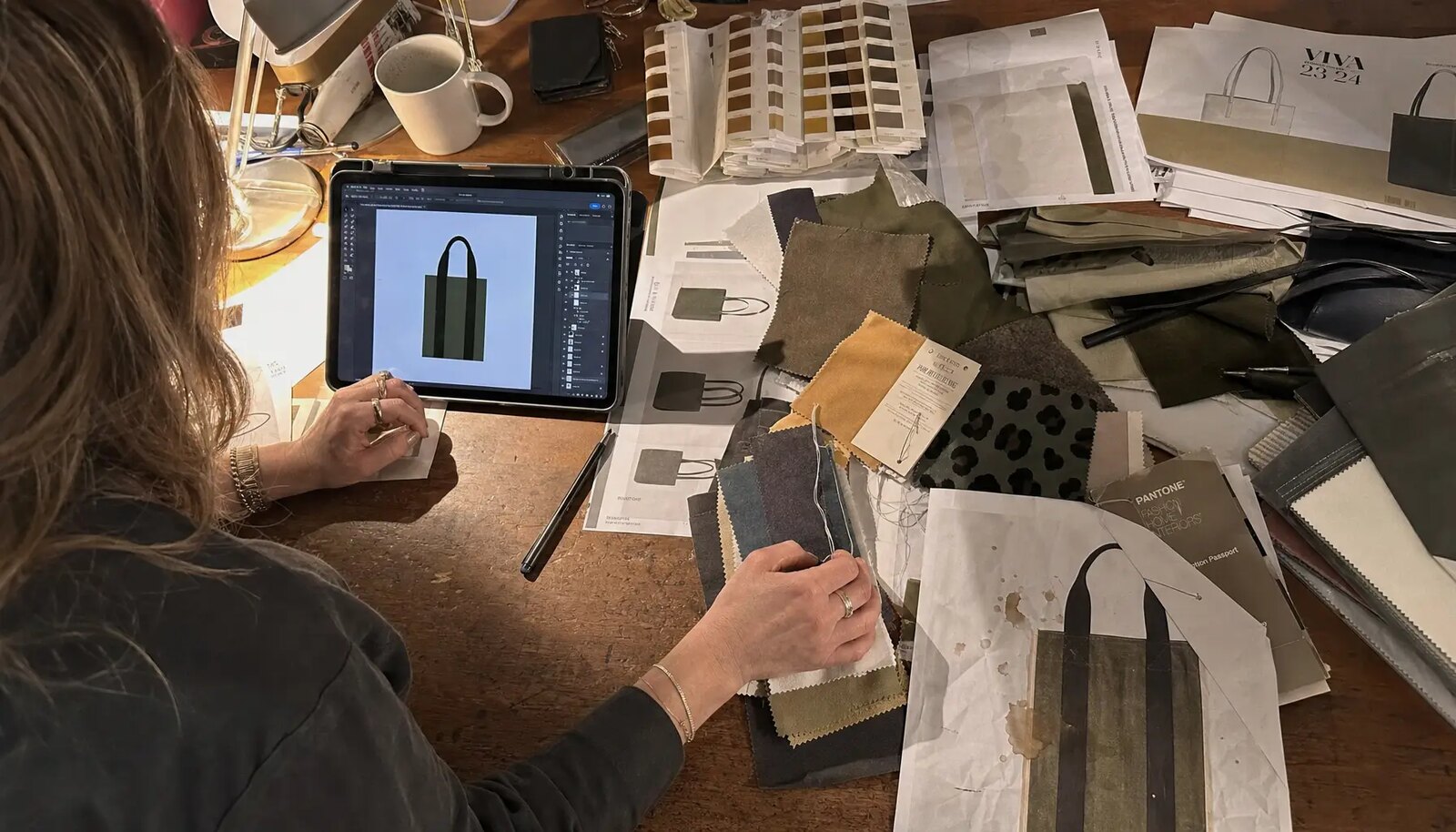
Start with the buying problem, not the product photo
A canvas messenger bag can look simple in a catalog and still produce very different quotations. One supplier may assume a lightweight stock canvas, plastic hardware, and basic folding. Another may assume heavier cloth, metal rings, a lined interior, a zipper top, and retail packing. If the RFQ does not remove those assumptions, procurement is comparing different products under one name.
For eco apparel brands, the sourcing brief also has to support claim discipline. Buyers often need the bag to sit beside organic or recycled apparel, so the language must be careful. A cotton canvas bag is not automatically organic, recycled, certified, or low-plastic. If those claims matter, the brief should ask for the exact evidence required and the exact wording that can be supported.
The cleanest RFQ is a control document. It tells the factory what must be quoted, what can be optional, what must be documented, and what gets rejected. That reduces quote noise and makes supplier comparison useful instead of cosmetic.
- Send one RFQ packet to every supplier: sketch, target quantity, artwork, packing brief, delivery date, and claim requirements.
- Ask for inclusions, exclusions, deviations, and optional upgrades in separate quote lines.
- Replace words such as premium, strong, eco, and durable with measurable fabric, construction, and QC details.
- Use the same approval path for every supplier so sample and quote comparisons stay aligned.
Choose the use case before choosing the canvas weight
The right messenger bag spec depends on how the bag will be used. A trade-show giveaway, a retail accessory, a commuter bag, and a work bag all have different load profiles and different buyer expectations. If the brief starts with ounce weight alone, the factory has to guess the rest. Start with the contents the bag needs to carry, the channel it will sell through, and how much structure the brand wants to show on shelf.
Messenger bags carry weight diagonally across the body, so the strap and side seams are under more stress than a simple tote. If the bag may hold books, work materials, a tablet, or a laptop sleeve, say that directly. If it will mostly carry folded apparel, brochures, or light daily items, the construction can stay simpler and the quote can stay realistic.
Channel matters as much as load. Retail programs usually need repeatable logo placement, clean folding, barcode accuracy, and a presentation-ready finish. E-commerce may care more about carton cube and crease control. Corporate merchandise may care more about date reliability and consistent logo color. Naming the channel helps the supplier quote the correct build instead of guessing the target.
- Light promotional use: 10 oz to 12 oz canvas, simple flap or open style, one-color print, and basic packing.
- Retail lifestyle use: 12 oz to 16 oz canvas, reinforced strap anchors, clean topstitching, brand label, and controlled folding.
- Commute or work use: 14 oz to 16 oz canvas or reinforced panels, secure closure, wider webbing, stronger hardware, and a reinforced base.
- Useful wording: "Please quote a construction suitable for the following contents, and state the recommended load and strap reinforcement."
Write the canvas spec and sustainability proof as separate items
Canvas is a category, not a complete specification. A useful brief names weight, unit of measure, composition, weave, finish, color, and coating status. If the bag should feel crisp and structured, say that. If the bag should be softer, washed, or garment-like, say that too. Otherwise the factory may choose a fabric that technically fits the weight but not the handling feel or print result the brand expects.
Weight should be stated in both ounce and GSM if possible, because suppliers do not always use the same reference point. As a working comparison, 12 oz is about 407 gsm, 14 oz about 475 gsm, and 16 oz about 542 gsm. That is only a comparison aid. Final approval should always be by physical swatch, because finishing can change stiffness, shade, and surface texture even when the weight looks similar on paper.
Sustainability needs claim-safe language. If the brand needs organic cotton, recycled cotton, undyed cotton, reduced-plastic packaging, supplier declarations, transaction certificates, or scope certificates, say exactly which documents are required and what the claim will be used for. Do not request a certification statement unless you actually plan to use that claim externally. The supplier should also state what it cannot support, because that is often the fastest way to remove risk from the quote.
- State fabric weight in oz per square yard and/or GSM, plus composition such as 100% cotton, cotton blend, documented organic cotton, or documented recycled cotton.
- Name the finish: raw, washed, pre-shrunk, dyed, pigment dyed, enzyme washed, coated, waxed, or uncoated.
- Set color control: stock natural, stock black, custom dyed Pantone, lab dip required, shade band required, or buyer-approved physical swatch.
- Ask for expected shrinkage and the test method if the fabric or finished bag may be washed, steamed, or finished after sewing.
- Separate acceptable natural variation from rejectable defects such as oil stains, mildew odor, holes, severe slubs, thin spots, shade panels, and weave flaws that affect decoration.
Dimension the bag as a production part
A medium messenger bag is not enough detail for a bid. The supplier needs finished measurements and a drawing that shows where those measurements are taken. List body width, body height, gusset, flap length, top opening, pocket dimensions, and any internal sleeve or divider. If the bag is intended to hold a laptop or tablet, define the device envelope rather than relying on a screen-size label. Thickness, protective sleeves, and closure clearance all change the fit.
Construction should be split into separate choices if it is not final. An unlined body with bound seams is simpler and often lighter. A lined body looks cleaner inside, but it adds material, sewing, and inspection steps. A reinforced base improves shape, but can increase cost and carton volume. A zipper top improves security but adds closure checks and sewing precision. Each of those choices should be visible in the quote.
Set tolerance where it matters. On canvas bags, very tight tolerances can create conflict without improving the customer experience. Tighter control belongs on visible and functional points such as flap alignment, pocket placement, closure location, strap length, and logo position. Slight variation is more acceptable on hidden dimensions that do not affect fit or appearance.
- Measure body width, body height, gusset, flap length, top opening, pocket size, strap length range, and label placement as finished dimensions.
- Use practical starting tolerances: body width and height +/- 0.5 cm to 1.0 cm, gusset +/- 0.5 cm, pocket placement +/- 0.5 cm to 1.0 cm, flap alignment +/- 0.5 cm.
- Specify body build separately: unlined or lined, seam binding, base reinforcement, topstitching, raw-edge policy, and visible stitch color.
- Quote closure options separately: flap only, zipper top, magnetic snap, buckle, hook-and-loop, or combined closure.
- Ask whether adding lining, zipper, larger gusset, foam padding, or reinforced panels requires a new pattern and new sample approval.
Engineer the strap and hardware for real carry
The shoulder strap is the part of the bag that sees the most repeated force. On a messenger bag, the load pulls diagonally across the body, which stresses the strap anchors, side seams, ring attachments, and adjuster more than a simple straight carry. That is why weak reinforcement often survives a photo sample and fails after launch.
The RFQ should name webbing width, webbing material, color, adjuster type, ring type, anchor patch size, and stitch pattern. A lighter carry bag may work with 38 mm webbing. A heavier daily-use bag often needs 50 mm webbing to spread the load more comfortably. Ask the supplier to state the recommended carry range and the internal method used to assess the strap, such as a static hang check or pull check on the finished sample.
Avoid accepting the word reinforced without detail. Common constructions include box-X stitching, bartacks, double-row stitching, backing patches, or trapping the strap end into the side seam. The right choice depends on the pattern, fabric weight, and hardware package. What matters for procurement is that the approved sample shows the actual construction and that bulk production follows it consistently.
- Specify strap width, usually 38 mm for lighter carry and 50 mm for heavier daily use.
- Define hardware: metal or plastic, finish color, ring size, slider type, and any edge-safety expectation.
- Ask for anchor patch dimensions, stitch type, thread color, and whether bartacks or box-X reinforcement are included.
- Ask the supplier to state a recommended load limit and how it is tested before bulk approval.
- Require photo evidence of strap anchors during inline inspection if the factory is building a higher-load style.
Control decoration, labels, and artwork placement
Decoration is where quotes drift fastest. Screen printing, embroidery, woven patches, heat transfers, and sewn patches each have different setup costs, minimums, lead times, and risk profiles. A one-color screen print may be the best fit for a simple logo on coarse canvas. Fine detail may need a different method. Embroidery may look richer but can distort lighter fabric if the stitch density is wrong. Heat transfers can carry detail, but they need rub and adhesion checks on the exact fabric finish being quoted.
The brief should give artwork size, number of colors, placement reference, and a physical standard. Placement should be measured from a seam, edge, center line, pocket opening, or flap edge so every supplier is quoting the same position. If the logo has to align with a pocket, flap, label, or closure, ask the supplier to confirm feasibility before sample approval. A few millimeters matter more on sewn goods than they do in flat graphic work.
Labels and compliance pieces are part of the product, not an afterthought. Many eco apparel brands need woven side labels, care labels, brand patches, hang tags, barcodes, inserts, or country labels. Each item needs size, material, placement, and approval version. If these are included in the unit price, say so. If they are excluded, the quote should say that plainly.
- Decoration details: method, artwork size, placement reference, number of colors, Pantone or physical color standard, setup cost, and strike-off requirement.
- Label details: woven side label, inner care label, brand patch, hang tag, insert, barcode sticker, country label, and any compliance wording required by the buyer.
- Ask whether setup fees repeat for new artwork versions, new colorways, repeat orders, or artwork size changes.
- Approve a strike-off or embroidery sample on the actual canvas and final artwork size, not on paper or a different fabric.
- Check decoration for edge sharpness, registration, color density, rubbing, peeling, cracking, puckering, staining, and placement before release.
Make the quote expose the real cost drivers
A useful quote shows how the price is built. For canvas messenger bags, the cost drivers are usually fabric weight, finish, lining, closure type, strap width, hardware finish, decoration method, labels, packing, and quantity split. If the supplier does not show those items, a low price may simply mean a lighter fabric, weaker hardware, or an omitted step that reappears as a change order later.
Ask for practical quantity tiers, not only the biggest number the factory can offer. If the first order is likely to be 500, 1,000, or 2,500 units, those are the numbers that matter. If the launch has several colors or artwork versions, clarify whether MOQ applies by total order, per color, per artwork, per fabric batch, per trim color, or per hardware finish. That distinction is what turns one quote into a real procurement comparison.
Commercial terms also need to be comparable. EXW, FOB, CIF, and DDP are not interchangeable. A quote that looks cheaper at EXW may become more expensive after export handling, freight, or destination charges. Ask for quote validity, payment terms, lead time after PP approval, carton assumptions, and a clear exclusion list before the sourcing decision is made.
- Request unit prices at realistic tiers such as 500, 1,000, 2,500, and 5,000 units if those match your forecast.
- Separate one-time charges: sample fee, screen fee, embroidery digitizing, mold or tooling fee, lab dip fee, label setup, and artwork setup.
- Separate recurring charges: fabric, trims, sewing, decoration, labels, inserts, barcode application, retail packing, carton marks, and inspection support.
- Ask for quote validity, payment terms, Incoterm, port, lead time after PP approval, and expected carton dimensions.
- Require a deviation column so suppliers disclose changed fabric weight, narrower strap, alternate hardware, omitted packing, or excluded setup charges.
Break MOQ into the variables behind the number
MOQ is usually a production constraint, not a random number. For canvas messenger bags, the minimum can come from fabric roll size, dye lots, washing batches, print setup, embroidery setup, trim procurement, hardware finish, or sewing line scheduling. A stock natural canvas bag with a standard strap and one logo often supports a smaller order than a custom-dyed, lined style with special hardware and multiple artwork versions.
Ask for MOQ by the variable that actually causes it. If the supplier says the minimum is 1,000 pieces, the next question is why. Is it because of fabric minimums, trim runs, or line setup? If the first order needs multiple colors, ask whether the MOQ is per color or across all colors combined. If the logo changes, ask whether that affects print setup or only the artwork file. Those details matter more than the headline number.
The best way to reduce MOQ without weakening the bag is to standardize the expensive variables. Start with stock natural canvas, standard webbing, standard hardware, and simple decoration, then add more custom features after sell-through is proven. That is not a compromise on quality. It is a way to protect budget while keeping the sourcing plan realistic.
- Ask: "Which part of this quote drives MOQ: fabric, dyeing, washing, printing, trim, hardware, labels, packing, or sewing line setup?"
- Clarify MOQ per color, per artwork, per fabric batch, per trim color, per hardware finish, and per shipment.
- Reduce SKU count in the first order if forecast confidence is low or if color consistency matters more than variety.
- Use stock canvas and standard trims when MOQ flexibility matters more than full custom development.
- When offered a very low MOQ, ask what material substitutions, manual processes, packing simplifications, or repeat-order limits make it possible.
Use sample gates and test methods before bulk release
Samples should prove the production plan, not just produce a nice photo. Depending on the program, development may include a fabric swatch, lab dip, strike-off, trim card, first construction sample, revised sample, and final pre-production sample. A stock item may only need a few of those gates. A custom dyed or heavily branded bag usually needs more. The point is to make the supplier show the finished build before bulk material is committed.
The pre-production sample is the key approval point. It should use the intended bulk fabric, final decoration method, approved strap construction, final hardware, correct labels, and planned packing method where feasible. Measure it against the written spec and record comments in writing. Photos help with appearance, but they do not fully verify fit, strap comfort, hand feel, closure function, or packaging creases.
Before release, run a practical review. Put realistic contents inside the bag. Check whether the flap sits cleanly, whether the zipper glides, whether the strap length works for the intended user, and whether the anchor points feel secure. If the bag is expected to survive washing or steam, test one sample under the agreed method before bulk approval. That is better than arguing about shrinkage after the order ships.
- Approve the fabric swatch before final price lock if hand feel, color, or surface texture is important.
- Approve the lab dip or shade band before custom dyed canvas is bulk produced.
- Approve the strike-off or embroidery sample on the actual canvas and final artwork size.
- Measure the PP sample against the written tolerance sheet and close every comment in writing.
- Do not release bulk production until the supplier confirms the final specification version and sample approvals are complete.
Put QC and packing rules in the PO, not in afterthought emails
Inspection should be defined before the purchase order is placed. If QC appears only after price negotiation, the factory may treat it as an add-on. For canvas messenger bags, QC has to cover fabric defects, dimensions, seam quality, strap reinforcement, hardware function, decoration quality, label accuracy, packing count, and carton marks. These are the things that affect launch quality and warehouse receiving.
The defect language should be specific. A critical defect is something unsafe or commercially unacceptable, such as a broken strap anchor, wrong barcode, mold odor, exposed sharp hardware, or missing closure component. A major defect is something that makes the product unsellable or visibly off-spec, such as a wrong fabric weight, misaligned logo, or open seam. A minor defect is something small enough to be acceptable within the approved appearance standard. If your team uses AQL, state the level. If not, define the pass/fail list clearly.
Packing needs the same discipline. Define fold method, individual pack, insert card, hang tag, barcode label, carton quantity, carton marks, SKU separation, gross weight, net weight, and carton dimensions. Poor packing can crease the logo, mix colorways, increase freight cost, or slow warehouse receiving. A clear packing brief is easier to enforce than a verbal one.
- Define inspection timing: incoming material check, inline sewing check, decoration check, final random inspection, and packing verification.
- Set tolerances for body size, gusset, flap alignment, strap length, pocket placement, print placement, and label placement.
- Require strap reinforcement checks before cartons are sealed, with close-up photos if remote approval is used.
- Check hardware for function, finish consistency, sharp edges, rust, loose parts, and correct placement.
- Verify labels, hang tags, barcode stickers, carton marks, purchase order number, SKU, color, quantity, and mixed-carton packing list.
Specification comparison for buyers
| Spec decision | Recommended RFQ wording | Useful target or acceptance rule | Buyer risk if vague |
|---|---|---|---|
| Fabric weight | Quote 12 oz, 14 oz, and 16 oz cotton canvas options; confirm whether ounce weight is greige or finished fabric and include GSM. | Use swatch approval as final reference. Approximate conversions: 12 oz about 407 gsm, 14 oz about 475 gsm, 16 oz about 542 gsm. | Different mills may label different cloths with the same weight. A lighter-than-expected canvas can sag, wrinkle, or fail sooner at strap points. |
| Fabric finish and shrinkage | State raw, washed, pre-shrunk, dyed, pigment dyed, enzyme washed, coated, or uncoated. If wash performance matters, quote the test method and expected shrinkage band. | For pre-shrunk or washed goods, ask for a documented test method such as ISO 6330 or AATCC 135, or the supplier's equivalent, with an agreed limit before bulk. | Without a method and limit, shrinkage becomes a dispute after the first wash or steam cycle. |
| Body dimensions | List width, height, gusset, flap length, top opening, pocket size, and any sleeve or divider dimensions as finished measurements. | Typical starting tolerances: body width and height +/- 0.5 cm to 1.0 cm, gusset +/- 0.5 cm, pocket placement +/- 0.5 cm to 1.0 cm. | A quote without tolerances may look cheaper because the supplier is not controlling fit, capacity, or shelf appearance. |
| Strap build | Specify webbing width, webbing material, adjuster type, ring type, anchor patch size, and reinforcement stitch pattern. | 38 mm webbing suits lighter carry; 50 mm webbing is better for heavier daily use. Ask for the supplier's load method and acceptance point. | Thin webbing, weak anchors, or missing bartacks often show up as returns after launch, not during sample review. |
| Closure choice | Quote flap only, zipper top, magnetic snap, buckle, hook-and-loop, or combined closure as separate options. | For zippers, state tape width, slider type, stop finish, and smooth operation standard. For magnets, confirm pull-through placement on finished fabric layers. | A closure can change pattern cost, line time, inspection points, and customer trust in the product. |
| Decoration method | Identify screen print, embroidery, woven patch, heat transfer, or debossed patch; include artwork size, color count, and placement reference from seam or edge. | Approve a strike-off on the actual canvas. Practical placement tolerance is often +/- 0.5 cm to 1.0 cm, depending on panel size and method. | Fine lines can blur, embroidery can pucker, and transfers can crack if the supplier quotes the wrong process for the fabric. |
| Sustainability documentation | If the brand will make a claim, state exactly which document is required: supplier declaration, transaction certificate, scope certificate, or packaging proof. | Only request claim documents that match the intended customer-facing statement. Do not imply organic, recycled, or certified content without matching evidence. | Loose wording creates claim risk. A cotton bag is not automatically organic, recycled, or certified. |
| MOQ | Break MOQ out by total order, body color, artwork version, fabric batch, trim color, and hardware finish. | Ask what variable drives the minimum: fabric roll, dye lot, print setup, trim procurement, or sewing line setup. | Low MOQ quotes can hide substitutions, smaller shade control, or hidden setup costs. |
| Packing | Define fold method, individual pack, insert, hang tag, barcode label, carton quantity, carton marks, and SKU separation. | Ask for carton dimensions, gross weight, and net weight before PO approval. | Poor packing can crease logos, mix colorways, and raise freight or warehouse costs. |
Buyer checklist before sampling
- Finished measurements: width, height, gusset, flap length, top opening, pocket size, sleeve size if any, strap length range, and label placement after sewing.
- Canvas spec: weight in oz per square yard and/or GSM, fiber composition, weave, finish, color, coating status, and whether the fabric is raw, washed, pre-shrunk, dyed, or pigment dyed.
- Shrinkage control: required test method, acceptable shrinkage band, and whether the bag is expected to survive washing, steaming, or garment finishing.
- Sustainability evidence: only the documents needed for the claim you plan to make, such as supplier declaration, transaction certificate, scope certificate, or recycled-content proof.
- Color control: stock natural or dyed shade, Pantone or physical standard, lab dip requirement, shade band, batch-separation rule, and rejectable fabric flaws.
- Construction details: lining, binding, seam type, base reinforcement, inner pocket, laptop sleeve, closure type, raw-edge policy, and visible stitch color.
- Strap details: webbing width, material, adjuster type, ring type, anchor patch, reinforcement stitch pattern, and intended carry load.
- Decoration details: print, embroidery, patch, or transfer method; artwork file; logo size; placement reference; color standard; tolerance; and strike-off requirement.
- Sample gates: fabric swatch, lab dip if dyed, strike-off, first construction sample, revised sample if needed, and final pre-production sample using bulk materials.
- Commercial terms: MOQ by variable, unit price tiers, setup fees, sample fees, quote validity, payment terms, Incoterm, lead time after PP approval, shipment window, and exclusion list.
Factory quote questions to send
- What exact canvas weight, GSM or ounce reference, weave, fiber composition, finish, coating status, and fabric source are included in this quote, and can you provide a swatch from the actual lot or approved stock quality?
- Is the quoted fabric stock natural canvas, stock dyed canvas, custom dyed fabric, washed fabric, pigment dyed fabric, or pre-shrunk fabric, and what test method and shrinkage band do you use for approval?
- If we request organic cotton, recycled cotton, undyed cotton, or reduced-plastic packing, what documents can you provide, what is excluded, and what claim wording should we avoid?
- Does your unit price include fabric, trims, sewing, strap hardware, logo decoration, print setup, embroidery digitizing, woven label, care label, hang tag, insert card, barcode label, carton marks, and export carton packing?
- What is the MOQ by total quantity, body color, artwork version, webbing color, hardware finish, lining material, and shipment, and which item is driving the minimum?
- Please quote the same bag at our realistic tiers and show the price change for 12 oz, 14 oz, and 16 oz canvas; unlined versus lined body; flap only versus zipper top; and standard versus retail packing.
- Can you provide strap construction details in writing, including webbing width, webbing material, adjuster type, ring size, anchor patch size, stitch pattern, and recommended carrying load?
- Which decoration method do you recommend for our artwork on textured canvas, and what are the risks for edge sharpness, ink coverage, color matching, rub resistance, cracking, peeling, or puckering?
- What sample stages do you offer before bulk production, which are charged, which charges are refundable if we place the order, and what are the lead times for swatch, strike-off, construction sample, and PP sample?
- What finished measurement tolerances do you guarantee for body width, body height, gusset, flap alignment, strap length, pocket placement, print placement, and label placement, and how will these be measured?
Quality-control points to confirm
- Fabric weight, composition, weave, surface texture, color, hand feel, and finish match the approved swatch and written specification; any batch shade difference stays within the agreed shade band.
- Canvas panels have no rejectable oil stains, mildew odor, water marks, holes, thin spots, severe slubs, heavy weaving defects, contamination, or print-disrupting surface flaws on finished units.
- If the bag is sold as pre-shrunk or washable, a sample checked by the agreed wash method stays within the approved shrinkage band and does not show seam twist, distortion, or label damage.
- Finished measurements fall within the agreed tolerance for body width, body height, gusset, flap length, flap alignment, pocket position, strap minimum and maximum length, print placement, and label placement.
- Cut panels are balanced and symmetrical where required; flap corners, side seams, pocket openings, and the bottom gusset sit squarely without twisting, excessive puckering, or uneven seam allowance showing through the shape.
- The strap system uses the approved webbing width, hardware, anchor patch, and stitch pattern; no skipped bartacks, loose anchor ends, broken adjusters, or exposed sharp hardware edges are accepted.
- A static load or pull check on the sample or first production pieces confirms the strap anchors and side seams hold the intended load without visible failure, separation, or unsafe deformation.
- Zipper, snap, buckle, magnetic closure, adjuster, D-ring, square ring, rivet, and other hardware operate smoothly, match the approved finish, and are installed in the correct position without corrosion or sharp edges.
- Print or decoration matches the approved strike-off for color density, edge sharpness, registration, placement, hand feel, adhesion, embroidery tension, thread color, patch alignment, and dry rub resistance.
- Labels, hang tags, care labels, brand patches, barcodes, inserts, SKU stickers, country labels, carton marks, and packing lists match the approved artwork, spelling, item number, colorway, and carton count.