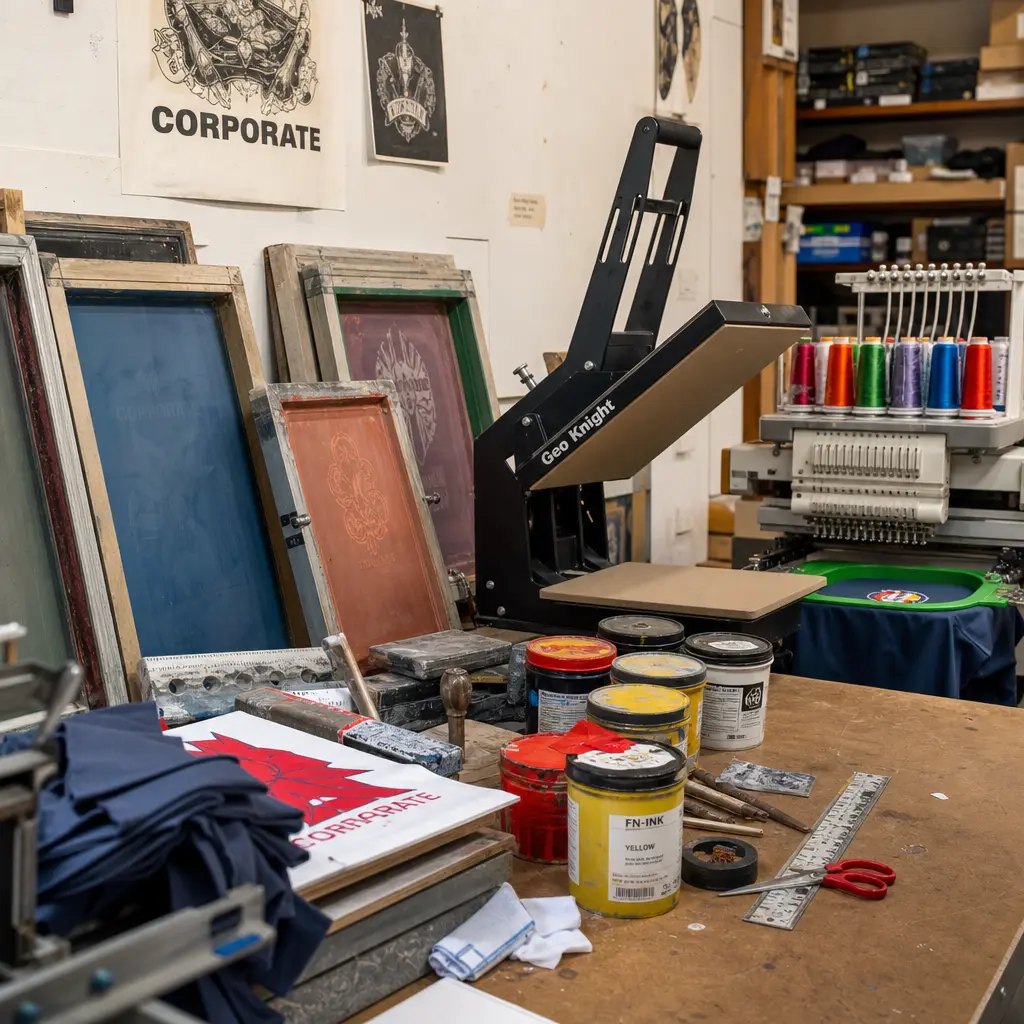
Why tech startup buyers need a tighter QC standard
Canvas messenger bags for tech startups usually carry more than paper files. They hold laptops, chargers, notebooks, power banks, dongles, cables, headphones, and branded inserts, so procurement teams need a product standard that covers function as well as appearance. A bag that looks acceptable on a sample table can still fail in use if the strap is too narrow, the zipper drags, the flap sits crooked, or the canvas shrinks after finishing.
That is why the quality inspection checklist has to go beyond the logo. Buyers need one control document that covers fabric, structure, decoration, packing, and inspection in the same spec. If those elements are split across emails or left to the factory’s default practice, the supplier can deliver a bag that technically resembles the sample but behaves differently once it enters daily use.
The commercial risk is also different from a one-off giveaway. These bags often ship in onboarding kits, conference merch programs, distributor catalogs, employee welcome packs, or retail test drops. When a batch has a defect, the cost is not just replacement units. It also includes repacking, customer service time, and delays to launch schedules.
A stronger QC process also makes supplier comparison easier. If every vendor is quoting the same fabric weight, bag dimensions, logo method, closure type, strap construction, and packing standard, procurement can compare true value instead of guessing from a low headline price. That is the main advantage of a procurement-ready canvas messenger bags quality inspection checklist for tech startups.
There is a brand effect too. A well-built bag suggests the company pays attention to detail. A warped seam, off-center logo, or weak strap sends the opposite signal. For procurement, quality control is not only a finish-check step; it is brand protection.
Lock the fabric spec before you discuss decoration
Fabric weight drives most of the buying experience. A practical range is often 12 oz to 14 oz canvas for everyday carry, while 16 oz is more common when the bag needs more structure or is expected to carry heavier loads. If a quote only says canvas without GSM or ounce weight, the supplier has room to switch to a lighter cloth and still claim the product is within normal range.
Ask the factory to confirm finished GSM after pre-shrink, not only raw yarn weight. Cotton canvas changes after dyeing, washing, and finishing, and those steps affect shrinkage, hand feel, and size stability. A proper spec should also note fabric width, shrinkage expectation, weave type, and whether the cloth is piece-dyed, yarn-dyed, bleached, or natural.
The finish matters too. A coated, waxed, or heavily calendared surface may look more premium, but it can affect print adhesion, crease behavior, and odor. If the startup plans to screen print the bag, the supplier should state whether the surface treatment changes ink absorption or curing performance. Do not approve printability from a swatch alone; ask for a production-like panel test.
Procurement buyers should also write down tolerance limits. If the supplier cannot state an allowed variance for GSM, shade, and finished width, the buyer has no practical basis for rejection later. For bulk orders, request the lot number, roll number, and a retained swatch from the same cloth used in production. That creates traceability if the shade or texture shifts mid-run.
One useful rule: quote fabric first, decoration second. Once the fabric is locked, the rest of the bag can be controlled more predictably. When the fabric is vague, every other quality decision becomes harder to defend.
Match print method to artwork and wear
Most startup programs use a simple logo or short campaign mark, which makes screen printing efficient in many cases. It usually gives a clean result on flat canvas panels and keeps unit cost stable at bulk quantities. If the artwork includes gradients, small type, fine linework, or multiple colors, the factory may suggest embroidery or heat transfer, but each method changes both appearance and durability.
The buyer should not approve decoration by eye alone. Ask for the file placement, Pantone target if relevant, ink type, and the exact panel area where the logo sits. On messenger bags, a logo placed too low can disappear into the gusset line, while a logo placed too high can look awkward on the flap. A good factory will mark placement on the first article before mass printing begins.
The risk is repeatability. A good sample does not guarantee a stable bulk run if screen tension changes, curing temperature drifts, or the operator shifts placement by a few millimeters. Ask how the factory controls first-piece approval, how it checks alignment, and whether it tests print opacity after curing and after rubbing. If the bags will be used daily, also ask about abrasion behavior at fold lines.
For procurement, each decoration method should come with a clear tradeoff summary. Screen printing may require setup charges but keeps production simple. Embroidery can add digitizing, backing, and stitch-density risk. Heat transfer can work for smaller runs, but edge wear and placement sensitivity need extra attention. The best method is the one that fits the artwork and the use case, not the one that only looks cheaper on the quote.
If the supplier recommends a method that differs from the buyer’s original request, ask why. Sometimes the factory is protecting the final result. Sometimes it is simplifying its own production. The quote should make that distinction clear enough for procurement to judge.
Choose the sourcing route that gives you enough control
A canvas messenger bag can be bought through a direct factory, a trading company, or a sourcing office, but the risk profile changes with each route. Direct factory sourcing usually gives better control over fabric, stitching, and schedule, as long as the buyer can manage sample approvals and insist on documented QC evidence. Trading routes may help with mixed orders or very small programs, but they often hide the real production source and make defect correction slower.
For a tech startup that expects repeatable branded bags, direct factory sourcing is often the most practical choice. The supplier should be able to show cut panels, print trial photos, in-line sewing photos, final packing images, and carton sealing photos. Without those checkpoints, the buyer sees only the finished bag and loses visibility into where defects entered the process.
That visibility matters because messenger bags have several parts that can fail in different ways. The fabric can be off shade. The logo can drift. The zipper can misalign. The strap reinforcement can be too light. If the buyer cannot see where the failure started, production control turns into guesswork.
Direct factory sourcing only works when communication is disciplined. The buyer should issue one spec sheet, one sample approval reference, and one change log. If different team members ask for different details at different times, the factory may follow the latest message instead of the locked spec. In B2B sourcing, clarity is cheaper than rework.
A good workflow also assigns one approval owner. That person signs off on the sample, the packing plan, and any change request. When ownership is unclear, a supplier can receive conflicting instructions about bag size, zipper style, or label placement, and those changes can show up after cutting begins.
Compare quotes on the full build, not the headline price
A low quote only means something if the supplier is quoting the same spec and the same service level. The easiest way to compare canvas messenger bags is to separate the bag body from decoration, hardware, and packing. Then check whether each supplier is using the same fabric weight, zipper grade, strap reinforcement, and carton standard. That is where many bulk orders win or lose money.
For tech startup programs, the real cost driver is not only the visible bag body. Zipper grade, strap reinforcement, print setup, internal lining, packing method, and rework from sample rejection all affect landed cost. A factory that quotes slightly higher but controls those points may still be the cheaper option once freight, claims, and rework are included.
The buyer should also ask how pricing changes by color lot, artwork version, or material variation. If those rules are not stated up front, a low quote can become unstable once the order is split by color or the startup requests a second logo position. Write down what is included now, what is optional, and what triggers a price change before the PO is released.
A useful quote comparison sheet should show the same line items across all suppliers: body fabric, lining, webbing, zipper, label, print method, sample fees, carton spec, and inspection scope. If one supplier is quoting a finished, packed, inspected bag and another is quoting only the sewn body, the comparison is misleading even when both prices look similar.
Procurement teams should also ask what is not included. Small exclusions are where many surprise costs live: extra screens, color matching, barcode labels, master carton changes, additional samples, or replacement of failed hardware. The best quote is the one that makes hidden items visible early.
Set measurable acceptance criteria for sewing and hardware
A QC checklist should define what good means in measurable terms. For seams, specify allowance consistency and load points such as strap joints, flap corners, zipper ends, side panels, and pocket entries. For hardware, specify zipper grade, slider movement, ring finish, rivet setting quality, and any anti-rust expectation if the bag ships into humid markets or long export lanes.
Do not rely on vague defect words like nice stitching or strong handle. Require the factory to reference the approved sample and keep the same stitch density through production. If the sample has a structured side panel, the bulk order should not arrive soft and collapsed because the factory changed the interlining, skipped reinforcement, or reduced stitch count to save time.
Structural checks matter as much as appearance checks. Measure strap symmetry, flap overlap, pocket depth, and opening shape. Then test whether the bag keeps its form when partially loaded with a laptop or a defined test weight. A bag can pass visual inspection and still fail in use if the base sags or the strap anchor twists under load.
Turn those expectations into acceptance language that a factory can actually inspect. Example: seams should be straight with no skipped stitches visible at normal viewing distance; loose threads should be trimmed flush; zipper should open and close without catching over repeated cycles; strap attachment should stay aligned under a modest load test; and hardware finish should be consistent across the lot.
If the bag includes magnets, snaps, buckle hardware, or internal dividers, add those to the same control sheet. Buyers often focus on the logo and forget the hardware. That is usually where daily-use complaints begin.
Use sample approval to freeze the right details
The sample stage should answer one question: will the bulk order match the approved reference without hidden changes? A disciplined approval process often includes a proto sample, a pre-production sample, and a sealed golden sample. The golden sample should be measured, tagged, and stored on both the buyer and factory side so later disputes are not decided from memory.
Tech startup buyers often rush this stage because the bag looks simple. That is where mistakes happen. A messenger bag can be visually basic while still requiring several approval points: pocket size, laptop sleeve depth, print placement, strap adjuster length, zipper stop position, internal label placement, and closing force. If any of those changes after approval, the factory should resubmit the sample or obtain written acceptance.
The approval file should include both photos and measurements. Photos show overall appearance, but they do not prove that the gusset depth is correct or that the strap length sits in range. Record the sample revision number, date, and any notes on tolerances. If a later shipment differs from the golden sample, you need a clean paper trail to tell whether it is a defect or an approved revision.
A practical sample checklist should also capture what the buyer is freezing. Lock the outer dimensions, fabric weight, print placement, trim color, closure type, lining choice, and packaging method. If the supplier changes any of those items later, the buyer should treat it as a formal change request, not a minor production adjustment.
For startup programs, sample discipline is often the difference between a smooth launch and a scramble. One extra approval round is cheaper than correcting thousands of units after the cartons have already been sealed.
Inspect the bag the way the end user will use it
A useful QC program should simulate real use, not only visual acceptance. For tech startup buyers, that means checking what happens when the bag carries a laptop, charger brick, notebook, water bottle, and small accessories. The bag should remain balanced, close correctly, and keep the strap from twisting or slipping too easily under weight.
If the bag is meant for commuting or travel, test opening and closing speed. The zipper should not snag when the bag is slightly full, and the flap should not buckle over the pocket line. If the company plans to distribute the bag to employees or event attendees, the opening should be intuitive enough that people can use it without a learning curve. That sounds small, but it affects satisfaction quickly.
If the target users include field teams or frequent travelers, add a simple wear-test request to the supplier. Ask whether the zipper, strap, and seam construction have been used on similar daily-carry programs. If the factory cannot produce a credible example, increase inspection intensity on the first order and keep the quantity conservative until the bag proves itself in use.
It also helps to define a practical load check. You do not need laboratory complexity to spot obvious problems. Ask the supplier to load the bag with a defined test pack and confirm that straps, seams, and closure still function. The goal is not certification; it is to catch weak construction before the order is packed and shipped.
End-user thinking helps procurement avoid over-specifying one area while missing another. A bag with a beautiful logo but awkward weight distribution will still disappoint users. The checklist should follow the way the bag is actually carried, opened, loaded, and stored.
Treat packing as part of the product
Messenger bags are vulnerable to crushing, creasing, and dye transfer in transit. Packing should match the order type. For export wholesale, each bag is often folded in a simple polybag, then packed into a master carton with clear carton marks and quantity labels. For retail-ready supply, the buyer may need barcode stickers, hangtags, tissue paper, or inserts, but every added layer should be written into the quote before production starts.
Carton packing also affects receiving speed at the warehouse. Ask the factory for carton size, units per carton, gross weight, and whether cartons are single-wall or double-wall. If a bag has a coated interior, metal zipper, or heavy strap hardware, overfilling cartons can flatten the shape and create wrinkles that look like defects even when the bag itself is acceptable.
Receiving teams should also know what to expect at carton opening. Ask for a carton pack plan that states the number of bags per color per carton, whether there is a master polybag inner pack, and whether cartons are mixed or single-color. This prevents confusion during count checks and makes claims easier to trace if one carton arrives short or damaged.
If the bags are going to a distributor or warehouse with barcode scanning, confirm label placement and scanability before bulk packing starts. A label that peels in transit or hides under a fold creates avoidable receiving delays. For B2B buyers, packing is not an afterthought; it is part of the product.
The most useful habit is to inspect one packed carton the same way the receiving team will open it. That simple step often catches problems that a polished sample never reveals.
Build lead time around real production risk
Lead time on custom canvas messenger bags is usually more fragile than buyers expect because several steps depend on each other: fabric booking, print screen approval, sample confirmation, cutting, sewing, and packing. If the order needs a custom lining, special zipper, or a color-matched webbing tape, the critical path gets longer. A realistic schedule should separate sample time from bulk time instead of hiding everything inside one promised ship date.
The safest quote includes a start-to-ship timeline plus a list of common delays. Those delays may include shade confirmation, print correction, hardware replacement, carton rework, or re-approval of the sample after a spec change. Procurement teams should compare suppliers not just on promised weeks, but on how clearly they explain where the schedule can slip and who is responsible for each dependency.
For startup buyers, timing often matters because launch dates are fixed. If the bags are meant for onboarding kits, conferences, or sales events, late delivery is not just a logistics problem; it is a brand problem. Build a buffer for approval delays, and do not release a bulk PO until the sample is signed off and the supplier has confirmed all long-lead items are in hand or reserved.
Ask the supplier for a milestone plan when the order is time-sensitive. A useful plan names the sample approval date, material arrival date, cutting start, in-line inspection window, final inspection date, and ready-to-ship date. That gives procurement a simple way to track risk instead of waiting for one vague completion promise at the end.
If the order is seasonal or tied to a launch event, ask one more question: what happens if the sample approval slips by a week? The answer reveals whether the factory has real production planning or only optimistic quoting.
Specification comparison for buyers
| Spec decision | Recommended option | When it fits | Buyer risk to check |
|---|---|---|---|
| Sourcing route | Direct factory with written spec control, measured samples, and stage photos | Repeat orders, onboarding kits, conference merch, and retail test drops | A low quote can hide undocumented substitutions, weak measurement control, or inconsistent shade matching |
| Fabric weight | 12 oz to 14 oz canvas for general carry; 16 oz for heavier laptop programs or more structured bags | Daily commute bags, employee kits, and higher-value retail runs | Too light can sag; too heavy can increase sewing difficulty, cost, and stress-point defects |
| Fabric construction | Tightly woven cotton canvas with confirmed GSM, pre-shrink status, and finished width tolerance | Printing-heavy bags and structured silhouettes | Loose weave can distort after finishing, absorb ink unevenly, or shrink after wet processing |
| Print method | Screen print for simple logos; embroidery or heat transfer only when the artwork requires it | One-color marks, launch kits, and short-turn promotional programs | Fine detail may blur, placement may drift, and abrasion performance may vary |
| Lining | Unlined for budget bulk or polyester/cotton lining for premium or device-carry use | Cost-sensitive promotions versus retail-grade or laptop-friendly bags | Unlined bags expose seam edges; lining adds labor and more internal QC checks |
| Closure | Top zipper with a defined slider grade, or magnetic snap when the bag is not a security carry | Commuter use, laptop carry, and retail assortments | Weak teeth, poor tape, or bad end-stops can trigger returns and claims |
| Webbing and strap | 38 mm to 50 mm reinforced webbing with box-stitch or cross-stitch at load points | Laptop carry, field teams, and daily-use programs | Thin straps dig into shoulders; weak reinforcement can fail at ring attachment or seam intersections |
| Packaging route | Each bag polybagged with carton marks, quantity labels, and a packing list tied to the PO | Wholesale distribution, export shipments, and warehouse replenishment | Over-packed cartons crush shape; weak carton spec increases transit damage and receiving disputes |
| Inspection stage | Golden sample, pre-production sample, in-line check, and final AQL inspection | Any custom order above trial quantity | Skipping one stage lets seam, color, print, or pack issues reach mass production |
Buyer checklist before sampling
- Lock the exact canvas spec in GSM, weave density, pre-shrink status, and finished width before asking for quotes.
- Confirm bag dimensions, gusset depth, strap length, handle drop if applicable, and laptop fit against a measured sample, not a photo.
- Approve one master sample for color, print placement, stitch type, zipper tone, and hardware finish before bulk cutting starts.
- Set defect limits for broken stitches, oil stains, uneven printing, crooked logos, loose threads, and zipper failure in writing.
- Define carton pack count, polybag requirement, barcode label, carton mark text, and whether tissue or desiccant is needed.
- Require factory photos from fabric intake, cutting, printing, sewing, in-line inspection, final packing, and carton sealing stages.
- Ask for written confirmation of the approval point: what must be reapproved if fabric, print, or hardware changes during production.
- Keep one approved sample archived on the buyer side and one retained by the factory as the production reference.
- Request a measurement sheet for the sample with tolerance targets for finished width, height, gusset, strap length, and pocket depth.
- Ask the supplier to identify any subcontracted steps, especially printing, embroidery, and carton conversion, before the PO is released.
Factory quote questions to send
- What is the finished fabric GSM after pre-shrink, and is that based on a measured lab test, an internal weighing method, or a supplier declaration?
- Which print method is included in the quote, how many colors are covered, and what setup charges apply for screens, plates, or embroidery digitizing?
- What is the MOQ per color and per artwork version, and can mixed colors share one fabric lot without affecting shade consistency?
- What sample stages are included before bulk production, and what is the formal approval point for print, measurements, and hardware selection?
- What are the carton size, packing quantity, and gross weight per carton for export shipment, and can the factory share a packing photo?
- What is the production lead time after sample approval, and which steps usually create delays for this bag style?
- Which components are included in the unit price: webbing, zipper, lining, label, hangtag, polybag, and carton marks?
- What inspection standard do you use for sewing defects, stain limits, measurement tolerance, and final random inspection?
- Can you provide photos or video of a similar previous order with the same print method, fabric weight, and closure type?
- If a component is unavailable, what is your substitution policy and who must approve the change in writing?
Quality-control points to confirm
- Fabric GSM should match the approved range within buyer tolerance; ask for at least one measured reference from the same lot and confirm the measurement method used.
- Canvas weave should be even with no obvious thick-thin bars, broken slubs, or open weave unless natural character was approved in writing.
- Color shade should stay within the approved lab dip or sealed master sample under daylight and factory light; inspect more than one bundle within the lot.
- Print placement should remain within the agreed center line, top margin, and side margin; no skewed logos, ink bleed, pinholes, or ghosting.
- Seam allowance should be consistent at stress points, especially strap bases, flap corners, gussets, zipper ends, and pocket openings.
- Strap length should be measured in the finished state and checked against the approved sample, including left-right symmetry if the design uses paired straps.
- Zipper should run smoothly for repeated open-close cycles with no teeth gaps, puckering, slider jamming, or misaligned end stops.
- Packed cartons should be dry, clean, and labeled with PO number, color, quantity, carton count, and gross/net weight if required.
- No visible oil marks, needle damage, loose threads longer than the buyer limit, fabric snags, or dirty marks should remain on packed goods.
- If the bag includes internal pockets or laptop sleeves, verify pocket depth, access angle, and seam strength with a physical insert test.