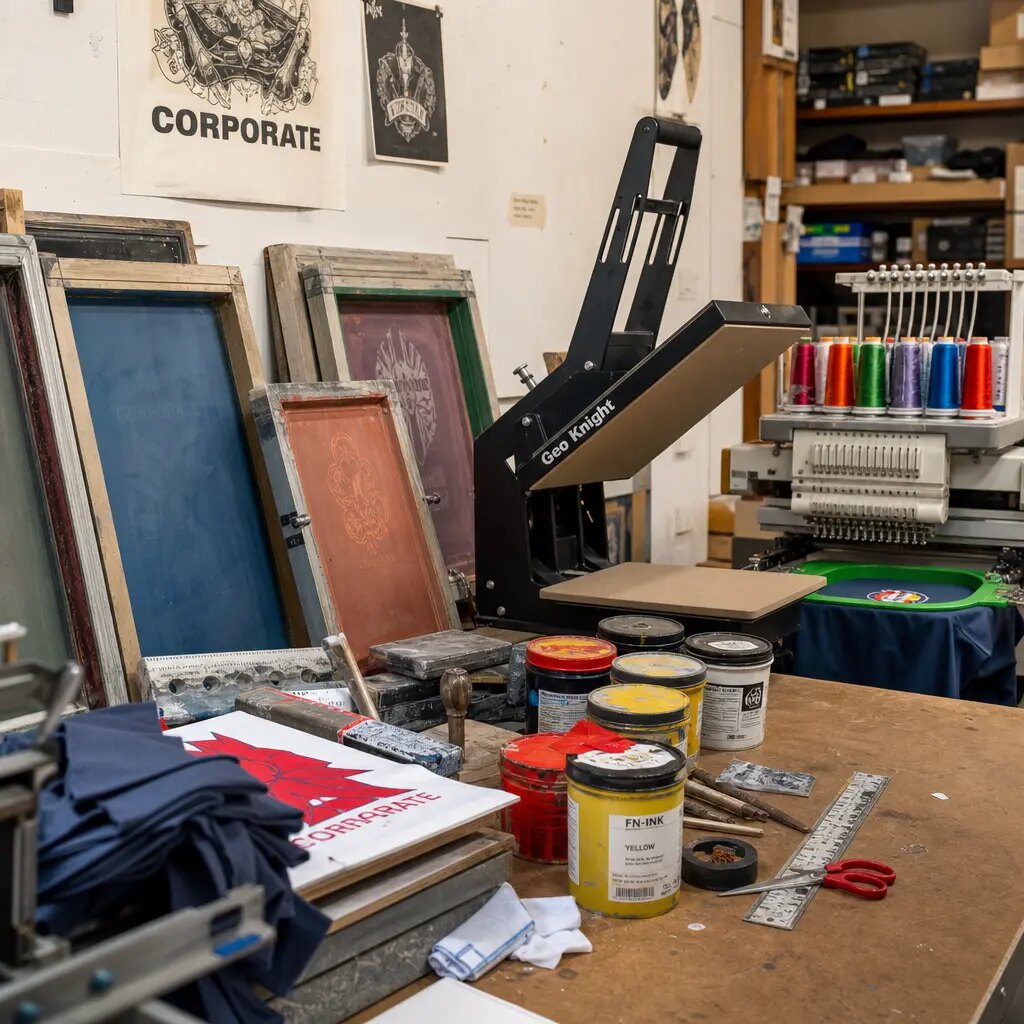
Start With the Buying Brief, Not the Inspection Form
Canvas messenger bags are not the same as a flat tote or a simple giveaway pouch. For a coffee roaster, the bag may be sold as retail merchandise, bundled with beans and brewing accessories, used for wholesale gifting, or handed out at events. Those use cases place different pressure on the product. A retail bag needs a clean first impression. A gift pack may need a more efficient carton layout. A staff bag may need better load handling and a stronger closure. The inspection checklist should follow the job the bag is meant to do.
That is why a canvas messenger bags quality inspection checklist for coffee roasters should begin in the RFQ. If the brief only says canvas messenger bag with logo, the factory can make assumptions about fabric weight, lining, hardware, strap width, print size, and packing. Final inspection might still find a decent product, but the buyer has already lost control of the comparison. Two quotes can look similar on paper while being materially different in hand.
Put commercial intent in writing before you talk about price. Once the factory knows whether the bag is a retail item, a gift-with-purchase, or a utility carry piece, it can quote the right construction and the right quality checkpoints. That makes the inspection standard easier to enforce later, because the agreed sample reflects the actual business use instead of a generic bag description.
- Name the selling channel, expected contents, and target price position before requesting quotes
- Keep the RFQ, approved sample, purchase order, and inspection checklist aligned to the same spec
- Define what counts as acceptable variation for fabric, print, trim, and packing before production starts
- Hold one sealed reference sample for fabric, shade, print, hardware, and fold method
Translate the Bag Into Measurable Specs
Messenger bag quotes only become comparable when the product is described in measurable terms. That means finished width, height, gusset depth, flap length, flap overlap, strap width, strap length range, pocket dimensions, zipper length, and closure position. The finished measurements matter more than the flat pattern because sewing tension, fabric thickness, seam allowance, and reinforcement all change the final size. A good spec sheet leaves less room for interpretation.
For coffee roasters, the bag usually needs to handle mixed contents: retail coffee pouches, brew cards, a notebook, a tumbler, filters, or a small accessory set. That does not call for luggage-grade engineering, but it does call for reinforcement at load points. A very heavy canvas body is not always the better answer. In many programs, a 14 oz to 16 oz body with a reinforced base and strong strap anchors performs better than an oversized shell that folds badly and raises freight cost.
A practical mid-sized messenger bag often sits around 34 to 38 cm wide, 27 to 30 cm high, and 8 to 10 cm deep, with a flap overlap of 4 to 6 cm after moderate filling. A 38 mm strap is a common width for daily carry. If the project is a lighter promotional piece, a 12 oz construction can work, but the buyer should call it out as a lighter build so the supplier does not quote against a heavier retail standard by mistake.
- Quote finished dimensions, not only pattern size or sample photos
- State how the factory should measure: bag laid flat, flap closed, gusset expanded, strap fully extended, or strap shortened
- Use realistic tolerances, such as +/-1 cm for body size and +/-0.5 cm for pockets, flap details, and strap width
- Define the intended load in plain terms, such as coffee pouches plus notebook and tumbler, instead of an unsupported load claim
Lock the Materials Before You Compare Price
Canvas weight is only one part of the material decision. Buyers also need fiber composition, weave, color reference, washing or coating status, shrinkage expectation, and the level of natural variation that is acceptable. Natural cotton canvas can show slubs, neps, seed flecks, and shade movement. For a craft coffee brand, that texture may be part of the look. For a cleaner retail brand, it may be outside the standard. The important thing is to approve the visual character instead of discovering it after the bulk order is cut.
Lining changes the quote and the inspection process more than many teams expect. An unlined bag can be a good choice when the design is meant to feel simple and honest, especially if the seams are bound neatly. A lined bag can feel more finished, support pockets, and help the bag look premium on shelf. But lining adds sewing steps, more inspection points, and more opportunities for twisting or trapped fabric. Buyers should not compare a lined and an unlined bag as though they are the same construction.
Webbing and hardware deserve the same discipline. Cotton webbing usually suits the look of a canvas bag, but it can vary in shade, edge finish, and fray behavior. Polyester webbing can be stronger and more colorfast, but it may look shinier than the rest of the bag. Hardware needs type, size, finish, and function requirements. A hidden magnet should include polarity control, backing, and placement tolerance. If that is not specified, flap alignment problems are almost guaranteed.
- Canvas: state oz and GSM, fiber content, finish, and tolerance for each panel if panels differ
- Lining: define whether the bag is unlined, cotton lined, polyester lined, or partially lined
- Webbing: specify width, composition, shade, weave, edge finish, and whether a substitute is allowed
- Hardware: define finish, size, corrosion expectation, magnet strength, zipper smoothness, and replacement approval rules
Match the Logo Method to the Artwork and Fabric
Most coffee roaster logos, roastery marks, and short slogans work well as screen print on canvas messenger bags. Screen print is practical for one-color and two-color artwork, and it can be matched to a Pantone target within a realistic textile range. The key step is to approve the print on the actual canvas, not just on paper. Paper proofs do not show how the fabric grain absorbs ink, how the flap curve affects placement, or how seams interfere with the artwork boundary.
The print standard should describe acceptable appearance, not just the color count. On natural canvas, a bit of grain show-through may be normal. Fine lines may soften slightly. Large solid areas may reveal texture. Those are acceptable only if they match the approved strike-off. Defects are more concrete: pinholes, ghosting, smearing, tackiness, under-cured ink, obvious registration error, cracking after normal fold testing, and placement drift that makes the logo look off-center or cramped.
Other logo methods can work when the artwork requires them. Heat transfer is useful for gradient-heavy or detailed graphics, but it may feel stiffer and can lift at the edges if the application is weak. Embroidery is durable for small marks, but it can pucker lighter canvas or add bulk near a seam. Woven patches and leather-like labels can look premium, but they add edge-finish, attachment, and rub-resistance checks. The best choice depends on the artwork, the target price, and the quality risk the buyer is willing to carry.
- Screen print: approve Pantone target, ink handfeel, grain show-through, cure, dry rub, placement, and line clarity
- Heat transfer: inspect adhesion, edge lift, cracking at fold points, stiffness, color, and press marks
- Embroidery: inspect puckering, thread shade, backing, density, loose threads, and distortion near flap edges
- Patch or label: inspect alignment, attachment stitching, edge finish, wording, material shade, and rub or colorfastness risk
Normalize Quotes So Unit Price Means Something
Two suppliers can quote the same product name and still offer very different bags. One quote may include 16 oz cotton canvas, lining, a zipper pocket, a magnet closure, cotton webbing, screen print, woven label, individual polybag, and export carton. Another may offer 12 oz canvas, no lining, no pocket, polyester webbing, snap closure, bulk packing, and no label. Unless the bill of materials is aligned, the unit price is not a useful comparison.
MOQ should be broken down in the same way. A standard body in common canvas and webbing colors may be available around 300 to 500 pieces per colorway, but custom dyeing, special hardware finishes, woven labels, multiple artwork versions, or dyed-to-match trims can change the actual minimum. A supplier might accept a smaller order and simply move the cost into screens, sample fees, trim surcharges, or packing charges. The order still gets made, but the procurement team has not actually controlled cost.
The better approach is to separate product cost from setup cost and packing cost. Ask for the body price, print setup, screen cost by color, embroidery digitizing if relevant, label cost, hangtag cost, barcode cost, polybag cost, carton cost, and the carton dimensions. That lets the team compare landed cost and repeat-order cost instead of arguing over a unit price that hides the real commercial structure.
- Ask each supplier to quote against the same spec sheet and mark exceptions line by line
- Separate MOQ by bag body, fabric color, webbing color, lining color, hardware finish, artwork, and packing style
- Request setup costs for screens, embroidery digitizing, patches, labels, hangtags, barcodes, and sample making
- Compare carton cube, pieces per carton, and gross weight because freight can change the landed decision
Approve Samples as Production Standards
A sample is not just a preview. It is the physical contract for what the buyer expects in bulk. For this product, procurement should inspect the sample outside, inside, under the flap, at the strap anchors, around the pockets, and after the bag is packed with realistic contents. The sample should confirm fabric weight and shade, logo appearance, hardware function, pocket layout, strap adjustment, stitching, reinforcement, labels, odor, and the fold method used for packing.
The sample should be loaded before approval. Use the sort of items a customer would actually carry: one or two coffee pouches, a tumbler, a notebook, brew cards, and a small accessory. Check whether the flap still closes cleanly, whether the magnet or snap aligns, whether the strap anchors distort, whether the base sags, and whether the pockets remain usable. A bag that looks good empty can fail the moment it is packed the way the customer will use it.
Repacking matters just as much. Canvas messenger bags can develop hard flap creases, strap imprints, or hardware pressure marks if folded too tightly. The buyer should approve how the strap is placed, whether tissue protects the print, where the barcode sits, how the bag fits into the polybag, and how many pieces go into a carton. The packed sample should match the channel, whether retail, wholesale, or e-commerce.
- Measure the sample after it rests flat: width, height, gusset, flap length, flap overlap, pocket size, strap width, and strap length
- Open the construction: inspect seam binding, lining attachment, closure backing, pocket corners, reinforcement, labels, and thread tension
- Load the bag with realistic merchandise and check flap alignment, closure function, strap stress, pocket access, and base shape
- Approve the packed sample including folding, strap placement, tissue, polybag, barcode, carton count, carton dimensions, and carton marks
Inspect the Defects That Actually Hurt Sales
A final inspection checklist should be written in commercial language. The question is not whether a stitch looks perfect under a microscope. The question is whether the bag will create a customer complaint, a warehouse rework, or a brand presentation problem. The checklist should cover appearance, dimensions, construction, function, odor, and packing, with the sealed sample as the visual reference.
Defect classification keeps the inspection objective. Critical defects include wrong artwork, mold, unsafe sharp hardware, missing closure, missing reinforcement at required load points, severe odor, or a product that is plainly not what was ordered. Major defects include visible stains, off-center logos, nonfunctional zippers or magnets, skipped stitches at strap anchors, wrong pocket placement, severe flap twist, and packing that damages the print. Minor defects are things like a few thread ends, light lint, mild fold marks, or normal texture variation that still fits the approved sample.
Soft goods need tolerances that are realistic and pre-agreed. A practical starting point is +/-1 cm for overall width, height, and gusset; +/-0.5 cm for pockets, flap details, and strap width; and a tighter placement standard for centered artwork when the factory uses a fixture. The point is not to force impossible precision. The point is to prevent a dispute by defining acceptable variation before bulk production begins.
- Appearance: stains, shade mismatch, dirty webbing, crooked flap, loose threads, frayed edges, and visible logo drift
- Dimensions: body size, gusset, flap overlap, pocket size, strap width, strap length, zipper length, and closure position
- Construction: strap anchors, bartacks, seam binding, pocket corners, lining attachment, reinforcement, and stitch density
- Function: closure alignment, magnet hold, snap action, zipper smoothness, slider adjustment, strap slippage, and loaded hang behavior
Watch the Steps That Are Hard to Fix Later
Some bag defects are inexpensive to catch early and expensive to fix late. Print placement is one of them. If the flap is printed before assembly, the factory has to control panel orientation, cutting accuracy, seam allowance, and sewing position. If the print is applied after assembly, the fixture has to hold the flap consistently. A centered logo can still look wrong if it drifts only slightly on a simple front panel. On a clean canvas bag, small errors are obvious.
Flap shape is another high-risk area. The flap is affected by grain direction, lining tension, reinforcement, stitching, magnet placement, and pressing. If the flap curls, twists, or pulls diagonally, the bag looks cheaper even when the material itself is correct. First-piece approval is where the buyer should stop the line if the shape is wrong. Once the full bulk is sewn, the same mistake becomes a carton-level problem.
Strap anchor construction often hides the most important detail. The outside may show a neat box-x stitch while the reinforcement inside is undersized or missing. That is why buyers should ask for in-line photos before the area is closed by lining or binding. New suppliers and new constructions deserve that attention. It is easier to reject an exposed anchor than to discover a weak one after the interior is finished.
- Request first printed panel photos before the full print run continues
- Check first sewn units for flap symmetry, closure alignment, logo position, gusset shape, and pocket location
- Inspect strap anchor reinforcement before lining, binding, or turning hides the construction
- Document approved stitch pattern, reinforcement size, stitch density, thread color, and back-tacking in the production file
Treat Packing as Part of Product Quality
Packing affects appearance, freight cost, and warehouse labor. A canvas messenger bag folded too tightly can arrive with a permanent flap crease, a strap imprint, or a hardware mark across the logo. A bag packed too loosely can protect the shape but inflate carton cube and landed cost. The buyer should review the packing method before order confirmation, not after the factory has already started bulk packing.
The channel should decide the packing spec. Retail and e-commerce programs may need individual polybags, barcode labels, hangtags, inserts, neat folding, and a predictable orientation. Wholesale cartons may prioritize strength, count accuracy, and efficient cube. Store-display programs may care about how the product looks when staff open the carton. Each of those uses should be reflected in the quote and in the inspection checklist.
Carton details also need actual numbers, not general promises. Confirm pieces per carton, carton dimensions, gross and net weight, inner packing, carton mark content, item code, color, destination, carton number, and barcode requirements. If the buyer has requirements for suffocation warnings, recycled packaging claims, plastic-free packing, or retailer-specific labels, those need to be approved before packing starts. Carton relabeling is avoidable when the packing file is treated as part of the product spec.
- Common carton range: 10 to 20 pieces per export carton, depending on bag size, reinforcement, and individual packing
- Protect the print with approved fold direction, strap placement, tissue if needed, and no direct hardware pressure on logo areas
- Keep gross weight manageable for warehouse handling and confirm carton strength for export movement
- Inspect carton count, inner quantity, barcode accuracy, carton marks, carton condition, and approved folding method
Build Lead Time Around Approvals and Recovery
Canvas messenger bags are not complicated in the way a molded product is complicated, but lead time still slips when approvals are loose. The common delay points are fabric confirmation, color matching, webbing sourcing, hardware finish, print strike-off, label artwork, carton marks, and packing approval. If the factory starts cutting or printing before these items are locked, the order may look faster early and then lose time in rework later.
A workable timeline separates development sample, strike-off, pre-production sample, material booking, cutting, printing, sewing, finishing, final inspection, packing, and shipment. A development sample often needs about 5 to 10 working days when trims are available. A pre-production sample after all details are locked may need about 5 to 7 working days. Bulk production commonly falls somewhere around 25 to 40 days after final approval, depending on quantity, material availability, and factory capacity. Those are planning ranges, not guarantees.
Inspection recovery should be planned before shipment. Small fixes such as thread trimming, cleaning, relabeling, or packing correction can often be handled quickly. Wrong fabric, wrong artwork, missing reinforcement, weak strap construction, or incorrect pocket layout can require replacement production or a commercial decision. In-line checks reduce the chance that final inspection becomes the first moment the buyer sees a serious defect.
- Lock artwork, Pantones, print size, print position, labels, and carton marks before screens and bulk packing begin
- Schedule in-line checks after first printed panels and first sewn units, especially for new factories or new constructions
- Leave time after final inspection for realistic rework on threads, packing, carton labels, cleaning, or minor hardware replacement
- Treat wrong material, wrong construction, wrong artwork, missing reinforcement, mold, and severe odor as high-risk findings
Specification comparison for buyers
| Spec decision | Recommended option | When it fits | Buyer risk to check |
|---|---|---|---|
| Canvas weight | 14 oz to 16 oz canvas, about 475 to 540 GSM, with a declared tolerance such as +/-5% if lab tested | Retail merchandise, gift sets, event kits, and daily-carry bags that need visible structure without becoming too bulky | Factories may quote a heavy flap but lighter body or pocket panels; require panel-by-panel GSM, fabric source, and written approval for substitutions |
| Fiber content | 100% cotton canvas or a cotton-rich recycled blend with the exact ratio declared, such as 80% cotton / 20% recycled cotton | Coffee brands that want a natural handfeel, matte print surface, and a material story aligned with craft retail | Recycled and blended claims can be loose; request composition documentation, shade-lot control, and repeat-order material rules |
| Finished dimensions | About 34 to 38 cm W x 27 to 30 cm H x 8 to 10 cm gusset, with flap overlap of 4 to 6 cm after moderate filling | A practical size for coffee pouches, brew cards, notebooks, tumblers, small accessories, and retail gifting | Flat pattern size is not enough; confirm finished measurements, measuring method, and tolerance after the bag is sewn and rested flat |
| Inner structure | Unlined with bound seams for simpler programs; cotton/poly lining with zipper pocket for premium retail; base-only 1.5 to 2 mm reinforcement if needed | Use lining when the bag will be sold as a higher-value accessory; use base reinforcement when contents need more shape support | Full foam or board can distort flap shape, increase carton cube, and make print creasing worse; approve a cut-section photo or construction sample |
| Closure style | Flap with hidden magnet, snap, or buckle; magnet diameter, strength, and backing method declared | Roaster shops and gifting programs where fast access and clean front branding matter | Weak magnets, reversed polarity, poor backing, or off-center closures create visible flap twist and customer complaints |
| Strap material | 38 mm cotton webbing or cotton-look polyester webbing with box-x stitching and internal reinforcement at anchors | 38 mm is a practical width for midweight merchandise loads and gives enough comfort for daily carry | Polyester may be stronger but can look shinier; cotton may fray or vary in shade; inspect edge finish, slippage, colorfastness, and shade match |
| Logo method | Pantone-matched screen print for simple marks; embroidery, patch, heat transfer, or digital print only when artwork demands it | Most coffee roaster logos, badges, and short slogans work best as one-color or two-color screen prints on the flap or pocket | Large ink areas can crack if cure is weak; fine lines can fill in; require strike-off approval, placement tolerance, dry-rub check, and agreed grain show-through standard |
| MOQ structure | 300 to 500 pcs per colorway for a standard body is common; quote artwork splits separately | Good for roasters testing seasonal merchandise while keeping one core construction | Low MOQ can hide setup charges in screens, sample fees, labels, trim surcharges, and packing; compare landed order value, not unit price alone |
| Pocket layout | One inner zipper pocket 16 to 20 cm wide plus one slip pocket, or a clean unlined interior for budget programs | Retail bags where customers carry wallet, phone, brew notebook, filters, cupping cards, or small coffee tools | Pocket details are often omitted; require pocket width/height, zipper length, seam finish, location from top edge, and corner reinforcement |
Buyer checklist before sampling
- Define the commercial use before requesting a quote: roastery retail shelf, wholesale gift pack, subscription add-on, event kit, staff field bag, or corporate gifting. Load, finish level, packing, and defect tolerance change by use.
- State finished canvas weight in oz and GSM for body, flap, gusset, pocket, and reinforcement panels. Avoid terms such as heavy canvas unless they are paired with a measurable spec and tolerance.
- Confirm fiber composition, fabric color reference, wash or coating status, shrinkage expectation, and whether cotton neps, slubs, seed flecks, and shade variation are acceptable within the approved standard.
- List finished width, height, gusset depth, flap length, flap overlap after filling, strap width, maximum strap length, pocket dimensions, zipper length, and strap anchor position. Do not rely on a single flat body size.
- Specify construction clearly: unlined with bound seams, lined interior, zipper pocket, slip pocket, base reinforcement, flap reinforcement, seam binding, label position, and closure backing.
- Attach vector artwork with Pantone references, print dimensions, artwork placement from fixed edges, color count, method, and tolerance. For a centered flap logo, state allowable drift such as +/-3 mm from the approved position if realistic for the design.
- Require a strike-off or production-panel sample before bulk printing when artwork has fine lines, large solids, curved text, tight registration, or placement near a flap edge, seam, magnet, or pocket.
- Approve a pre-production sample made with bulk-intent fabric, webbing, hardware, print method, label, lining, closure, reinforcement, and packing. Keep one sealed sample for final inspection reference.
- Set stress-point requirements: box-x stitching at strap anchors, bartacks at pocket corners, secure back-tacking, balanced stitch tension, no skipped stitches at load points, and no seam grin under normal handling.
- Define hardware by type, size, finish, and function: matte black, antique brass, nickel, gunmetal, or custom finish; check burr-free edges, magnet alignment, zipper smoothness, adjuster slippage, and corrosion expectation for humid storage regions.
Factory quote questions to send
- What is the finished fabric specification in GSM and oz for the body, flap, gusset, pocket, lining, and reinforcement panels? What tolerance do you control in bulk?
- Is the canvas natural, yarn dyed, piece dyed, washed, enzyme washed, coated, water-repellent treated, or uncoated? How will that affect shrinkage, shade variation, odor, print adhesion, and bulk-to-sample matching?
- What fiber composition is quoted, and will the same mill or fabric source be used for repeat production? If recycled content is offered, what documentation can be provided without delaying the order?
- Does the unit price include lining, bound internal seams, zipper pocket, slip pocket, zipper pull, magnet or snap closure, base reinforcement, adjustable strap hardware, woven label, care label, hangtag, polybag, and export carton?
- What print method is included, what is the maximum print area, how many colors or screens are included, and what additional charges apply for extra artwork versions, screens, Pantone matching, or strike-offs?
- Can you provide close photos of strap anchor reinforcement, internal seam binding, closure backing, pocket corners, zipper installation, and finished packed cartons from similar canvas messenger bag production?
- What are the sample stages and lead times for development sample, print strike-off, pre-production sample, bulk material booking, cutting, printing, sewing, final inspection, packing, and rework if defects are found?
- What is the MOQ by canvas color, webbing color, lining color, hardware finish, and artwork? If one order is split across two coffee roaster designs, which setup fees, label fees, packing fees, or MOQ rules change?
- How many pieces fit per export carton, what are the carton dimensions and gross weight, and how does the carton cube change if bags are individually polybagged, tissue-protected, stuffed, or hangtagged?
- What internal inspection standard do you use? Can your team share in-line photos after first print panels, first sewn units, and before lining or binding hides the strap anchor construction?
Quality-control points to confirm
- Finished canvas weight should match the approved material within the agreed tolerance. If lab testing is not arranged, compare panel weight from a same-size cut piece, thickness, handfeel, weave, and color against the sealed sample.
- Overall width, height, gusset, flap length, strap width, strap length, pocket size, and zipper length should remain within agreed tolerances, commonly +/-1 cm for large soft-goods dimensions and +/-0.5 cm for smaller construction features.
- The flap should sit centered when closed, with even overlap, no obvious twist, no severe curling, and no diagonal pull after the bag is moderately filled with realistic coffee merchandise.
- Print placement should match the approved artwork position from fixed reference edges. Centered flap logos should not drift visibly toward seams, magnets, pocket edges, or flap corners.
- Ink coverage should match the strike-off standard, with no severe pinholes, ghosting, smearing, tackiness, dye migration, obvious registration error, or cracking after a light dry rub and fold observation appropriate to the print method.
- Webbing width, shade, thickness, weave, and handfeel should match the approved sample. Strap adjustment should move smoothly while resisting excessive slippage under normal carry.
- Strap anchor points must show approved box-x stitching, bartacks, or reinforcement pattern with no missed reinforcement pieces, loose back-tacking, skipped stitches, seam grin, or fabric tearing under a realistic load check.
- Magnets, snaps, buckles, zippers, sliders, D-rings, and adjusters must function consistently across sampled units. Hardware should not be sharp, reversed, loose, noisy beyond the approved sample, rusted, or visibly mismatched in finish.
- Internal seams should be neat and secure, with bound or hidden raw edges where specified. Lining should not be twisted, caught in zippers, loose at corners, or visibly shorter than the outer body.
- Pockets should be in the approved location and size, with secure corners, clean seam finish, and zipper operation that does not catch lining fabric or require excessive force.