Start With the Distribution Route
A carton packing plan for canvas messenger bags should be built before the purchase order is released. For nonprofit campaigns, the bags rarely move in a neat factory-to-store path. They may go from the sewing factory to an export forwarder, then to an importer warehouse, nonprofit headquarters, a 3PL, regional chapters, volunteer pickup sites, schools, conference venues, or donor fulfillment centers. Every handoff makes carton count, label clarity, pallet stability, and carton weight more important.
Start with the job the bag must perform. A volunteer field bag may carry literature, a small tablet, a bottle, a clipboard, pens, and personal items for several hours. A donor appreciation bag needs a clean front flap and reliable logo placement because the bag becomes part of the organization’s public image. A conference handout bag may need fast unpacking and cartons that fit a temporary storage room. A retail fundraising bag may need hangtags, barcodes, and tighter cosmetic inspection.
Put the route, in-hands date, delivery points, carton handling limits, and receiving rules into the RFQ. If volunteers will lift cartons, a maximum gross weight of 15-18 kg is often easier to handle than heavy master cartons. If a 3PL receives the goods, share label templates, barcode rules, pallet limits, and ASN requirements before packing starts. If the goods ship straight to an event, wrong-logo cartons, dirty bags, or crushed packaging become public problems quickly.
- For volunteer field use, prioritize 12-14 oz canvas, 3.2-3.8 cm straps, bartacked load points, darker colors, and durable sliders.
- For donor gifts, prioritize clean flap presentation, low stain tolerance, accurate logo placement, and consistent folding.
- For regional campaign kits, prioritize exact carton quantity, version-specific labels, and identical carton dimensions across regions.
- For conference handouts, prioritize quick unpacking, moderate carton weight, and simple stock-color construction.
- For retail fundraising, prioritize barcode or hangtag options, stricter appearance QC, carton cleanliness, and receiving compliance.
Turn the Use Case Into Specs
A useful B2B brief should not stop at canvas messenger bag with logo. It should describe the finished size, expected contents, carrying method, use duration, logo location, packing method, and tolerance level. Nonprofit campaign bags may hold brochures, pledge cards, membership forms, event programs, stickers, T-shirts, reusable bottles, clipboards, tablets, sponsor inserts, or boxed donor kits. Those contents drive internal dimensions, gusset depth, strap strength, closure choice, and carton volume.
A practical campaign messenger bag often sits around 34-38 cm wide and 28-32 cm high with a 6-8 cm bottom gusset. That range usually holds letter-size or A4 materials while still folding efficiently into export cartons. If the bag must hold a tablet, binder, bottle, or boxed kit, send the item dimensions and target loaded weight to the factory. Finished usable space matters more than flat panel size because seams, folded gussets, flap overlap, and lining all reduce capacity.
Be careful with features that look good in a mockup but slow production or add bulk. Front pockets, zippers, lining, magnetic snaps, buckles, contrast piping, padded sleeves, and custom hardware can raise perceived value. They also add material, labor, sampling time, inspection points, and carton volume. For time-sensitive campaigns or orders split across chapter logos, a clean base construction with good canvas, reinforced strap points, and controlled printing is often the safer buy.
- State finished dimensions after sewing, not cut-panel dimensions or photo-based estimates.
- Define required contents, including document size, tablet size, bottle diameter, or kit box dimensions.
- Set flap length so the logo stays visible and does not sit on a heavy fold line, edge seam, or closure point.
- Use a 6-8 cm gusset for many campaign programs; specify deeper gussets only when contents require the volume.
- Confirm whether closure is needed because snaps, hook-and-loop tape, buckles, and zippers affect cost and inspection.
- Limit optional pockets when low CBM, faster production, and easier QC matter more than feature count.
Specify Canvas Weight Clearly
Canvas weight changes more than handfeel. It affects material cost, sewing speed, needle selection, seam bulk, folded thickness, carton gross weight, CBM, and freight mode. A lower unit price may simply mean lighter fabric, narrower webbing, weaker hardware, or fewer packing controls. Ask suppliers to quote both ounces and GSM so each proposal is based on the same material class.
For many canvas messenger bags for nonprofit campaigns, 12 oz cotton canvas at about 380-410 GSM is a practical starting point. It gives more body than light tote fabric without the bulk of 16 oz canvas. A 10 oz fabric can work for short-term conference bags carrying paper materials. A 14 oz fabric may suit field teams carrying tablets, bottles, and repeated loads. Choose 16 oz deliberately; it brings a rugged feel, but it also increases folded bulk, carton weight, sewing effort, and freight exposure.
Natural cotton canvas is popular because it looks familiar and works with many nonprofit identities. It may also show seed flecks, yarn slubs, and shade variation. Approve those as normal natural-material characteristics, or reject them with clear limits before production. Dyed canvas gives better color direction, but it requires lab dips, bulk shade approval, and often higher MOQ. Dark colors hide handling marks, yet light logos may need higher-opacity inks or an underbase.
- 8 oz canvas is economical but usually too soft for loaded messenger bags and may collapse under documents and bottles.
- 10 oz canvas suits light event handouts, short campaigns, and cost-sensitive programs with limited load.
- 12 oz canvas is the balanced default for donor merchandise, field materials, and regional campaign bags.
- 14 oz canvas improves durability for repeated field use but increases unit weight and carton gross weight.
- 16 oz canvas creates a rugged premium feel but should be checked against freight budget and warehouse handling limits.
- Set fabric weight tolerance in writing, such as +/-5%, and approve the production swatch before bulk cutting.
Control Logo Method and Position
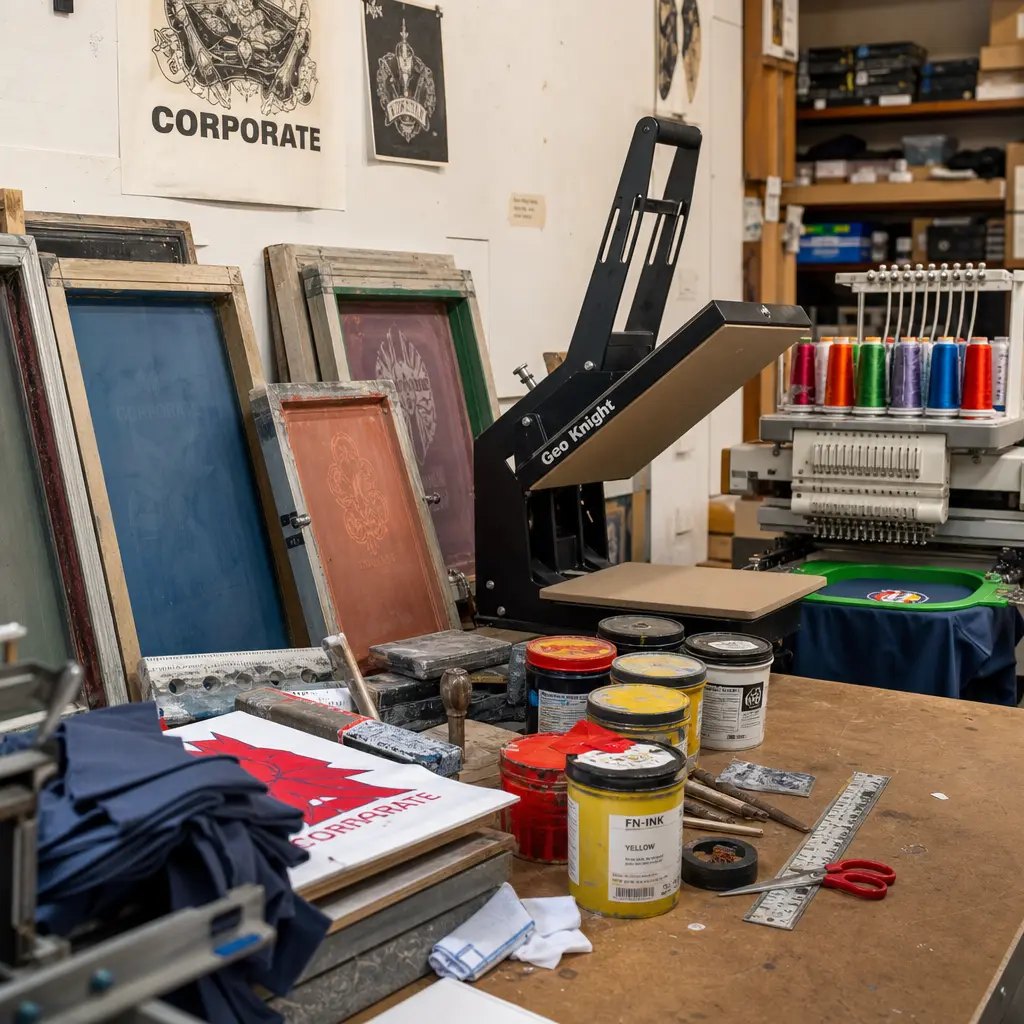
Nonprofit campaign bags carry public-facing messages, so print quality is a procurement risk as much as a design concern. Most campaign logos, slogans, sponsor marks, event dates, and awareness messages work well with screen printing because they use solid colors and repeat across many units. Screen printing is usually practical for one to three flat colors on canvas, but the factory needs vector artwork, Pantone references, print size, placement references, and color count before it can price correctly.
Heat transfer may help with gradients, photographic artwork, complex multicolor designs, or fine detail. Review it on the actual canvas flap, not on a smooth substitute fabric. Messenger bag flaps are folded into cartons and opened repeatedly, so approve fold behavior and rub performance before mass production. Embroidery can look premium for staff gifts or retail fundraising, but it may pucker lighter canvas and add backing on the flap.
Placement should be measured from fixed points. Visual centering on soft canvas is not precise enough because the flap can shift during sewing, pressing, folding, and packing. The RFQ should state distance from the flap edge, seam, or top opening, then the PO should state the placement tolerance. For many campaign logos, +/-5 mm to +/-10 mm is realistic depending on artwork size, fabric movement, and seam location. Give printed panels enough cure time before folding and sealing cartons.
- Use screen print for one to three solid nonprofit colors, slogans, sponsor logos, and repeat campaign artwork.
- Use heat transfer only when the artwork requires it, then approve handfeel, fold resistance, and rub performance.
- Keep artwork away from heavy fold lines unless the pre-production sample proves the ink or transfer will not crack.
- Measure placement from a flap edge, seam, or top opening rather than from an estimated visual center.
- Define color standard, print size, registration tolerance, edge sharpness, and acceptable ink coverage.
- Require curing before folding and carton packing to reduce ink transfer, blocking, and smudging inside cartons.
Plan MOQ by Version
MOQ is not controlled only by the sewing line. It can come from fabric sourcing, dyeing, strap webbing, sliders, labels, print screens, cutting efficiency, carton labels, and packing complexity. A 300-piece order with custom dyed canvas, custom strap color, metal adjusters, woven labels, hangtags, and five chapter logos is not a simple low-MOQ project. Each component may carry its own minimum, setup charge, or lead time.
The cleanest nonprofit campaign cost structure usually uses stock natural, black, navy, or another common canvas color, standard webbing, common sliders, and one national artwork. If chapters need different logos, keep the base bag identical and change only the print. Quote total order quantity and quantity per artwork version separately. A 3,000-piece order with one logo is a different production job from 3,000 pieces split across 15 logos of 200 pieces each.
Version control belongs in the MOQ discussion, not at the end of packing. Different logos must stay separated during artwork approval, screen making, printing, QC, carton labeling, packing list creation, and pallet loading. One unclear file name can send the wrong bag to the wrong chapter. Use artwork codes, final version names, carton labels, and packing lists that match exactly.
- Use stock canvas colors when schedule, MOQ, and cost are tight.
- Treat custom dyed canvas as a separate MOQ item with lab dip approval and bulk shade tolerance.
- Quote total order quantity and quantity per print version because screen setup and packing labor change by split.
- Confirm minimums for strap webbing, sliders, labels, hangtags, barcodes, and individual polybags.
- Ask whether multiple logos can share one base bag production run with separated print and packing stages.
- Expect small custom-component orders to carry surcharges, longer sampling, or limited supplier options.
Build Carton Rules Into the RFQ
Carton packing is part of the product specification. It affects freight cost, warehouse safety, pallet stability, print protection, damage risk, and receiving speed. A supplier that quotes more pieces per carton may look cheaper because carton count is lower. The same cartons may be too heavy, bulge after sealing, crush during stacking, or fail receiving requirements at a fulfillment center.
For many 12 oz canvas messenger bags, 40-60 pieces per 5-ply export carton is a workable starting range. The right number depends on finished dimensions, gusset depth, flap stiffness, strap hardware, fold thickness, individual polybag use, and the buyer’s gross weight limit. Require carton dimensions, gross weight, net weight, CBM per carton, total carton count, and total CBM for each order quantity. CBM per carton is length x width x height in meters; total CBM is carton CBM multiplied by carton count.
The fold method should be photographed and approved. The strap should be tucked or folded the same way in every carton so hardware does not create pressure marks. The printed flap needs protection from abrasion and hard creases. Cartons should close squarely without bulging. If the campaign wants to reduce plastic, state whether individual polybags are prohibited, optional, or required only for retail units.
- Define pieces per carton instead of accepting a factory default at the end of production.
- Set a carton gross weight maximum, often 15-18 kg for manual handling unless the buyer approves otherwise.
- Require carton dimensions, gross weight, net weight, CBM per carton, total cartons, and total estimated CBM in every quote.
- Specify 5-ply export cartons or another approved board grade suitable for ocean freight and repeated handling.
- Approve the fold method, strap position, flap protection, and no-polybag or polybag requirement.
- Reject overfilled cartons that bulge, crush corners, abrade prints, or create unstable pallet stacks.
Define Labels and Pallets
Carton labels are a distribution control point. Campaign goods may be sorted by region, chapter, event date, donor tier, language, sponsor, or artwork version. If cartons show only a generic item name, warehouse teams may need to open, count, sort, and relabel goods. That adds labor, slows receiving, and creates room for mistakes.
A strong carton label includes buyer name, PO number, style code, campaign name, bag color, artwork version, quantity per carton, carton sequence, gross weight, net weight, carton dimensions, country of origin, and any barcode required by the receiver. If a 3PL will receive the goods, share the exact label template before bulk packing starts. Some facilities require labels on two adjacent carton faces, maximum carton weight, pallet height limits, mixed-SKU restrictions, or ASN data before delivery.
Pallet rules should also be agreed early. Loose-loaded cartons can sometimes reduce freight cost, but they usually increase handling time and damage exposure. Palletized shipments may need compliant pallets, stretch wrap, corner boards, pallet labels, and height limits. If cartons will later be broken down for regional distribution, consistent carton dimensions and clear numbering make repacking faster.
- Use version-specific carton labels for different chapter logos, language versions, campaign dates, or colorways.
- Include PO number, style code, artwork code, quantity, gross weight, net weight, carton size, and carton sequence.
- Confirm whether the receiving warehouse requires barcodes, ASN data, pallet labels, or labels on two carton sides.
- Define pallet type, pallet height, stretch wrap, corner protection, and mixed-version pallet rules before packing.
- Keep artwork codes identical across files, purchase order, factory worksheet, carton labels, and packing list.
- Request photos of packed cartons, labels, and pallet loading before shipment release for first-time suppliers.
Approve Samples as Used and Packed
A pre-production sample is not complete if it is reviewed only as a flat product photo. Evaluate the canvas messenger bag the way it will be used and shipped: loaded with expected contents, worn on the shoulder, adjusted to different strap lengths, folded according to the carton plan, and measured against the approved spec sheet. Campaign bags are often unpacked quickly at events, with no time to steam, reshape, sort, or relabel them.
The sample should use final canvas GSM, final color, final strap width, final slider, final reinforcement, final print method, final label, and proposed fold method. A substitute sample can help early design discussion, but it should not release bulk cutting or printing. If the factory must move forward before every component is final, list each open item and approve the risk in writing.
Keep one sealed approval sample at the factory and one with the buyer, importer, or inspection agency. The sample tag should show date, PO number, fabric weight, color standard, print version, approved tolerances, and any accepted deviations. During inspection, the team needs the same reference for handfeel, stitching, hardware, print position, fold method, and overall appearance.
- Load the sample with campaign contents and check shape, flap coverage, strap comfort, and closure behavior.
- Measure width, height, gusset depth, flap length, strap width, strap drop, and adjustable range against the spec sheet.
- Fold the sample using the carton method and inspect flap creasing, strap pressure points, hardware marks, and packed thickness.
- Rub the printed area after curing and check ink transfer, cracking, poor opacity, edge bleeding, or print lift.
- Photograph the approved fold, carton arrangement, label format, and pallet orientation for factory packing instructions.
- Do not release mass cutting when the sample uses substitute fabric, substitute hardware, or non-final printing unless the buyer accepts it in writing.
Compare Quotes by Landed Cost
A unit price does not show the real cost of canvas messenger bags for nonprofit campaigns. Two quotes may both say 12 oz canvas messenger bag, yet differ in actual GSM, yarn density, strap width, slider material, reinforcement, print method, artwork splits, carton grade, pieces per carton, total CBM, setup charges, and inspection support. Normalize each quote before choosing a supplier.
Ask suppliers to quote the same quantity tiers, such as 500, 1,000, 3,000, and 5,000 pieces, using the same fabric weight, finished size, artwork assumptions, strap, hardware, and carton plan. Separate the unit price from pre-production sample cost, screen charge, lab dip cost, label cost, hangtag cost, barcode label cost, carton upgrade cost, inland freight, courier, and inspection support. This makes hidden cost easier to see.
Put freight and schedule data beside the product price. A cheaper bag may become more expensive if cartons are larger, gross weight is higher, or production misses the campaign date and forces air freight. Export port, Incoterms, carton CBM, total gross weight, payment terms, and lead time after approval all affect landed cost and risk. Treat a quote using lighter fabric or weaker cartons as a different product, not as a simple discount.
- Request unit price by quantity tier using identical fabric, strap, hardware, print, label, and packing assumptions.
- Itemize sample, screen, lab dip, courier, artwork adjustment, label, hangtag, barcode, and carton upgrade charges.
- Require carton count, carton size, gross weight, net weight, CBM per carton, total CBM, and total gross weight.
- Confirm Incoterms, export port, inland trucking responsibility, payment terms, and excluded destination charges.
- Compare lead time after deposit, artwork approval, lab dip approval, and pre-production sample approval.
- Flag quotes that omit QC criteria, final packing data, carton strength, or version-control procedures.
Set QC Before Production
Quality control should be written before production starts. Nonprofit campaign goods are public-facing and time-sensitive. A crooked logo, dirty flap, broken strap, wrong chapter name, or mildew odor can undermine the campaign experience even if the unit price looked attractive. The PO should define critical, major, and minor defects, inspection timing, measurement tolerances, and the process for rework or replacement.
Many buyers use general inspection levels and AQL limits, such as critical 0, major 2.5, and minor 4.0, but the exact plan should be agreed in the purchase order and matched to order risk. Critical defects may include wrong artwork, unsafe sharp hardware, mildew, severe contamination, or mixed campaign versions. Major defects may include broken stitches at strap points, poor print adhesion, incorrect dimensions outside tolerance, stains on visible areas, or nonfunctioning sliders. Minor defects may include small loose threads, slight surface slubs within the approved natural canvas standard, or small trimming issues that do not affect use.
Inspection should cover the bag and the packing. Product checks include fabric weight, dimensions, print placement, print rub, seam strength, strap pull, hardware function, odor, moisture, and cleanliness. Packing checks include fold method, strap position, pieces per carton, carton labels, carton strength, carton gross weight, mixed-version separation, and pallet condition. If inspection happens only after cartons are sealed, rework becomes slower and more expensive.
- Define critical, major, and minor defects in the PO instead of relying on generic factory judgment.
- Use agreed AQL levels if applicable, and state automatic rejection items such as wrong logo, mildew, unsafe hardware, or mixed versions.
- Check dimensions after sewing and use written tolerances for width, height, gusset, flap length, strap width, and strap range.
- Run practical checks for print rub, fold resistance, strap pull, slider slip, seam security, odor, and visible stains.
- Inspect carton quantity, label accuracy, carton gross weight, carton condition, and pallet separation by artwork version.
- Book inspection before the final vessel cutoff so rework, relabeling, or repacking can happen without missing the campaign date.
Specification comparison for buyers
| Procurement decision | Recommended specification | Best fit for nonprofit campaigns | Risk to confirm before PO |
|---|---|---|---|
| Canvas weight and tolerance | 12 oz cotton canvas, typically about 380-410 GSM; define fabric weight tolerance such as +/-5% if both parties agree | Balanced option for volunteer bags, donor gifts, conference kits, school programs, and regional campaign distribution | A quote based on 8-10 oz canvas is a different product; higher GSM increases unit weight, folded thickness, carton gross weight, CBM, and sewing time |
| Finished bag size | Example working size: 36 W x 30 H x 7 cm gusset; confirm finished tolerance, commonly +/-1 cm on width and height and +/-0.5 cm on gusset | Fits letter-size or A4 documents, pledge cards, tablets, brochures, and light event materials without excessive carton volume | Panel dimensions before sewing are not usable internal dimensions; deep gussets and added pockets can raise freight cost |
| Strap and reinforcement | 3.2-3.8 cm webbing strap, adjustable range stated in cm, bartack or box-X stitch at load points; hardware material named | Useful for volunteers carrying literature, tablets, bottles, and personal items across events or field outreach | Narrow straps, slipping sliders, weak bartacks, sharp hardware edges, and mixed hardware finishes create field-use complaints |
| Logo method and placement | Screen print for 1-3 solid colors; placement measured from fixed flap edge or seam; suggested placement tolerance +/-5 mm to +/-10 mm depending on artwork size | Works for most nonprofit logos, sponsor marks, slogans, and campaign dates with repeatable cost | Poor ink cure, print offset after folding, weak opacity on dark canvas, or logo placement based only on visual centering |
| Color and shade control | Natural, black, navy, or stock dyed canvas for fastest sourcing; custom dyed canvas requires lab dip, bulk shade approval, and written tolerance | Natural canvas supports simple campaign branding; dark colors hide handling marks during volunteer distribution | Seed flecks and slubs on natural cotton may be normal; custom dye can increase MOQ, lead time, and batch-to-batch variation |
| Carton pack quantity | 40-60 pcs per 5-ply export carton for many 12 oz messenger bags; final quantity depends on size, gusset, strap hardware, folding, and polybag use | Keeps cartons countable and manageable for nonprofit HQ, 3PL receiving, chapters, and event teams | Overpacking causes bulging cartons, crushed flap corners, print abrasion, heavy cartons, unstable pallets, and receiving rejection |
| Carton weight target | Set a maximum gross weight in the RFQ, often 15-18 kg for manual handling unless the buyer approves heavier cartons | Helps warehouses, volunteers, and regional offices move cartons without special handling equipment | Factory may maximize pieces per carton to reduce carton count but create cartons too heavy for safe or efficient distribution |
| Artwork version control | One base bag with separate print versions; carton labels and packing list must show artwork code, version name, and quantity | Useful for national campaigns with regional chapters, sponsor variations, language versions, or event-specific dates | Mixed logos in one carton, inconsistent file naming, and unclear version labels can send wrong bags to the wrong chapter |
| Sample approval | Pre-production sample using final fabric, final strap, final hardware, final print, final label, and approved fold method | Gives procurement, marketing, warehouse, and inspection teams one shared reference before bulk cutting and packing | Approving a substitute sample or photo misses loaded shape, strap comfort, print rub, hardware function, and packed appearance |
Buyer checklist before sampling
- Confirm the campaign job: donor gift, volunteer field bag, retail fundraising item, conference handout, school program kit, door-to-door outreach bag, or regional chapter distribution.
- Map the physical route before quoting: factory to forwarder, importer, nonprofit headquarters, 3PL, chapters, events, schools, or direct fulfillment center.
- Set finished bag dimensions in centimeters, including usable internal width and height, gusset depth, flap coverage, strap drop, and required fit for A4, letter, tablet, bottle, or kit box.
- Specify canvas by oz and GSM, such as 12 oz cotton canvas around 380-410 GSM, and state agreed tolerance, shrinkage expectations, and whether seed flecks, slubs, or shade variation are acceptable.
- Define strap width, total strap length, adjustable range, hardware type, bartack or box-X reinforcement, stitch density, and expected loaded use.
- Provide final vector artwork with Pantone references, print method, print size, placement from fixed seam edges, logo version codes, and placement tolerance.
- Request a pre-production sample made from final fabric, final strap, final hardware, final print method, final label, and final packing fold before mass cutting.
- Set carton rules: fold method, strap position, pieces per carton, carton ply or board grade, target gross weight limit, carton dimensions, carton label format, and palletization preference.
- Require quote data for unit price, sample cost, screen or setup cost, lab dip cost, carton CBM, gross weight, net weight, production lead time, export port, Incoterms, and excluded charges.
- Define inspection criteria for fabric weight, dimensions, print rub, print placement, seam strength, strap pull, hardware function, loose threads, stains, odor, moisture, carton damage, and mixed artwork versions.
Factory quote questions to send
- What canvas weight in oz and GSM is included, what tolerance is proposed, and is the fabric greige, stock dyed, washed, pre-shrunk, stabilized, or custom dyed?
- What are the finished width, height, gusset depth, flap length, strap width, adjustable strap range, seam allowance, stitch density, and finished measurement tolerance after sewing?
- Which print method is quoted, how many colors are included, what is the print size, what placement tolerance is offered, and are screen, film, setup, or artwork adjustment charges itemized?
- What MOQ applies to the bag body, dyed fabric, strap webbing, hardware, inner label, hangtag, each artwork version, each colorway, and each packing configuration?
- Can the pre-production sample be made with final fabric, final strap, final hardware, final print, final fold method, proposed carton label, and the same individual packing planned for bulk?
- How many pieces are packed per carton, what are the carton dimensions, gross weight, net weight, CBM per carton, total cartons, and total estimated CBM for each order quantity?
- What carton construction is used, such as 5-ply double-wall export carton, and can the carton meet the buyer's maximum gross weight and warehouse receiving requirements?
- How will the strap be folded or tucked, how will the printed flap be protected, and will there be no polybag, individual polybag, tissue, belly band, or inner divider?
- What is the production lead time after deposit, artwork approval, lab dip approval, and pre-production sample approval, and how many days are reserved for inspection, rework, packing, and export documents?
- What inspection plan is used for critical, major, and minor defects, what AQL level is offered if applicable, and which defects are automatic rejection for campaign goods?
Quality-control points to confirm
- Fabric weight should be checked against the approved swatch or lab report within the agreed tolerance, because GSM changes handfeel, drape, sewing behavior, carton weight, and freight cost.
- Finished bag dimensions should be measured after sewing and pressing; common tolerances are +/-1 cm for body width and height and +/-0.5 cm for gusset unless the bag must fit a fixed kit box.
- Gusset depth, flap coverage, strap width, strap length range, and usable opening should be measured on finished bags, not estimated from cut panels.
- Print placement should be measured from fixed seam, flap, or edge references; for many campaign logos, +/-5 mm to +/-10 mm is a realistic tolerance depending on artwork size and fabric movement.
- Printed logos should pass dry rub review after curing, and the buyer may add a tape pull or fold review when the print crosses a bend area or heavy ink coverage is used.
- Screen print color should be checked against approved Pantone or production standard under consistent lighting, especially when different artwork versions are produced in separate batches.
- Strap attachment points should use bartack, box stitch, or approved reinforcement and should be checked with an agreed loaded pull test, such as a 10 kg static load for 10 seconds if suitable for the product.
- Flap corners, gusset seams, top opening, strap ends, and pocket edges should be checked for skipped stitches, broken threads, fraying, puckering, uneven trimming, and sharp hardware contact.
- Metal or plastic adjusters should move smoothly without cutting the webbing, slipping under load, staining the canvas, or creating sharp edges that can scratch users or damage other bags in the carton.
- Bags should be clean, dry, and free from strong odor before packing; moisture-sensitive cotton canvas should not be sealed in cartons while damp because mildew risk increases during storage or ocean freight.