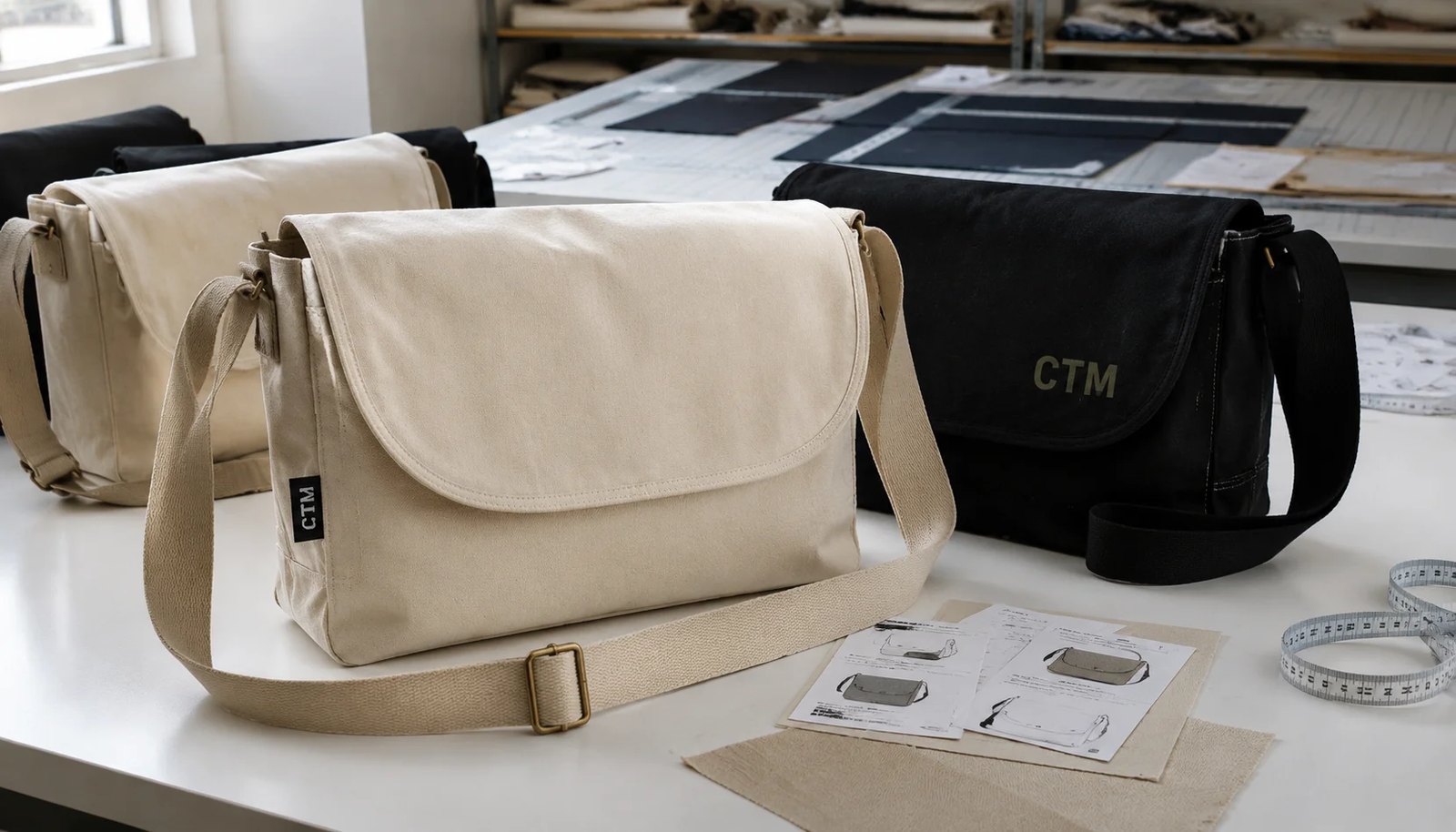
1. Anchor the plan to the retail arrival date
For liquor retailers, the date that matters is rarely the day the factory finishes sewing. The business date is usually when goods must be received at a distribution center, available for store allocation, or ready for a campaign such as holiday gifting, tasting events, supplier-funded promotions, loyalty redemption, or a regional launch.
That distinction changes the calendar. A supplier may quote a reasonable ex-factory date, but the program can still miss the shelf window if freight booking, customs, drayage, barcode errors, DC appointments, or carton relabeling were not included in the plan. Lead time planning should therefore begin with the required in-DC or in-store date and work backward.
Use backward scheduling as a procurement control, not just a planning exercise. Subtract domestic receiving buffer, import clearance, international transit, export handoff, final inspection, finishing, sewing, material readiness, sampling, lab dips if required, artwork approval, and internal PO approval. The result is the latest practical PO release date under a defined set of assumptions.
When comparing suppliers, require them to state what their lead time includes. A quote for 30 days ex-factory is not comparable to a quote that includes sample approval timing, material booking, inspection, and a freight-ready handoff. The buyer should layer logistics on top of production timing so the canvas messenger bags lead time planning guide for liquor retailers remains tied to the launch date, not to a factory milestone alone.
- Use in-DC or in-store date as the anchor milestone.
- Ask whether the supplier quote is calendar days or working days.
- Separate factory lead time from freight and domestic receiving time.
- Add approval gates for artwork, materials, PPS, inspection, and carton labels.
2. Treat published ranges as planning assumptions, not guarantees
Useful lead-time ranges help buyers challenge unrealistic calendars, but they should not be read as universal guarantees. Factory norms vary by capacity, season, material availability, order quantity, construction complexity, and the lane used for freight. Buyer-side buffers also vary depending on internal approval speed and retailer receiving rules.
As a planning baseline, a stock natural or stock black canvas bag with a simple one-color print and standard packing may move through sample approval in roughly 5-10 days and bulk production in roughly 20-30 days after approval. Add freight separately. Air can compress transit but may not make commercial sense for heavy or bulky cartons. Ocean freight is usually more economical for volume orders, but timing depends on port pair, booking availability, customs, drayage, and destination appointment rules.
More developed programs need more calendar. Woven labels, multiple artwork versions, custom inserts, bottle dividers, or heavier canvas can move the production window toward 25-40 days after approvals. Custom-dyed body fabric or matching webbing can extend the path further because lab dips and bulk dyeing happen before normal production can begin.
The practical point is to define which assumption is being discussed. Is the range based on stock material? Does it start after PPS approval? Does it include lab dips? Does it assume off-peak capacity? Does it include freight or stop at ex-factory? A supplier who answers those questions clearly is easier to manage than one who gives a single optimistic number.
- Classify ranges as factory production, buyer approval time, or logistics time.
- Confirm whether timing begins at PO issue, artwork approval, material approval, or PPS approval.
- Use separate buffers for peak-season capacity and freight booking.
- Escalate timing risks before finalizing color, label, and packaging complexity.
3. Specify the bag around the actual liquor payload
A messenger bag used in liquor retail is not always a generic promotional bag. It may need to carry one 750 ml bottle, two 375 ml bottles, canned cocktail samples, tasting notes, gift cards, a corkscrew, glassware, printed menus, or supplier collateral. The payload affects body size, gusset depth, flap coverage, divider placement, base stability, and strap reinforcement.
Fabric weight should be selected against use, structure, and freight impact. A 12 oz canvas is often a practical commercial starting point for branded retail programs and may correspond to roughly 340-370 GSM finished, depending on yarn, weave, finishing, and supplier standard. Heavier 14-16 oz canvas may sit around 400-450+ GSM finished and can give a more substantial hand for bottle programs, but it also increases carton weight and may reduce pieces per carton.
Heavier cloth does not compensate for weak construction. For bottle carry, strap anchors, bartacks, seam allowance, load path, gusset shape, and base support matter as much as fabric weight. A bag with a heavy body and poor anchor reinforcement can still fail under normal use, while a balanced construction can carry more reliably without unnecessary material cost.
Require physical fit testing before final approval. Use actual bottles or approved dummies, not only CAD dimensions. Check whether the flap closes cleanly, whether the bottle neck strains the flap, whether the divider holds the payload upright, and whether the shoulder strap remains comfortable and secure under load.
- State the intended payload in the RFQ and tech pack.
- Specify fabric by composition, nominal oz weight, and target finished GSM range.
- Check bottle height, base diameter, shoulder profile, and divider clearance.
- Do a loaded hang test and strap-slip check on the PPS.
4. Separate stock, limited-stock, and custom components
Many schedule problems begin when buyers assume every component is equally available. In practice, natural canvas may be easy to source while black canvas, dyed webbing, antique brass hardware, specific D-rings, woven labels, zipper pulls, or printed inserts have different lead times and MOQ rules.
Ask the factory to classify every component as stock-supported, limited-stock, or custom-made. This should cover body fabric, lining, webbing, buckles, D-rings, snaps, zippers, pullers, thread color, labels, printed inserts, polybags, barcode labels, and cartons. Small components can become the critical path if they are approved late or ordered below supplier MOQ.
Color deserves early attention in liquor retail because many brand palettes use black, burgundy, olive, navy, cream, metallic accents, or seasonal shades. If exact color matching is required, reserve time for lab dips and possible corrections. Also decide whether webbing must match the body exactly or whether a close stock webbing is acceptable. The second choice often protects timing without changing the consumer-facing value much.
The buyer should make tradeoffs explicit. If the campaign requires exact brand color and custom metal finish, the calendar must absorb that. If the launch date is fixed, simplify low-visibility components and keep the body construction common. The strongest RFQs show where the supplier has flexibility and where they do not.
- Map every component as stock, limited-stock, or custom before price comparison.
- Identify which items can stop cutting or sewing if they arrive late.
- Use physical color standards for custom shades whenever possible.
- Standardize hidden trims when they do not affect retail presentation.
5. Build a tech pack that reduces quote drift
A clear technical package is the buyer's best tool for getting comparable quotes. Without it, one supplier may quote lighter canvas, another may omit reinforcement, and a third may assume standard carton packing while the retailer needs barcode labels and destination splits. The unit prices may look comparable even though the products are not.
The tech pack should define body width, body height, gusset depth, flap drop, flap shape, pocket dimensions, divider size, base-board material if any, strap width, strap adjustment range, hardware finish, fabric composition, target weight, thread color, label placement, logo artwork, packaging, carton count, and shipping marks. It should also define measurement points so the inspector measures the same way the factory patterns were developed.
Tolerances keep normal sewn-goods variation from becoming a dispute. State tolerances for body measurements, strap length, pocket opening, print placement, flap alignment, finished GSM, and carton gross weight where they matter commercially. Print placement should be measured from fixed edges or seams, not judged by eye alone.
Pair the document with a sealed sample after approval. The tech pack controls dimensions and construction; the sealed sample controls hand feel, appearance, proportions, and finishing details. Together they give sourcing, production, and inspection teams the same reference.
- Include exact measurement points, not only finished dimensions.
- Write tolerances before sample approval.
- Attach final artwork files with print size and placement callouts.
- Use the sealed sample as the production appearance standard.
6. Choose branding by process risk, not only appearance
For many liquor-retail canvas messenger bag programs, one- or two-color screen printing is the most practical branding method. It is scalable, familiar to most bag factories, and usually efficient for standard logos. Still, canvas is a textured substrate, so buyers should evaluate print risk before approving artwork.
Natural canvas can show weave texture through solid print areas. Dark canvas may require an underbase for white, cream, metallic-look, or bright colors. That improves opacity but adds process steps and requires stronger cure control. If prints are under-cured, they can rub, crack, offset during flat packing, or mark the opposite panel in transit.
Woven labels can make the bag feel less promotional and more retail-ready. Their main procurement risks are MOQ, approval time, fold type, edge finish, and label delivery before production. Embroidery can work for simple marks but may pucker lighter fabric or lose fine detail. Transfers can reproduce complex artwork but may feel less integrated with cotton canvas.
Approve strike-offs on the actual approved fabric wherever branding is important. A digital proof can confirm size and position, but it cannot confirm opacity, hand feel, edge sharpness, texture behavior, cure quality, or color shift on the final canvas.
- Use screen print for efficient bulk programs with simple artwork.
- Require underbase and cure checks on dark fabric when needed.
- Confirm woven-label MOQ and delivery timing before PO release.
- Approve strike-offs on real fabric, not only artwork proofs.
7. Control MOQ splits before the assortment expands
MOQ is rarely one number. A supplier may have a total order minimum, a per-color minimum, a per-artwork minimum, a woven-label minimum, a packaging minimum, and a surcharge for destination-specific carton marks. Liquor retail programs often combine supplier brands, retailer banners, regions, and event versions, so MOQ complexity can grow quickly.
Keep the body common wherever possible. A shared bag body with a small number of print versions is usually easier to manage than separate dimensions, colors, labels, and packing rules for every region. If variation is needed, decide which variation actually creates value: flap print, side label, hangtag, insert card, or carton label.
When reviewing quotes, normalize every assumption before comparing unit prices. A low price based on one logo, one color, and one destination should not be compared against a quote covering four artwork versions, three destination labels, and separate barcode formats. Ask suppliers to show the cost of each variation so internal teams understand what complexity adds.
This is also where partial shipment rules should be decided. If one artwork version is delayed by a label or approval issue, can the remaining SKUs ship first? Will split shipment create extra freight, customs, or receiving work? These answers belong in the PO documents before production begins.
- Clarify MOQ by total order, colorway, artwork, label, packing format, and destination.
- Standardize the body and vary only visible program elements when possible.
- Request surcharge logic for small artwork or destination splits.
- Define whether partial shipment is allowed and who approves it.
8. Use sampling to validate function and release production
Sampling should do more than confirm that the bag looks right. For a liquor retail program, the sample path should validate materials, construction, branding, payload fit, packing method, and inspection criteria. A weak sampling process pushes unresolved decisions into bulk production, where corrections cost more and take longer.
A practical sequence is artwork layout approval, material confirmation, strike-off or label approval, prototype if construction is new, then PPS made with bulk-intended fabric, trims, reinforcement, print process, divider, and packing method. The PPS should be the release point for bulk cutting, not a courtesy sample after production has already started.
Test the PPS under realistic conditions. Load it with the intended bottle or kit. Carry it by the strap, adjust the webbing, open and close the flap, check hardware movement, inspect whether the divider shifts, and confirm that the bag hangs square. If the bag will ship flat, pack it as planned and review creasing, print contact, and recovery after unpacking.
Approval language should be precise. Mark the sample as approved, approved with mandatory corrections, or rejected. Record open points such as logo placement, strap length, divider fit, hardware finish, and carton packing. Bulk cutting should wait until mandatory corrections are closed.
- Use digital approvals for layout, not final functional release.
- Require PPS with bulk-intended materials and trims.
- Load-test with actual bottles or approved dummies.
- Document approval status and mandatory corrections before cutting.
9. Make QC, packing, and receiving part of the same plan
Quality control should be defined before production starts. The buyer should provide or approve a tech pack, sealed sample, measurement sheet, inspection checklist, carton specification, and AQL approach. A practical baseline such as AQL 2.5 for major defects and 4.0 for minor defects is common in consumer goods sourcing, but the final standard should match the buyer's internal policy and program risk.
Inspection should cover incoming materials, in-line construction, final appearance, function, and packing. Check finished GSM, shade consistency, weaving defects, body dimensions, stitch density, seam shape, strap anchors, bartacks, hardware function, print opacity, print cure, label placement, odor, stains, loose threads, and bottle fit where relevant. Print placement should be measured from fixed reference points.
Packing is not an afterthought. Flat packing may reduce freight cost, but the carton count must account for fabric weight, inserts, divider structure, print contact, and the retailer's gross-weight limit. Interleaving may be needed for large solid prints. Carton compression can create flap creases or print blocking if the packing method is too aggressive.
Retail receiving details need the same discipline as construction details. Barcode format, barcode placement, carton marks, destination labels, carton dimensions, carton gross weight, assortment rules, and DC appointment requirements should be locked before packing. A good bag can still create a failed launch if cartons cannot be received cleanly.
- Put AQL, measurement tolerances, and inspection documents in the PO file.
- Inspect structural load points and bottle fit, not only cosmetic appearance.
- Approve packing method before bulk packing starts.
- Confirm barcode, carton marks, destination labels, and receiving rules early.
Specification comparison for buyers
| Planning scenario | Typical calendar range | Best fit for liquor retail use | Buyer checks before PO |
|---|---|---|---|
| Stock natural or stock black canvas, 1-color screen print, standard carton packing | Sample approval often 5-10 days; bulk production often 20-30 days after approval; freight added separately by mode and lane | Fast-turn event bags, tasting kits, gift-with-purchase programs, distributor meetings | Confirm fabric is physically available, approve print strike-off, lock carton count, barcode rules, and shipping marks |
| Stock canvas with woven label plus 1-2 color print | Sample approval often 7-14 days; bulk production often 25-35 days after approvals; freight added separately | Branded resale bags, loyalty programs, supplier-funded retail promotions needing a more finished look | Check woven-label MOQ, label fold type, label approval timing, and whether label delivery gates cutting |
| Custom body color or matching custom webbing | Lab dips often 5-10 days per round; sample approval often 7-14 days; bulk production often 30-45 days after material approval; freight added separately | Brand-sensitive launches where color alignment matters more than the fastest calendar | Ask how many lab-dip rounds are included, whether webbing must match body fabric, and whether approval is against a physical standard |
| Heavier 14-16 oz body with divider, base board, or bottle-specific insert | Sample approval often 7-14 days; bulk production often 30-40 days after functional approval; freight cost and carton count usually need closer review | One-bottle premium gift bags, two-bottle sets, rigid presentation programs, high-value promotional kits | Verify load-point reinforcement, divider fit, flap closure, gross carton weight, and whether the PPS uses final materials |
| Multi-SKU split order with several logos, regions, or destination labels | Base production range may apply, but artwork, label, packing, and carton splits can add several days if not locked before production | National chains, regional banners, distributor-specific assortments, co-funded supplier programs | Normalize MOQ by artwork and destination, define partial shipment rules, and approve carton marks before bulk packing |
| Peak-season booking for holiday or major retail calendar | Production may need a 5-15 day buffer beyond normal factory timing; ocean booking, port, customs, and DC appointment buffers vary by lane | Holiday gifting, end-of-year supplier programs, seasonal floor displays, large replenishment buys | Reserve freight booking buffer, avoid late artwork changes, confirm ex-factory date versus required in-DC date, and set escalation rules for air freight only if needed |
Buyer checklist before sampling
- Define the commercial use: resale bag, one-bottle gift bag, two-bottle carry, tasting-event kit, loyalty redemption, distributor presentation set, or staff-use bag.
- State the required milestone as in-DC or in-store date, not only ex-factory date, and include destination country, receiving DC, and expected freight mode.
- Build a backward calendar with sample approval, lab dips if any, trim booking, cutting, sewing, finishing, final inspection, export handoff, freight, customs, drayage, and DC appointment buffer.
- Attach a tech pack with body width, height, gusset depth, flap drop, strap length, pocket dimensions, divider or base-board dimensions, and exact measurement points.
- Specify the fabric as cotton canvas or blend, with nominal oz weight and target finished GSM range. Treat common references such as 12 oz at roughly 340-370 GSM or 14-16 oz at roughly 400-450+ GSM as buyer planning assumptions that still require supplier confirmation.
- Write tolerances for commercially important points: finished GSM, body measurements, gusset depth, print placement, strap adjustment range, divider fit, and carton gross weight.
- Specify strap construction: 38 mm or 50 mm webbing width, adjustment range, hardware finish, anchor reinforcement, bartack placement, and whether rivets are decorative or structural.
- List branding by panel and method: screen print, woven label, embroidery, transfer, hangtag, barcode sticker, insert card, belly band, or retailer-specific packaging.
- Separate stock-supported items from custom items: body canvas, webbing, hardware, labels, zipper pulls, polybags, inserts, barcode labels, and export cartons.
- State packing rules before quoting: fold method, interleaving if required, pieces per polybag, pieces per carton, gross-weight cap, barcode placement, carton dimensions, and shipping marks.
Factory quote questions to send
- Please break the quoted calendar into artwork approval, lab dips if any, material and trim booking, PPS, printing, cutting, sewing, finishing, final inspection, packing, and ex-factory handoff.
- Which components are stock-supported and which are made to order: canvas, lining, dyed webbing, buckles, D-rings, snaps, zipper pulls, woven labels, polybags, barcode labels, and export cartons?
- What finished fabric weight are you quoting in both oz and GSM, and what tolerance will you accept against the approved bulk standard?
- If the body or strap color is custom, how many lab-dip rounds are included, how long is each round, and when does bulk dyeing start after approval?
- What MOQ applies to the total order, each colorway, each artwork version, each woven label design, each packaging format, and each destination split?
- Can the PPS be made with actual bulk-intended fabric, actual webbing, actual hardware, actual divider or base insert, and the real print process before cutting starts?
- What reinforcement is included at strap anchors: box stitch dimensions, bartack count, stitch density range, hidden webbing tape, and structural versus decorative rivets?
- How is print cost calculated: number of colors, print area, underbase on dark fabric, separate flap or body locations, strike-off charge, and repeat-order setup charges?
- What dimensional tolerances apply to width, height, gusset, flap drop, strap adjustment range, pocket opening, divider width, and base-board size?
- What documents can this order be inspected against: tech pack, sealed sample, inspection checklist, AQL standard, carton specification, carton drop-test requirement, and compliance evidence for claimed materials or finishes?
Quality-control points to confirm
- Verify incoming fabric before cutting: fiber content as specified, finished GSM or oz equivalence, roll-to-roll shade consistency, hand feel, and visible weaving defects.
- Measure body width, height, gusset, flap drop, pocket opening, divider position, base-board size, and strap adjustment range against the approved measurement sheet and tolerances.
- Check print placement from fixed reference points such as flap edge, side seam, or bottom seam; do not rely on visual centering only.
- Inspect print quality for opacity, edge sharpness, pinholes on textured canvas, color consistency to approved standard, and underbase coverage on dark fabric.
- Perform print rub and cure checks suited to the print system so logos do not transfer, crack, or offset during flat packing and transit.
- Inspect strap anchors and load points for skipped stitches, loose tension, short bartacks, seam grin, asymmetry, and incomplete reinforcement on both sides.
- Confirm stitch density and seam consistency around gussets, flap edges, side seams, pockets, and divider attachment so the bag hangs square and does not twist under load.
- Test hardware function and finish: adjuster grip, buckle movement, snap closure force, D-ring integrity, burrs, scratches, plating wear, and corrosion marks.
- If the bag includes a divider or base board, test fit with actual bottle dimensions or approved dummies and confirm bottles sit upright with acceptable movement control.
- Review packing and labeling: fold method, interleaving if required, barcode accuracy, carton count, gross weight, carton dimensions, shipping marks, and carton drop-test result if specified.