Start With The Arrival Date
For hotel retail, the useful date is not the day sewing finishes. It is the day the canvas messenger bags are received, allocated, and ready to sell at the hotel warehouse, resort shop, boutique store, opening site, or event location. A bag can be complete at the factory and still miss the selling window because inspection, booking, customs clearance, delivery appointment, or property-level sorting was not included in the plan.
Work backward from the required in-warehouse date. Ask the supplier to separate sample approval, material purchase, cutting, printing, sewing, trimming, packing, inspection, cargo ready, freight departure, estimated arrival, customs clearance, and warehouse receipt. These milestones should not be treated as one blended lead time. Cargo ready means cartons can leave the factory; it does not mean the hotel has sellable stock.
The production clock should start only when the supplier has final approval for the pre-production sample, artwork, materials, packing method, SKU split, and purchase order terms. A deposit alone does not tell the factory which flap size, logo placement, strap width, label, barcode, or carton mark to use. When approvals remain open, the lost time usually appears near shipment, when recovery costs are higher.
As a planning assumption, many straightforward orders using stock canvas, standard webbing, simple hardware, one-color screen print, and simple packing may need roughly 7-12 calendar days for a complete sample, 3-5 business days for buyer review, and 25-40 calendar days for bulk after final approval. Treat those as sample assumptions, not universal benchmarks. Region, factory load, component availability, inspection timing, freight mode, and order complexity can change the calendar.
- Plan from required in-warehouse date, then work backward through freight, inspection, packing, sewing, printing, cutting, materials, samples, and buyer approvals.
- Track cargo-ready date separately from estimated arrival and warehouse receipt date.
- Do not release bulk until PP sample, artwork, packing, SKU split, and commercial terms are approved in writing.
- Add buyer-owned deadlines for artwork, Pantone comments, barcode files, retail label copy, inspection booking, payment release, and freight decision.
- Use air freight as a controlled recovery option, not as a default fix for late specifications.
Convert The Retail Brief Into A Spec
A request for a “canvas messenger bag with hotel logo” leaves too much open. It might mean an unlined souvenir shoulder bag, a boxed-bottom retail messenger, a lined tablet-style bag, or a premium boutique item with pockets and upgraded hardware. Each version changes fabric consumption, sewing time, carton size, MOQ, and inspection risk.
A factory-ready RFQ should include finished width, height, gusset depth, flap length, flap shape, strap width, strap length range, closure type, bottom construction, lining, pocket layout, label location, decoration method, print size, and packing method. Finished dimensions are more useful than panel dimensions because the retail team and guest experience the bag as received. Gusset depth is especially important because it affects capacity, shelf posture, carton volume, and freight cost.
State the intended use. A low-price gift shop item does not need the same construction as a premium hotel boutique bag expected to carry guidebooks, tablets, or water bottles. If the bag must stand on a shelf, fit a display cubby, hang from a fixture, or fold flat for shipping, include that in the brief.
Marked photos are often enough to prevent costly assumptions. Show where the flap should land, how the closure aligns, where the strap tab starts, where the logo is measured from, and where barcode or label placement should sit. The purpose is not a perfect technical drawing; it is a quote and sample that can be produced and inspected.
- Use one RFQ sheet for finished size, gusset, flap, strap, closure, lining, pocket, label, decoration, and packing details.
- Mark measurement references on photos or sketches for logo placement, flap coverage, strap tabs, pocket openings, and closure position.
- State whether the bag is budget retail, mid-tier souvenir, premium boutique, event merchandise, or loyalty gift.
- Require every supplier to quote the same construction and packing before comparing unit price.
- Ask suppliers to flag any design detail that changes tooling, component MOQ, carton volume, or production time.
Select Canvas Weight And Finish
Canvas weight affects perceived value, durability, sewing speed, carton weight, and landed cost. For many hotel retail messenger bag programs, 12 oz to 16 oz cotton canvas is a practical discussion range. A 12 oz canvas can work for lighter retail and promotional use. A 14 oz canvas often gives a balanced handfeel without making seams too bulky. A 16 oz canvas can support a heavier boutique look, but it may increase material cost, sewing difficulty, flap bulk, and freight weight.
Avoid vague terms such as “heavy canvas” or “premium cotton.” Suppliers may interpret them differently. Use both oz and approximate GSM where possible, such as 14 oz cotton canvas, approximately 400 GSM, natural, unwashed, plain weave. If a supplier proposes an equivalent, request a physical swatch and record the approved swatch reference.
Natural canvas also varies. Shade, seed content, slub level, texture, and weave density influence how premium the bag looks and how the logo prints. A flecked natural canvas may suit a relaxed resort shop. A cleaner bleached or dyed canvas may suit a polished boutique property, but it adds color-control decisions.
Finish is a timing decision. Natural unwashed canvas is usually simpler. Dyed fabric may require lab dip and dye-lot approval. Washed canvas can feel softer but requires control of shrinkage, shade variation, seam puckering, and finished-size tolerance. Coated or water-repellent fabric may change handfeel, needle behavior, and print adhesion.
- Use 12 oz canvas for lighter retail when moderate structure and lower landed cost are priorities.
- Use 14 oz canvas when buyers want a stronger handfeel with manageable sewing and freight weight.
- Use 16 oz canvas when a heavier boutique feel justifies higher material, sewing, and shipping impact.
- Approve dyed, washed, coated, or water-repellent canvas with swatches and production-relevant print testing.
- Record approved fabric by weight, GSM estimate, finish, color, weave, supplier swatch, and date.
Decide Decoration Before Sampling
Artwork is a common lead-time blocker. A hotel logo needs vector files, print size, color references, print method, placement measurements, and approval on the final canvas. Messenger bag flaps bend, overlap closures, and may crease during packing. A logo that appears centered on a flat mockup can look low, tilted, or hidden once the bag is assembled.
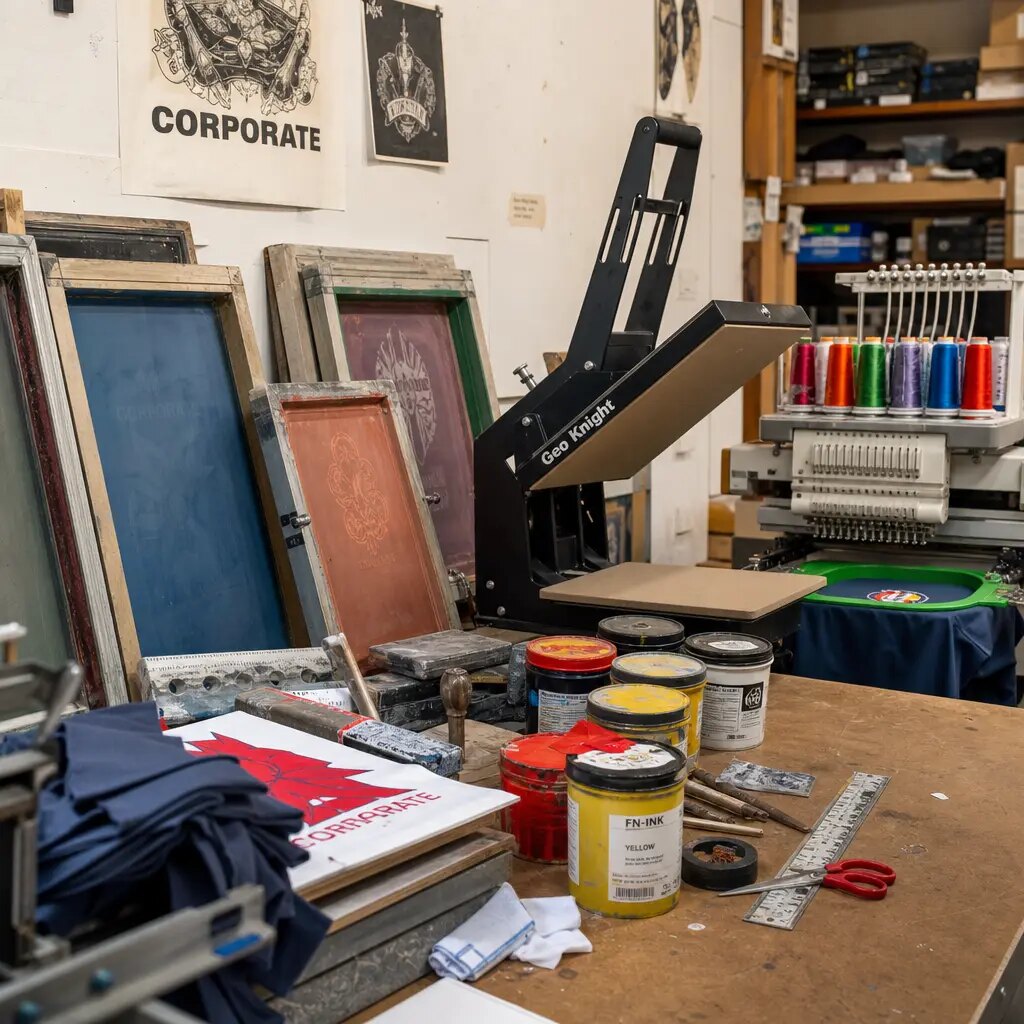
Screen printing is often the most predictable option for solid hotel marks on cotton canvas when ink, curing, placement, and fabric surface are controlled. The route matters: large artwork or printing near seams may need cut-panel printing before sewing. That can improve access, but it means printed panels must pass QC before sewing can proceed.
Heat transfer can work for detailed graphics, but it should be tested on the actual fabric surface. Embroidery can look premium, but it can pucker lighter canvas or distort lined flaps without correct backing. Woven labels are a lower-risk way to add subtle branding when a large print is not ideal for the schedule or fabric texture.
Ask the supplier to recommend the decoration method based on artwork, quantity, fabric, placement, and deadline. Then test the method on the PP sample. Bend the flap, rub the print lightly, fold the bag as packed, and check for cracking, peeling, smudging, transfer, puckering, or visual shift.
- Send vector artwork, Pantone or brand color references, print size, color count, orientation, and placement measurements before sampling.
- Measure logo placement from fixed references such as flap edge, side seam, closure centerline, or pocket seam.
- Confirm whether decoration is applied to cut panels or finished bags because the sequence and rejection risk differ.
- Avoid artwork across thick seams, strap tabs, magnets, snaps, rivets, or sharp fold points.
- Approve a printed PP sample or production-quality proof on final canvas before bulk release.
Map MOQ To Components And SKUs
MOQ is rarely only the finished bag quantity. It may be driven by canvas roll length, dyeing, strap webbing color, lining, hardware finish, print setup, embroidery digitizing, woven label minimum, hangtag printing, belly band printing, barcode labels, carton labels, and SKU separation. A supplier may accept a modest finished-bag quantity while still charging setup fees or passing through component minimums.
Hotel groups can often reduce risk by standardizing the base bag and splitting only the branding. Several properties may share the same canvas body, strap, hardware, lining, and pocket layout while changing the flap logo, hangtag, barcode, or carton mark. This works only when the SKU plan is clear at RFQ stage.
List each property, logo version, quantity, barcode, hangtag, packing method, carton mark, and destination requirement. If one property needs 150 units and another needs 500, ask whether minimums apply per print screen, label, or barcode. Small SKU splits can add more packing labor and inspection time than expected.
Use MOQ answers to make tradeoffs. If custom dyed canvas drives the minimum, stock natural canvas with stronger artwork may be safer. If special hardware adds long purchasing time, standard nickel, gunmetal, or antique brass may fit the launch better. If multiple logo screens add setup cost, the retail team can decide whether every property needs a unique mark.
- Ask for separate MOQ on finished bags, fabric color, webbing color, lining, hardware, print screens, labels, hangtags, belly bands, and barcodes.
- Use a common base bag across properties when possible, then split only print, label, barcode, or carton mark.
- Confirm whether SKU splitting adds labor, minimums, inspection time, carton-label cost, or warehouse sorting risk.
- Request written setup charges and leftover material exposure before approving the purchase order.
- Avoid custom dyeing, unusual hardware, and complex packaging when quantity is low and launch date is fixed.
Use Sample Gates Instead Of One Approval
Sampling should prove the production route, not just the silhouette. A blank construction sample can help the buyer review size, flap coverage, strap length, gusset, pocket access, and closure position. It should not be the only basis for bulk approval when the retail program includes final print, labels, hardware, and packing.
The pre-production sample should use final canvas, final strap, final hardware, final decoration, final label, and intended retail packing. Measure the actual sample: body width, height, gusset, flap length, strap width, strap length range, pocket dimensions, label position, barcode position, and logo placement. Load the bag with a realistic use weight, adjust the strap, test the closure, and pack and unpack the sample as planned.
Revision comments must be measurable. “Move the logo higher” is weak. “Move logo center 20 mm upward from current sample” is useful. Ask whether each revision affects unit price, material consumption, sample timing, bulk timing, carton volume, or cargo-ready date.
Once approved, the PP sample becomes the inspection reference. Keep one signed or sealed reference with the supplier and one with the buyer, buying office, or inspection team. If a later change is approved, update the written spec and reference sample; otherwise, the factory and inspector may work from different standards.
- Use a blank sample for early shape review and a complete PP sample for bulk approval.
- Measure sample dimensions and placement points; do not rely only on visual approval.
- Test strap adjustment, closure alignment, pocket access, lining fit, flap behavior, and print after bending and packing.
- Approve packing with the sample, including polybag or paper wrap, belly band, hangtag, barcode, folding method, and carton marks.
- Keep sealed reference samples and written change records available for final inspection.
Lock Packing And Carton Data Early
Packing is part of the hotel retail product. The bag may be sold in a resort shop, displayed in a boutique hotel store, routed through a central warehouse, or allocated to individual properties. Each route may require hangtags, price labels, barcodes, belly bands, shelf-ready folding, carton marks, and SKU separation.
Individual polybags protect natural canvas from dust, moisture, and handling marks. Some hotel retailers prefer reduced-plastic or plastic-free packing. That can work, but it requires cleaner handling, carton liners, careful folding, and paper-based presentation such as belly bands or hangtags. Natural, white, and light-dyed canvas show dirt and oil easily, especially on the flap and front panel.
Carton planning affects landed cost. Messenger bags are bulkier than flat totes because of flaps, gussets, straps, hardware, and lining. A low unit price can be offset by inefficient carton volume or excessive gross weight. Request units per carton, carton dimensions, gross weight, net weight, carton material, carton liner, and carton mark format before final comparison.
Do not wait until production is finished to provide barcode or carton rules. The factory needs to know whether SKUs are mixed or separated, whether cartons are marked by property, whether pallet labels are required, and whether the hotel warehouse has carton-weight limits.
- Define polybag, paper wrap, belly band, hangtag, tissue, folding method, carton liner, and plastic-free requirements before bulk packing.
- Confirm barcode location, price label location, hangtag attachment point, and who applies each label.
- Set units per carton, carton dimensions, gross weight limit, carton mark format, SKU separation, property marks, and pallet needs.
- Approve a packing sample or mass-packing photo when shelf presentation or barcode scanability matters.
- Include carton data in landed-cost comparison, especially for bulky gusseted or lined designs.
Compare Quotes Beyond Unit Price
A strong quote sheet prevents late repricing and unclear supplier comparisons. Unit price alone does not prove that suppliers are quoting the same bag. Each quote should state canvas weight, finish, finished dimensions, gusset, flap construction, lining, pockets, strap, hardware, print method, print size, color count, labels, packing, carton data, MOQ, setup charges, sample costs, sample lead time, bulk lead time, payment terms, incoterm, and quote validity.
Ask for a base price plus optional adders. The base might be a natural canvas messenger bag with one-color screen print, unlined interior, standard cotton strap, standard metal slider, and individual polybag. Adders can show the cost and timing for lining, zipper pocket, magnetic snap, upgraded buckle, woven label, hangtag, belly band, barcode application, plastic-free packing, and property-level carton labels.
Quote comparison should include landed-cost inputs. Carton size, gross weight, units per carton, packing method, inland freight, inspection, sample courier fees, and palletization can shift the real cost. Messenger bags can consume more space than flat totes, so carton data should be reviewed before choosing the lowest FOB or EXW unit price.
Clarify service scope. If the buyer needs delivery to a central warehouse or multiple properties, confirm whether the supplier handles factory handover only or also export documents, freight coordination, pallet labels, delivery appointment support, or distribution requirements.
- Require suppliers to quote against the same specification, artwork, packing, SKU split, carton requirement, and shipment assumption.
- Ask for base price plus adders for lining, pockets, closure upgrades, hardware upgrades, labels, hangtags, belly bands, barcodes, and plastic-free packing.
- List excluded charges such as samples, screens, digitizing, label setup, courier, inspection, inland freight, palletization, bank fees, and document fees.
- Compare carton dimensions, gross weight, net weight, units per carton, and estimated carton count before landed-cost approval.
- Confirm quote validity, material availability, production capacity window, payment terms, incoterm, and latest approval date for the target shipment.
Write QC In Inspection Language
Canvas messenger bags need inspection standards that cover both appearance and function. Stress points include strap tabs, bar tacks, flap corners, pocket openings, lining seams, bottom gussets, closures, and hardware attachments. A bag can look acceptable in a carton and still fail retail expectations if the strap stitching is weak, the flap hangs unevenly, the closure is misaligned, or the print is tilted.
Dimension control should cover body width, height, gusset depth, flap length, strap width, strap length range, pocket dimensions, label position, barcode position, and print placement. A starting tolerance such as ±1 cm for body dimensions may be reasonable for many simple designs, but washed, padded, oversized, and soft-structured bags may need a different approved standard.
Defect classification should be written before inspection. Critical defects may include unsafe sharp hardware, broken strap attachment, wrong logo, wrong SKU, missing barcode, mold, or anything that makes the product unsafe or unsellable. Major defects may include visible stains on retail-facing panels, open seams, weak bar tacks, incorrect packing, wrong carton marks, tilted print, heavy creases, or nonfunctional hardware. Minor defects may include small loose threads or slight natural slub variation that does not affect function or retail appearance.
Packing inspection matters for hotel retail. Scan barcodes, count units per carton, verify carton marks, confirm SKU separation, review gross weight, and open packed cartons to check folding and cleanliness. A good bag in the wrong carton can still delay receiving and property allocation.
- Use the approved PP sample, written specification, artwork proof, packing standard, carton mark file, and approved change records as inspection references.
- Measure dimensions, flap length, strap length, print placement, label placement, barcode placement, and carton count.
- Inspect fabric shade, stains, oil marks, needle marks, holes, yarn contamination, coating marks, and visible front-panel defects.
- Check print color, opacity, registration, adhesion, curing, embroidery puckering, woven label position, and print behavior after normal flap bending.
- Verify hardware function, sharp edges, rust risk, plating consistency, correct polarity, rivet security, slider hold, and bar tack strength.
Assign Owners And Freeze Dates
Late orders often come from unclear responsibility rather than slow sewing. The factory may be ready to print while the buyer is still approving artwork. The hotel retail team may approve the bag while barcode data is missing. The supplier may finish sewing while packing cannot start because carton marks or SKU splits are changing.
Assign each decision to an owner. The buyer usually owns brand assets, Pantone references, sample comments, barcode files, retail label copy, purchase order release, payment timing, inspection booking, freight decisions, and warehouse delivery requirements. The supplier owns material sourcing, swatches, technical sampling, proofing, cutting, printing, sewing, trimming, packing, production reporting, and cargo readiness.
When time is tight, the best recovery is usually scope control. Use stock natural canvas, standard webbing, standard hardware, one-color screen print, simple labels, and straightforward packing. Avoid new custom dyeing, complex embroidery, multiple logo versions, late lining changes, and packaging redesign after sampling.
Keep the calendar active after the purchase order. Weekly updates may be enough during material preparation and sewing. During packing, inspection, and cargo handover, updates may need to be more frequent because small delays can affect booking windows and delivery appointments. Every approved change should show impact on price, sample timing, bulk timing, carton volume, cargo-ready date, and in-warehouse date.
- Assign milestones to buyer, supplier, inspection team, forwarder, or hotel warehouse before PO release.
- Freeze artwork, fabric, hardware, lining, packing, barcode data, and SKU splits before bulk cutting or printing.
- Request production updates during materials, sewing, packing, inspection, and cargo handover.
- Use standard materials, fewer SKUs, and simpler decoration when arrival date matters more than customization.
- Record every approved change with impact on price, timing, carton data, cargo-ready date, and in-warehouse date.
Specification comparison for buyers
| Planning choice | Best fit for hotel retail buyers | Sample lead-time assumption | Key control before bulk |
|---|---|---|---|
| Stock natural canvas with screen print | Fastest route for many resort shops, boutique hotel stores, and event retail programs when brand color can work on natural cotton canvas. | Often supports shorter sampling because fabric and webbing may be available; timing still depends on artwork proof, print screen, and buyer review. | Approve physical fabric swatch, print proof on final canvas, logo placement, and finished dimensions before cutting bulk. |
| Custom dyed or washed canvas | Useful when the bag must match a property palette or have a softer, casual handfeel. | Can add lab dip, dye-lot approval, washing trial, shrinkage review, and mill booking time; exact timing varies by region, mill, and order size. | Approve lab dip or production swatch, shrinkage tolerance, shade range, handfeel, and print adhesion after finishing. |
| Unlined messenger bag | Good for price-sensitive retail, simple gift shop programs, and lighter everyday use. | Usually simpler to sample and sew because there are fewer materials, seams, and inspection points. | Check seam finishing, inner cleanliness, strap tab reinforcement, flap shape, and whether the bag feels retail-ready without lining. |
| Lined bag with pockets | Better for premium hotel retail, tablet-style use, or programs needing a cleaner interior. | Adds material sourcing, cutting, sewing, pocket alignment, and QC time; zipper pockets add more handling. | Approve lining material, pocket dimensions, zipper function, lining fit, seam strength, and interior label placement. |
| Panel printing before sewing | Best when logo is large, close to edges, or needs a flat printing surface before assembly. | May require earlier artwork approval because sewing cannot proceed until printed panels pass QC. | Check print location from cut-panel reference points, curing, color, defects, and panel rejection handling. |
| Finished-bag printing | Works when artwork area is flat, accessible, and away from seams, hardware, and flap folds. | Can simplify sequencing for small logos, but may increase rejection risk if bag surfaces are uneven. | Confirm print area access, seam clearance, placement tolerance, and whether rejected prints become full-bag rejects. |
| Simple retail packing | Suitable when goods go to a central warehouse and shelf presentation is not highly customized. | Usually faster if polybags, standard carton marks, and single-SKU cartons are acceptable. | Approve folding method, units per carton, carton marks, barcode scanability, gross weight, and carton dimensions. |
| Plastic-free or shelf-ready packing | Useful for properties with reduced-plastic goals or boutique store presentation requirements. | Can add packing-sample approval, cleaner handling rules, paper component sourcing, and more careful carton protection. | Approve belly band, hangtag, tissue or paper wrap, carton liner, dirt-control process, and packed appearance after transit simulation. |
| Multi-property SKU split | Works when a hotel group shares one base bag and changes logo, label, barcode, or carton mark by property. | Can add setup, packing labor, inspection sampling, and allocation time even when total order quantity is high. | Confirm MOQ and setup cost by logo, label, barcode, hangtag, carton mark, and destination before PO release. |
Buyer checklist before sampling
- Work backward from the required warehouse or property arrival date, not only from the factory cargo-ready date.
- Define finished width, height, gusset depth, flap length, flap shape, strap width, strap length range, pocket layout, lining, closure, and intended retail use before requesting price.
- State canvas weight in oz and approximate GSM, plus finish: natural, bleached, dyed, washed, coated, recycled, organic, or water-repellent treated.
- Send vector artwork with logo size, color references, print location, print color count, and fixed measurement points from seams or flap edges.
- Ask whether printing is done on cut panels before sewing or on finished bags, because this changes sequencing and rejection risk.
- Require physical swatches for canvas, lining, webbing, hardware, labels, hangtags, belly bands, and packing materials when appearance affects approval.
- Separate MOQ by finished bag, canvas color, webbing color, hardware finish, print screen, woven label, hangtag, barcode label, belly band, and carton label.
- Approve a complete pre-production sample using final fabric, final strap, final hardware, final decoration, final label, and intended retail packing.
- Set measurable tolerances for dimensions, flap length, strap length, print placement, label placement, barcode placement, stitch quality, and carton count.
- Compare quotes using unit price, setup charges, sample fees, carton data, gross weight, packing method, excluded costs, incoterm, payment terms, and quote validity.
Factory quote questions to send
- What exact canvas weight are you quoting in oz and approximate GSM, and what finish is included in the price?
- Are the canvas, webbing, lining, hardware, labels, hangtags, belly bands, and carton labels stock items or custom-purchased components?
- What finished dimensions, gusset depth, flap length, strap width, strap length range, lining, pockets, closure type, and recommended carry weight are included?
- Is the logo printed on cut panels before sewing or on finished bags, and how does that route affect sampling, production sequence, and rejection risk?
- What MOQ applies separately to finished bags, canvas color, strap color, hardware finish, print setup, woven labels, hangtags, barcode labels, and retail packing?
- Using our order complexity and destination assumptions, how many days should we plan for swatches, sample making, buyer review, material preparation, bulk production, packing, inspection, and cargo handover?
- Which sample types are included: fabric swatch, blank construction sample, printed sample, pre-production sample, packing sample, shipment sample, or sealed reference sample?
- What tolerances and defect classifications will be used for dimensions, print placement, color, stitch density, hardware function, fabric defects, packing, and carton marks?
- What are the export carton dimensions, gross weight, net weight, units per carton, carton material, carton liner method, and carton mark format?
- Which costs are excluded from the unit price, including sample fees, screen charges, digitizing, label setup, hangtags, barcode stickers, courier, inspection, inland freight, palletization, bank charges, or document fees?
Quality-control points to confirm
- Finished body width, height, and gusset depth should normally be controlled around an agreed tolerance such as ±1 cm unless washed, padded, oversized, or soft-structured designs require a different approved standard.
- Flap length, flap symmetry, closure placement, pocket dimensions, strap width, strap length range, label position, barcode position, and print placement should be measured against the approved specification.
- Canvas weight, shade, weave density, slub level, handfeel, surface finish, and coating consistency should match the approved swatch or sealed sample.
- Natural and light-colored canvas should be inspected for oil marks, dirt, needle stains, discoloration, holes, yarn contamination, and visible flaws on the flap and front panel.
- Strap tabs, bar tacks, flap corners, pocket openings, lining seams, bottom gussets, boxed corners, and closure areas should show secure stitching with no open seams, skipped stitches, or broken reinforcement.
- Screen print, heat transfer, embroidery, and woven label placement should be measured from fixed references such as flap edge, side seam, bottom seam, or closure centerline.
- Print color, opacity, registration, curing, adhesion, cracking, smudging, and transfer should be checked against the approved proof or PP sample on final fabric.
- Metal sliders, snaps, buckles, rivets, magnetic closures, and D-rings should be checked for function, finish consistency, sharp edges, rust risk, plating defects, correct polarity, and secure attachment.
- Packing checks should include barcode scanability, hangtag position, folding method, carton count, carton marks, SKU separation, gross weight, and packed appearance after cartons are opened.
- Inspection references should include the signed PP sample, written specification, artwork proof, packing standard, carton mark file, and approved change records.