1. Start with the use case, not the heaviest canvas
For natural grocers, a canvas messenger bag has to do more than carry a logo. It may sit on a retail shelf, support a member reward campaign, equip staff, or act as a seasonal branded product. The correct fabric weight depends on that commercial role. A giveaway bag can be lighter and simpler. A staff bag used daily for paperwork, lunch, handheld devices, or a tablet needs stronger strap points and better shape retention. A resale bag must feel worth the shelf price when a customer handles it in store.
The practical canvas range for many messenger bags is about 280-400 GSM, often described as roughly 10-14 oz canvas. These are buying ranges, not universal standards. Actual hand feel varies by yarn, weave, finishing, washing, and supplier measurement method. That is why buyers should ask for both GSM and ounce description, then judge samples under realistic load.
The usual balanced starting point is around 12 oz / 340 GSM cotton canvas. It gives enough body for a clean flap and everyday use without making freight and seams unnecessarily heavy. Go lighter only when the program is clearly promotional or price-led. Go heavier when the bag is positioned as a premium reusable product and the pattern can handle the extra bulk.
- Decision rule: if the bag must look retail-ready empty, avoid very light canvas unless the pattern is structured.
- Decision rule: if the bag must carry dense grocery items, add base and strap reinforcement before simply increasing GSM.
- Decision rule: if cost and speed matter most, start with stock natural canvas around 10-12 oz equivalents.
2. Understand oz, GSM, finish, and quote ambiguity
Canvas weight language causes many quote problems. One supplier may quote “12 oz canvas” as a finished fabric, another may use an approximate conversion, and another may substitute a nearby stock fabric. Two quotes can look equal while the samples feel different. To reduce ambiguity, write the RFQ using both systems: for example, “cotton canvas, natural, unwashed, about 12 oz / 340 GSM, supplier to confirm tolerance and measurement stage.”
Ask whether the stated weight is greige, finished, dyed, or washed weight. Washing and finishing change fabric behavior. Washed canvas can feel softer and more lifestyle-oriented, but it may introduce shade variation, shrinkage, and placement variation. Unwashed natural canvas is often easier when the priority is consistent dimensions, logo placement, and reorder matching.
A practical quote should also say whether the canvas is stock or custom. Stock fabric may support faster sampling and lower MOQs, but buyers should confirm that bulk fabric will match the sample. Custom weaving may improve control, but it usually adds minimums and lead time.
- RFQ wording to use: “Approx. 340 GSM / 12 oz equivalent cotton canvas; confirm actual GSM, tolerance, and finish stage.”
- Ask for a fabric swatch from the intended bulk quality, not only a similar sample-room fabric.
- Do not compare suppliers until body fabric, finish, lining, strap, print, and packing assumptions are visible.
3. Practical fabric weight choices for natural grocer programs
A 10 oz / 280 GSM canvas can be suitable for opening events, community promotions, and campaigns where the bag carries light items. It keeps cost and carton weight lower, but buyers should not expect the same structure as a daily-use bag. If the bag must hold bottles, jars, or a tablet, the bottom and strap anchors become high-risk areas.
A 12 oz / 340 GSM canvas is the most useful baseline for many natural grocer messenger bags. It normally supports better shelf shape, cleaner flap presentation, and more durable hand feel while remaining manageable for sewing and freight. It is also a good baseline for quote comparison because many suppliers can source something close to this range.
A 14 oz / 390-400 GSM canvas can upgrade perceived value and structure. It makes sense for private-label retail, premium member merchandise, or a bag expected to stay in use longer. The tradeoff is bulk. Heavier fabric can create thick flap edges, stiff corners, and lower carton counts. Ask the factory to adjust seam trimming, turning, and stitch settings for the chosen weight.
- 10 oz / 280 GSM: best for lower-cost, light-load programs.
- 12 oz / 340 GSM: best all-around starting point for daily natural grocer use.
- 14 oz / 390-400 GSM: best when structure and perceived value justify cost and freight.
- Above 400 GSM: consider only for utility-style bags, not standard promotional messenger bags.
4. Construction decisions that carry the load
Fabric weight does not rescue weak construction. A well-built 12 oz bag can outperform a poorly constructed 14 oz bag. The most important areas are strap attachment, bottom support, seam allowance, flap patterning, and reinforcement at stress points.
Strap construction should be specified, not assumed. State strap width, material, length range, and attachment method. Cotton webbing suits a natural grocer aesthetic, while polyester webbing may improve abrasion resistance but can look less natural if poorly color matched. For most everyday messenger bags, 38-50 mm webbing is more comfortable than narrow straps. Ask whether the strap is inserted into the side seam, stitched to a patch, box-stitched, cross-stitched, or bartacked.
The bottom is the second major risk area. If shoppers may carry lunch containers, boxed grocery items, glass jars, or bottled drinks, a double-layer base or insert may be more effective than increasing the whole body fabric. For lighter 10 oz programs, base reinforcement can prevent a cheap-looking sag. For heavier canvas, it can preserve structure without making the flap and side seams too bulky.
- Require photos of strap anchors from inside and outside the bag.
- Load-test the sample for several hours; do not judge shape from stuffed sample photos.
- Specify flap edge finish and seam trimming for 14 oz canvas to prevent bulky corners.
- Treat pockets, lining, closures, and hardware as priced add-ons, not default features.
5. Print and branding on natural canvas
The flap is usually the primary branding surface, but it is also a moving panel. Artwork that looks clean on a flat swatch can look crowded after the flap is folded, snapped, or stitched. Define a print-safe area away from fold lines, corners, snaps, and thick seam allowances.
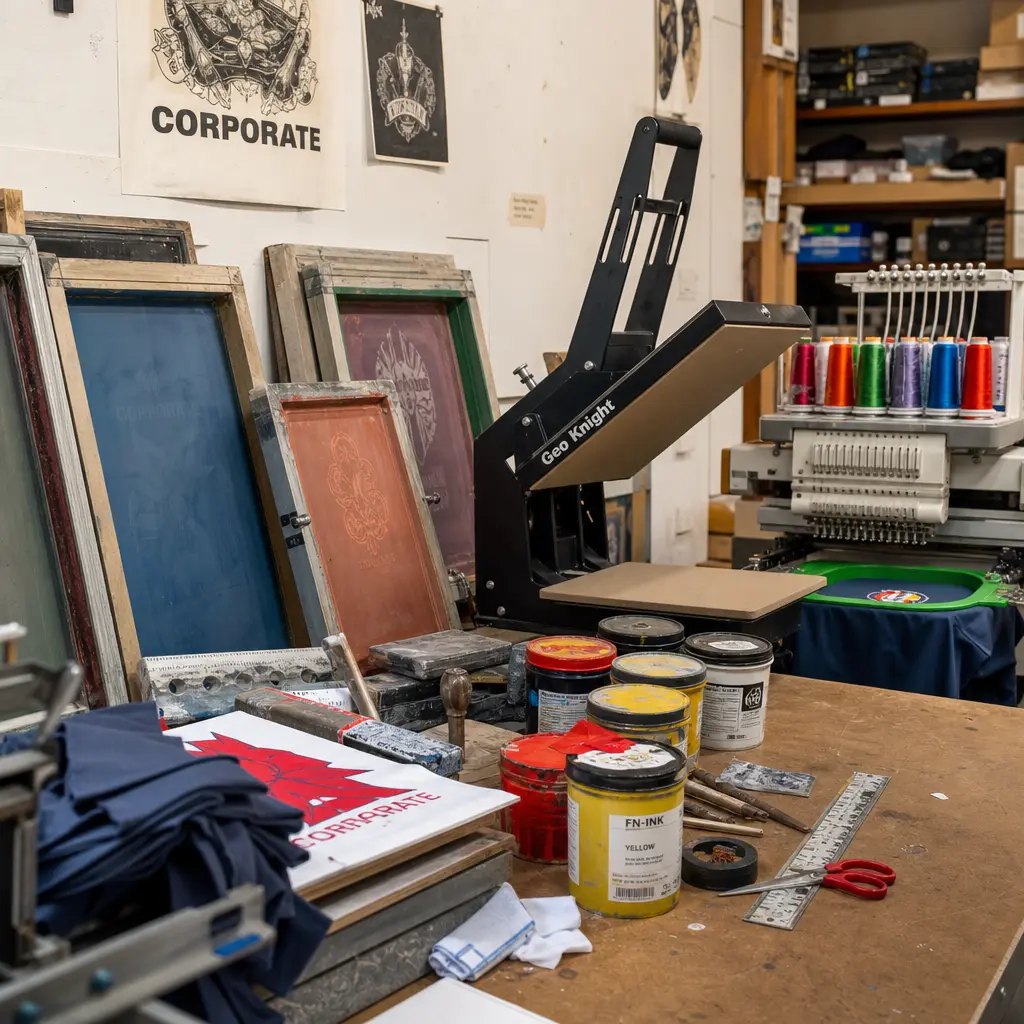
For many natural grocer logos, screen print is the safest bulk method. It works well for bold one- to three-color artwork and gives consistent visibility on natural canvas. Fine halftones, tiny reversed text, and photographic graphics are riskier because cotton slub and weave texture interrupt crisp edges. Heavier canvas may make texture more visible, although artwork style often matters more than GSM alone.
Color approval should happen on the actual canvas quality. Natural cotton tone varies from cream to beige, which changes how dark green, black, brown, or muted brand colors appear. A digital proof is not enough for final approval. Request a strike-off, then a sewn sample if the logo sits on the flap.
- Best artwork: bold logo, limited colors, clear lines, enough spacing around text.
- Avoid: small reversed type, fine gradients, dense ink near flap folds, and logo placement too close to hardware.
- Approval sequence: artwork size, strike-off on actual fabric, sewn sample, bulk print reference.
6. Build an RFQ that makes quotes comparable
Most quote confusion comes from incomplete RFQs. A digital mockup and logo file leave too many assumptions open. One supplier may price 10 oz unlined canvas, another may price 12 oz with a pocket, and another may include hardware or individual polybags. The cheapest quote may simply be the least complete quote.
A stronger RFQ fixes the pattern and features before requesting price options. State finished dimensions, body fabric, finish, strap, flap, gusset, pocket, closure, label, print, and packing. If you are still deciding the weight, ask for alternate columns under the same construction: 280 GSM, 340 GSM, and 400 GSM. This isolates the real cost effect of fabric weight.
For natural grocer buyers managing multiple SKUs, standardization is especially useful. Use the same fabric and construction across several artworks or regional labels if possible. Changing GSM, fabric finish, lining, or strap color for each design can create separate trim minimums and sampling delays.
- Include finished size and tolerance, not only approximate dimensions.
- Separate body fabric, strap, hardware, print, label, pocket, lining, reinforcement, and packing in the quote.
- Ask whether setup charges, sample charges, mold charges, and print screens are included.
- Request carton dimensions and estimated gross weight with the first quote, not after approval.
7. Sampling: what to approve before bulk production
A sample should prove function, not only appearance. Fill the bag with the expected contents: documents, tablet, charger, lunch container, or sample grocery items. Let it hang and check whether the flap twists, the body skews, the bottom bows, or the strap anchors strain. These problems may not show in front-view photos.
Separate material issues from workmanship issues. A bag that feels weak may have the wrong GSM, but it may also have soft webbing, narrow seam allowance, missing reinforcement, or poor pattern balance. Ask for close-ups of the inside seams, base construction, strap anchors, reverse side of hardware, and flap edge.
For print approval, a flat strike-off is useful but incomplete. If the logo is on the flap, approve the print on a sewn sample so you can check position, fold behavior, color, and alignment. Measure placement from fixed points such as the flap edge and centerline so QC can inspect the same way later.
- Approve blank proto for pattern and construction.
- Approve print strike-off for color and artwork limits.
- Approve pre-production sample for final fabric, print, trim, and workmanship.
- Approve packed sample or carton photo when packing affects flap shape or print transfer.
8. QC standards for bulk canvas messenger bags
Quality control should be written in commercial terms: what would cause a return, complaint, warehouse rejection, or poor retail presentation? For natural canvas, small slubs outside the logo area may be acceptable. A weave flaw through the main print, visible panel mismatch, severe skew, or failed strap stitching should not be.
Define major and minor defects before production. Major defects include wrong fabric weight outside agreed tolerance, broken hardware, severe print smudge, incorrect logo placement, skipped stitches at strap anchors, wrong dimensions beyond tolerance, sharp hardware, mold odor, or obvious panel twisting. Minor defects may include removable threads, slight recoverable creasing, or small natural slubs away from focal areas.
Inspection should include loaded checks and packed checks. Messenger bags can pass flat-table inspection but fail when carried. Packed goods can also develop print offset, flap creases, or hardware pressure marks after compression. Open random sealed cartons during final inspection, especially for heavier canvas or humid routes.
- Measure: width, height, gusset, flap drop, strap range, print position, and pocket size.
- Inspect: strap anchors, bartacks, bottom seam, flap symmetry, hardware, print edge, and fabric defects.
- Test practically: load, hang, close flap, adjust strap, and check distortion.
- Review packed units for odor, moisture, dust, print transfer, carton crushing, and label accuracy.
9. Packing, MOQ, lead time, and landed-cost control
Packing decisions affect both cost and presentation. Individual polybags may be required by some distributors, but they add cost and plastic. For many natural grocer programs, bulk carton packing with tissue or paper interleave over printed flaps is a practical compromise. It protects the logo area while avoiding unnecessary overpacking. If hardware is used, prevent pressure marks against natural fabric.
Carton planning belongs in the RFQ because fabric weight changes carton count and gross weight. A move from 340 GSM to 400 GSM may reduce units per carton or increase freight per piece. If the goods pass through grocery distribution centers, set maximum carton weight and labeling requirements early. Missing routing labels or barcodes can create receiving delays even when product quality is fine.
MOQ planning should reduce variation. The easiest strategy is one body fabric, one construction, and multiple approved artworks or labels. Avoid changing fabric weight, wash finish, lining, or strap color across small test SKUs unless the merchandising value is clear. Each variation can create separate fabric purchasing, trim matching, samples, and QC references.
Lead time depends on more than sewing. Include time for fabric confirmation, print strike-off, proto sample, pre-production sample, bulk material booking, production, final inspection, and packing approval. Specialty washed canvas, custom-dyed fabric, unusual hardware, or heavy construction may extend the calendar. A slightly simpler, well-controlled spec is often better than a feature-heavy bag rushed into production.
- Packing rule: protect printed flaps without over-compressing the bag.
- MOQ rule: standardize fabric and construction before multiplying artwork versions.
- Freight rule: compare landed cost per unit, not only ex-factory price.
- Schedule rule: approve fabric, print, and construction before committing to bulk dates.
Specification comparison for buyers
| Spec decision | Practical option | When it fits | Buyer risk to check |
|---|---|---|---|
| Economy body fabric | About 10 oz / 280 GSM cotton canvas | Opening promotions, store events, light-use giveaways, and low retail price points | Can look limp on shelf; bottom may sag with jars, bottles, tablets, or thick catalogs unless reinforced |
| Balanced body fabric | About 12 oz / 340 GSM cotton canvas | Most everyday natural grocer messenger bags for staff, member gifts, and resale | Still needs strong strap anchors and clean flap patterning; do not treat GSM as a substitute for construction |
| Premium body fabric | About 14 oz / 390-400 GSM cotton canvas | Higher perceived value, structured shelf presentation, and longer-use retail programs | Higher freight and bulkier seams; flap turns and corners may distort if the pattern is not adjusted |
| Washed finish | Soft-washed or enzyme-washed canvas only after shrinkage review | Lifestyle look where a relaxed hand feel is more important than strict size repeatability | Shade, shrinkage, and print placement variation can increase; ask whether weight is before or after wash |
| Bottom support | Double-layer base or removable base board | Programs where shoppers may carry bottles, lunch containers, boxed goods, or staff devices | Supplier samples may hide sag with stuffing; inspect the bag loaded with realistic contents |
| Strap system | 38-50 mm cotton webbing with reinforced attachment | Natural aesthetic, comfortable carry, and better load distribution for daily use | Narrow straps reduce comfort; weak side-seam insertion can fail even when the body fabric is heavy |
| Print method | Screen print for 1-3 spot colors on the flap | Bold natural grocer logos, simple slogans, and repeat bulk production | Fine reversed text, halftones, and large dense ink areas can break or look uneven on coarse canvas |
| MOQ approach | One body fabric and construction across multiple artworks | Testing regions, seasonal graphics, or member programs without multiplying material minimums | Changing GSM, wash, lining, or strap color by SKU can trigger separate fabric and trim MOQs |
| Packing format | Bulk carton with tissue/interleave on printed flap unless individual bags are required | Lower packing cost, lower plastic use, and adequate protection for many B2B programs | Tight cartons can crease flaps or transfer print; overpacking raises landed cost and warehouse handling |
Buyer checklist before sampling
- Define the channel first: giveaway, staff issue, member reward, or retail resale.
- State canvas as both approximate ounce and GSM, and confirm whether weight is measured before or after finishing.
- Specify natural, dyed, washed, or unwashed fabric; do not leave finish for the supplier to assume.
- Provide finished width, height, gusset, flap drop, strap length range, and tolerances.
- List expected load: documents, tablet, lunch container, bottled drink, jars, or packaged grocery items.
- Decide whether the base needs reinforcement before comparing 10 oz, 12 oz, and 14 oz options.
- Define strap width, material, color, attachment method, and reinforcement detail.
- Name the print method, artwork size, print-safe area, color count, and approval process.
- Ask for sample photos of inside seams, strap anchors, bottom construction, and flap edge finishing.
- Set carton quantity, carton weight target, barcode or routing labels, and whether individual polybags are allowed.
Factory quote questions to send
- What is the exact body canvas specification in oz and GSM, and is that weight before finish, after finish, or after washing?
- Is the quoted fabric stock, reserved stock, or custom woven, and what MOQ applies to each option?
- What fabric weight tolerance and shade tolerance can you hold for bulk and reorder production?
- What shrinkage should we expect for the selected fabric and finish after cutting, sewing, washing, or steaming?
- What print method is included, how many colors are priced, and what artwork limitations apply on this canvas surface?
- Will you provide a print strike-off on the actual canvas before the pre-production sample?
- How is the strap attached: side seam insertion, patch attachment, box stitch, cross stitch, bartack count, or another method?
- Are inside pocket, lining, magnetic snap, zipper, label, and base reinforcement included or priced separately?
- What are the lead times for blank proto sample, printed sample, pre-production sample, bulk production, and packed-carton approval?
- How many bags are packed per export carton, what are the carton dimensions, and what is the estimated gross weight?
Quality-control points to confirm
- Verify fabric weight using the agreed supplier method and tolerance; compare bulk material against the approved sample, not only the RFQ wording.
- Measure finished width, height, gusset, flap drop, strap length, and pocket size after sewing and any finishing process.
- Check panel skew and flap symmetry with the bag empty and loaded; messenger bags can twist when pattern balance is poor.
- Measure print position from fixed references such as flap edge, centerline, or seam, not by visual judgment only.
- Approve logo color from a physical strike-off on the actual canvas because natural fabric tone changes color appearance.
- Inspect strap anchors for skipped stitches, broken thread, weak seam bite, insufficient reinforcement, and inconsistent bartacks.
- Check bottom seams, gusset folds, and base reinforcement under realistic load rather than with tissue stuffing.
- Inspect hardware for sharp edges, staining, plating marks, weak closure, and pressure marks on natural canvas.
- Open packed cartons after sealing to check flap creasing, print offset, moisture odor, mold risk, dust, and over-compression.
- Confirm carton labels, assortment labels, barcodes, suffocation warnings, and distributor routing marks before shipment.