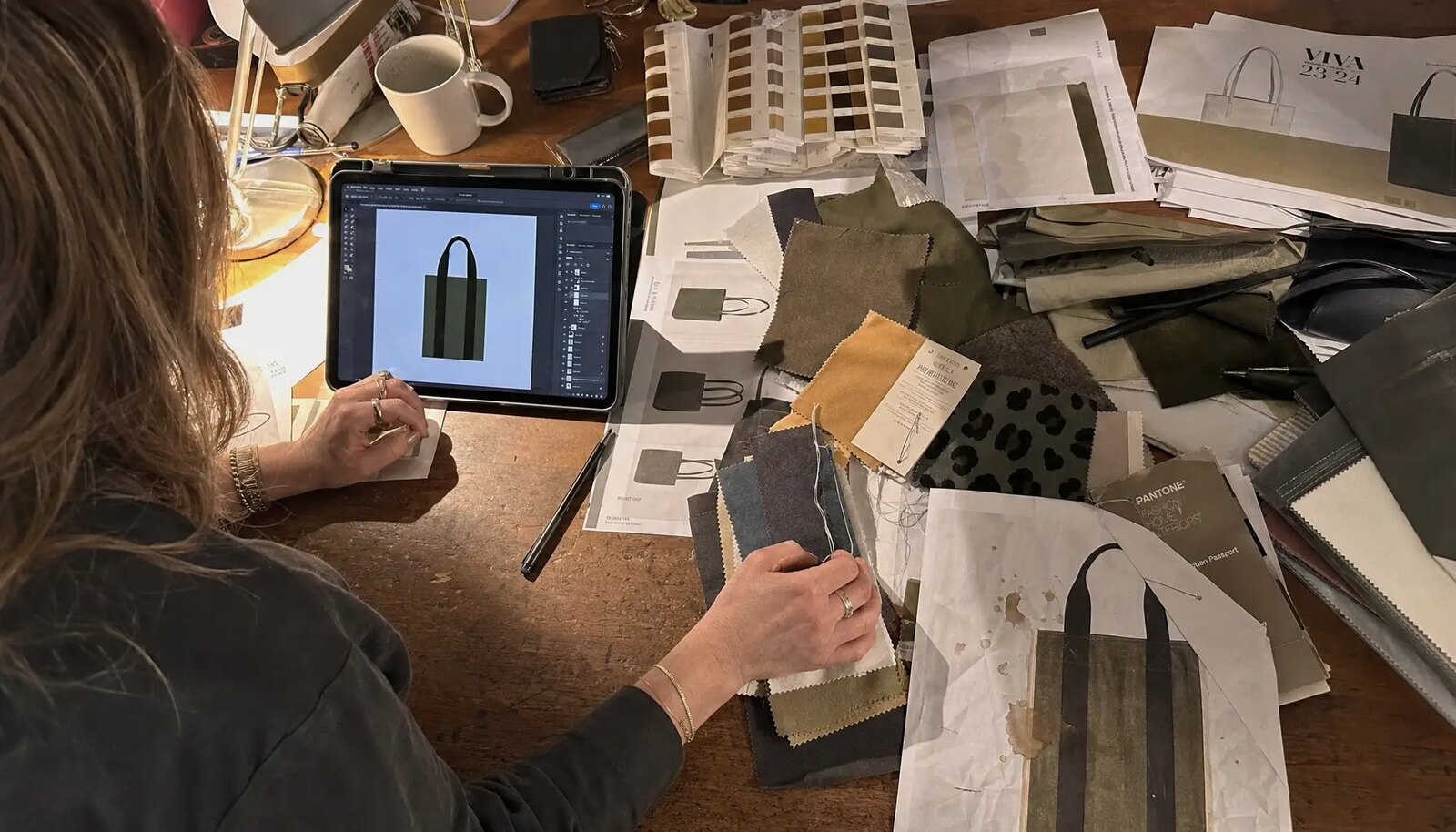
Define the Durability Target Before You Ask for Price
Hotel retail canvas messenger bags sit in a narrow middle ground. They are not throwaway totes, but they are also not technical luggage. A guest may buy one in a resort shop, carry a tablet and water bottle, use it for a city day trip, then keep using it as a daily shoulder bag. That use pattern creates stress at the strap anchors, flap fold, closure hardware, print surface, pocket opening, and bottom corners.
The RFQ should define the use case before it defines the logo. A factory can build a light souvenir bag or a stronger daily-carry version, but the fabric weight, reinforcement, and price are not the same. When buyers only send a photo and size, suppliers often quote the weakest build that still resembles the reference. A durability checklist keeps the quote tied to a real retail job, not just a visual match.
- For a simple souvenir bag, 10 oz to 12 oz canvas can work if the load is light and the bag is unlined.
- For hotel boutique retail, 12 oz to 16 oz canvas is usually a better starting range because the bag must feel stable on shelf and in hand.
- For conference or travel retail, prioritize strap width, anchor reinforcement, and closure life over decorative trim.
- For beach or resort use, consider dirt visibility, moisture handling, and print rub against sunscreen, towels, or damp clothing.
- If the bag may hold a tablet or water bottle, state the maximum working load in the RFQ instead of leaving the factory to infer it.
Choose Canvas Weight by Use Case, Not by Habit
Canvas weight is one of the first durability decisions, but it is often quoted too loosely. Some suppliers quote in ounces per square yard, while others quote in GSM. For buyer comparison, request both. As a practical reference, 10 oz canvas is often around 300 to 340 GSM, 12 oz around 380 to 420 GSM, and 16 oz around 500 to 540 GSM. Those are reference ranges, not a substitute for a measured swatch.
Heavier fabric is not automatically better. A 16 oz flap may look premium but can become bulky around seams, hard to turn cleanly, and more expensive to ship. A washed canvas may feel softer but can shrink and change size if the factory has not controlled cutting. For hotel retail, the best choice is the lightest fabric that still supports the expected load, keeps the flap flat, and prints cleanly.
- Request a fabric swatch with measured GSM before sample approval.
- Specify natural, bleached, dyed, washed, or unwashed canvas because finish affects handfeel, color, shrinkage, and price.
- Avoid comparing a 12 oz unwashed quote against a 12 oz washed quote without checking shrinkage and softness.
- For dyed canvas, confirm whether the MOQ is driven by fabric dyeing rather than sewing.
- Ask the supplier to confirm the fabric count, weave density, and finish method if you want the same handfeel across repeat orders.
Build Strength Into the Strap System
Most messenger bag failures do not start in the middle of the fabric panel. They start where the strap meets the body. Hotel retail buyers should treat the strap system as a load-bearing part, not a styling detail. The strap width, webbing material, anchor placement, stitch pattern, and reinforcement patch should all be visible in the sample and locked for bulk production.
A practical strap for canvas messenger bags is often 38 mm to 50 mm wide. Cotton webbing gives a natural look and matches canvas well, while polyester webbing can offer better abrasion resistance and less stretch. If the product uses an adjustable strap, the slider and rectangular ring must match the strap width and thickness. Loose hardware looks cheap and creates uneven load during carry.
- Use box-x stitching or bartacks at strap anchors for stronger load distribution.
- Add an internal reinforcement patch where the strap joins the bag body, and make sure its size is written into the spec.
- Specify strap length range, not only total strap length, so the bag works across different body sizes and use cases.
- Test the loaded bag for seam distortion, not only complete failure.
- Reject samples where the strap twists, slips through the slider, or pulls the side panel out of shape.
- If metal hardware is used, confirm finish consistency and edge smoothness because sharp plating defects can damage garments or skin.
Lock Down the Flap, Closure, Gusset, and Pocket Details
The flap is the main display surface and the part the guest touches most. It must fold cleanly, close evenly, and protect the contents without warping after packing. If a logo print crosses the flap fold line, the buyer should test cracking and rub at that fold. If the closure is a magnetic snap, the snap backing needs reinforcement so repeated opening does not tear the canvas.
The bottom gusset controls capacity and shelf shape. A flat bag with no gusset is cheaper and easier to pack, but it may not hold travel items comfortably. A 60 mm to 100 mm gusset is common for usable messenger bags, yet it adds stress at the lower corners. Strong corner stitching and clean seam allowance matter because hotel retail customers judge the bag by both appearance and function.
- Cycle closures at least 50 to 100 times during sample review to catch loose snaps and poor alignment.
- Check whether magnetic snaps leave pressure marks on light canvas after cartons are stacked.
- Inspect flap symmetry after loading the bag; a skewed flap usually means uneven sewing, uneven strap pull, or poor fold placement.
- Review the lower corners for puckering, skipped stitches, and thin seam allowance.
- If the flap carries artwork, keep the most important graphics away from the crease line so the design does not split awkwardly after use.
- If the bag includes a pocket, specify the pocket mouth reinforcement and whether the pocket ends are bartacked.
Match the Branding Method to the Wear Pattern
Hotel retail artwork usually carries the property name, destination illustration, event mark, or co-brand logo. The print must survive handling in the shop and normal guest use. Screen printing is efficient for solid logos and one to several colors. Heat transfer can handle fine artwork and gradients but needs careful adhesion testing on textured canvas. Embroidery looks premium but adds thread density, cost, and possible puckering on lighter fabric.
The important question is not only how the logo looks on day one. It is where the artwork sits relative to folds, snaps, strap contact, and carton pressure. A large print across the full flap can be attractive, but it has more exposure to rubbing and creasing. A woven side label or small embroidered mark can be more durable for understated hotel retail, especially for boutique properties that do not want a souvenir look.
- Run dry rub testing on printed areas and compare against the approved sample.
- Use tape pull testing for heat transfer edges, especially on textured canvas.
- Avoid thick ink layers where the flap folds sharply or contacts hardware.
- Confirm Pantone or brand color expectations on the real canvas color, not on white paper.
- Ask whether the print sits before or after any washing or finishing process, because fabric treatment changes how a design lays and ages.
- If the artwork is large, request a pre-production sample that shows the exact placement on the final bag size, not only a print strike on flat fabric.
Use Samples to Approve Construction, Not Just Appearance
A messenger bag sample should answer production questions. It should show the exact canvas weight, strap webbing, hardware, stitch color, label placement, print method, lining, pocket construction, and packing fold. A showroom sample made from available fabric is useful for shape review, but it should not become the approval sample unless all materials match the quoted bulk order.
For a hotel retail program, the better workflow is to approve a plain construction sample first when the shape is new, then approve a printed pre-production sample before bulk cutting. This costs more time upfront, but it reduces the chance of discovering print distortion, weak closure backing, or poor flap alignment after fabric has already been cut. The sample should also show whether the bag stands cleanly, lies flat when packed, and recovers from creasing without looking distorted on shelf.
- Measure finished width, height, gusset, flap depth, strap width, and strap drop on the sample.
- Load the sample with the expected retail weight and hang it for a defined period, such as 24 hours.
- Photograph reinforcement points before the sample is archived.
- Keep one approved sample at the factory and one with the buyer or inspection agency.
- Record every deviation from the quote in writing, including hardware finish, lining color, and label position.
- If you expect repeat orders, keep the sample spec versioned so future runs do not drift from the approved build.
Compare Quotes by Cost Driver, Not by Unit Price Alone
Canvas messenger bag quotes can vary widely because suppliers may include different assumptions. One quote may include 16 oz canvas, metal hardware, lining, screen print, individual polybags, and carton drop testing. Another may include 10 oz canvas, non-adjustable strap, no lining, simple print, and bulk packing. The unit price alone does not reveal which bag is being quoted.
Build the quote comparison around cost drivers. Fabric weight, dyed fabric MOQ, strap width, metal hardware, lining, pocket zipper, printing area, number of print colors, label type, carton method, and inspection scope all affect price. A slightly higher unit cost may be the lower-risk choice if it avoids retail returns, weak shelf presentation, or a second production run caused by a weak sample.
- Separate one-time artwork, screen, or digitizing charges from unit price.
- List MOQ by fabric color, bag style, logo design, and hardware finish.
- Request carton dimensions and gross weight so landed cost is comparable.
- Clarify whether quoted price includes sample cost, pre-production sample, inspection support, and spare packing materials.
- Ask the supplier to identify which elements are stock items and which require custom procurement.
- If two quotes look close, compare seam construction and reinforcement detail before you compare cents.
Set Practical QC Thresholds Before Production Starts
A durability checklist is only useful when the factory and buyer agree what passes. For many hotel retail orders, a final inspection under AQL can handle visual defects, but durability points need product-specific checks. The inspection plan should define load weight, test duration, closure cycling, print rub method, measurement tolerance, and defect classification before production starts.
Not every defect has the same commercial impact. A tiny thread end inside the lining is not equal to a loose strap anchor. A slight shade variation may be acceptable on natural cotton canvas, while a crooked printed hotel logo on the flap is not. Define critical defects for safety and function, major defects for retail appearance and durability, and minor defects for small workmanship issues.
- Critical: broken needle, sharp hardware, strap anchor failure, mold, serious stain, or unsafe metal edge.
- Major: crooked flap, loose closure, skipped stitches at stress points, print cracking, wrong logo position, wrong fabric weight.
- Minor: small loose thread, slight natural slub in cotton canvas, minor crease that disappears after hanging.
- Functional tests should be done on pulled samples from bulk production, not only on the pre-production sample.
- If the bag includes zippers or inside pockets, test those components separately because secondary parts are often under-specified.
- Define the acceptance sample count and escalation path before shipment so disputes do not start at the dock.
Protect the Bag During Packing and Transit
Hotel retail bags must arrive ready for shelf display or backroom handling. Canvas can crease, absorb moisture, pick up carton dust, and receive ink transfer from neighboring bags. Light natural canvas shows dirt quickly, while dark dyed canvas can transfer color if not properly controlled. Packing should be part of the RFQ, not an afterthought left to the production line.
Flat packing is common for messenger bags, but the flap and printed area need protection. Tissue paper between flaps, controlled carton quantity, and moisture protection reduce complaints at destination. Individual polybags may be requested for clean retail handling, but some hotel buyers prefer reduced plastic. If plastic reduction matters, specify paper bands, tissue wrap, or master polybag options early because packing labor and material cost will change.
- Require a packing photo showing fold method, print protection, carton layout, and carton mark.
- Avoid overfilling cartons to reduce permanent flap creases and hardware pressure marks.
- Use desiccant or moisture control for sea freight, especially during humid seasons.
- Confirm whether hangtags, barcode stickers, care labels, and country-of-origin labels are applied at factory.
- If the canvas is dark or garment-dyed, ask about color transfer precautions in the packing spec.
- For retail presentation, request a carton pack count that balances shipping efficiency with crease control.
Plan Lead Time Around Materials, Approvals, and Reorders
Lead time for canvas messenger bags is not only sewing time. Fabric availability, dyeing, strap webbing, hardware color, print approval, label production, and carton packing all influence the schedule. A plain natural canvas bag with stock webbing and a one-color print can move faster than a dyed canvas bag with custom lining, metal hardware, embroidery, and retail packaging.
For hotel retail buyers, the schedule risk is often created by late artwork or late sample comments. If the hotel brand team changes the logo size after the pre-production sample, the factory may need new screens, new transfers, or new embroidery setup. Put artwork approval, sample dispatch, buyer comments, deposit, material purchase, production start, final inspection, and shipment booking into one shared timeline.
- Separate sample lead time from bulk lead time in the purchase plan.
- Treat custom dyed fabric and custom metal hardware as schedule risk items.
- Confirm peak season capacity before placing repeat hotel retail orders.
- Reserve time for final inspection and rework; do not place inspection on the same day as container loading.
- Ask whether any components are bought from third parties, because outsourced hardware or labels can delay the whole order.
- If your opening date or promotional event is fixed, build a buffer for sample revisions and freight booking.
Specification comparison for buyers
| Spec decision | Recommended option | When it fits | Buyer risk to check |
|---|---|---|---|
| Main canvas fabric | 12 oz to 16 oz cotton canvas, roughly 380 to 540 GSM depending on weave, finish, and wash treatment | Hotel gift shops, resort boutiques, conference retail, and premium amenity sales where the bag must feel substantial on shelf and in hand | Check the actual finished GSM and shrinkage after finishing; a nominal 12 oz quote can hide very different handfeel and size stability |
| Strap construction | 38 mm to 50 mm cotton webbing or heavy polyester webbing with box-x stitching and bartacks at the load points | Daily-carry messenger bags sold for travel, city use, or commute carry | Narrow fashion straps may look neat in photos but twist, stretch, or fail at the anchor after load testing |
| Seam and stitch standard | 7 to 9 stitches per inch on body seams, reinforced bartacks at stress points, clean seam allowance of 8 mm to 10 mm | Orders where the buyer expects repeated opening, closing, and heavier contents | A low stitch count or weak thread specification can create seam creep, puckering, or anchor pull-out over time |
| Flap closure | Magnetic snap, metal snap, or buckle with a reinforcement patch behind the fixing point | Hotel retail where guests open and close the bag frequently and expect fast access | Unreinforced closures can tear through canvas, misalign after carton pressure, or leave visible pressure marks on light fabric |
| Printing method | Screen print for solid logos, heat transfer for fine multi-color art, embroidery or woven label for premium subtle branding | Property logo, destination artwork, spa retail branding, or co-branded event merchandise | Large prints across flap folds can crack or rub; thick ink layers can also feel stiff against garments |
| Lining choice | Unlined for entry retail; 210D polyester or cotton lining when internal finish, pocket durability, and premium handfeel matter | Boutique hotels and resort shops positioning the bag as a reusable accessory rather than a souvenir | Lining adds sewing steps and QC points; loose lining can catch at corners, flap edges, or pocket openings |
| Internal pocket | One slip pocket or zipper pocket with bartacked ends and matched pocket bag fabric | Buyers who want a phone, key card, or receipt compartment without turning the bag into luggage | Factories may downgrade pocket fabric or stitch density unless the pocket spec is written into the RFQ |
| Carton packing | Flat packed with tissue between printed flaps, moisture control, and carton compression suited to sea freight | Bulk hotel retail orders where shelf presentation matters after long transit | Over-compressed cartons can create permanent flap creases and ink transfer between bags |
| Inspection scope | AQL final inspection plus loaded carry, seam pull, closure cycling, print rub, and carton drop checks | Importers and distributors managing multiple hotel buyers or retail chains | A visual-only inspection misses failures that appear only after a guest carries the bag with real weight |
Buyer checklist before sampling
- Define the actual retail use first: souvenir bag, conference bag, beach resort carry, spa retail accessory, or premium boutique item.
- State the maximum working load in the RFQ, such as 3 kg for light retail or 5 kg for daily-carry use, so the factory does not guess the reinforcement level.
- Specify finished bag size, flap depth, gusset width, strap width, strap drop range, and whether the strap is fixed or adjustable.
- Set the canvas weight in both oz and GSM and require the factory to quote the same fabric construction, not only the same color.
- Ask for a physical fabric swatch or sample panel before approval, especially if the canvas is washed, dyed, enzyme-finished, or pre-shrunk.
- Require reinforcement at strap anchors, closure points, pocket ends, and flap corners before approving the production sample.
- Confirm the stitch standard on the sample, including body seam stitch density, bartack length, and thread type, before bulk cutting starts.
- Approve printing on the same fabric weight and color planned for bulk production, then test fold, rub, and wash resistance if relevant.
- Use a loaded carry test with a realistic hotel retail weight and record seam distortion after the test, not only pass or fail.
- Check magnetic snaps, buckles, sliders, and zipper pullers for corrosion risk, sharp edges, pull strength, and smooth operation.
Factory quote questions to send
- What exact canvas weight are you quoting in oz and GSM, and is it stock fabric or custom dyed fabric?
- Is the quoted canvas washed, unwashed, bleached, natural, dyed, or enzyme-finished, and what shrinkage allowance did you build into cutting?
- What is the exact weave or fabric count, and can you confirm the roll width and any width loss after finishing?
- What strap webbing width, material, thickness, and color are included in the price?
- How are the strap anchors reinforced: extra canvas patch, box stitch, bartack, metal rivet, or a combined method?
- What stitch density are you quoting on the main seams and on bartacks, and which thread type is included?
- Which closure hardware is included, and can you provide photos or samples of the exact magnetic snap, buckle, slider, zipper, or rivet?
- What print method are you quoting, how many colors, what print size, and is artwork setup included?
- What MOQ applies to the bag body, fabric color, strap color, metal hardware color, lining, and print separately?
- What is the sample lead time for a plain construction sample and for a printed pre-production sample?
Quality-control points to confirm
- Canvas GSM should be controlled against the approved swatch or lab dip, with the tolerance set in writing before production. If the buyer does not specify otherwise, a practical control band is often plus or minus 5 percent.
- Finished dimensions should stay within the agreed tolerance, commonly plus or minus 10 mm on width and height, plus or minus 5 mm on gusset and flap depth, and plus or minus 10 mm on strap drop.
- Canvas shrinkage should be measured before mass cutting if the fabric is washed, dyed, enzyme-finished, or untreated natural canvas that may move after finishing.
- Main body seams should be checked for even stitch density, straight seam lines, and a clean seam allowance of 8 mm to 10 mm where the pattern allows.
- Strap anchors should withstand a loaded hang test without seam popping, fabric tearing, stitch elongation, or stitch backout.
- A practical loaded test for retail messenger bags is 3 kg to 5 kg for 24 hours, with no functional failure and no more than minor permanent distortion at the anchor points.
- Flap closures should open and close repeatedly without pulling the canvas, loosening the hardware, or leaving visible pressure damage on the fabric surface.
- A closure cycle check of 50 to 100 operations is a useful sample-level screen for magnet alignment, snap retention, and buckle function.
- Printed areas should pass dry rub and tape pull checks without obvious ink loss, edge lifting, cracking at the fold, or transfer to the opposite bag surface.
- Metal hardware should be free of sharp edges, rust marks, plating flaking, burrs, and obvious color mismatch between matching parts.