Why carton planning matters more than the bag spec alone
For canvas messenger bags sold through natural grocers, buyers often spend time on fabric, print, and strap details but leave carton planning to the factory. That is where preventable freight cost and damage claims start. A messenger bag has more bulk than a flat tote because the flap, strap, gusset, and hardware create uneven compression points. If the packing plan is not defined early, one supplier may quote 50 pieces per carton and another 32 pieces, making unit price, freight, and warehouse handling impossible to compare fairly.
Carton planning is not just a logistics detail. It affects bag appearance at unboxing, receiving labor, freight cube, and retail launch timing. Bags packed too tightly can arrive with hard flap creases, distorted gussets, and print transfer marks. Bags packed too loosely waste container space and raise landed cost. The right plan connects product spec to shipping method and store replenishment needs, especially when natural grocer buyers route goods through distribution centers with strict carton size and labeling rules.
- Messenger bags create irregular packed volume because straps and flap thickness vary by design.
- Carton efficiency changes once you add base boards, buckles, zipper pockets, or metal sliders.
- Freight comparison is unreliable if suppliers quote different pieces per carton and carton sizes.
- DC receiving is smoother when carton count, labels, and inner grouping are decided before production.
Start with the use case before you lock fabric weight
Natural grocer programs use canvas messenger bags in several ways: branded merchandise, employee kits, wellness promotions, local vendor bundles, or premium gift-with-purchase sets. Those use cases do not need the same construction. A light 10 oz canvas around 280-300 GSM can work for catalogs, leaflets, and light retail goods, but once the bag is expected to carry boxed food items, jars, or multiple glass bottles, buyers should usually move into the 12 oz to 14 oz range, roughly 340-400 GSM. That extra structure improves shelf appearance and reduces seam stress, but it also reduces pieces per carton.
This is where many RFQs go wrong. Buyers request 'canvas messenger bag' without stating expected load. The factory then quotes a low GSM body to win on price, but the bag collapses and the carton can be packed very tightly because the body has less rebound. On paper the quote looks efficient. In real use the bag underperforms and print wrinkling becomes more visible. For natural grocer retail channels, it is better to define the practical payload and let suppliers quote the matching GSM with realistic carton counts.
- 280-300 GSM: lighter promo use, lower cost, easier folding, higher risk of collapse under heavier contents.
- 340 GSM: common working level for branded messenger bags with better structure and balanced freight efficiency.
- 400 GSM and above: premium feel and durability, but carton weight and cube rise quickly.
- If adding zipper compartments or a base insert, calculate packed bulk again instead of reusing tote bag carton assumptions.
Print method affects both appearance and how the bags can be packed
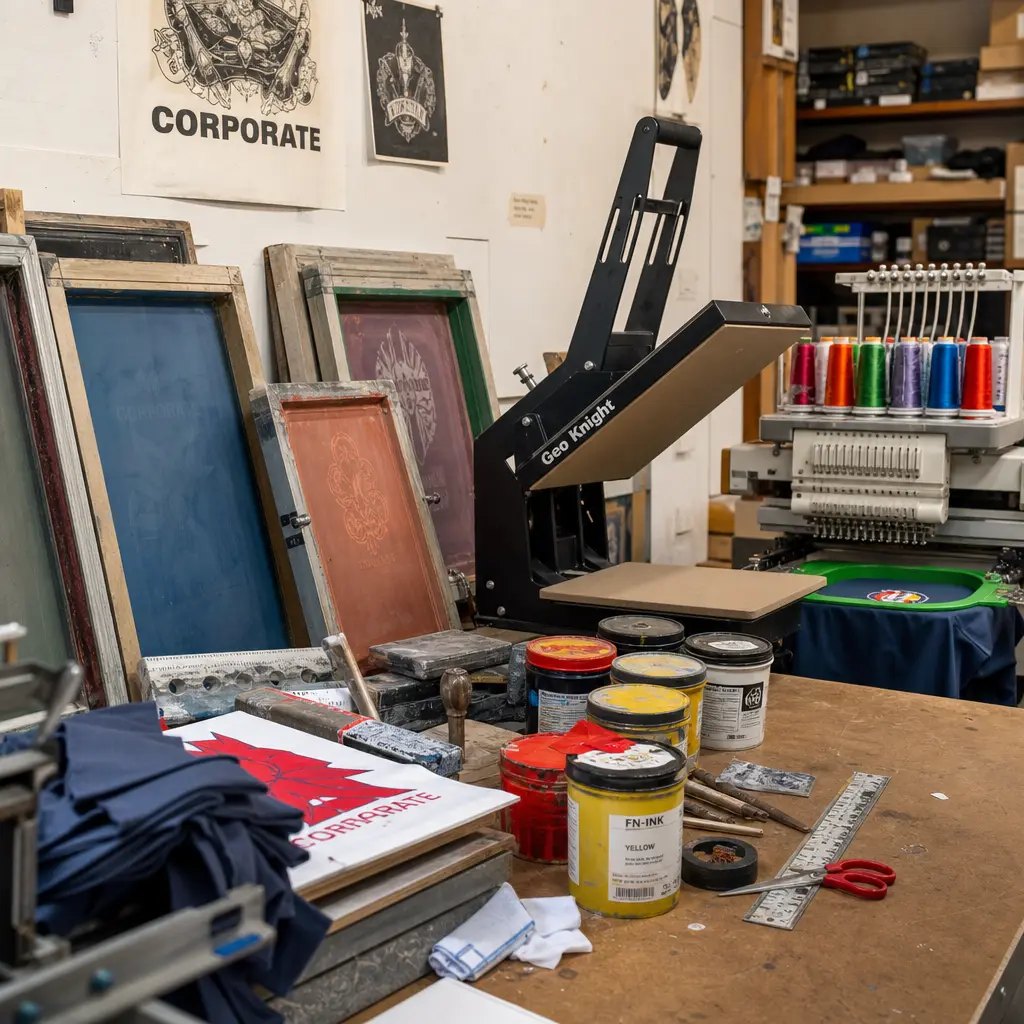
For natural grocer branding, most messenger bag programs use screen printing because it is cost-efficient, durable enough for routine retail use, and easy to repeat across reorders. One-color or two-color artwork on the flap or front body is usually the most economical route. Heat transfer or DTF may suit short runs with complex artwork, but they often create a stiffer print area that does not fold as cleanly in a packed carton. Embroidery can look premium on heavier canvas, yet it adds local bulk that changes how bags stack and can create pressure marks if over-compressed.
Packing method should follow the print choice. Large dark prints need full curing time before bags are stacked in inner poly packs. If the print film is not fully stabilized, the ink can offset to the adjacent bag under heat and pressure during transit. This risk is higher in humid seasons and long ocean shipments. Buyers should treat print curing and interleaving as part of the carton plan, not just as a print quality issue.
- Screen print: best standard choice for medium to high volume private label orders.
- Heat transfer or DTF: useful for complex graphics or low MOQ, but can raise folding and cracking risk.
- Embroidery: strong visual value, though denser embroidery can create stack pressure points.
- For large printed panels, request interleaving or face-to-back alternating folds if bags are tightly packed.
How MOQ logic changes the real packing and quote structure
MOQ for canvas messenger bags is rarely only about sewing efficiency. It is driven by fabric sourcing, dye lot control, print setup, and trim minimums. A realistic MOQ may be 300 to 500 pieces per color and design for a standard construction, but the true break point depends on whether the canvas is stock natural color or custom dyed, whether metal hardware is standard, and whether the print requires a separate setup for each colorway. If a buyer pushes the quantity too low, the supplier may still accept the order but recover cost through higher unit price, less efficient packing, or mixed material lots.
That matters for natural grocer buyers because a low-MOQ pilot order often turns into a difficult first shipment: inconsistent shade, mixed cartons, and packing shortcuts. A better approach is to request the supplier’s standard packing basis at MOQ and then the adjusted basis below MOQ. This exposes whether a lower quantity is only more expensive or if it also introduces material and packing compromises.
- Natural canvas usually has lower MOQ pressure than custom-dyed canvas.
- Each print layout may require its own setup and spoilage allowance.
- Hardware color changes can trigger separate trim minimums and delay.
- Low MOQ can reduce factory motivation to optimize carton count carefully.
Build a carton plan from dimensions, not from target piece count
A common mistake is telling the factory to maximize pieces per carton without giving any limit on bag deformation or carton handling weight. That usually leads to overfilled cartons. The better method is to start from the finished bag dimensions, folding method, hardware bulk, and acceptable crease level. For example, a medium canvas messenger bag with a front flap, 8-10 cm gusset, and cotton webbing strap may fit well in a carton around 55 x 40 x 35 cm at 30-40 pieces, but the right count depends on whether the strap is detached, tucked inside, or wrapped around each body.
Use carton planning as a simple engineering exercise. Measure folded bag thickness from a real sample, include the thickest point from hardware or folded strap, then build stack height with a modest compression allowance rather than a theoretical flat thickness. This gives you a practical carton count that protects appearance and keeps gross weight manageable for manual warehouse handling.
- State whether bags are folded with flap outside, flap inside, or body flattened with gusset collapsed.
- Set a gross carton weight range that your warehouse can handle, often around practical manual handling limits.
- Request both outer carton dimensions and net packed bag height to compare supplier assumptions.
- If shipping via parcel or mixed retail replenishment, smaller cartons may save handling cost even if freight cube rises slightly.
Sample approval should include a packed sample, not only a sewn sample
Many buyers approve a beautiful pre-production sample and assume bulk goods will look the same. That misses the most important test for messenger bags: how the product behaves after folding and packing. A sewn sample on a table does not reveal flap memory, strap indentation, print blocking, or whether a base insert shifts during transit. Before bulk approval, buyers should request one packed sample set using the exact proposed inner pack and carton arrangement, then review the bags after a period of compression if timing allows.
A packed sample is especially useful when the bag has heavier canvas, large print coverage, or metal trims. Some issues only appear after pressure and storage: print ghosting, flap edge curl, webbing creases, and mark transfer from buckles. A few sample photos are not enough. The supplier should show folded orientation, poly grouping, carton fill pattern, and carton closure condition. This prevents last-minute changes after production has already started.
- Approve one blank construction sample and one printed pre-production sample.
- Request photos of bags before packing, during inner poly packing, and inside the export carton.
- If possible, let the packed sample rest for several days before evaluation.
- Record approved fold direction and strap placement so the factory cannot improvise during bulk packing.
Cost drivers that buyers should separate in the quote
When comparing quotes, buyers often focus only on ex-works or FOB unit price. For messenger bags, that hides major differences. A supplier quoting lower unit cost may be using lighter canvas, fewer stitches at stress points, or aggressive carton fill. Another supplier may quote a slightly higher bag price but fit more stable, better-protected cartons into a container, reducing delivered cost per usable unit. To compare properly, break the quote into material, print, trims, packing, and shipping cube impact.
A practical quote sheet should isolate at least these variables: canvas GSM, trim specification, print method and colors, packing basis, and loading quantity per container. If one quote includes 50 pieces per carton and another includes 35, unit freight can swing enough to reverse the ranking. The buyer needs the factory’s carton math to estimate landed cost, not just the bag cost.
- Material cost rises with GSM, but denser fabric may reduce complaint rate and improve retail feel.
- Metal hardware adds trim cost and increases packed bulk compared with simpler closures.
- Screen print cost depends on number of colors and print area, not only artwork complexity.
- Packing cost includes poly grouping, interleaving, labels, and carton board grade.
- Container loading quantity can change the real landed cost more than a small bag price difference.
QC thresholds that prevent packing-related claims
Quality control for canvas messenger bags should include more than visual inspection at the sewing line. Packing-related defects often appear after the goods leave final assembly. For natural grocer buyers, the most expensive issues are not always broken seams; they are count errors, mixed SKUs, deformed bags, and print transfer that force warehouse rework. QC should therefore include packed-carton verification, not just random open-table checks.
Set simple acceptance thresholds tied to actual use. For example, major seam misalignment, hardware rust, wrong label, obvious print smudge, or carton overfill should be rejectable. Mild fold marks that relax after hanging may be acceptable, but permanent flap distortion should not. Buyers should align these standards before production so the supplier is not trying to interpret retail tolerance after the goods are finished.
- Verify bag dimensions after packing and recovery, not only immediately after ironing.
- Inspect print rub resistance on cured production pieces, especially dark ink on natural canvas.
- Open packed cartons during final inspection to verify inner assortment and fold consistency.
- Review carton wall condition and closure tape integrity before container loading.
- Spot-check weight of filled cartons to catch overpacking or count variance.
Lead time risk sits in fabric, print curing, and packing approvals
Canvas messenger bag lead times are often underestimated because buyers count sewing days but overlook material and finishing bottlenecks. If the program uses stock natural canvas, standard webbing, and simple screen print, production may move quickly once artwork is approved. But custom-dyed fabric, special hardware plating, and revised carton plans can all delay start. Packing approval itself can become critical if the first proposed carton arrangement causes deformation and the factory must redesign the fold method or carton dimensions.
For natural grocer launches tied to promotions or seasonal campaigns, the safest planning method is to identify the steps that can hold the shipment: lab dip or dye approval, pre-production sample signoff, print color approval, bulk sewing, print curing, final packing, and inspection booking. Buyers should also note whether the carton printing, barcode labels, or retailer routing marks are outsourced. Those details often become a hidden last-mile delay.
- Stock fabric shortens schedule; custom dyeing adds approval and production time.
- Large print areas may need extra curing or staging before immediate packing.
- Custom carton print or special labels can delay packing even when bags are ready.
- Late bag count changes can force a full carton recalculation and new shipping booking.
A practical landed-cost comparison for natural grocer import programs
A useful sourcing decision is not simply whether one factory offers the lowest FOB price. Buyers should compare delivered economics based on usable units, not nominal units. Example logic: Supplier A quotes a lower bag price using 300 GSM canvas and 50 pieces per carton, while Supplier B quotes a slightly higher price using 340 GSM canvas and 36 pieces per carton with stronger carton board and interleaving. Supplier A may appear cheaper until you include the risk of bag deformation, receiving rework, and customer-facing presentation issues. Supplier B may use more freight cube, but the bags arrive closer to sale-ready condition.
For distributors and importers, there is also a warehouse handling angle. Smaller, stable cartons may reduce unloading strain, counting errors, and aisle damage. If the bags are redistributed to multiple retail accounts, clean assortments and readable carton labels can save labor that does not show up on the factory invoice. The goal is not to buy the densest-packed carton. It is to buy the best delivered condition per total landed dollar.
- Compare unit bag cost, freight cube, expected damage rate, and warehouse repacking labor together.
- Request loading quantity by container type so freight forwarders can model realistic shipping cost.
- If using LCL, prioritize carton strength and stack stability because handling cycles increase.
- If using FCL floor loading, optimize carton footprint for stable stacking without over-compression.
Specification comparison for buyers
| Spec decision | Recommended option | When it fits | Buyer risk to check |
|---|---|---|---|
| Fabric weight | 12 oz canvas, about 340 GSM | Best balance for grocery-related daily use, structure, and manageable carton weight | Below 280 GSM bags can collapse and wrinkle in packed cartons; above 400 GSM can push carton weight too high |
| Bag construction | Single main compartment plus internal base support board optional | Useful when the bag must carry boxed groceries, jars, or promotional sets with better shape retention | Hidden board can increase packed volume and may trigger larger carton size if not removed before shipment |
| Printing method | 1-2 color screen print on flap or front panel | Most cost-efficient for natural grocer own-brand programs and repeated reorders | Large dark flood prints can offset onto adjacent bags if curing and interleaving are not controlled |
| Trim choice | Cotton webbing strap with metal slider | Preferred for mid-volume retail orders needing lower breakage risk than plastic hardware | Unplated low-grade metal can scratch fabric or rust in humid storage if supplier trims are downgraded |
| Individual packing | Flat packed, 10-20 bags per inner poly by colorway or print version | Fits importers wanting easier receiving count and reduced repacking labor | Single-bag poly can waste carton cube and raise freight cost; no inner grouping makes warehouse sorting slower |
| Carton size target | Outer carton around 55 x 40 x 35 cm, adjusted by bag depth and flap bulk | Good for manual handling, mixed-SKU stacking, and stable palletization | Oversized cartons lower handling efficiency and are more prone to crush damage in floor-loaded containers |
| Pieces per carton | Usually 30-50 pcs depending on GSM, gusset, and hardware | Works for most canvas messenger bag programs without exceeding practical carton weight | Quote based on unrealistic 60+ pcs can lead to deformed bags, strap creasing, and carton bursting |
| MOQ logic | Per color and print layout MOQ tied to fabric dye lot and print setup, often 300-500 pcs per design | Appropriate for private label retail where consistent color and artwork are required | Very low MOQ requests often produce mixed fabric lots, inconsistent print shade, or surcharge-heavy quotes |
| Shipping mode planning | Compare floor-loaded FCL versus palletized LCL before locking carton dimensions | Important when natural grocer buyers split shipments by warehouse or launch date | A carton plan optimized only for FCL may become inefficient or damage-prone in LCL consolidation |
Buyer checklist before sampling
- Define the messenger bag’s filled use case: brochures only, boxed groceries, jar sets, or retail merchandise, because load type changes GSM and carton count.
- State finished bag size with flap, gusset depth, strap width, and whether the strap is packed inside or wrapped around the body.
- Specify fabric as natural canvas or dyed canvas, and list target weight in GSM or oz to avoid incomparable supplier quotes.
- Identify print area, colors, and whether the print must be on the flap, body, inside label, or side label.
- Decide whether bottom insert, foam, zipper, magnetic snap, or metal buckle is included, since trim bulk drives carton size.
- Request proposed pieces per carton, carton dimensions, gross weight, and loading quantity per 20GP, 40GP, and 40HQ.
- Set acceptance criteria for bag folding, crease tolerance, print rub resistance, and carton drop condition on arrival.
- Require pre-production sample approval and packed-carton photo approval before bulk shipment.
- State if cartons need SKU labels, barcode labels, color stickers, or warehouse routing marks.
- Clarify whether shipment is floor-loaded or palletized, because that changes carton compression requirements and stack pattern.
Factory quote questions to send
- What canvas weight are you quoting in GSM and oz, and what is the finished weight tolerance per bag?
- How many pieces fit per carton without deforming the flap, strap, or gusset after 30 days of storage?
- What carton dimensions and gross weight are you proposing, and how many cartons load in 20GP, 40GP, and 40HQ?
- Does your quote include inner poly grouping, silica gel, interleaving paper, or strap bundling method?
- Which print method are you quoting, and what rub, crack, or curing controls are used before packing?
- What is the MOQ by fabric color, print layout, and trim combination, and what surcharge applies below standard MOQ?
- Can you provide a packed-drop test photo or carton compression evidence for this exact bag construction?
- What is the sample timeline for blank sample, printed pre-production sample, and packed shipping sample?
- How do you prevent metal hardware marks, flap creasing, and print offset inside the export carton?
- What lead time assumes fabric in stock versus custom dyeing, and what steps are on the critical path?
Quality-control points to confirm
- Fabric weight should match approved spec within an agreed tolerance; major drop from approved GSM should be treated as a material deviation, not a minor issue.
- Body panels, flap, and gusset should be square and symmetrical; visible skew beyond agreed tolerance causes poor shelf presentation and packing inefficiency.
- Screen print color, position, and curing should match approved sample; no tacky surface, ghosting, or visible rub-off after practical dry-rub testing.
- Strap stitching at load points should use reinforced box stitch or bar tack where specified; skipped stitches or loose thread ends are rejectable on retail programs.
- Metal sliders, buckles, or snaps should be free from rust spots, sharp edges, and plating peel that could stain natural canvas in humid transit.
- Inner packing must group bags exactly as approved by colorway or SKU; mixed assortments inside one poly often create receiving errors and shortage claims.
- Cartons should meet approved dimensions and gross weight; overfilled cartons that distort side walls should be held before container loading.
- Shipping marks, item labels, and carton count labels must match PO and packing list exactly to avoid DC receiving disputes.