Define the Bakery Use Case Before Comparing Prices
Canvas messenger bags for artisan bakeries are not bought for one single purpose. The same product name can refer to a low-cost event giveaway, a premium retail merchandise item, a bread subscription pickup bag, a staff carry bag, or a distributor resale style for multiple bakery accounts. Each use case changes what matters most. A paid retail bag needs cleaner finishing, consistent logo placement, attractive folding, and better presentation. A pickup bag needs capacity, comfortable carrying, and closure reliability. A staff bag may need darker fabric, a practical pocket, and stronger reinforcement more than premium packaging.
Procurement teams should define the commercial role before asking suppliers for prices. If the RFQ only says canvas messenger bag with logo, each factory may quote a different fabric weight, strap width, gusset depth, lining, and packing method. One quote may be for a flat 10 oz promotional bag, while another may be for a reinforced 12 oz gusseted bag with a lined interior. Those are not comparable products. The buying checklist should start with the bag's job, the target selling price or budget, the expected load, and the channel where the bag will be handled.
For artisan bakeries, the brand environment also matters. Natural cotton canvas can support a warm, craft-focused look, but it shows stains more easily. Dyed canvas can hide handling marks and suit staff use, but color approval is more complex. A bakery selling the bag beside fresh bread, pastries, and coffee also needs to think about odor, lint, moisture, and shelf appearance. A bag that looks fine in a warehouse carton may still fail the counter test if the flap is crushed, the strap is tangled, or the logo is partly hidden when displayed.
- For retail merchandise, prioritize consistent stitching, clean logo placement, retail labels, attractive folding, and predictable shade.
- For subscription pickup, prioritize gusset depth, strap strength, closure reliability, and a size that matches actual bread or pastry packaging.
- For staff use, prioritize darker fabric colors, reinforced strap points, practical pockets, and washable-looking construction.
- For event giveaways, simplify fabric, structure, print colors, and packing to keep unit cost and lead time controlled.
- For distributor resale, keep the base design flexible so different bakery logos can use the same approved bag body.
- For seasonal gift sets, test the bag with the full bundle because jars, coffee pouches, and boxed goods create concentrated weight.
Choose Canvas Weight by Load, Not by Habit
Fabric weight is one of the most common hidden quote differences in canvas messenger bag sourcing. A 10 oz and a 12 oz canvas bag may look similar in a photo, especially before loading, but they behave differently at the bakery counter. Lighter canvas folds easily and can reduce cost, yet it may sag when carrying boxed pastries, coffee bags, jars, cookbooks, or branded retail goods. Heavier canvas gives better body and perceived value, but it increases material cost, sewing difficulty, carton volume, and shipping weight. For many bakery wholesale programs, 12 oz canvas, roughly 380-420 GSM depending on weave and finishing, is a practical starting point.
Buyers should not rely only on the word canvas. Canvas weight can be stated in ounces, GSM, or sometimes by supplier shorthand that is not consistent across mills. The RFQ should request both oz and approximate GSM, plus the fabric composition and whether the fabric is natural, dyed, washed, or treated. Natural canvas usually has visible cotton character, while dyed canvas may feel different after finishing. Washed canvas can feel softer but may require more control over shrinkage, shade, and measurement tolerance.
The intended load should be written into the specification. A bag expected to carry a baguette and paper receipt does not require the same structure as a bag expected to carry two pastry boxes, a coffee pouch, and a jar of jam. If the buyer states a target load such as 3 kg or 5 kg, the factory can recommend strap width, seam allowance, bartack reinforcement, gusset construction, and closure placement more accurately. The final approval sample should be tested with realistic products rather than judged empty on a table.
- 8-10 oz canvas is suitable for lightweight campaigns, short-term giveaways, and very price-sensitive orders.
- 12 oz canvas is suitable for most bakery retail messenger bags, pickup programs, and repeat wholesale merchandise.
- 14 oz canvas can fit premium merchandise, but buyers must accept more stiffness, higher weight, and potentially larger cartons.
- Dyed canvas should be approved by hand feel and shade on actual material, not only by Pantone reference.
- Washed or softened canvas may need extra measurement tolerance because finishing can change shrinkage and texture.
- If the bag must carry jars, boxed goods, books, or multiple products, specify the expected load and test the sample accordingly.
Build the Messenger Bag Around Real Bakery Products
A messenger bag looks simple until the buyer checks it against actual bakery product dimensions. Bread loaves, pastry boxes, coffee pouches, aprons, retail jars, recipe cards, and small gift sets do not fit the same way. A flat messenger body can look clean in a catalog photo, but it may be frustrating if a customer tries to carry a pastry box or retail bundle. A gusseted body costs more because it uses additional fabric and sewing time, but it creates usable capacity and helps the bag keep a more balanced shape when loaded.
Finished dimensions should be stated clearly in the RFQ. Buyers should specify width, height, gusset depth, flap length, strap width, strap length range, and target strap drop after sewing. Cutting size is not enough because seams, folding, pressing, and fabric shrinkage can change the final measurement. The flap should cover the opening well enough to protect the contents, but not so long that it blocks access or creases sharply when the bag is filled. For printed flaps, the logo area should remain visible and reasonably flat when the bag is hanging.
The best way to finalize dimensions is to build a load test around the bakery's actual products. If the bag is for bread subscription pickup, test the most common order size. If it is for retail gift sets, test the heaviest bundle planned for sale. If it is for staff, test a water bottle, apron, notebook, POS device, or tablet if those items are realistic. This prevents overbuilding the bag for a simple merchandise program or underbuilding it for daily operational use.
- For bread and pastry pickup, set gusset depth based on the product box width rather than guessing from a standard tote size.
- For gift sets, test the bag with the actual jar, coffee pouch, tea box, packaged cookie tin, or branded merchandise bundle.
- For staff bags, add an inside pocket only if it does not distort the outer print area or create weak points at the side seam.
- For counter display, specify how the flap should fold so the printed logo remains visible and the bag looks neat when empty.
- For online retail, confirm packed dimensions because bulky flaps, straps, and hardware can increase fulfillment cost.
- For distributor programs, avoid unusual dimensions unless they are necessary, because standard carton planning becomes harder.
Specify Strap, Closure, and Reinforcement Details
The strap system is a major quality point on canvas messenger bags because the weight pulls at an angle across the body. A thin strap can make a bag look acceptable in a photo but uncomfortable in real use. For most adult bakery customers and staff, cotton webbing around 3.0-3.8 cm wide offers a practical balance of comfort, cost, and appearance. Wider straps feel sturdier but add material cost and may look too utilitarian for some retail merchandise. Adjustable straps are useful because customers wear messenger bags differently depending on body size, coat thickness, and how full the bag is.
Strap anchors should be treated as stress points, not decorative details. Buyers should ask whether the factory will use bartacks, box stitching, reinforced seam allowance, extra canvas patches, or another reinforcement method. The stitch color should also be specified. Matching thread gives a cleaner look, while contrast thread can look intentional only if the stitching is very consistent. If hardware such as sliders, D-rings, or metal adjusters is used, the metal finish and strength should be approved on the sample.
Closure choice should match the bag's use and brand position. Metal snaps are common for simple retail bags, but alignment must be checked after the bag is loaded. Magnetic snaps can create a cleaner user experience, yet they must work through the actual flap thickness and any lining layers. Hook-and-loop can be practical for staff or event use, but the sound and surface feel may not suit premium bakery merchandise. The closure area may also need reinforcement so repeated opening does not tear the canvas or distort the flap.
- Use adjustable cotton webbing when the bag will be sold or distributed to a broad adult customer base.
- Specify strap width, strap length range, adjuster material, adjuster color, and attachment stitch pattern in the RFQ.
- Reinforce strap anchors with bartacks, box stitching, patches, or an approved construction method suitable for the target load.
- Test snap and magnet alignment after the sample is filled, not only when the bag is empty.
- Avoid placing closure hardware where it interferes with the printed logo, flap fold, or internal pocket.
- Check metal hardware for sharp edges, plating defects, rust risk, and consistency with the bakery's visual style.
Match Printing Method to Canvas Texture and Order Volume
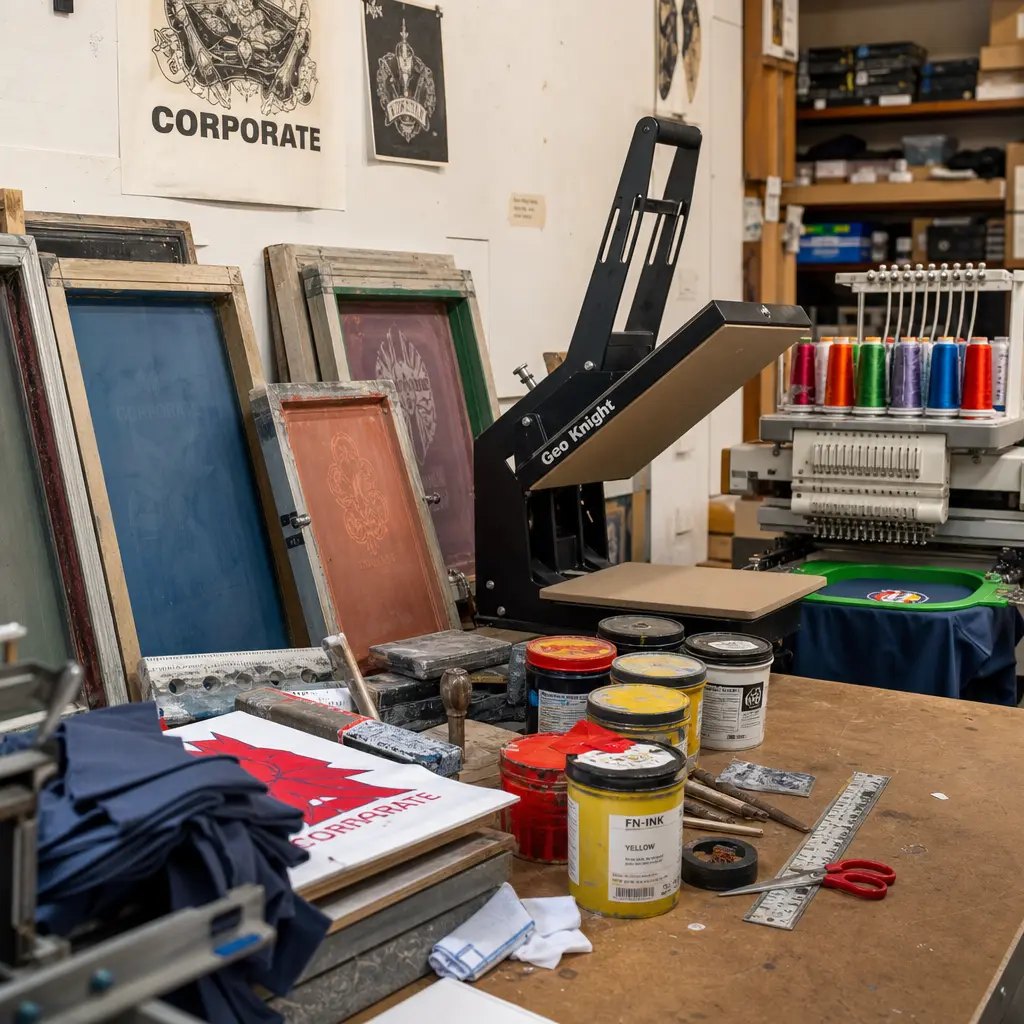
Most bakery logos work well with screen printing because bakery branding often uses solid colors, simple typography, wheat illustrations, bread icons, or line art. Screen printing is also practical for repeat wholesale programs because once the artwork, mesh, ink, and placement are approved, the result is relatively predictable. The limitation is detail. Small serif text, thin lines, distressed vintage textures, and tiny registration marks can fill in or break up on textured canvas. The factory should review the artwork at actual print size before confirming that it is production-ready.
Heat transfer can help when the design has many colors, gradients, or artwork complexity that would be costly to screen print. However, heat transfer changes the surface feel and may look less natural on cotton canvas. It can be acceptable for short runs or complex seasonal graphics, but buyers should approve durability, edge feel, and appearance after folding. Embroidery can add a premium handmade impression for small logos, yet large embroidery on canvas panels may pucker if backing and tension are not controlled. Woven labels are useful for subtle branding, especially when a bakery wants the main flap to stay clean.
Artwork files should be supplied in vector format whenever possible. Buyers should specify print dimensions, print position from seams, number of colors, Pantone references if used, and whether small text must remain readable. Print color must be approved on the actual canvas because natural cotton color affects the final appearance. A warm off-white canvas can make ink look different from the same ink on bright white stock. If the logo sits on the flap, the buyer should also check how the print looks after the flap is folded and packed.
- Use screen print for one to three solid logo colors, repeat orders, and clean bakery identity systems.
- Use woven labels for subtle premium branding, small text, or a consistent trim that can carry across different bag colors.
- Use heat transfer only when artwork complexity justifies the surface feel and durability tradeoff.
- Use embroidery for small logos or patches, not large filled designs that may pucker the panel.
- Avoid placing heavy ink across thick seam crossings, flap folds, or high-abrasion strap contact areas.
- Approve print color, opacity, placement, and edge quality on actual canvas before authorizing bulk printing.
Understand MOQ Logic Before Negotiating
MOQ is not only a supplier preference. For canvas messenger bags, the practical minimum order quantity depends on fabric availability, dyeing minimums, hardware sourcing, strap color, label production, print setup, lining material, and packing requirements. A natural canvas bag with standard cotton webbing and a one-color screen print can usually be more flexible than a custom-dyed canvas bag with matching strap, magnetic snap, lining, woven label, hangtag, barcode sticker, and individual retail packaging. Buyers should ask what drives the MOQ instead of treating it as a single number.
Low first orders can make sense for bakery retail testing, especially when a brand is trying a new merchandise category. The risk is that the buyer requests a highly customized product at a quantity better suited to stock materials. A supplier may agree, but the price will be high, the lead time may be unstable, or the factory may quietly substitute materials to make the order possible. A stronger approach is to design a test specification around available materials and reserve custom dyeing or custom hardware for the second order after demand is proven.
Tiered quotes are the best way to understand cost movement. Buyers should request pricing at quantities such as 300, 500, 1000, and 3000 pieces, but the specification must remain identical across tiers. If one tier uses thinner canvas, simpler packing, or standard hardware while another uses the full custom specification, the price comparison is not useful. The quote should also show which one-time charges apply, such as sample charges, screen setup, label mold cost, or special packaging setup.
- Stock natural canvas usually gives the best MOQ flexibility and shortest sourcing time.
- Custom fabric color may require dyeing minimums higher than the actual bag order quantity.
- Custom straps, woven labels, metal trims, zipper pulls, and special hardware can create separate MOQs.
- Print setup cost should be stated clearly if it is not included in the unit price.
- Tiered quotes are useful only when size, fabric, strap, closure, print, label, and packing stay identical.
- For a bakery market test, simplify customization first; add premium trims after sales volume is clearer.
Read Cost Drivers Hidden Inside Similar Quotes
Two factory quotes for canvas messenger bags can appear to describe the same product but differ in important ways. The largest cost drivers include canvas weight, fabric width and waste rate, total fabric consumption, gusset depth, flap length, lining, strap width, hardware type, reinforcement sewing, print complexity, labels, hangtags, barcode work, and packing. A bag with a slightly smaller gusset, thinner strap, unbound seams, or no individual packing may be cheaper, but it may not meet the bakery's retail or operational goal.
Procurement buyers should request enough detail to understand what is included without asking the supplier to disclose every internal cost. At minimum, the quote should state finished size, material, fabric weight, color, strap, closure, lining, print method, number of print colors, labels, packing method, carton quantity, carton dimensions, gross weight, MOQ, lead time, trade term, and quote validity. If a supplier cannot state these details, the buyer cannot compare the price fairly with other offers.
Cost control should focus on choices that preserve the user experience. For example, removing lining may be acceptable if seams are neatly bound. Reducing the number of print colors may be acceptable if the logo still reads clearly. Using standard hardware may be acceptable if it matches the brand look. Cutting strap width, lowering canvas weight without testing, or removing reinforcement at stress points can create a cheaper bag that fails where customers notice it most.
- Fabric cost rises with heavier canvas, dyed colors, fabric waste, large flaps, gussets, and lining.
- Labor cost rises with bound seams, pockets, lining, bartacks, adjustable straps, hardware installation, and trimming requirements.
- Print cost rises with number of colors, print area, screen setup, ink coverage, strike-offs, and reprint difficulty.
- Trim cost rises with custom woven labels, metal hardware, zipper pockets, hangtags, and barcode labeling.
- Packing cost rises with individual bags, paper bands, retail-ready folding, carton strength, inner protection, and desiccants.
- Logistics cost rises when stiff bags cannot be compressed or carton gross weight exceeds warehouse handling limits.
Approve Samples With Production Tolerances, Not Just Photos
A photo sample can confirm overall appearance, but it cannot confirm canvas hand feel, strap comfort, closure strength, print opacity, fabric smell, seam quality, or packing creases. For wholesale buying, the approval sample should be made as close as possible to bulk production. If the supplier uses substitute fabric, substitute hardware, or a temporary print method for the first sample, that sample should be treated as a shape sample only. The buyer should not release full bulk production until actual materials and methods are approved.
Sample approval should create measurable standards. Buyers should record finished width, height, gusset depth, flap length, strap length range, logo size, print position, label placement, hardware alignment, seam finish, and packing fold. Photos should be taken from front, back, sides, inside, strap anchors, closure area, and carton packing position. Written notes are important because a sample that looks acceptable in one meeting can be remembered differently by merchandising, procurement, quality, and warehouse teams later.
The sample should also be tested in context. Load it with actual bakery products, hang it by the strap, open and close the flap, check whether the logo stays visible, and pack it as the factory proposes for bulk shipment. If the bag will be sold at retail, check whether it looks presentable after being removed from the carton. If it will be used for pickup subscriptions, test loading and unloading speed. If it will be shipped to consumers, check packed size and whether the flap or hardware causes a bulge.
- Measure body width, height, gusset depth, flap length, strap width, and strap length range with the bag laid flat.
- Load the sample with intended bakery products and hang it briefly to check strap comfort and anchor stability.
- Rub the printed logo lightly with a dry white cloth after full curing time to check obvious ink transfer risk.
- Open and close snaps, magnets, or hook-and-loop repeatedly to test alignment and user feel.
- Pack the sample as bulk goods will be packed, then inspect flap creases, strap marks, and print transfer.
- Sign off the approved sample with dated photos and notes so bulk inspection has a clear reference.
Set QC Thresholds for Fabric, Stitching, Print, and Hardware
Canvas has a natural look, but natural texture is not the same as uncontrolled defects. Small slubs may be acceptable on natural cotton canvas if they match the approved sample, while oil stains, mildew odor, heavy color bands, moisture marks, and obvious weaving defects should not pass. For bakery brands, odor control is especially important because the bag may be displayed near food packaging and counters. Buyers should define which fabric variations are acceptable and which are critical, major, or minor defects.
Stitching deserves close inspection because messenger bags carry load differently from flat totes. The shoulder strap pulls at an angle, and stress concentrates at the strap anchors, upper side seams, flap corners, gusset bottom, and pocket openings. Inspectors should check for skipped stitches, broken threads, loose bartacks, uneven seam allowance, raw edges, and twisting. A bag can look clean from the front while still having weak internal construction that fails after customer use.
Print and hardware QC should be tied to the approved sample and written tolerances. Print placement can use a tolerance such as plus or minus 0.5 cm or 1.0 cm depending on artwork size and bag structure. Ink should not show heavy bleeding, major pinholes, ghosting, wrong color, poor opacity, or obvious misregistration. Snaps, magnets, adjusters, sliders, and rivets should be aligned, secure, and free of sharp edges. A closure that works on an empty bag should also be checked with a loaded bag because the flap angle changes.
- Critical defects include mold smell, sharp hardware edges, wrong logo, unsafe broken needle pieces, severe contamination, and structurally unsafe strap failure.
- Major defects include wrong size beyond tolerance, weak strap attachment, misaligned closure, heavy stains, wrong color, and visible print mistakes.
- Minor defects include small loose threads, minor natural slubs, slight shade variation within approved range, and small packing wrinkles.
- Print placement should use an agreed tolerance based on artwork size, flap shape, and seam reference points.
- Seam strength should be checked at strap anchors, flap corners, gusset bottom, side seams, and pocket openings.
- Labels, hangtags, and barcode stickers should be checked for content, placement, orientation, and scanability if required by the retailer.
Plan Packing Around Flap Shape and Carton Cube
Messenger bags are harder to pack cleanly than flat totes because the flap, strap, hardware, and gusset create thickness. If the factory folds straps randomly, cartons may arrive with crushed flaps, twisted straps, strap impressions on the print, or uneven stacks. Packing should be approved before bulk production because the folding method affects carton quantity, carton size, gross weight, CBM, and the final retail appearance of the bag. A good bag can look poor if the packing plan is careless.
Individual polybags protect each unit from abrasion and moisture, but they add plastic use, labor, cost, and unpacking waste. Paper bands or bulk packing may better support a lower-plastic brand position, but they must be tested for scuffing, print transfer, and strap tangling. If the print surface can rub against hardware or another bag, inner protection may be necessary. If the bag is for retail resale, hangtags, barcodes, care labels, and folding orientation should be checked against the buyer's store or warehouse requirements.
Carton planning should not be left until the end. Buyers should request carton quantity, carton dimensions, gross weight, net weight, and CBM before confirming freight estimates. Warehouse limits can matter; a carton that is too heavy or too large may create receiving problems even when the product itself is correct. For ocean shipments or long storage periods, cotton canvas should be protected from moisture exposure. Moisture control, carton strength, and clean storage conditions are part of product quality, not separate logistics issues.
- Specify whether each bag is individually packed, paper-banded, or bulk packed by fixed quantity.
- Use consistent strap folding so the strap, adjuster, or hardware does not press into the printed flap.
- Keep carton gross weight within the buyer's warehouse limit, often around 15-20 kg unless another limit is agreed.
- Request carton dimensions, gross weight, and CBM before confirming freight estimates or retail routing plans.
- Use moisture protection for long ocean shipments, especially for natural cotton canvas.
- Approve carton markings, barcode labels, packing list format, and inner quantity so receiving teams can process the order smoothly.
Specification comparison for buyers
| Spec decision | Recommended option | When it fits | Buyer risk to check |
|---|---|---|---|
| Fabric weight | 12 oz canvas, about 380-420 GSM | Good balance for bakery retail merchandise, subscription pickup bags, staff carry bags, and gift sets without making the flap too stiff | Quotes based on 8-10 oz canvas may look cheaper but can sag under pastry boxes, coffee bags, jars, catalogs, or retail add-ons |
| Bag structure | Flap messenger style with side gusset and reinforced bottom panel | Useful when bakeries sell the bag as a reusable shopping, loyalty, or pickup bag that must hold real products | Flat body styles reduce cost but limit usable capacity, crease more easily, and can make the printed flap look distorted when loaded |
| Finished size | Confirm width, height, gusset, flap length, and strap drop as finished measurements | Necessary when the bag must fit boxed pastries, bread loaves, coffee pouches, or retail bundles | Cutting size and finished size are not the same; unclear measurement language creates size disputes after sewing |
| Strap construction | Adjustable cotton webbing strap, 3.0-3.8 cm wide, reinforced at both anchors | Works for adult customers, staff use, event crews, and daily carry while keeping a natural canvas appearance | Thin straps or weak anchors reduce unit cost but create discomfort and higher failure risk when the bag carries dense goods |
| Closure method | Metal snap, magnetic snap, or hook-and-loop based on brand position and use case | Snaps suit retail merchandise; hook-and-loop suits staff or event use; magnets suit a cleaner premium look | Magnets must be tested through actual flap thickness; snap placement must still close correctly when the bag is loaded |
| Print method | Screen print for solid bakery logos; woven label for subtle branding; heat transfer only for complex small runs | Best for one to three spot colors, repeat orders, and bakery artwork with simple typography or line illustration | Fine lines, small serif text, and distressed marks may fill in or break up on rough canvas unless artwork is simplified |
| Interior details | Unlined body with bound seams for value; cotton lining for premium retail; pocket only when needed | Unlined construction controls cost, while lining and pockets improve perceived value for paid merchandise | Raw internal seams can fray; lining adds inspection points and may hide loose threads if QC is weak |
| MOQ logic | MOQ tied to fabric, dyeing, hardware, straps, labels, print setup, and packing, not only bag quantity | Helps buyers compare 300, 500, 1000, and 3000 piece quotes with the same specification | Very low MOQ quotes may rely on stock fabric, standard trims, and limited color choices, reducing brand control |
| Packing format | Fixed folding method, consistent strap placement, optional individual polybag or paper band, strong export carton | Retail buyers may need individual protection and barcode labels; distributors may prefer lower-plastic bulk packing | Poor folding causes crushed flaps, strap marks, print transfer, uneven carton cube, and warehouse handling problems |
Buyer checklist before sampling
- Define the main commercial use: retail merchandise, bakery subscription pickup bag, staff uniform bag, seasonal gift set, event giveaway, or distributor resale item.
- Specify canvas weight in both oz and approximate GSM, and state whether the fabric is natural, dyed, washed, or custom color matched.
- Confirm all finished bag dimensions: width, height, gusset depth, flap length, strap width, adjustable strap length range, and target strap drop.
- List the real contents the bag must carry, such as bread loaves, pastry boxes, jars, coffee pouches, aprons, catalogs, tablets, or lightweight promotional goods.
- Set a target load expectation, such as 3 kg or 5 kg, and ask the supplier to recommend reinforcement at strap anchors, gusset corners, flap stress points, and pocket openings.
- Choose natural, dyed, or custom-colored canvas and record the color approval method: Pantone reference, lab dip, fabric swatch, or signed production sample.
- Define strap construction, including cotton webbing width, adjuster type, slider color, attachment stitch pattern, reinforcement method, and acceptable stitching color.
- Provide vector artwork and specify logo size, print position, number of colors, Pantone references, minimum readable text size, and whether the print crosses seams or folds.
- Decide whether the bag needs lining, inside pocket, zipper pocket, woven label, care label, hangtag, barcode sticker, price tag, or retail display packaging.
- Request a physical sample made with actual bulk fabric weight, print method, strap, hardware, labels, seam finish, and proposed packing fold before bulk production.
Factory quote questions to send
- What exact canvas weight will be used in oz and GSM, and is it stock fabric, custom woven fabric, dyed stock fabric, or custom dyed fabric?
- Is the quoted size measured as finished bag size after sewing and pressing, or as flat cutting size before sewing? Please state the measurement points.
- What tolerance do you recommend for width, height, gusset, flap length, strap length, print placement, and label placement?
- What fabric shrinkage allowance is included, especially for dyed, washed, or pre-shrunk canvas?
- Which parts are reinforced: strap attachment, flap corners, bottom gusset, pocket opening, closure area, and side seam stress points?
- What stitch type, stitches per inch or centimeter, seam allowance, and bartack method are included in the quoted construction?
- Which print method is included in the price, and how many colors, screens, setup charges, artwork revisions, and strike-off samples are included?
- Can the factory make the approval sample using actual bulk fabric, actual ink or transfer, actual strap, actual hardware, actual lining, and actual label materials?
- If the first sample uses substitute materials, which parts are substitutes, and what must be reapproved before bulk production?
- What is the MOQ at each specification level: stock natural canvas, dyed canvas, custom strap, custom hardware, custom woven label, lining, and retail packing?
Quality-control points to confirm
- Finished bag dimensions should stay within agreed tolerance, commonly plus or minus 0.5 cm for small panels and plus or minus 1.0 cm for large body dimensions unless the approved sample or buyer standard states otherwise.
- Canvas weight should match the approved specification; random fabric checks should not feel visibly thinner or looser than the signed pre-production sample.
- Bag body should fold, hang, and stand consistently according to the approved sample, without distorted gussets, twisted straps, uneven side seams, or visibly skewed flap alignment.
- Strap attachment points need reinforcement, with no skipped stitches, broken threads, loose bartacks, weak seam allowance, or fabric tearing after reasonable load testing.
- Closure hardware must align and function smoothly after the bag is packed, unpacked, loaded, and opened several times.
- Screen print edges should match the approved artwork standard, with no heavy ink bleeding, major pinholes, ghosting, wrong color, poor opacity, or wrong print position.
- Natural canvas should be checked for oil marks, weaving slubs beyond approved range, heavy stains, mildew smell, moisture, shade variation between panels, and contamination that could affect retail display near bakery goods.
- Dyed canvas should be checked against the approved lab dip or sample for shade, panel-to-panel consistency, crocking risk, and unexpected color change after pressing or packing.
- Labels, hangtags, care labels, and barcode stickers must match approved content, placement, orientation, scanability, and retail buyer requirements.
- Interior seams should be bound, lined, or finished as approved, with no raw edges shedding threads into the bag body.