1. What Actually Sits Inside the Unit Price
A canvas messenger bag unit cost is not one number pulled from thin air. It is a mix of fabric, lining, trims, sewing labor, logo application, packing, sample amortization, and the commercial terms attached to the order. If two suppliers are quoting different structures, the lower number may simply mean a lighter canvas, fewer reinforcements, a simpler closure, or weaker packing. For procurement, the real job is not to hunt the cheapest line. It is to make sure every supplier is pricing the same bag on the same basis.
The easiest way to avoid bad comparisons is to force the factory to show what is included and what is not. A quote that only gives you a unit price without the fabric weight, lining, closure, print method, and packing basis is incomplete. A good RFQ should let the buyer see where the cost is coming from and where the factory may have assumed a cheaper spec. Once that is clear, you can decide whether the bag is for retail, promotion, or everyday carry, and whether the price fits the use case.
- Compare fabric, trims, labor, packing, and freight basis separately.
- Treat any missing spec as a hidden assumption, not a small detail.
- Use the same quantity, Incoterm, and packing method for every quote.
2. Lock the Spec Before You Ask for Pricing
Most unit cost disputes start with a loose spec sheet. If the bag size is floating, the supplier will price a rough version and then revise later. A buyer-ready spec should lock the finished dimensions, canvas weight, lining, closure type, strap width, pocket count, and logo area before asking for numbers. For canvas messenger bags, small changes in flap depth, gusset width, or internal pocket count can change the cutting yield and sewing time more than buyers expect.
Your spec should also define the target use. A light promo bag and a commuter bag are not the same product. If the bag needs to hold a tablet, paperwork, or a small laptop, structure matters and the price should reflect reinforcement, better hardware, and a more careful build. If it is a retail bag with brand value, the factory needs to know whether the visual finish matters more than raw cost. When the use case is clear, the quote becomes useful instead of theoretical.
- Lock finished size, pocket layout, and gusset depth before RFQ release.
- State the intended load so the factory prices the correct structure.
- Define the exact logo placement and artwork size instead of saying generic branding.
3. Fabric Weight, Lining, and Trim Choices Drive the Core Cost
Canvas weight is usually the biggest cost lever. A lighter 12 oz canvas can work for promotional or low-load bags, but it will not feel the same as a 16 oz or 18 oz body. A 16 oz canvas is often the practical middle point for buyers who want a solid hand feel without overbuilding the product. If the bag is meant for retail or heavier everyday carry, 18 oz may make more sense, but only if the extra weight is needed. More fabric weight means higher material cost, more cutting resistance, and often more labor at the sewing line.
Lining and trims can move the unit price almost as much as the body fabric. A lined bag looks cleaner inside, supports pocket construction, and helps the bag hold shape, but it also adds material and sewing steps. Webbing quality, zipper size, buckle type, and reinforcement tape all matter. Buyers often ask for a cheaper quote and then unknowingly request hardware and trim upgrades that push the cost back up. That is why the quote must name the actual materials, not just say canvas messenger bag.
- 12 oz suits lighter promotional use; 16 oz is a balanced default; 18 oz fits a more premium build.
- Lining, reinforcements, and pocket materials add both material and labor cost.
- Ask for exact webbing width, zipper size, and hardware finish so trim assumptions do not hide in the quote.
4. Print Method and Brand Detail Can Change the Price Faster Than Buyers Expect
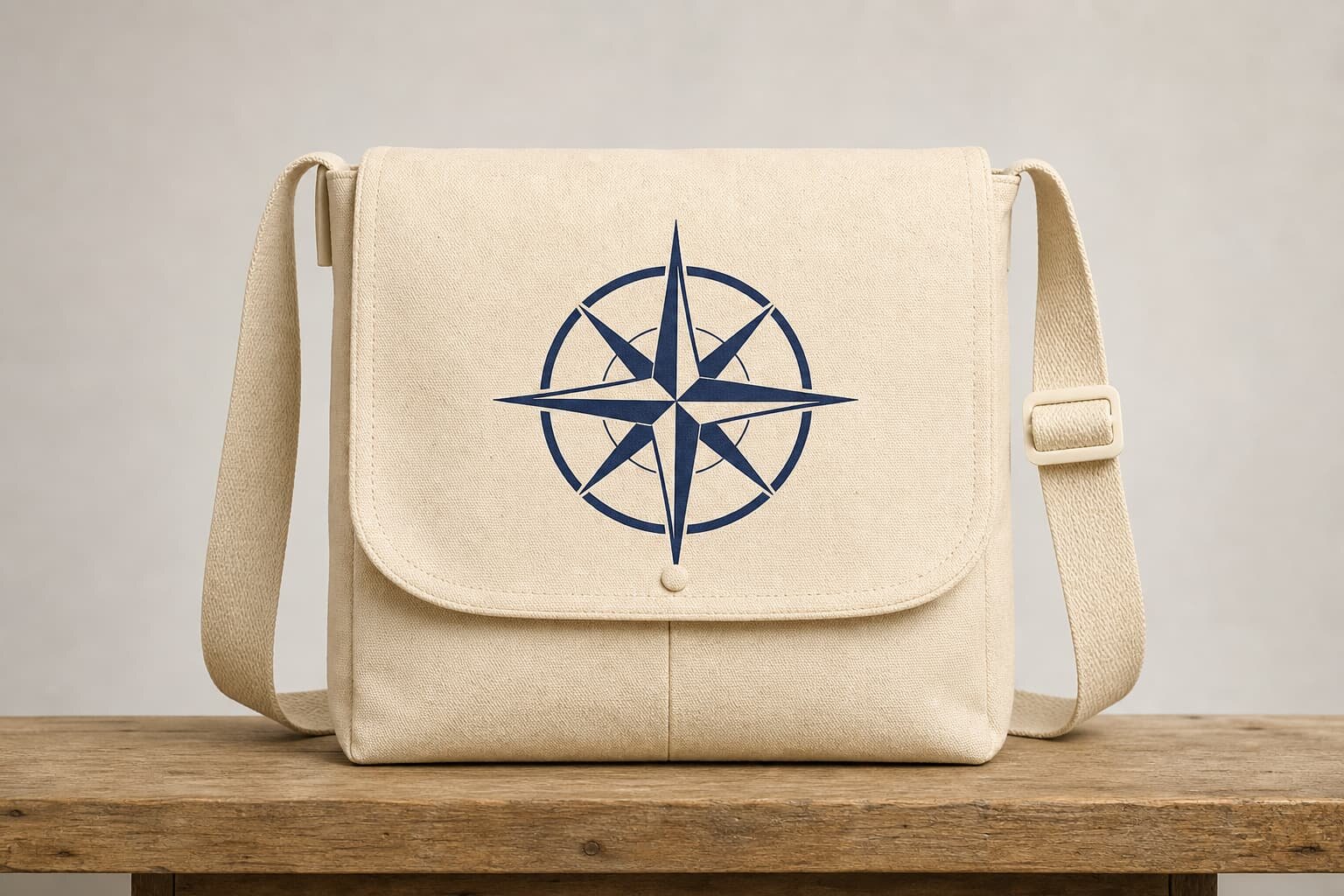
Logo application is one of the easiest places for a quote to look simple but hide complexity. A one-color screen print on a flat panel is usually straightforward, while multi-color artwork, fine line details, or oversized placement can increase setup and reject risk. Embroidery changes the cost profile again because stitch count, backing, and machine time matter. Woven labels and sewn patches often sit between promo and premium depending on size, density, and attachment method. If the buyer does not define the logo method clearly, the factory will price the cheapest reasonable assumption, not the finish the brand actually wants.
For canvas messenger bags, the safest approach is to approve the artwork on the exact panel where it will be placed. Ask the factory to show a sample or strike-off on the real fabric, not just on paper. If the logo will sit on a flap, pocket, or side label, make that clear because placement affects cutting and sewing sequence. Small shifts in position can make an otherwise good bag fail brand review. A buyer should never accept a vague line like logo included without knowing what method, size, and color count are inside that phrase.
- Single-color screen print is usually the simplest branding path for cost control.
- Embroidery and woven patches improve perceived value but need tighter artwork control.
- Approve placement on the actual bag panel, not only on a flat artwork file.
5. Construction, Sewing Time, and Reinforcement Are Real Cost Drivers
A messenger bag that looks simple from the outside may still be labor-heavy if it has multiple pockets, a padded sleeve, internal organizers, reinforced strap anchors, or a complex flap. Sewing time rises quickly when there are more panels, more seams, more alignment points, and more finishing steps. Bartacks at stress points, edge binding, double-needle topstitching, and internal piping each add minutes. In a factory quote, labor cost often hides in the phrase simple construction, so the buyer needs to know exactly how simple the bag really is.
The same applies to structural details. If you want the bag to keep shape, carry weight, or survive retail handling, the factory may need extra interlining, reinforcement patches, or a stronger strap anchor. These are not decorative features. They are cost-bearing decisions that also affect failure risk. A cheaper bag that pulls apart at the strap or deforms at the corners is not a good buy, even if the unit price looks attractive. The right question is whether the construction matches the product promise, not whether the factory can shave off a few stitches.
- More pockets, more panels, and more alignment points mean more sewing time.
- Reinforced strap anchors and bartacks are cheap insurance against returns.
- Ask whether the quote assumes basic stitching or reinforced construction.
6. MOQ, Sampling, and Setup Costs Need to Be Understood Early
MOQ logic is usually driven by more than just the final bag. Canvas roll minimums, color dye lots, logo screen setup, label weaving minimums, and hardware purchase quantities all influence what a supplier can realistically produce. That is why one factory may be comfortable at a lower quantity while another will only price efficiently when the order reaches a higher threshold. If the buyer ignores this, the first quote may look expensive even though the supplier is simply absorbing setup cost across fewer units.
Sampling deserves the same attention. A sample fee is normal because the factory has to cut fabric, set up the print, and build a prototype before production starts. What matters is whether the sample reflects the real production spec. If the sample is made from a different canvas weight, a substitute zipper, or a weaker strap, it is not a useful approval tool. The buyer should ask whether the sample fee is separate, refundable, or credited after order confirmation, and whether the approved sample becomes the production reference.
- MOQ is often tied to fabric roll use, logo setup, and hardware sourcing, not only sewing capacity.
- Make sure the sample uses the same canvas, lining, closure, and logo method as the bulk order.
- Clarify sample fee treatment before approval so the commercial terms do not surprise procurement later.
7. Packing, Cartons, and Lead Time Are Part of the Unit Cost
Packing is often treated as an afterthought, but it changes the cost and the condition of the bag when it arrives. A canvas messenger bag may need a polybag, tissue, insert, desiccant, hangtag, barcode sticker, or outer carton mark depending on the sales channel. Retail-ready packing adds labor and materials, while bulk packing may save cost but increase the risk of wrinkles, crushed corners, or logo scuffing. If the bag has a structured flap or printed surface, the fold method and insert choice matter more than buyers expect.
Lead time is also a commercial cost, even when it does not appear as a line item. A supplier may give a low unit price but need more time because the fabric or hardware is not in stock, the print screen has to be rebuilt, or the order falls below a normal production batch. Typical sample and bulk timelines vary by season and approval speed, so buyers should ask for both clearly. A practical quote should state how long sampling takes, how long bulk production takes after approval, and what happens if the buyer changes art or packing after confirmation.
- Confirm packing per piece, per inner carton, and per master carton.
- Use inserts if the bag must hold shape or protect a printed surface.
- Do not compare lead times without confirming approval timing and material availability.
8. Compare Supplier Quotes on the Same Basis, Not Just the Same Bag Name
A fair comparison only works when the quote line items match. If one supplier quotes 16 oz canvas, lined construction, woven patch, and retail packing, while another quotes a lighter unlined bag with a simple print and bulk carton, the unit prices are not comparable. Procurement teams should normalize the quote basis first. That means the same Incoterm, the same quantity, the same finished size, the same print method, the same closure, and the same pack-out. Without that discipline, the cheapest quote can easily become the most expensive order once corrections start.
Ask for a costed breakdown when possible. The factory may not want to share every internal number, but it should be able to tell you which part of the price comes from fabric, trims, labor, printing, packing, and export terms. That gives the buyer a way to spot where the supplier is strong and where the quote is only cheap because key elements were omitted. If one quote is missing GSM, lining, pack count, or hardware spec, do not treat it as a true alternative. Treat it as a draft that still needs clarification.
- Normalize all quotes to the same quantity, Incoterm, and packaging basis.
- Check whether the bag is lined, reinforced, and branded in the same way across suppliers.
- Ask each factory to identify excluded costs before you compare unit price.
9. Set Acceptance Criteria Before You Place the Order
A good RFQ should end with a clear acceptance standard. The buyer needs to know what will be checked on the pre-production sample and on the bulk goods. For canvas messenger bags, that usually means dimensions, logo placement, stitch quality, pocket depth, closure function, strap slip resistance, carton count, and overall appearance after folding. If those points are not written down, production disputes become subjective and harder to resolve. What looked acceptable in the sample room may not match the buyer’s expectation once the goods are packed.
The most common mistake is chasing a low unit cost and then trying to fix the product later with changes to the print, the strap, or the packing. That rarely saves money. It usually creates delays, extra setup, and a second round of approval. The better route is to define the cost drivers up front and then approve a bag that can be repeated at scale. In sourcing, repeatability is as important as the first sample, because the order only matters if the bulk goods match the approved reference.
- Write down the exact pass/fail points for sample approval.
- Use one reference sample and one redline sheet for all bulk checks.
- Do not release production until the factory confirms every commercial and technical detail.
Specification comparison for buyers
| Spec decision | Recommended option | When it fits | Buyer risk to check |
|---|---|---|---|
| Main body canvas weight | 16 oz canvas as the default starting point | Retail bags, everyday carry, and moderate load use | Ask for actual GSM or oz and confirm weave density, not just a marketing name |
| Lining spec | 210D polyester or cotton twill lining | When the bag needs shape, pocket structure, or a cleaner interior finish | Confirm lining weight, color, and whether hidden cost comes from lining being removed |
| Logo method | Single-color screen print for simple branding, woven patch or embroidery for premium retail | When artwork is simple or the brand needs a more durable identity mark | Check setup fees, color count, placement tolerance, and reject risk for fine detail |
| Closure system | Flap with buckle or zipper top with flap protection | When the bag carries papers, tablets, or light electronics | Confirm hardware grade, buckle style, zipper size, and replacement sourcing |
| Packing method | Individual polybag with insert, then bulk carton | When bags must arrive clean, hold shape, or go to retail distribution | Ask for pack count, carton dimensions, and whether inserts are included in the quote |
Buyer checklist before sampling
- Freeze the finished size, canvas weight, lining, closure, strap width, and pocket layout before asking for pricing.
- Define the logo method, artwork size, placement, and number of colors so the factory can price setup and labor correctly.
- Ask for a line-item quote that separates fabric, trims, printing, sewing, packing, and export terms.
- Confirm the sample charge, sample lead time, and whether the sample fee is credited back after order confirmation.
- State the target use case clearly: promo, retail, commuter, or light laptop carry, because the structure changes with load.
- Approve the fold method, insert requirement, polybag spec, carton count, and shipping marks before bulk production.
- Request a production sample or pre-production sample for any bag with a new fabric, new closure, or new logo method.
- Compare all quotes on the same Incoterm, the same quantity, and the same spec sheet, not on unit price alone.
Factory quote questions to send
- What is the exact canvas weight in oz or GSM, and what weave construction are you using?
- Is the bag lined, and if yes, what is the lining material, weight, and color?
- Which closure, zipper size, buckle type, webbing width, and hardware finish are included in the quote?
- What logo method is priced, how many colors are included, and what is the setup charge if artwork changes?
- Are bartacks, reinforcement patches, edge binding, and internal pocket stitching included in the quoted unit cost?
- What is the minimum order quantity by fabric, logo method, and colorway?
- What are the sample lead time, pre-production approval time, and bulk production lead time for this exact spec?
- How is the bag packed per piece and per carton, and are inserts, polybags, hangtags, and carton marks included?
- Which Incoterm is the quote based on, and what costs are excluded from the unit price?
- Can you provide a costed BOM or material breakdown so I can compare supplier quotes fairly?
Quality-control points to confirm
- Finished dimensions within the agreed tolerance on body width, height, gusset, flap drop, and strap length.
- Canvas weight and hand feel match the approved sample, with no unexpected thinning or stiffener change.
- Logo placement, color density, and edge clean-up match the approved artwork and strike-off.
- Stitch count, bartacks, and seam straightness are consistent at all stress points and pocket openings.
- Zipper or buckle operation is smooth, aligned, and free from snagging, broken teeth, or loose thread.
- Strap adjuster holds under load and does not slip when the bag is filled and carried.
- Packing method matches the agreed fold, insert, polybag, carton count, and outer carton marking.
- No oil stains, glue marks, broken needles, or uneven creasing remain after final packing.