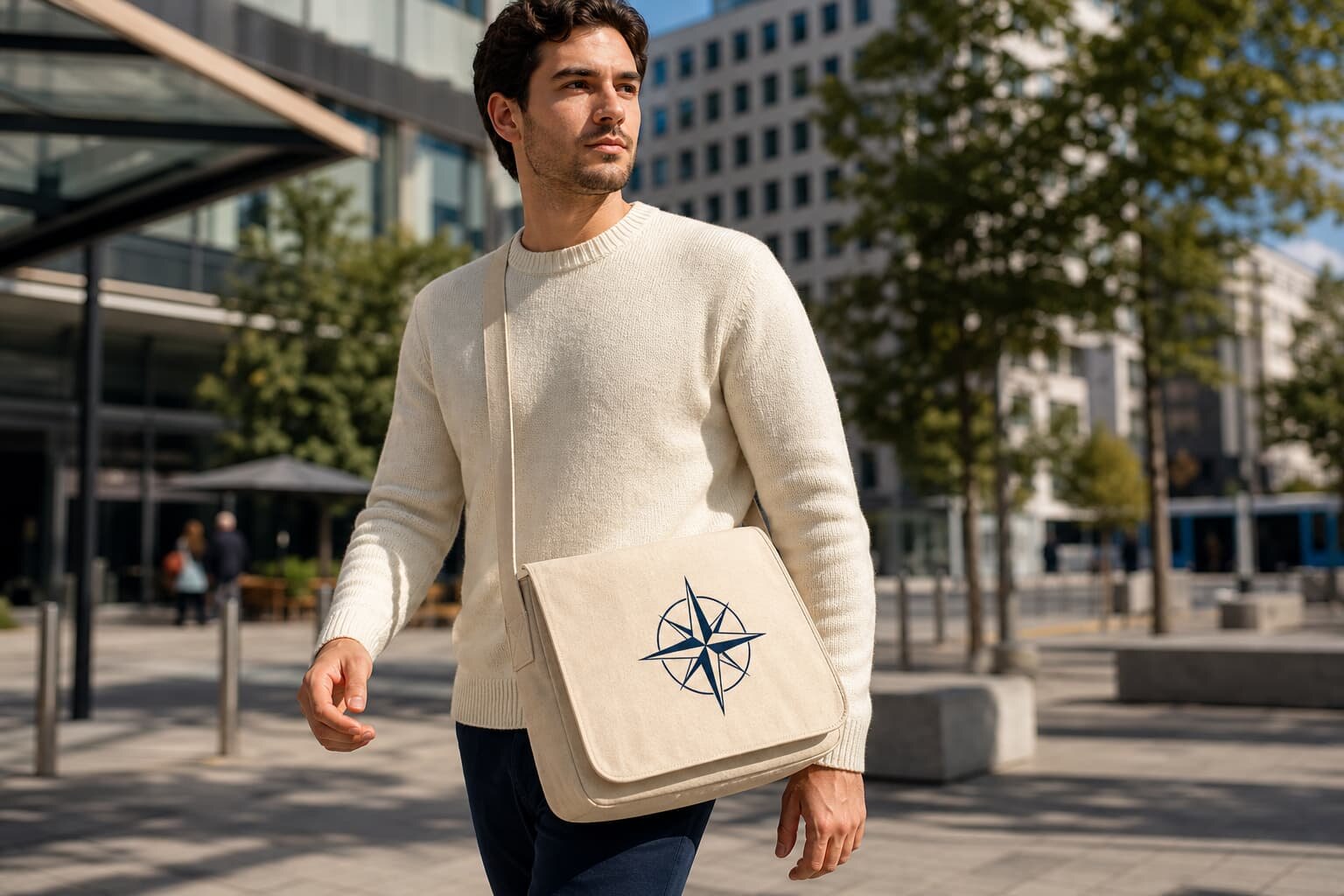
Start with the buying job
A useful canvas messenger bag side seam allowance buyer guide specification begins with the job the bag must do: retail giveaway, event kit, gift pack, bottle packaging, staff issue, or resale item. That use case decides the acceptable fabric hand feel, loading weight, decoration method, packing standard, and inspection depth.
When buyers only send a product name, suppliers fill in the blanks with their easiest default. For canvas messenger bag, those defaults can change fabric weight, handle strength, logo durability, and carton presentation. State the end use first, then request options only where you are willing to trade cost against durability.
For acceptance, write one measurable note for side seam allowance: the target value, the allowed tolerance, the photo evidence needed, and the person who can approve a deviation. This keeps the canvas messenger bag order practical when sales, purchasing, factory merchandisers, and QC teams are all reading the same file under time pressure. It also gives the supplier a fair way to flag cost or lead-time changes before bulk production starts.
- Write the side seam allowance requirement in measurable language, not only as a description.
- Ask for sample photos plus one physical approval sample for important orders.
- Keep quotation, sample approval, and inspection notes tied to the same spec version.
- Mark any open decision as buyer-approved, supplier-proposed, or QC-required so it does not disappear from the production file.
Lock the material before comparing quotes
Material is usually the largest quality lever for canvas messenger bag. Ask each factory to quote the same fiber, weave, GSM or oz range, color tolerance, and shrinkage expectation. If recycled, organic, dyed, laminated, or washed fabric is involved, request the exact material note on the quotation.
A low quote is not useful if one supplier priced lighter cloth or a cheaper lining. Put material weight, color, finish, and hand feel in one line item so the quotation can be checked quickly by purchasing, merchandising, and QC.
For acceptance, write one measurable note for side seam allowance: the target value, the allowed tolerance, the photo evidence needed, and the person who can approve a deviation. This keeps the canvas messenger bag order practical when sales, purchasing, factory merchandisers, and QC teams are all reading the same file under time pressure. It also gives the supplier a fair way to flag cost or lead-time changes before bulk production starts.
- Write the side seam allowance requirement in measurable language, not only as a description.
- Ask for sample photos plus one physical approval sample for important orders.
- Keep quotation, sample approval, and inspection notes tied to the same spec version.
- Mark any open decision as buyer-approved, supplier-proposed, or QC-required so it does not disappear from the production file.
Check construction details that buyers often miss
The side seam allowance topic is not only a wording issue; it normally touches seams, handles, labels, reinforcement, or packing. Ask for photos of stress points and require the sample to be measured flat. Small changes in stitch density or handle fold can decide whether a bag feels retail-ready or disposable.
For bulk orders, define acceptable tolerance for length, width, gusset, handle drop, and logo position. A simple tolerance table prevents arguments at final inspection and helps the factory know which dimensions matter most.
For acceptance, write one measurable note for side seam allowance: the target value, the allowed tolerance, the photo evidence needed, and the person who can approve a deviation. This keeps the canvas messenger bag order practical when sales, purchasing, factory merchandisers, and QC teams are all reading the same file under time pressure. It also gives the supplier a fair way to flag cost or lead-time changes before bulk production starts.
- Write the side seam allowance requirement in measurable language, not only as a description.
- Ask for sample photos plus one physical approval sample for important orders.
- Keep quotation, sample approval, and inspection notes tied to the same spec version.
- Mark any open decision as buyer-approved, supplier-proposed, or QC-required so it does not disappear from the production file.
Choose the logo method by risk, not habit
Screen print works for simple solid artwork, heat transfer fits some full-color designs, embroidery adds texture, and woven labels can look premium on natural fabrics. The right method depends on fabric texture, color contrast, artwork size, wash expectations, and the number of logo colors.
For canvas messenger bag, ask the factory to explain what can go wrong with the chosen decoration method. Useful answers mention cracking, ink bleed, needle puckering, label fray, registration drift, or poor adhesion rather than only saying the logo will be fine.
For acceptance, write one measurable note for side seam allowance: the target value, the allowed tolerance, the photo evidence needed, and the person who can approve a deviation. This keeps the canvas messenger bag order practical when sales, purchasing, factory merchandisers, and QC teams are all reading the same file under time pressure. It also gives the supplier a fair way to flag cost or lead-time changes before bulk production starts.
- Write the side seam allowance requirement in measurable language, not only as a description.
- Ask for sample photos plus one physical approval sample for important orders.
- Keep quotation, sample approval, and inspection notes tied to the same spec version.
- Mark any open decision as buyer-approved, supplier-proposed, or QC-required so it does not disappear from the production file.
Make MOQ and pricing comparable
MOQ changes when fabric color, logo colors, trims, label type, packing, or inspection requirements change. Ask suppliers to show the base MOQ and the price breaks separately, especially when the order uses a custom dyed fabric or nonstandard decoration.
Good quotations separate sample fee, setup fee, unit price, carton cost, and shipping handover point. That structure lets buyers see whether a higher quote includes real quality controls or just a larger margin.
For acceptance, write one measurable note for side seam allowance: the target value, the allowed tolerance, the photo evidence needed, and the person who can approve a deviation. This keeps the canvas messenger bag order practical when sales, purchasing, factory merchandisers, and QC teams are all reading the same file under time pressure. It also gives the supplier a fair way to flag cost or lead-time changes before bulk production starts.
- Write the side seam allowance requirement in measurable language, not only as a description.
- Ask for sample photos plus one physical approval sample for important orders.
- Keep quotation, sample approval, and inspection notes tied to the same spec version.
- Mark any open decision as buyer-approved, supplier-proposed, or QC-required so it does not disappear from the production file.
Approve samples with evidence
A pre-production sample for canvas messenger bag side seam allowance buyer guide should prove more than the general look. Request front, back, side, seam, handle, logo close-up, inside, and packed-carton photos. For important programs, keep one signed physical sample as the approval reference.
Sample approval should record the date, version, fabric weight, logo method, carton plan, and known deviations. Without that record, a later production dispute becomes a memory contest instead of a quality discussion.
For acceptance, write one measurable note for side seam allowance: the target value, the allowed tolerance, the photo evidence needed, and the person who can approve a deviation. This keeps the canvas messenger bag order practical when sales, purchasing, factory merchandisers, and QC teams are all reading the same file under time pressure. It also gives the supplier a fair way to flag cost or lead-time changes before bulk production starts.
- Write the side seam allowance requirement in measurable language, not only as a description.
- Ask for sample photos plus one physical approval sample for important orders.
- Keep quotation, sample approval, and inspection notes tied to the same spec version.
- Mark any open decision as buyer-approved, supplier-proposed, or QC-required so it does not disappear from the production file.
Set packing and shipment rules early
Packing affects cost, presentation, wrinkles, carton strength, and warehouse handling. Define fold style, bundle count, inner protection, master carton quantity, carton dimensions, gross weight, barcode position, and shipment marks before mass production.
For canvas messenger bag, packing is also part of perceived value. A clean carton mark and predictable count help distributors receive goods faster and reduce claims caused by mixed SKUs or crushed cartons.
For acceptance, write one measurable note for side seam allowance: the target value, the allowed tolerance, the photo evidence needed, and the person who can approve a deviation. This keeps the canvas messenger bag order practical when sales, purchasing, factory merchandisers, and QC teams are all reading the same file under time pressure. It also gives the supplier a fair way to flag cost or lead-time changes before bulk production starts.
- Write the side seam allowance requirement in measurable language, not only as a description.
- Ask for sample photos plus one physical approval sample for important orders.
- Keep quotation, sample approval, and inspection notes tied to the same spec version.
- Mark any open decision as buyer-approved, supplier-proposed, or QC-required so it does not disappear from the production file.
Use practical QC checkpoints
Inspection should not wait until the last carton is sealed. Ask for material check before cutting, logo check before full decoration, in-line sewing review, packing pilot, and final random inspection. Each checkpoint catches a different failure mode.
The final checklist should include dimensions, seam strength, handle pull, print adhesion, stains, loose threads, logo position, label accuracy, quantity count, and carton marks. Add photos to the report so remote buyers can approve or reject quickly.
For acceptance, write one measurable note for side seam allowance: the target value, the allowed tolerance, the photo evidence needed, and the person who can approve a deviation. This keeps the canvas messenger bag order practical when sales, purchasing, factory merchandisers, and QC teams are all reading the same file under time pressure. It also gives the supplier a fair way to flag cost or lead-time changes before bulk production starts.
- Write the side seam allowance requirement in measurable language, not only as a description.
- Ask for sample photos plus one physical approval sample for important orders.
- Keep quotation, sample approval, and inspection notes tied to the same spec version.
- Mark any open decision as buyer-approved, supplier-proposed, or QC-required so it does not disappear from the production file.
Turn the RFQ into a decision file
For canvas messenger bag side seam allowance buyer guide, the best RFQ is a short decision file: target quantity, use case, material, size, logo, sample rule, packing, inspection, lead time, and shipping term. It helps suppliers quote the same product instead of guessing.
Keep the file updated after each supplier clarification. When the purchase order is issued, the same file can become the production standard and inspection reference.
For acceptance, write one measurable note for side seam allowance: the target value, the allowed tolerance, the photo evidence needed, and the person who can approve a deviation. This keeps the canvas messenger bag order practical when sales, purchasing, factory merchandisers, and QC teams are all reading the same file under time pressure. It also gives the supplier a fair way to flag cost or lead-time changes before bulk production starts.
- Write the side seam allowance requirement in measurable language, not only as a description.
- Ask for sample photos plus one physical approval sample for important orders.
- Keep quotation, sample approval, and inspection notes tied to the same spec version.
- Mark any open decision as buyer-approved, supplier-proposed, or QC-required so it does not disappear from the production file.
When to reject a low quote
Reject or challenge a low quote when the supplier avoids fabric weight, cannot explain logo limitations, refuses sample evidence, skips packing details, or gives only a vague lead time. Those gaps usually return later as claims, delays, or inconsistent production.
A stronger supplier for canvas messenger bag will ask questions before quoting. That may feel slower at first, but it often prevents the hidden cost of weak specs, rushed sampling, and unclear QC standards.
For acceptance, write one measurable note for side seam allowance: the target value, the allowed tolerance, the photo evidence needed, and the person who can approve a deviation. This keeps the canvas messenger bag order practical when sales, purchasing, factory merchandisers, and QC teams are all reading the same file under time pressure. It also gives the supplier a fair way to flag cost or lead-time changes before bulk production starts.
- Write the side seam allowance requirement in measurable language, not only as a description.
- Ask for sample photos plus one physical approval sample for important orders.
- Keep quotation, sample approval, and inspection notes tied to the same spec version.
- Mark any open decision as buyer-approved, supplier-proposed, or QC-required so it does not disappear from the production file.
Specification comparison for buyers
| Spec decision | Recommended option | When it fits | Buyer risk to check |
|---|---|---|---|
| Fabric and weight | Confirm fiber, weave, GSM or oz weight, shrinkage allowance, and hand feel before comparing unit prices. | Bulk RFQs and repeat brand programs | Missing this item can change cost, lead time, or acceptance quality. |
| Construction | Check seam type, stitch density, handle reinforcement, label placement, and stress points that affect repeat use. | Bulk RFQs and repeat brand programs | Missing this item can change cost, lead time, or acceptance quality. |
| Logo method | Match screen print, heat transfer, embroidery, woven label, or stamp to artwork detail, color count, and wash expectations. | Bulk RFQs and repeat brand programs | Missing this item can change cost, lead time, or acceptance quality. |
| MOQ and price | Separate fixed setup costs from variable material costs so a lower unit price does not hide a weak spec. | Bulk RFQs and repeat brand programs | Missing this item can change cost, lead time, or acceptance quality. |
| Sampling | Approve a physical sample for size, fabric touch, color tolerance, logo position, and packing before bulk cutting. | Bulk RFQs and repeat brand programs | Missing this item can change cost, lead time, or acceptance quality. |
| Packing | Define fold style, inner bag, carton count, barcode, hangtag, and shipment marks before the supplier quotes freight. | Bulk RFQs and repeat brand programs | Missing this item can change cost, lead time, or acceptance quality. |
| Inspection | Use AQL-style checks for stitching, stains, print adhesion, dimensions, quantity, and carton labeling. | Bulk RFQs and repeat brand programs | Missing this item can change cost, lead time, or acceptance quality. |
| Lead time | Ask for dates for material booking, sample approval, bulk start, in-line check, final inspection, and handover. | Bulk RFQs and repeat brand programs | Missing this item can change cost, lead time, or acceptance quality. |
Buyer checklist before sampling
- Define the final use case and loading expectation for the canvas messenger bag.
- Confirm fabric type, GSM or oz weight, color tolerance, and finish.
- Specify dimensions, gusset, handle drop, seam type, and reinforcement.
- Send vector artwork with logo size, placement, colors, and decoration method.
- Approve a physical sample before bulk material cutting or logo production.
- Record packing, carton count, barcode, hangtag, and shipment mark rules.
- Set in-line and final inspection checks with photo evidence.
- Compare MOQ, setup fee, unit price, sample fee, and lead time separately.
Factory quote questions to send
- Which fabric weight and construction are included for this canvas messenger bag quote?
- What changes the MOQ: fabric color, logo colors, label, packing, or trim?
- Can you provide a pre-production sample using the same material and logo method?
- Which tolerances will you use for size, handle drop, logo placement, and carton count?
- What are the dates for material booking, sampling, bulk production, inspection, and handover?
- Can you send close-up photos of seams, handles, logo, labels, and packed cartons before shipment?
Quality-control points to confirm
- Measure length, width, gusset, and handle drop against the approved sample.
- Check seam strength, stitch density, loose threads, stains, and fabric defects.
- Test logo adhesion, registration, color match, and placement tolerance.
- Review label text, hangtags, barcode position, and shipment marks.
- Open cartons randomly to verify packing count, folding, moisture protection, and mixed-SKU risk.
- Keep photo evidence for approvals, rework instructions, and claim prevention.