Why Reorders Fail on a Canvas Messenger Bag Program
For wine clubs, the first order is usually easier than the second. The first run is treated like a development job: everyone pays attention to artwork, bag shape, and packaging. The reorder is where drift starts. A supplier may switch canvas weight, alter the lining, simplify the zipper pull, or change the carton pack to reduce labor. If those changes are not locked, the bag that arrives on reorder can look close in photos and still fail in hand.
The practical goal is not just a matching sample. It is repeatability. A canvas messenger bag used for wine club promotions or gift fulfillment has to keep the same body structure, logo appearance, and packing performance across multiple buys. If the club resells the bag or includes it in a membership package, a small change in handle feel or gusset stability becomes a customer complaint on the next cycle.
- Lock the base spec once the approved sample is signed off.
- Keep one reference sample in-house and one with the factory.
- Use the same measurement sheet for every reorder.
Choose the Right Bag Build for Wine Club Use
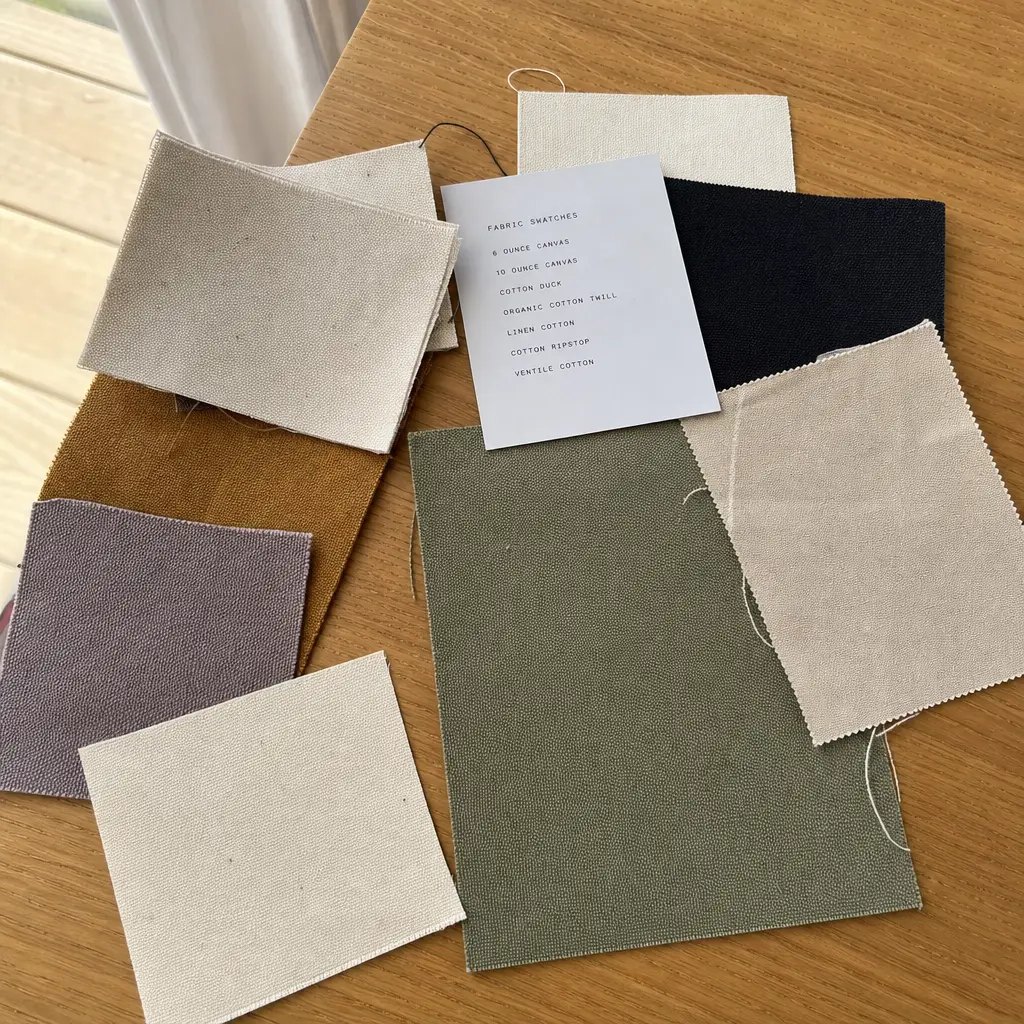
The best canvas messenger bag for a wine club is usually simpler than a fashion bag and stronger than a giveaway tote. Start with 12 oz canvas if the program needs a good retail hand and moderate bottle carry. Move to 14 oz if the bag will carry heavier inserts, bottle pairs, or premium gift sets. Lighter canvas may save cost, but it often looks soft and wrinkles badly after packing. For a club program, that usually weakens the perceived value more than the savings justify.
Interior structure matters as much as fabric weight. If the bag is used with wine bottles or boxed gifts, define the usable width and gusset, not only the outside size. A narrow mouth, low gusset, or weak base insert will slow packing and make cartons bulge. For a reorder, keep the same closure method as the approved sample: zipper, flap, or snap. Changing the closure on a repeat order is a common way to break carton fit and create a new QC problem.
- 12 oz canvas: balanced cost and body for standard club merch.
- 14 oz canvas: better standing shape and premium feel.
- Define internal usable size for pack-out, not just outer measurements.
How to Read Supplier Quotes Without Getting Misled
A low quote means little if the supplier has quietly downgraded the build. The main quote variables are canvas weight, print method, sewing labor, hardware, carton pack, and whether labels or inserts are included. Two quotes can both say "custom canvas messenger bag" and still be different products. Ask for the exact fabric spec, then compare line by line. If one supplier prices 12 oz unwashed canvas and another prices 14 oz washed canvas with a lined interior, the cheaper quote is not really cheaper.
For wine club programs, direct factory sourcing usually gives you the clearest control because you can tie the repeat order to the original pattern and approved sample. Traders can be useful if they consolidate small volumes, but they often add noise to the quote. When the program is recurring, quote stability is often worth more than a small one-time savings. The bag that reorders cleanly is the one with a clear spec trail and a supplier who can show process control.
- Compare fabric weight, lining, and hardware before price.
- Ask whether setup charges are one-time or repeat on every reorder.
- Verify if the quote includes labels, hang tags, and carton marks.
Best Production Routes to Compare for Reorders
For this keyword, the most useful comparison is not product style alone but sourcing route. Wine club buyers typically choose between a direct factory, a promo importer, a local decorator, or a mixed route where the bag body and branding are split across vendors. Each route has a different risk profile. The right choice depends on how often the design changes and how much control you need over cost and lead time.
A direct factory makes the most sense when the silhouette is stable and you expect repeat buys. A local decorator helps when the volume is small and the deadline is tight, but the cost can rise quickly. A mixed route can look flexible on paper, yet it creates extra handoff points and more room for print mismatch, carton damage, and schedule slippage.
- Direct factory: best for repeatability and lower quote noise.
- Local decorator: best for small runs with urgent turnaround.
- Mixed route: best only when you have strong internal QC and project control.
Comparison Table for Buyer Decisions
Use the table below to sort practical sourcing choices before you send an RFQ. The point is not to choose the lowest number. The point is to choose the route and spec combination that will hold up on the next reorder, not only the first sample.
The sample record for canvas messenger bag reorder planning guide for wine clubs should include front, back, side, seam, logo, label, inside, and packed-carton photos. For important programs, keep one signed physical sample and record the sample version in the approval file.
- Write decisions in measurable language, not only descriptive wording.
- Ask for sample photos plus one physical approval sample for important orders.
- Keep quotation, sample approval, and inspection notes tied to the same spec version.
Sample Approval: What Must Match Before Bulk Sewing
Do not approve a sample by appearance alone. A canvas messenger bag can look acceptable on a desk and still fail in production if the pocket depth, strap drop, or print position is not controlled. Measure the sample flat and packed. Check the opening width, gusset shape, zipper movement, and whether the front panel distorts after stuffing. If the bag is meant for bottle inserts, test with the actual insert before approving bulk.
Artwork approval needs the same discipline. Screen print should be checked for edge sharpness, ink density, and placement on the centerline. Embroidery needs stitch coverage and backing stability. Woven labels should be inspected for thread clarity and cut finish. If the club wants a seasonal or membership edition, approve the base body separately from the variable artwork so future reorders do not force a full new development cycle.
- Measure size tolerance on the sample and keep the numbers on file.
- Test the bag with actual inserts, bottles, or collateral.
- Approve art placement and structural sample as separate sign-offs when possible.
Packing and Carton Planning for Wine Club Fulfillment
Packing is where many repeat orders lose money. A canvas messenger bag has bulk, memory, and sometimes metal parts that can mark adjacent units. If you ignore carton planning, the shipping quote can jump even when unit pricing looks fine. Ask the factory for packed dimensions, gross weight, and the carton count by size. Then compare the full landed cost, not just FOB unit price.
For club fulfillment, choose packing based on how the bags will move after arrival. Single polybag plus carton divider works for retail presentation and reduced scuffing. Bulk pack with tissue or paper wrap can reduce labor if the buyer will unpack and repack later. What matters is consistency. If the factory changes the pack from 20 to 30 pieces per carton without telling you, your pallet count, freight estimate, and warehouse receiving plan can all break at once.
- Request packed carton dimensions and gross weight on the quote.
- Match packing style to the final channel: retail, DTC, or wholesale.
- Keep carton count stable across reorders unless you rework freight plans.
Lead Time Risk and Reorder Schedule
A reorder timeline should start from the approved sample date, not from the moment the quote lands. For a simple repeat run, a realistic production window is often 30 to 45 days after sample approval, with transit layered on top. Add more time if you are changing ink colors, switching hardware, or revising the packing method. Most schedule failures come from late artwork or hidden accessory substitutions, not from the sewing line itself.
The safest reorder plan is to keep a running forecast and release the next order before inventory gets tight. Wine clubs often have seasonal spikes around events, memberships, and gift programs. If you wait until stock is almost gone, you lose leverage on freight and sampling. Keep one reorder threshold based on actual consumption and one safety threshold for delayed transit or QC rework.
- Track lead time from PP sample approval.
- Add buffer for artwork sign-off and accessory supply.
- Set a reorder trigger before stock reaches emergency levels.
Landing Cost: What Actually Changes the Total
The landed cost of a canvas messenger bag is affected by more than fabric and sewing. Canvas weight, lining, zipper or flap hardware, print process, label type, carton size, and freight density all change the total. On a reorder, even a small change such as adding a woven side label or upgrading the zipper pull can shift the volume enough to move freight class or reduce carton efficiency. That is why the quote should include unit price, packing data, and carton dimensions in one sheet.
If you are comparing suppliers, calculate the bag as a finished, packed unit. Use the same assumptions for each quote: same fabric weight, same print method, same carton count, same destination, and same duty estimate if you know it. If one supplier excludes cartons or labels, add those numbers before comparing. The lowest ex-factory quote is often not the best landed number once packaging and transit are fully loaded.
- Compare total packed unit cost, not only sewing price.
- Include labels, inserts, cartons, and freight in your math.
- Watch carton density because it affects shipping efficiency.
Buyer Checklist Before You Release the Next PO
The reorder should move fast because the base product is already known. But fast should not mean loose. Run one last control pass on the spec sheet, sample, artwork file, carton pack, and delivery window. Confirm that the factory is still using the same fabric mill or equivalent canvas basis weight. If anything changed, get a note in writing before the PO is issued.
For wine club buyers, the cleanest reorder is the one that looks boring on paper. No open questions, no late art changes, no surprise packing shift. That is what keeps the bag consistent from season to season and makes supplier comparison possible on the next cycle.
- Spec sheet matches the approved sample exactly.
- Artwork files are final and checked at production scale.
- Carton packing and ship-to details are confirmed in writing.
Specification comparison for buyers
| Spec decision | Recommended option | When it fits | Buyer risk to check |
|---|---|---|---|
| Fabric weight | 12 oz canvas for standard retail resale; 14 oz for heavier bottle carry and premium feel | Wine clubs that want a bag to survive repeat use, shelf display, and heavier inserts | Very light canvas can look cheap and distort after washing; very heavy canvas raises cost and sewing difficulty |
| Print method | Screen print for 1-2 spot colors; woven label or embroidery for small logos; heat transfer only for short runs or complex art | Simple branding with controlled cost and repeatable reorders | Transfers can crack or change hand feel; embroidery can distort on thin panels |
| Supplier route | Direct factory with bag specialization instead of general promo trader | Programs that need stable repeat production, clearer QC, and lower quote noise | Traders may hide fabric source, change sub-suppliers, or add margin without improving control |
| Closure style | Top zipper or flap with internal bottle divider if clubs ship mixed contents | When the bag doubles as a premium membership gift or fulfillment item | Loose open-top styles can spill inserts during packing and reduce perceived value |
| Size spec | Define internal usable dimensions, not just outside measurements | Any bag meant to hold wine, inserts, cards, or collateral | Outer size alone can hide a narrow mouth or shallow gusset that fails in packing |
| MOQ strategy | Tie MOQ to one base bag body with multiple artwork versions or seasonal labels | Brands that reorder the same silhouette with frequent message or event changes | Splitting too many colors or trims across a small order pushes cost up and creates stock risk |
| Packing method | Single polybag with carton divider or bulk pack with paper protection depending on channel | Wholesale, DTC fulfillment, or mixed channel programs | Poor carton loading crushes the bag body and creates crease complaints on arrival |
| Lead time model | Plan 30-45 days production after sample approval, plus transit buffer | Repeat orders with known specs and stable artwork | Artwork revisions, fabric shortage, or accessory changes can extend timelines fast |
| Quality control approach | Set measurable checks for stitch count, print registration, color tolerance, and carton drop resistance | Programs where consistency matters more than one-time novelty | Without numeric acceptance criteria, each reorder can drift in hand feel and fit |
Buyer checklist before sampling
- Lock the exact canvas weight, weave, color, and washed or unwashed finish before requesting quotes.
- Specify internal dimensions, gusset depth, strap length, and pocket layout with a simple technical sketch.
- Define the artwork method, Pantone targets, print size, and side placement in writing.
- Ask each supplier to quote the same packing method, carton count, and master carton dimensions.
- Require pre-production sample approval before bulk sewing starts.
- Confirm whether the quote includes metal hardware, labels, hang tags, and insertion of paperboard or tissue.
- Compare lead time from approved sample date, not from inquiry date.
- Request a carton load plan or volume calculation so you can estimate freight correctly.
Factory quote questions to send
- What canvas weight, weave count, and finish are you pricing, and can you hold that spec on repeat orders?
- Is the quote based on a direct factory run, and which steps are done in-house versus outsourced?
- What is the MOQ by color, print version, and hardware option?
- Which print method are you recommending for this art, and what is the setup charge per color or panel?
- What are the tolerances for size, stitch count, color matching, and logo placement?
- Can you share the sample approval process and how many revisions are included before bulk approval?
- What carton packing method is included, and how many bags per master carton?
- What is the production lead time after PP sample approval, and what causes extension risk?
- Can you quote FOB, plus a landed-cost estimate with carton volume and weight?
- What photos, inspection sheets, or production records can you provide from a current similar run?
Quality-control points to confirm
- Canvas weight tolerance should stay within the agreed GSM or oz range, with visible consistency across panels.
- Seam strength should hold at handle anchors, gusset corners, and zipper ends without puckering or skipped stitches.
- Print registration should stay centered within the approved placement window, with no ghosting or ink bleed.
- Color tolerance should be checked against approved lab dip, PMS target, or sealed reference sample under daylight and shop light.
- Trim quality should cover zipper smoothness, strap stitch density, rivet setting, and label alignment.
- Finished size should be measured after packing and shaping, not only on a flat pattern sheet.
- Carton count and barcode labeling should match the purchase order and packing list exactly.
- Drop and compression resistance should be reviewed for the final packed carton, especially for bulk fulfillment routes.