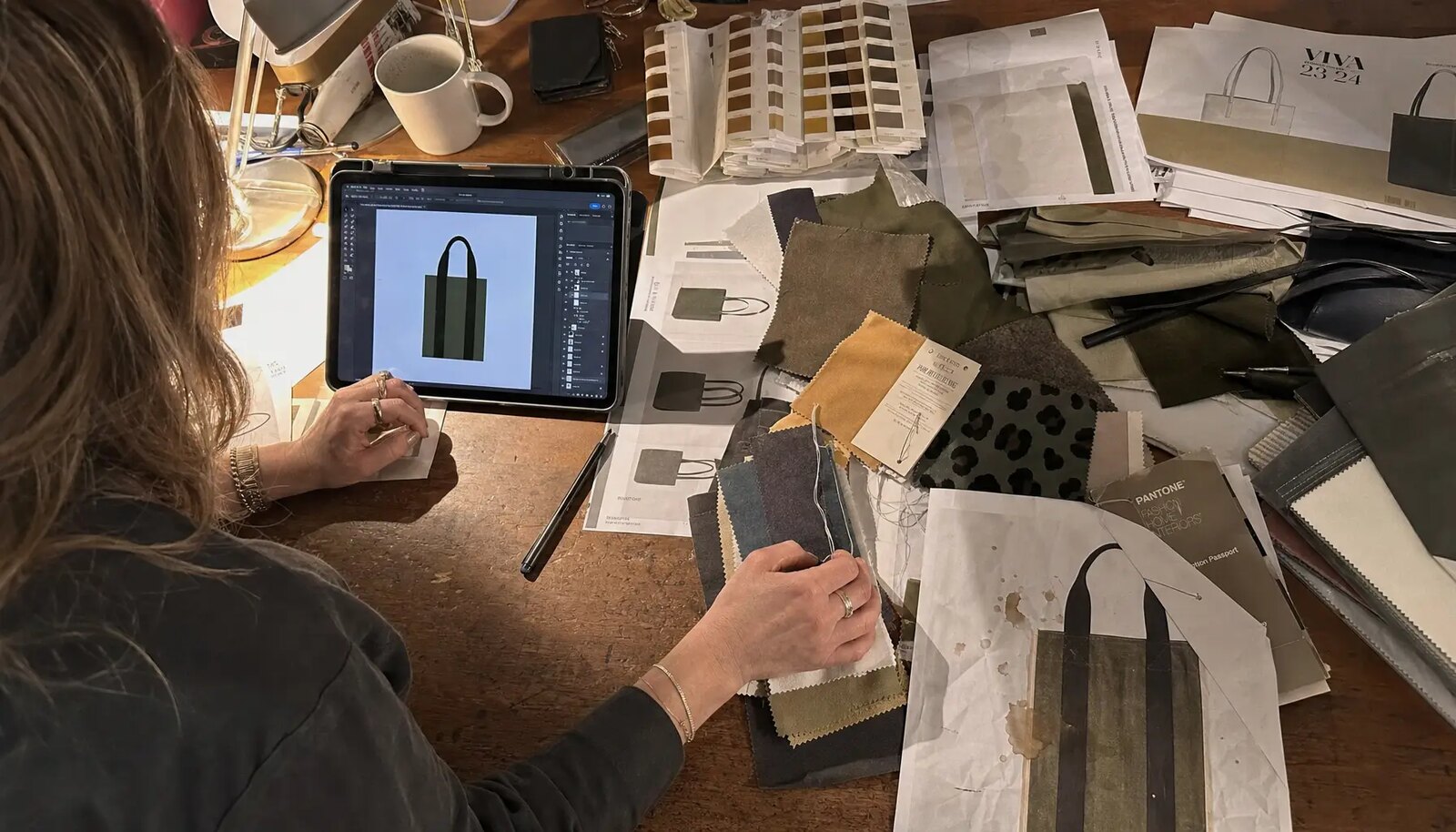
Why Carton Packing Must Be Decided Before Bulk Sewing
For custom canvas messenger bags sold through hotel retail, carton packing is not a warehouse detail to solve at the end. It affects the unit cost, CBM, carton strength, retail presentation, and even how the bag looks when the hotel store opens the shipment. A bag that looks correct on a flat approval sample can arrive with crushed flap corners, strap marks across the print, or permanent fold lines if the packing plan is weak.
Procurement teams should treat carton packing as part of the product specification. The RFQ should tell the factory whether the goods are for retail shelves, guest gift programs, conference kits, or distributor stock. Each use needs a different balance of carton quantity, inner protection, carton weight, and labeling. When this is agreed early, competing supplier quotes become easier to compare because the same bag is being packed to the same handling standard.
- Retail shelf programs need cleaner shape recovery and more careful flap protection.
- Bulk hotel welcome programs may allow simpler packing if bags are unpacked and filled locally.
- Distributor inventory needs accurate carton marks and SKU separation more than decorative inner packing.
- Export sea freight needs stronger cartons and moisture control than short domestic trucking.
Start With the Messenger Bag Structure
The carton plan depends first on the bag structure. A canvas messenger bag with a flap, shoulder strap, gusset, and inner pocket does not pack like a flat tote bag. The flap creates a visible retail surface, the strap can leave pressure marks, and the gusset determines how much air space or compression appears inside the carton. If the RFQ only says custom canvas messenger bag, suppliers may quote different constructions and carton counts that are not comparable.
For hotel retail, a practical size range is often around 30-38 cm wide, 25-30 cm high, with a 6-8 cm gusset. Larger travel-style messenger bags can work for resort shops, but they increase carton CBM and may require lower pieces per carton. Smaller crossbody messenger bags pack more efficiently, but the buyer should confirm that the strap length, flap depth, and pocket layout still fit the intended retail price point.
- Define finished size as width by height by gusset, measured after sewing.
- State whether the flap closes by magnet, snap, hook-and-loop, or no closure.
- Specify shoulder strap width, total length, and whether it is adjustable.
- Clarify if there is an inner pocket, zipper pocket, lining, or metal hardware.
- Include acceptable folding or no-folding rules for the flap and strap.
Choose Canvas Weight With Carton Weight in Mind
Canvas weight is one of the biggest hidden drivers of carton packing. An 8 oz canvas may reduce unit weight and freight cost, but it can feel too soft for a messenger bag and may wrinkle badly after compression. A 12 oz canvas, roughly 380-420 GSM depending on yarn and finishing, is a common middle ground for hotel retail because it gives structure without making each carton too heavy. A 16 oz canvas can look premium, but it increases sewing difficulty, carton gross weight, and freight CBM if the bag cannot be compressed safely.
Buyers should request both oz and GSM because mills and bag factories may describe canvas differently. Also confirm whether the fabric is natural cotton, dyed cotton, recycled cotton, or a cotton-poly blend. Natural canvas can show slubs and color variation, which may be acceptable for eco-style hotel retail but not for a clean luxury boutique range. Dyed canvas needs colorfastness control, especially when bags are packed tightly and shipped through humid conditions.
- 8 oz or 260-300 GSM is better for light promotional bags, not structured retail messenger bags.
- 10-12 oz or about 340-420 GSM suits most mid-range hotel retail messenger bags.
- 14-16 oz or about 450-550 GSM fits premium products but raises carton and freight cost.
- Washed canvas improves hand feel but may create more size variation and wrinkles.
- Dyed dark canvas needs rubbing checks against light linings, labels, and straps.
Print and Branding Decisions Affect Packing Method
The logo method changes how the bag should be stacked. Screen printing on the flap is common because it gives strong visibility in hotel retail, but printed flaps should not be sharply folded through the ink area. Heat transfer can handle detailed artwork but may show pressure marks if stacked too tightly. Embroidery adds premium texture but creates thickness that can press into neighboring bags. A woven side label is safer for repeated packing because it does not cover a large surface, but it gives less front-facing branding.
Artwork approval should include the relationship between logo position, flap fold line, seam allowance, and carton loading direction. A logo placed too close to the lower edge of the flap may be rubbed during packing or hidden when the bag hangs on a retail peg. A large print across the center flap can work, but the factory should protect it from strap buckles, metal snaps, and direct pressure from carton walls.
- Use water-based screen print for simple one- to three-color hotel logos.
- Use pigment print or discharge-style effects only after checking fabric color and wash requirements.
- Use embroidery for premium small logos, but avoid oversized dense embroidery on flexible flaps.
- Use woven labels when the hotel brand wants subtle long-life identification.
- Require print rubbing and tape tests on the same canvas color used for production.
Set MOQ Logic Around Fabric, Print, and Packing
MOQ is not only a factory preference. It comes from fabric sourcing, dyeing minimums, printing setup, cutting efficiency, and packing labor. Natural canvas in standard stock weight may support a lower MOQ than custom dyed canvas. A simple one-color screen print has a lower setup burden than multiple print positions, embroidery, metal trims, or retail barcode labeling. If a buyer needs several hotel properties with different logos, the MOQ should be discussed by base bag quantity and by logo version separately.
A clean RFQ separates total order quantity from SKU structure. For example, 3,000 bags with one canvas color and three hotel logos is very different from 3,000 bags split across three fabric colors, three logo methods, and separate carton marks. The second order creates more production changeovers and higher risk of packing mix-ups. The quote should show whether the supplier is pricing one combined production run or treating each logo and color as a separate mini-order.
- Base fabric MOQ may be lower for natural canvas and higher for custom dyed fabric.
- Print MOQ depends on screen setup, color count, and artwork changes.
- Retail label MOQ can be separate from bag sewing MOQ.
- Small split shipments increase carton mark and warehouse handling complexity.
- Price breaks should include carton CBM changes, not only lower sewing cost.
Build the Carton Packing Plan From Real Measurements
The best carton packing plan comes from a physical packing trial, not a spreadsheet assumption. Once the pre-production sample is approved, the factory should pack a trial carton using the same canvas weight, strap, hardware, and inner packaging. The buyer then receives actual pieces per carton, carton dimensions, net weight, gross weight, and visual evidence of the stacking method. This data is essential for landed-cost comparison because messenger bags can vary widely in CBM depending on flap shape and gusset.
A practical export carton for medium canvas messenger bags may hold 25-50 pieces, but the correct number depends on bag size and weight. Procurement should avoid forcing a high carton count just to reduce carton quantity. Over-packing causes crushed corners, wrinkled flaps, strap pressure lines, and carton bursting. A better target is a carton that stays within warehouse handling weight limits, closes without bulging, and protects the retail-facing surface.
- Record carton length, width, and height in centimeters after sealing.
- Record gross weight and net weight per carton.
- Calculate CBM per carton and CBM per 1,000 pieces.
- Confirm whether bags are stacked flat, nested, alternated, or folded.
- Keep carton gross weight within the buyer warehouse limit.
- Use carton marks that match PO, SKU, color, logo version, and quantity.
Inner Packing: Dust Protection Versus Cost and Compliance
Individual inner packing is useful when bags move through multiple warehouses or need to arrive clean for direct retail handling. A clear recyclable polybag, paper band, glassine sleeve, or tissue wrap can protect natural canvas from carton dust and handling marks. However, inner packing adds material cost, labor, carton volume, and compliance responsibility. Some hotel groups and retail buyers have plastic reduction policies, so the RFQ should define the acceptable packaging material before the factory quotes.
For many hotel retail programs, the best solution is not automatically one polybag per bag. If the bags are unpacked locally for room drops or filled with amenities, bulk packing with carton liner may be enough. If the goods go directly to hotel boutiques or distributor shelves, individual packing with barcode labeling may reduce receiving errors. The packing choice should follow the distribution route, not habit.
- Use individual polybags when dust control, barcode scanning, or retail storage is important.
- Use paper bands when the buyer wants reduced plastic and the fabric is not easily soiled.
- Use carton liners when bulk goods are unpacked immediately after arrival.
- Add silica gel only when appropriate for the route and buyer policy.
- Specify warning text and recycling marks if polybags are used.
Sample Approval Should Include a Packed-Carton Review
A single approval sample tells the buyer whether the bag looks correct, but it does not prove the shipment will arrive correctly. Before bulk packing, procurement teams should approve a pre-production sample made with production materials and then review a packed-carton trial. The carton review should show how the strap is placed, whether the flap is folded, how many bags are inside, and whether the carton closes without pressure damage.
The buyer can also run simple recovery checks. Leave the sample packed under weight for a short period, open it, and see whether the flap surface, print, corners, and strap return to acceptable condition. For hotel retail, where the bag may be displayed near guest-facing merchandise, visible packing creases can become a sales problem even if the sewing quality is technically acceptable.
- Approve fabric hand feel, color, GSM, and shrinkage behavior before cutting.
- Approve logo size, color, position, and edge sharpness on actual canvas.
- Approve strap length and comfort using the intended carry load.
- Approve carton loading direction and quantity before mass packing.
- Keep one sealed approval sample and one approved carton photo in the QC file.
QC Thresholds for Retail-Ready Canvas Messenger Bags
Quality control for canvas messenger bags should focus on visible retail defects and functional stress points. Natural canvas may have minor slubs, but stains, oil marks, holes, severe shade variation, and dirty flap surfaces should not pass for hotel retail. Stitching defects matter most at strap anchors, flap corners, gusset seams, and pocket openings. If the bag has snaps, zippers, magnets, or metal adjusters, those parts need function checks before packing.
For inspection criteria, define what counts as critical, major, and minor defects. A broken strap anchor, wrong logo, mold, sharp metal edge, or missing closure is a serious failure. A small loose thread inside the bag may be minor if it can be trimmed. The factory and buyer should agree on the standard before production, because vague comments such as good quality or retail standard do not help inspectors make consistent decisions.
- Major visual defects include stains on flap, logo skew, print cracking, and obvious shade mismatch.
- Major sewing defects include open seams, skipped stitches, weak bartacks, and uneven flap shape.
- Functional defects include broken closures, stuck zippers, loose adjusters, and weak strap anchors.
- Packing defects include wrong carton count, mixed SKUs, dirty cartons, and crushed retail surfaces.
- Inspection should sample finished packed goods, not only loose bags from the sewing line.
Lead Time Risks Hidden in Packing and Labeling
Lead time for custom canvas messenger bags is often discussed as sample time plus production time, but packing and labeling can create late delays. Custom carton marks, retail barcode labels, country-of-origin labels, polybag warning text, and split shipment instructions must be ready before final packing. If label artwork is approved after sewing finishes, the packed goods may sit waiting, or the factory may need to reopen cartons, which increases labor cost and error risk.
A realistic schedule separates fabric procurement, sample making, print setup, cutting, sewing, inline QC, final inspection, and packing. For repeat fabric and simple print, the schedule is shorter. For custom dyed canvas, multiple hotel logos, heavy hardware, or retail-ready barcode packing, the buyer should allow more time and lock artwork earlier. The key is not to accept a production lead time that ignores packing complexity.
- Confirm sample lead time separately for blank sample, logo sample, and pre-production sample.
- Reserve time for fabric testing, color approval, and print strike-off if the color is custom.
- Approve retail labels and carton marks before bulk goods reach the packing line.
- Schedule final inspection after at least 80 percent of goods are packed when possible.
- Leave buffer for peak season, port congestion, holiday closures, and carton rework.
Specification comparison for buyers
| Spec decision | Recommended option | When it fits | Buyer risk to check |
|---|---|---|---|
| Canvas body fabric | 12 oz cotton canvas around 380-420 GSM for standard hotel retail messenger bags | Good balance of structure, print surface, carton weight, and retail shelf feel | Very light 8 oz canvas can collapse in display; 16 oz canvas increases freight and may need stronger cartons |
| Bag construction | Flap messenger bag with 6-8 cm bottom gusset, reinforced strap anchors, and bound inner seams | Works for boutique gift shops, resort retail, conference welcome packs, and staff merchandise | Flat bags pack efficiently but hold less product; oversized gussets create carton bulge and deformation |
| Logo application | Water-based screen print for simple hotel logos; woven label for premium retail lines | Screen print is economical above MOQ; woven label keeps branding visible on textured canvas | Thick ink on coarse canvas can crack at flap folds; label placement must not interfere with seam allowance |
| Inner packing | One bag in a recyclable polybag or glassine sleeve only when needed for dust protection | Useful for retail-ready inventory, humid routes, or mixed-SKU warehouse handling | Individual bags add labor, material cost, and plastic compliance questions for some hotel groups |
| Carton loading method | Flat stack with alternating strap direction and flap closed, not over-compressed | Best for keeping flap shape clean and reducing strap tangling at store receiving | Rolled or folded packing may crease printed flaps and create customer-visible wrinkles |
| Export carton strength | 5-ply corrugated carton for most shipments; stronger board for heavy 16 oz canvas or long sea routes | Suitable when each carton contains 25-50 medium messenger bags depending on size and GSM | Low-grade cartons crush in container stacking and cause dirty or deformed retail stock |
| Carton quantity | Set carton quantity by actual packed carton dimension and gross weight, not by a fixed target count | Needed when comparing supplier quotes and calculating CBM, FCL utilization, and warehouse handling | A cheap unit quote can become expensive if carton CBM is high or carton weight exceeds handling limits |
| Sample approval | Approve one production-grade pre-production sample plus packed carton trial before bulk cutting | Important for hotel retail orders with logo print, multiple colors, or retail barcode labeling | Approving only a flat bag photo misses carton deformation, strap memory, and print rubbing issues |
| Supplier route | Use a bag factory that can control sewing, printing, and export packing under one packing SOP | Best for importers and distributors managing repeat hotel retail programs | Trading-only quotes may hide subcontracted printing or inconsistent carton standards between orders |
Buyer checklist before sampling
- Define finished bag size, gusset, strap length, flap depth, and acceptable size tolerance before requesting carton data.
- Specify canvas weight in oz and GSM, not only the fabric name, so suppliers quote comparable material.
- State whether the bag must be retail-ready, warehouse-ready, or bulk-packed for later local kitting.
- Require the supplier to quote pieces per carton, carton dimensions, gross weight, net weight, and CBM per 1,000 pieces.
- Approve logo placement with seam allowance, flap fold line, and carton stacking pressure in mind.
- Set a maximum carton gross weight that your warehouse can handle, commonly 12-18 kg depending on market and receiving rules.
- Request a packed carton photo or video showing the loading method, strap arrangement, and carton closure.
- Confirm inner packaging requirements early, including polybag warning text, recycling marks, barcode labels, and carton marks.
- Use the pre-production sample to test print rubbing, flap crease, strap strength, and packed-carton recovery after compression.
- Lock the carton packing plan before bulk production starts, not after the goods are sewn.
Factory quote questions to send
- What canvas weight in oz and GSM is included in the quote, and is it cotton canvas, recycled cotton canvas, or blended canvas?
- What is the finished bag size tolerance after sewing and pressing, and how is the gusset measured?
- Which print method is included, what is the maximum print area, and how many colors are priced?
- What is the MOQ for this fabric color and logo method, and what price breaks apply at higher quantities?
- How many bags are packed per inner pack and per export carton, and what are the carton dimensions and gross weight?
- Will the packed carton pass a drop test or stacking test suitable for export handling?
- Can you provide a packed pre-production sample carton or a carton loading video before mass packing?
- What lead time is needed for fabric procurement, printing, sewing, QC, and final packing after sample approval?
- Are retail barcode labels, carton marks, warning labels, or country-of-origin labels included in the quote?
- Which defects are counted as major defects for print position, stains, broken stitches, weak straps, and carton damage?
Quality-control points to confirm
- Fabric weight should match the approved standard within an agreed tolerance, commonly plus or minus 5 percent unless otherwise specified.
- Finished bag size should stay within practical sewing tolerance, usually plus or minus 0.5 cm for small panels and plus or minus 1 cm for larger dimensions.
- Logo position should follow the approved artwork sheet, with visible skew, off-center placement, or ink bleeding counted as major defects for retail goods.
- Shoulder strap anchoring should withstand a practical pull test based on intended load, with reinforced bartacks or box stitching at stress points.
- Flap edges, binding, and corners should be clean with no loose threads, skipped stitches, open seams, or sharp unfinished fabric edges.
- Cartons should be clean, dry, sealed securely, correctly marked, and strong enough to protect bags from crushing during export transport.
- Packed bags should recover shape after carton opening without permanent flap crease across the logo area.
- Carton quantity should match the packing list exactly, with mixed SKUs separated and clearly marked when the order includes multiple colors or logo versions.