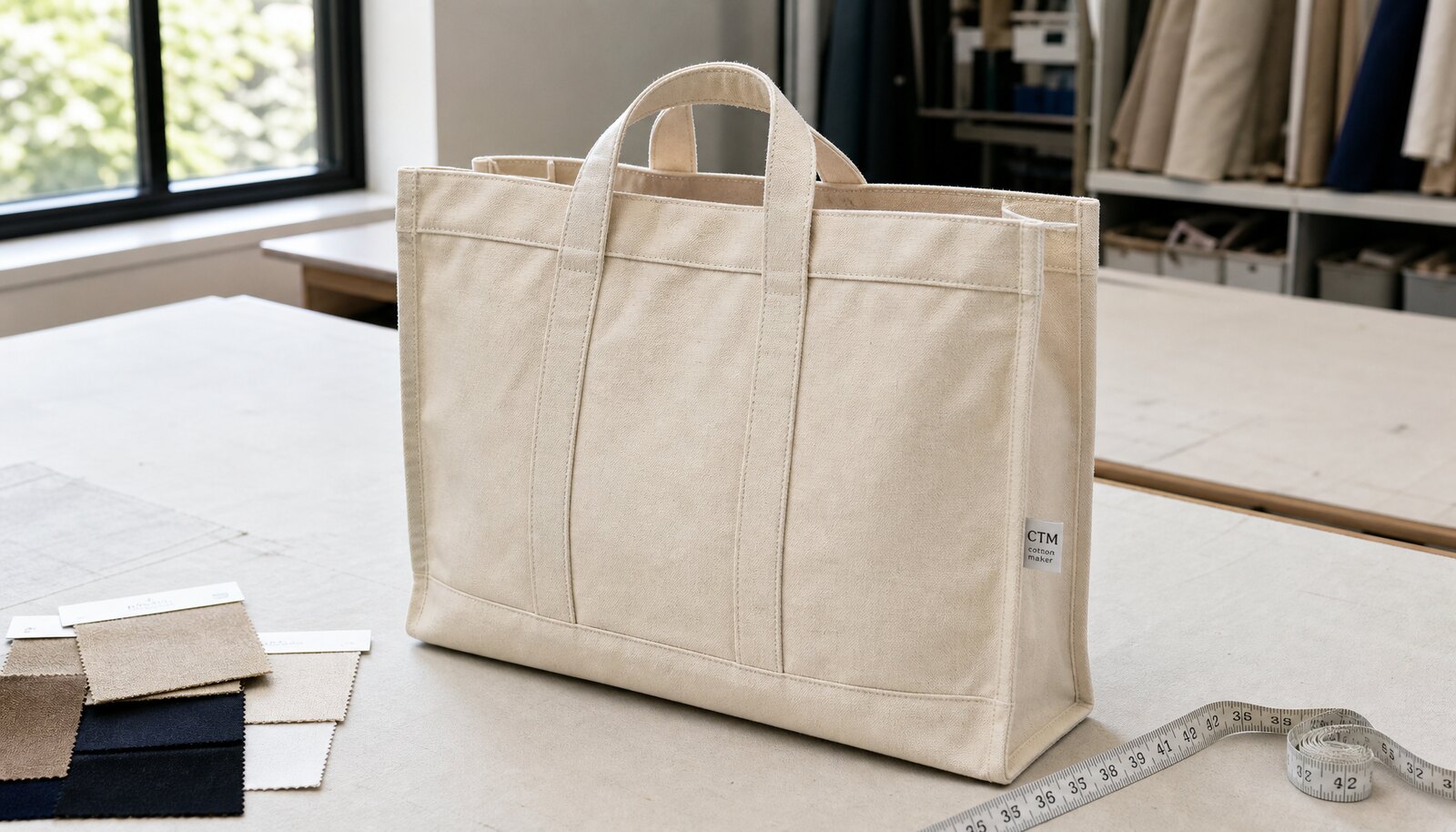
What a boutique library tote has to do
A boutique library tote is not just a canvas bag with a bookish graphic. In most retail programs, it has to work as a shelf item, a gift item, and a practical carry bag all at once. That means the material has to look structured enough to justify the price, the handle length has to feel comfortable for daily use, and the body has to hold its shape when displayed flat or lightly stuffed. Buyers usually under-spec the bag by focusing on the artwork first and the construction second, then end up with a tote that wrinkles badly, sags at the bottom, or looks cheap next to the rest of the boutique assortment.
Start with the commercial role of the bag. If it is being resold, the customer will judge it against other lifestyle accessories, not against a giveaway. If it is used as a gift-with-purchase, the brand still needs a bag that photographs well and survives repeated use. If the tote is for a bookstore corner, museum shop, or lifestyle boutique, the ideal spec usually sits between promotional canvas and premium fashion canvas: enough body to feel deliberate, not so heavy that it becomes expensive to ship and sew. The right material choice depends on that position, not on a generic tote standard.
- Define the use case before asking for price: resale, GWP, or promo.
- Balance shelf appearance against carry strength and freight cost.
- Treat fabric, structure, and decoration as one system, not separate decisions.
Choose canvas weight by retail position, not habit
For boutique library totes, fabric weight is usually the first real cost and quality decision. Around 10 oz canvas is light and economical, but it can feel soft or underbuilt if the bag is meant to sit on a retail shelf. Around 12 oz is the most practical middle ground for many boutique programs because it gives enough body for a clean silhouette without pushing sewing cost and freight too high. Around 14 oz creates a heavier, more premium feel and usually performs better when the bag is expected to carry books, bottles, or thicker merchandise. Do not rely on the name alone; ask for the actual GSM after finishing, because washed, dyed, or coated canvas can move away from its nominal weight.
The weave matters as much as the weight. A dense plain weave in 12 oz often looks better than a loose 14 oz fabric that sags and fuzzes at the edge. If the brand wants a natural, artisan look, unbleached canvas can work well, but natural fiber variation can affect print appearance and color consistency. If the bag will be screen printed with fine type, a smoother surface is easier to decorate. If the bag will be sold with a high perceived-value target, a heavier canvas with cleaner yarn quality is usually better than simply increasing thickness. The buyer should compare hand feel, drape, opacity, and print performance together.
- 10 oz: best for low price points, lighter loads, and fast retail tests.
- 12 oz: best all-around option for boutique resale and gift programs.
- 14 oz: best for premium shelf presence and heavier contents.
- Always ask whether the quoted weight is pre-wash, post-wash, or post-finish.
Structure details that change the perceived value
Small construction details are what separate a retail-ready tote from a commodity bag. Handle length and width affect comfort immediately; too short and the bag rides awkwardly, too narrow and the handle cuts into the hand. For boutique library totes, a handle drop that works over a coat or shoulder is often more useful than a short hand-carry strap. Stitch density also matters. A neat top hem, reinforced handle attachment, and clean side seam finish will do more for the customer perception than a decorative label that hides poor sewing underneath.
Gusset depth should be matched to the intended load. A slim gusset gives a sharper silhouette for flat items and a more fashion-forward feel. A wider gusset helps when the bag must hold hardcover books, candles, bottles, or mixed boutique purchases. Lining adds cost, but it also hides raw seam allowance and can help the tote feel more premium. If the fabric is very light, an unlined bag may show print bleed or seam distortion. Buyers should specify whether the bag must stand upright, fold flat, or both, because that choice affects the bottom seam, reinforcement, and carton pack.
- Specify handle drop, not just handle length, so the wearing experience is clear.
- Require reinforced handle ends and clean top edges for retail-grade appearance.
- Use a gusset only when the product needs to hold volume, not by default.
- Add lining when the bag must hide internal seams or support darker prints.
Match the print method to the canvas surface
The decoration method should be chosen after the fabric is fixed, because the same artwork behaves differently on different canvas weights. Screen printing is the most common option for boutique totes because it gives solid color, good durability, and manageable unit cost at scale. It works well on 12 oz and 14 oz canvas, especially for logos, book-themed graphics, and bold text. Water-based inks can keep the hand feel softer, while heavier plastisol-style prints can give better opacity on darker canvas. The buyer should not approve artwork on screen alone; the same design can look very different once the weave absorbs ink.
Embroidery, woven labels, heat transfer, and sewn patches have their own use cases. Embroidery can look premium on thick canvas, but it adds thread cost, stitch time, and backing considerations. Heat transfer can be useful for fine detail and short runs, but it can age differently under folding and retail handling. Woven side labels are often a smart branding addition because they are durable and visible even when the bag is folded. If a supplier proposes a print method that does not suit the fabric weight, the final result usually shows it quickly: cracking, muddy edges, uneven coverage, or a graphic that sinks into the weave.
- Use screen print for most logo-led boutique programs.
- Use embroidery only when the fabric weight and price point justify it.
- Confirm color count, placement size, and cure standard before bulk production.
- Ask for a wash or fold test if the tote will be handled repeatedly in-store.
Compare sourcing routes before you compare price
Quoted price means very little unless the sourcing route is clear. A direct factory quote usually gives the best control over fabric, sewing, and packing, but it works only if the buyer can manage samples, approvals, and production follow-up. A trading company can simplify communication when the program has mixed products or multiple destinations, but margin stacking can hide the true cost structure. A stock blank route can be useful for a fast test launch, but it limits size control and may force compromises on color and feel. For boutique tote programs, the right source depends on how much customization the buyer needs and how repeatable the order will be.
Compare suppliers on the same basis: fabric weight, construction, print method, packing format, and Incoterm. If one supplier is quoting a 12 oz tote with a single-color screen print, hemmed top edge, and individual polybag, while another is quoting an unlined 10 oz blank in a bulk carton, the unit price is not comparable. The most useful supplier is the one who can show real production evidence: previous similar bags, clear sample photos, inspection records, and a straightforward explanation of what drives cost up or down. Without that, the cheapest quote is often just the least precise one.
- Direct factory: best for repeatable quality and custom spec control.
- Trading company: best when coordination time is more valuable than price transparency.
- Stock blank: best for fast tests, not for strict brand differentiation.
- Ask every supplier to quote the same spec sheet before you compare numbers.
Use sample approval to lock the production standard
The sample stage is where most tote problems should be caught, but only if the buyer treats the sample as a production contract, not as a display piece. The pre-production sample should match the intended fabric weight, color, trim, label, print position, and packing. Measure it against a spec sheet, not against memory. If the tote is meant to sit neatly on a boutique shelf, check how it folds and whether the body keeps its shape after being packed and unpacked. If the print sits close to a seam or gusset, inspect it under the same lighting the retail team will use, because alignment issues are easier to hide in a sample room than on the selling floor.
The approval note should be specific. Write down acceptable tolerance, acceptable shade range, and what will trigger rework. If the canvas is natural, small fiber variations are normal, but they should not turn into visible patchiness or uneven print coverage. If the bag is lined, inspect seam concealment and corner finishing. If there is a woven label or side label, confirm the placement and stitch quality. A good sample process does not just say yes or no; it reduces ambiguity so the bulk order cannot drift away from the agreed standard.
- Approve the sample on measurements, fabric feel, print quality, and packing together.
- Write down any acceptable tolerance before the factory starts bulk sewing.
- Use the same lighting and fold method for every sample comparison.
- Request a photo set of the approved sample for the production file.
Plan packing for retail, not just for shipping
Packing decisions affect both shelf presentation and landed cost. Some boutique buyers want each tote individually polybagged with a barcode and hangtag so it can move directly to retail display. Others prefer a more restrained pack-out, such as a belly band or tissue wrap, to keep the presentation premium and reduce plastic use. If the tote is sold folded, the fold direction should be standardized so the print appears correctly on opening and the bag retains a clean silhouette. If the bag has a lining or a heavier canvas, the fold memory can be different from a lightweight promo tote, so the supplier should test the fold before finalizing the carton spec.
Carton packing should match the route to market. If the bags are going to a distribution center, bulk packing with clear carton markings may be fine. If they go directly to boutique stores, the inner pack should protect the print from scuffing and keep the bag consistent when unpacked by store staff. Moisture control matters for cotton canvas, especially on long sea shipments or humid routes. A simple desiccant plan, pallet wrapping strategy, and carton-strength standard can prevent avoidable claims. The right packing format is the one that keeps the bag retailable without adding unnecessary materials.
- Standardize fold direction and print visibility inside the pack.
- Match inner packing to the retail handling path, not just the warehouse route.
- Use carton markings that match the purchase order and SKU structure.
- Protect against moisture if the route includes long transit or storage time.
Use lead time as a risk control tool
A realistic lead time is usually longer than a sales estimate and shorter than a worst-case fear. For a custom canvas library tote, sample approval, accessory sourcing, cutting, printing, sewing, packing, and inspection all take time. If the order requires custom fabric dyeing, special labels, or a multi-color print, the schedule will move slower than a plain blank tote. Buyers often lose time not in sewing, but in waiting for artwork approval, approving the wrong color reference, or changing the packing format after bulk has already started. The cleanest schedule is the one with fewer moving parts before production begins.
Seasonality also matters. A boutique order tied to a holiday launch or a store event should include buffer time for sample iteration and shipment delay. Ask the factory what usually causes late delivery on similar bags. The answer is often more useful than a generic promise: print rework, fabric shortage, label delay, or carton mismatch. If the supplier cannot identify the main schedule risks, they probably do not have enough production discipline to protect your launch date. Build the order around the earliest hard deadline, not the latest comfortable one.
- Allow time for sample approval before the bulk clock starts.
- Treat artwork changes as schedule risk, especially for multi-color prints.
- Plan buffer for peak season, port delay, and packing correction.
- Ask the supplier to name the most common delay point on this exact bag type.
Price the tote on landed cost, not the unit quote
A useful quote is more than a unit price. For boutique library totes, the real buying question is what the bag costs landed, packed, and ready for retail use. Fabric weight affects cost directly, but so do print colors, lining, stitching complexity, packaging, and carton size. A heavier tote may have a higher factory price but lower perceived risk because it supports a better retail price point. A lighter tote may look cheaper at first glance, but if it needs extra decoration or fails retail presentation, the hidden cost shows up later in markdowns, complaints, or reorders.
To compare quotes fairly, ask each supplier to break out the same line items. Request the ex-factory price, the sample fee if any, the print setup cost, the packing cost, and the shipping basis. If possible, calculate the landed cost per sellable unit, not per bag off the line. One supplier may include better packing, clearer carton labeling, and tighter QC, while another may only look cheaper because the quote omits those steps. For procurement teams and brand owners, the right decision is the one that protects margin without damaging the retail experience.
- Compare ex-factory, packaging, and freight together.
- Separate setup costs from recurring unit costs when judging short runs.
- Use the sellable-unit cost, not just the production cost, to compare suppliers.
- Ask for a quote layout that matches your internal approval sheet.
Common mistakes that cause avoidable rejects
The most common mistake is over-specifying the art and under-specifying the bag. Buyers send a logo file and a target price, then get a tote that misses the retail standard because the fabric was too soft, the handles were too short, or the print looked weak on the chosen canvas. Another common issue is comparing samples from different suppliers without aligning the fabric weight or packing method. A 12 oz bag with good sewing can look more premium than a heavier bag with poor finishing, but only if the quote structure makes that comparison visible.
A second class of mistakes happens after sample approval. The bulk order drifts because the supplier substitutes a different cloth, changes thread, or adjusts carton pack without clear approval. That is why the spec sheet, sample label, and production photo record matter. For boutique programs, the bag is often the first physical contact a customer has with the brand, so small misses are visible. A crisp tote with straight seams, stable color, and clean packing usually sells the brand better than any promotional description attached to it.
- Do not approve artwork before the fabric and construction are fixed.
- Do not compare samples that differ in weight, weave, or packing.
- Do not allow bulk substitutions without written approval.
- Do not ignore how the tote looks after folding, stacking, and shelf display.
Specification comparison for buyers
| Spec decision | Recommended option | When it fits | Buyer risk to check |
|---|---|---|---|
| Direct factory sourcing | Use a cut-and-sew factory that also handles printing and packing | Best for repeat boutique programs, custom sizes, and tighter control over fabric and trim | Confirm who actually owns the fabric, print, and QC steps, not just the sales contact |
| Trading company sourcing | Use when you need mixed products, small coordination load, or multiple factory options | Useful if your team lacks time to manage several vendors or you need a broader quote set | Check margin stacking, whether specs are being translated accurately, and who is responsible for defects |
| Stock blank plus local decoration | Buy ready-made blanks and print or embroider locally | Works for fast retail tests, seasonal drops, or very low MOQ launches | Blank quality must still meet size and color consistency, and local decoration can create uneven final hand feel |
| Boutique workshop route | Use a small workshop for short runs and presentation samples | Good for premium brands that value flexibility over unit cost | Lead times can slip, and batch-to-batch consistency is usually weaker than a factory line |
| 10 oz canvas | Lightweight single-fill canvas with a soft hand | Fits tote-as-merchandise or giveaway use with modest load expectations | May look too thin for a premium bookstore or boutique floor program |
| 12 oz canvas | Balanced canvas with enough body for retail display | Usually the safest choice for boutique resale and gift-with-purchase programs | Confirm actual finished GSM after washing, coating, or dyeing, not just fabric nominal weight |
| 14 oz canvas | Heavy canvas with firmer structure and better shelf presence | Best when the bag must stand up, carry heavier items, or support higher price points | Higher freight cost and longer sewing time; handle and seam reinforcement become more important |
| Lined construction | Add a cotton or polycotton lining when the bag needs a cleaner interior and better perceived value | Appropriate for boutique resale, premium gifting, and darker prints that should not show through | Inspect lining shrinkage, seam hiding, and whether the extra layer changes print placement or seam tolerances |
Buyer checklist before sampling
- Define the retail use first: resale, gift-with-purchase, staff bag, or promo item, because that drives canvas weight, finish, and price ceiling.
- Lock the finished size, gusset depth, handle drop, and acceptable tolerance before asking for quotes.
- State the target fabric weight in GSM and whether you want bleached, natural, dyed, or washed canvas.
- Specify the print method, number of colors, print placement, and whether a soft hand or sharp graphic is more important.
- Ask each supplier to quote the same packing format, carton count, and inner packaging so landed cost is comparable.
- Request photos of prior production, not only sample-room images, and confirm the factory can actually make the construction you need.
- Get the pre-production sample approved on measurements, color, stitch quality, print registration, and packaging before bulk begins.
- Confirm production lead time, shipping method, and the last date you can still change artwork without delaying the order.
Factory quote questions to send
- What is the actual finished fabric weight in GSM after any washing, dyeing, or finishing?
- Can you quote the same tote in 10 oz, 12 oz, and 14 oz canvas so we can compare price and hand feel?
- What is the MOQ per color and per print version, and does the MOQ change if we use the same bag body with different artwork?
- Which print methods can you support on this canvas weight, and what is the setup cost for each?
- What are the size tolerances for width, height, gusset, and handle length on bulk production?
- Can you send a pre-production sample with the exact fabric, thread, label, and packing format?
- What carton pack, carton size, and gross weight do you recommend for retail-ready shipping?
- What is your standard production lead time after sample approval, and what delays usually affect it?
Quality-control points to confirm
- Finished size within agreed tolerance, typically within plus or minus 0.5 cm for small bags and plus or minus 1 cm for larger bodies.
- Fabric weight matches the quoted spec, with no substitution to a lighter cloth after sample approval.
- Stitching is straight and secure at handles, side seams, gusset corners, and top hem, with no skipped stitches or loose thread ends.
- Handle strength is verified by load testing with a realistic retail weight, not a hand-pull only check.
- Print is aligned, opaque enough for the fabric color, and fully cured with no tackiness or cracking after folding.
- No obvious weave defects, stains, oil marks, broken yarns, or odor that would cause retail rejection.
- Carton count, label artwork, barcode, and inner packing all match the approved packing sheet.