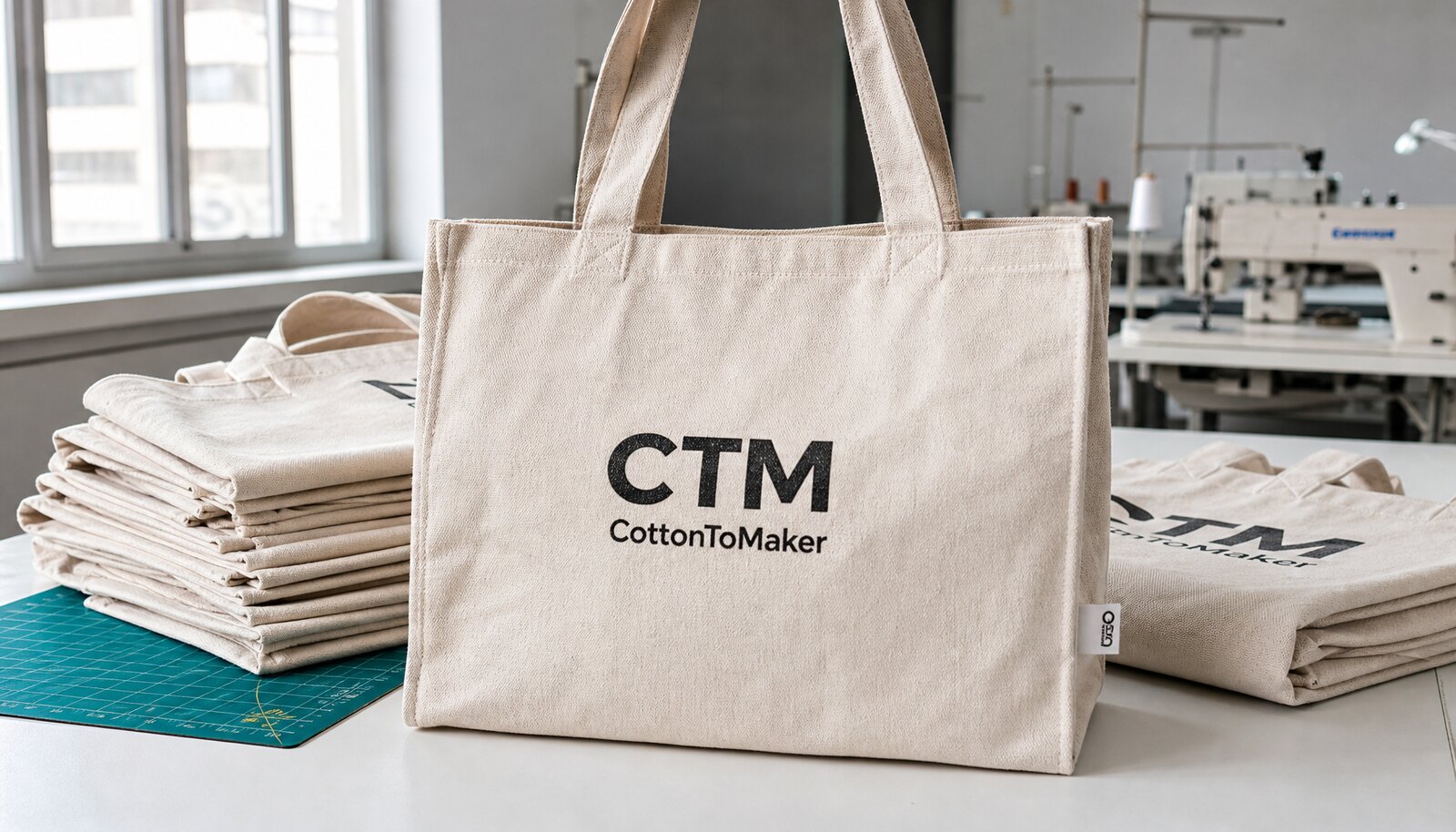
Why Carton Planning Matters For Bookstore Tote Programs
Bookstores buy tote bags for three different jobs at once: retail sale at the counter, impulse purchase near the register, and replenishment stock that can move through a back room without damage. If the carton plan is weak, the bag may still look fine on a sample sheet, but the shipment arrives expensive to move, hard to shelve, or difficult to count. For bookstore buyers, the carton is not just a shipping container. It is part of the operating model.
That is why canvas library tote bags for bookstores shipping carton planning should start before the quote is collected, not after. The factory needs to know the finished bag size, whether the bags are sold folded or stuffed, how many units must fit in each carton, and whether the receiving team needs store-specific labeling. A quote without carton data may look cheap on paper and still fail at receiving because the packs are too heavy, too bulky, or mixed in a way that slows replenishment.
- Carton size drives freight cost, storage handling, and how fast the store can receive stock.
- Pack count affects unit cost, but only if the carton stays within a manageable weight and volume.
- Bookstore programs often need cleaner carton labels than promo bags because staff restock from the back room.
Lock The Bag Spec Before You Ask For Freight Numbers
A carton plan is only useful if the bag itself is frozen. For bookstore canvas totes, the most common spec variables are fabric weight, finished size, handle length, gusset depth, print area, and whether the bag has a flat bottom or boxed shape. A 12 oz canvas tote around 340 gsm is a practical baseline for everyday bookstore use. It gives enough body for books, journals, and small gift items without making the bag too stiff or too expensive to ship. If the program is premium and the buyer wants a heavier hand feel, a 16 oz canvas around 450 gsm can work, but the pack will grow bulkier and freight density will usually worsen.
Buyers should also decide early how much decoration is really needed. A simple one-color screen print is easier to price and easier to keep centered than a full-bleed graphic or a multi-location print. If the store wants a subtle retail look, a woven label or sewn patch can reduce print risk and keep the tote usable for a wider customer base. The right spec is the one that matches how the bookstore will sell the bag, not the one that looks best on a rendering.
- For general bookstore sales, start with 12 oz / 340 gsm canvas and test whether the tote stands up on a counter.
- For premium retail or gift shop placement, 16 oz / 450 gsm is a stronger visual and tactile choice, but confirm pack efficiency.
- If the tote will carry hardback books, specify handle reinforcement and seam strength before talking about carton count.
Compare Sourcing Routes Before You Compare Unit Prices
Many tote projects get mispriced because the buyer compares only the bag unit price and ignores who owns the carton plan. A direct factory can often give the cleanest control over fabric, stitching, print, and pack configuration, which matters when a bookstore chain needs repeatable restocks. A trading company can be useful if you need mixed items or a single contact for a wider purchase order, but the buyer should confirm where the bags are actually made and who signs off on carton packing. Local converters are worth considering when the market is close and replenishment speed matters more than absolute unit cost.
Another trap is mixing sourcing route with material route. A stock blank tote printed locally may look efficient, but it can create uneven shade, inconsistent folding, or carton counts that do not match the factory's original estimate. For bookstore buyers, the better question is whether the supplier can deliver a stable retail pack at the right carton density. If the answer is unclear, the quote is not ready to compare.
- Ask every supplier to quote the same finished bag size, the same fold method, and the same carton count.
- Require carton dimensions and gross weight in the quote, not as a follow-up after pricing is accepted.
- If one route is faster but uses softer blanks or thinner packing, include the receiving labor cost in the comparison.
Build Carton Math From The Finished Folded Bag
The easiest mistake in shipping carton planning is to start from the truck or the pallet instead of the folded bag. The factory needs the exact folded size, including any insert card, tissue, or polybag. A bag that looks compact in a flat sample can become much larger once the handles are tucked, the seams are pressed, and the print area must remain visible. The carton should be sized around the folded bag profile, not around a hopeful target count. If the bag is thick canvas, the carton count should be reduced before the gross weight gets out of hand.
For bookstore programs, a practical handling target is often a carton that one person can move without strain if the shipment is not palletized. That does not mean every carton must be light; it means the buyer should define a gross weight ceiling and a carton size ceiling before production starts. When the totes are sold by store allocation, it is also smart to keep inner packs consistent so the receiving team can pull the right count without opening every master carton. The best carton plan is the one that reduces labor at receiving and still keeps freight efficient.
- Give the factory the folded bag size, not only the finished open size.
- Set a gross weight limit for manual handling before the supplier chooses the carton count.
- If the bag includes a cardboard insert or barcode card, include that in the pack calculation from the start.
- For multi-store shipments, define whether the units are packed by SKU, by store, or by order line.
Print And Construction Choices That Change The Quote
On canvas totes, the print method affects both price and packability. A single-color screen print is usually the most efficient route for bookstore logos, seasonal reading campaigns, or membership branding. It can be controlled well if the art is simple and the ink coverage is not too fine. Multi-color printing, large artwork, and detailed gradients raise setup time and increase the chance of registration issues. If the design is small and the brand wants a quieter finish, a woven label or sewn patch can be a better fit because it shifts the value from decoration to construction.
Construction details matter just as much as print. Handle length, handle width, reinforcement stitching, side seam finish, and bottom seam style all change the quote and can affect how the tote folds into a carton. A bookstore tote that carries paperbacks may tolerate simpler construction, but a tote that is expected to handle several books should be reinforced at the handle roots and stress points. If the supplier does not specify stitch density, reinforcement method, and seam allowance, the buyer is missing the data that determines whether the bag survives real retail use.
- One-color screen print is the simplest retail option when the logo area is flat and the artwork is not fragile.
- Woven labels or sewn patches work well when the store wants a more premium look and cleaner shipping pack.
- Handle reinforcement and seam details should be priced explicitly, not hidden inside a vague tote quote.
Sample Approval And QC Thresholds That Hold Up In Stores
A bookstore tote should not move into bulk production until the sample process proves that the spec can be repeated. At minimum, a buyer should see a digital proof, a pre-production sample, and a sealed reference sample that the factory can use during bulk production. If the order is large or the artwork is tight, request a top-of-production check on the first run of printed bags. The goal is not a perfect sample in isolation. The goal is a bag the factory can reproduce without drift.
The QC thresholds need to be practical. A small variation in natural canvas shade is normal, but the buyer should define what range is acceptable. Stitching should be straight and secure, print placement should stay within the approved zone, and all carton counts should match the packing list. If the bookstore team plans to sell the tote as a retail product, the buyer should also inspect how the bag looks after folding and unpacking, because a retail tote that arrives creased, dirty, or mispacked will create store labor before it creates sales.
- Approve one sealed sample as the production reference and keep it attached to the PO file.
- Define acceptable tolerances for size, shade, print placement, and handle symmetry before bulk starts.
- Inspect the first printed batch for registration, opacity, and smudging on the canvas weave.
- Open random cartons before shipment to confirm count, folding method, and cleanliness.
Packing Instructions That Keep Replenishment Clean
Packing is where many tote projects lose efficiency. If the bag is sold folded on a shelf, the fold method should be repeatable and quick to reproduce. If the store wants each tote in a polybag, the thickness of the polybag matters because it changes carton count and can trap moisture in humid lanes. Some buyers add a simple insert card for branding or barcode control, but that should be specified early because it changes the folded thickness and can affect carton fit. The packing spec should read like an operations instruction, not a general preference.
For bookstores, carton markings should support receiving, not only export. That means carton labels should include the PO number, SKU or art code, carton number, total carton count, quantity, and destination if the order is split by store. If the shipment is destined for multiple branches, inner packs can reduce store labor, but only when the count logic is consistent. A messy packing spec causes labor at the back door, and that labor often costs more than the small freight savings from a tighter carton.
- Specify whether the tote is bulk folded, individually polybagged, or packed with a card insert.
- Require carton marks that match the order file so the warehouse can receive without opening every box.
- If the bags ship to several stores, define the allocation format before the factory prints the carton labels.
- Avoid overpacking if the tote must be displayed in retail shape after opening.
Lead Time Risks That Slip Bookstore Launches
The real schedule risk is usually not sewing. It is waiting for artwork approval, fabric confirmation, and carton sign-off while the launch date stays fixed. A typical tote project can move quickly once the spec is stable, but a bookstore buyer should treat fabric, print, and packaging as three separate schedule gates. If the tote uses custom-dyed canvas, special inks, or a printed insert card, those items may become the longest lead items. The earlier the buyer freezes the spec, the lower the risk of a launch delay.
Seasonal retail dates make this worse. When a bookstore program is tied to a reading month, holiday gifting window, or new store opening, the supplier needs to know the ship date early enough to book packing and freight. Any late change in handle length, print location, or carton count can force a rework. The safest method is to lock the sample, confirm the carton drawing, and then hold artwork changes unless there is a business reason to pay for the delay.
- Separate the schedule into fabric approval, printing approval, packing approval, and final inspection.
- Assume any late art change will affect both lead time and carton efficiency.
- If the tote is needed for a launch date, build a buffer for sample rework and freight booking.
- Ask the supplier which step usually causes slippage so the risk is visible before PO release.
Compare Quotes On Landed Cost, Not Just FOB
The cheapest quote on paper is not always the lowest landed cost. A useful quote for bookstore canvas totes should separate the bag unit price, print setup, sample charges, packing cost, carton cost, and freight basis. If a supplier quotes a low tote price but omits carton dimensions or hides extra packing charges, the buyer cannot compare the offer against a supplier that has already included those items. The quote should be detailed enough that procurement can calculate per-carton and per-store cost without chasing follow-up messages.
For bookstore buyers, landed cost also includes receiving labor and shelf readiness. A slightly more expensive supplier that delivers stable cartons, clean labels, and consistent folding may outperform a cheaper source that creates unpacking labor. When two quotes look close, compare them by pack efficiency, carton count, and the amount of rework the store team will need. That is the number that matters when the tote is no longer a sample and has to move through a real retail operation.
- Use the same spec across all quotes so unit price comparison is meaningful.
- Require carton dimensions, gross weight, and CBM so freight can be estimated before PO placement.
- Include setup cost, sample cost, packing cost, and any special labels in the comparison sheet.
- Treat labor at receiving as part of landed cost when the carton plan is awkward or inconsistent.
Specification comparison for buyers
| Spec decision | Recommended option | When it fits | Buyer risk to check |
|---|---|---|---|
| Direct factory sourcing | Use one factory that controls fabric, print, stitching, and export cartons | Best for repeat bookstore programs and stable artwork | Confirm the same team owns carton sizing, pack count, and final inspection |
| Trading company sourcing | Use a trading company when you need multi-item consolidation or smaller initial volume | Helpful if you are buying bags with bookmarks, tags, or other store items in one shipment | Ask who actually makes the bags and who approves carton packing |
| Local converter near destination | Use a regional printer or bag converter for rush replenishment | Works when freight time matters more than unit cost | Check whether local materials match the approved sample and whether shade varies between batches |
| Stock blank plus local print | Buy blank canvas totes and print near market | Good for fast art changes or test launches with uncertain demand | Confirm blank bag quality, print placement, and whether the final pack survives retail handling |
| 12 oz / about 340 gsm canvas | Use medium-weight canvas for everyday bookstore sales | Fits general retail use and keeps freight weight manageable | Check whether the fabric is pre-shrunk and whether the bag becomes too soft after loading |
| 16 oz / about 450 gsm canvas | Use heavier canvas for premium stores or gift shop positioning | Good when buyers expect a sturdier hand feel and better structure | Verify carton weight and whether the bag folds too bulky for efficient export packing |
| One-color screen print | Use for clean logo placement and lower setup cost | Best for chain logos, reading club marks, or seasonal store graphics | Confirm ink opacity on natural canvas and avoid thin lines that fill in during printing |
| Woven label or sewn patch | Use when the brand wants a quieter premium look | Works well if the tote is sold as a lasting retail item rather than a promo give-away | Check label placement, seam allowance, and whether the label affects folding and carton count |
Buyer checklist before sampling
- Finished bag size, gusset, handle drop, and folded size
- Canvas weight in gsm or oz, plus whether the fabric is pre-shrunk
- Print method, Pantone references, and number of print locations
- Target carton count, carton size, and gross weight limit
- Polybag, insert card, barcode, and carton marking requirements
- Sample sequence: digital proof, pre-production sample, and sealed sample
- QC tolerances for dimensions, stitching, print placement, and shade variation
- Lead time milestones for fabric, printing, packing, and booking freight
- Freight term, destination, and whether cartons need palletizing
- Who owns final approval for artwork, carton labels, and store allocation
Factory quote questions to send
- What fabric weight are you quoting, and is the weight before or after finishing?
- What are the finished size, folded size, and target units per carton?
- Can you provide the carton dimensions, gross weight, and CBM for the quoted pack?
- What print method are you pricing, and what is the setup cost per color or location?
- What sample stages do you offer before production starts, and what does each sample include?
- What is the stitch specification for handles and side seams, including reinforcement points?
- What packing style is included, such as bulk fold, polybag, insert card, or barcode label?
- What is your standard production lead time after sample approval and deposit?
- Which inspection points do you include before shipment, and can you share carton photos?
- What Incoterms are you quoting, and which charges are excluded from the unit price?
Quality-control points to confirm
- Fabric GSM should stay within an agreed tolerance, commonly around plus or minus 5 percent on production lots
- Finished bag dimensions should match the approved sample within the buyer's stated tolerance, especially width, height, and gusset
- Handle stitching should be straight, secure, and reinforced at stress points with no loose ends
- Print registration should stay centered and clean, with no pinholes, smears, or ghosting on the logo area
- Natural canvas shade should be acceptable within a defined batch range, not judged by single-bag color matching
- Folded pack size should fit the quoted carton count without crushing the bag body or deforming the handles
- Carton labels should match the PO, artwork code, quantity, and destination allocation exactly
- Random cartons should be opened before shipment to confirm count, folding method, and accessory completeness