Buying Problem
A canvas grocery tote for a liquor retailer is not just a reusable shopping bag with a logo. It has to carry concentrated weight, protect the retailer's brand image, and move through distribution without creating store-level complaints. A customer may put two glass bottles, mixers, and snacks into one tote. If the handle seam opens at the checkout counter, the buyer will remember the failure, not the low unit price.
The compliance checklist should therefore connect product construction with supplier evidence. Procurement teams need to know whether the factory can control fabric, stitching, print curing, carton packing, and documentation across repeat orders. The purpose is not to collect paperwork for its own sake. It is to avoid a bulk shipment that looks acceptable in photos but fails under actual liquor-store use.
- Treat the tote as a load-bearing retail item, not a disposable promotion.
- Link every brand claim, such as organic cotton or recycled cotton, to transaction documents.
- Write the RFQ around finished-bag performance, not only dimensions and logo artwork.
- Compare suppliers by production control and inspection access, not only quoted unit price.
Core Tote Specification
The RFQ should start with the finished bag format. For liquor retail grocery totes, a common practical range is 35 to 42 cm wide, 35 to 40 cm high, with an 8 to 15 cm bottom gusset. The deeper gusset helps the bag sit flatter with bottles and boxed goods, but it also uses more fabric and increases folding volume. Handle drop normally needs to fit hand carry and shoulder carry; many buyers use 22 to 28 cm depending on the finished height and target customer use.
Fabric weight should be stated as GSM or ounces per square yard, and the quote should not rely on a vague phrase such as heavy canvas. For simple promotional totes, 8 oz to 10 oz cotton canvas may be enough. For liquor retail grocery use, 10 oz to 12 oz is often a better starting point. For heavier reusable bags, 14 oz to 16 oz can work, but the buyer must account for higher freight cube, higher sewing difficulty, and a stiffer hand feel.
- Light promotional option: 8 oz to 10 oz canvas for lower loads and event distribution.
- Balanced retail option: 10 oz to 12 oz canvas for reusable grocery-style liquor store totes.
- Heavy-duty option: 14 oz to 16 oz canvas when the bag is sold as merchandise or expected to carry multiple bottles.
- Construction detail to include: boxed bottom, side gusset, folded top hem, reinforced handle attachment, and inside seam finishing.
Supplier Compliance Evidence
A supplier compliance review should identify who actually cuts, prints, sews, inspects, and packs the bags. Some exporters are strong coordinators, but the buyer still needs traceability to the production site. The factory name on the audit, the business license, and the shipment documents should match the facility responsible for the finished product or clearly show the subcontracting relationship.
For liquor retailers, compliance risk often appears in brand governance rather than regulated alcohol packaging. The tote may carry a retailer logo, loyalty campaign message, or sustainability claim. If the bag says organic cotton, recycled cotton, or responsibly sourced, the supplier needs evidence that covers the finished product route. A mill certificate alone may not support the claim on a finished tote unless chain-of-custody requirements are met.
- Collect factory audit or social compliance records when the retailer requires vendor onboarding.
- Match certificate scope to product type: cotton bags, canvas bags, printing, sewing, or finished textile goods.
- Require material declaration for cotton, recycled cotton, polyester thread, ink, labels, and packaging.
- Document any subcontracted process, especially printing, washing, embroidery, or dyeing.
Print And Branding Choices
Screen printing is usually the most practical method for canvas grocery totes with one to four solid colors. It gives good coverage on natural canvas and keeps cost predictable at volume. The buyer should provide vector artwork, Pantone references, artwork size, placement from top and side seams, and whether the print appears on one side or both sides. Large solid ink areas may feel stiff on heavier canvas, so the sample should be reviewed for hand feel as well as color.
Heat transfer can reproduce gradients and fine details, but it may not suit a brand that wants a natural retail look. Embroidery gives a premium feel but adds cost, can pucker lighter canvas, and may not be ideal for large grocery tote logos. Woven labels or side labels work well when the retailer wants a discreet permanent brand mark. For liquor stores, the print must also tolerate folding, carton compression, and repeated friction against bottles and shelves.
- Best value for solid logos: screen print with cured ink and rub testing.
- Best for premium small branding: woven side label or embroidery on heavier canvas.
- Best for multi-color artwork: heat transfer only after wash, rub, and edge-lift checks.
- Approval point: print position tolerance, color tolerance, ink hand feel, curing result, and abrasion resistance.
MOQ Logic And Cost Drivers
MOQ is not one number. It changes with fabric procurement, dyeing, cutting efficiency, print setup, label minimums, and packing labor. A supplier may quote 500 pieces for a natural canvas tote with one-color screen print, but require 1,000 to 3,000 pieces for a dyed fabric, custom woven label, special handle webbing, or certified organic cotton lot. The buyer should separate the MOQ by component so the commercial tradeoff is visible.
Cost drivers should be listed line by line in the quote comparison. Fabric weight and bag size usually move the base cost first. Reinforced handles, inside binding, thicker thread, two-side printing, individual polybags, barcode labels, and retail hangtags each add cost. A lower unit price can disappear after the buyer adds carton relabeling, extra screens, inspection rework, or air shipment caused by a slow approval cycle.
- Fabric driver: higher GSM, wider width, dyed color, organic cotton, recycled blend, or washed finish.
- Labor driver: boxed gusset, binding, cross-stitch handles, bartacks, labels, and thread trimming standard.
- Print driver: number of colors, print area, two-side placement, ink type, setup screens, and curing requirements.
- Packing driver: individual bags, carton strength, inner bundles, barcode stickers, palletization, and store-ready sorting.
Sample Approval Standard
A sample is useful only when it represents the bulk order. A photo sample made from available fabric can help early discussion, but it should not be treated as final approval. The pre-production sample should use the actual canvas weight, actual handle construction, actual print process, actual label, and the intended folding method. If the bulk order will be individually packed with barcode labels, the sample pack should show that too.
Sample review should be structured like a mini inspection. Measure the bag flat and opened with the gusset expanded. Pull the handles by hand, then run a simple loaded hang test using the expected bottle weight. Fold and unfold the printed panel to see whether the ink cracks at the crease. Place typical bottles or boxes inside to confirm the base shape. Small sample problems often become large bulk problems because cutting, sewing, and printing are repeated thousands of times.
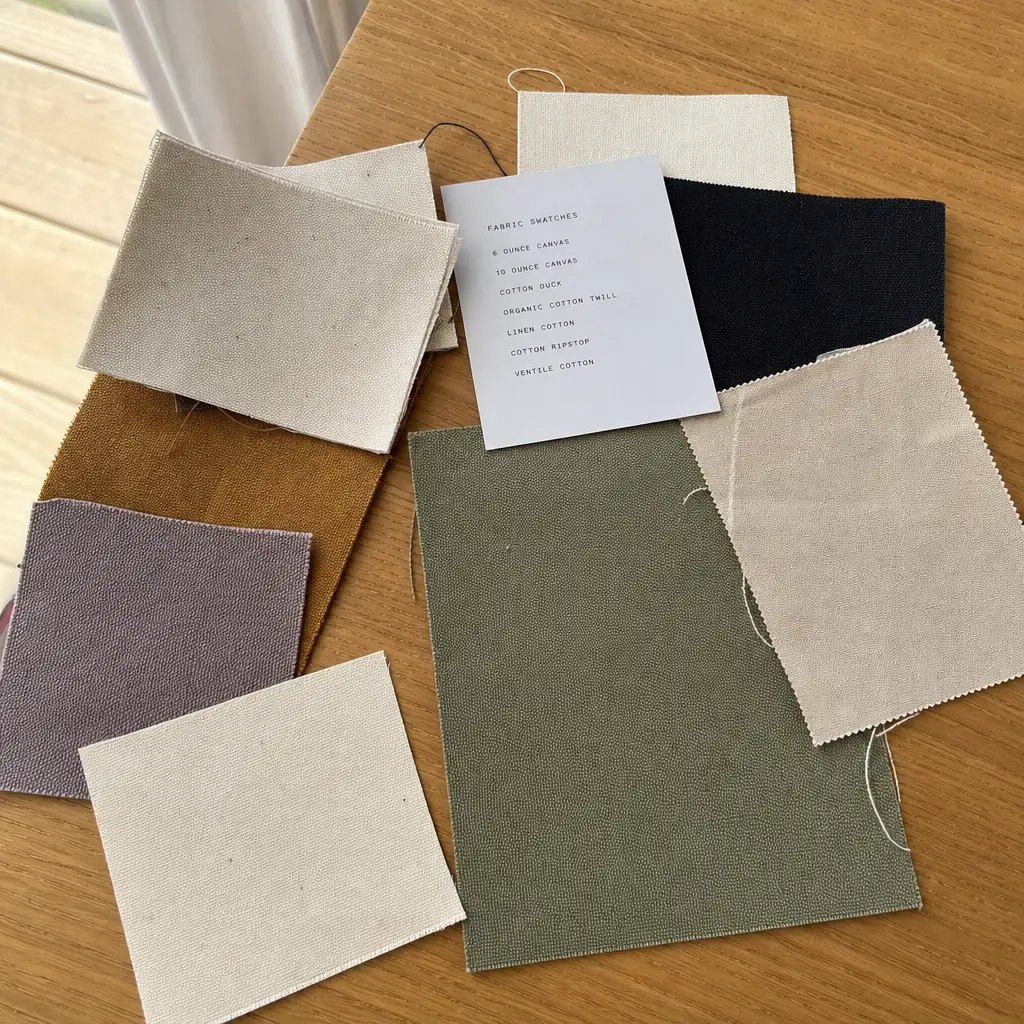
- Approve fabric swatch, not just bag photo: weight, color, texture, odor, and shrinkage expectation.
- Approve construction: seam allowance, top hem, handle width, handle drop, reinforcement pattern, and gusset shape.
- Approve branding: logo size, color, print position, label placement, and print feel.
- Approve packing: fold direction, bundle quantity, carton count, carton marks, and barcode or hangtag location.
QC Acceptance Criteria
The final inspection standard should be written before production starts. AQL 2.5 for major defects and AQL 4.0 for minor defects is a common reference for bag inspections, though retailers may set their own level. Critical defects should include unsafe contamination, mold, sharp objects, wrong logo, wrong material claim, and severe structural failure. Major defects should include open seams, broken handles, wrong dimensions outside tolerance, heavy stains, and print defects visible at normal viewing distance.
Load testing deserves special attention for liquor retail. A practical test can suspend the bag with a defined weight for a defined time, then inspect handle joints, seam openings, and fabric tearing. The exact standard depends on the intended use, but the test should exceed the expected normal customer load. If the tote is marketed as suitable for bottles, it should be tested with bottle-equivalent weight, not only soft textile filling.
- Dimension tolerance: define acceptable variation for width, height, gusset, handle width, and handle drop.
- Seam threshold: no open seams, no skipped stitch clusters at stress points, no loose handle anchoring.
- Print threshold: no wrong color, heavy smearing, under-curing, major pinholes, or misplacement outside tolerance.
- Cleanliness threshold: no mold smell, oil stains, insect contamination, loose metal fragments, or heavy dust inside cartons.
Packing And Distribution
Packing is a commercial decision, not an afterthought. A tote that looks good at the sewing line can arrive with deep fold marks, dirty panels, crushed labels, or mixed store allocations if packing is not specified. Bulk pack is cheaper and reduces plastic, but it requires clean handling and controlled carton loading. Individual polybags protect each tote but add labor, material cost, and sustainability questions. Paper bands or inner bundles can be a middle option for store distribution.
Liquor retailers often ship goods through regional distribution centers before store delivery. The carton should be strong enough for stacking, easy to count, and labeled in the format the retailer's warehouse expects. Carton quantity should balance receiving efficiency with weight limits. Overly heavy cartons are harder to handle and more likely to split; overly small cartons increase handling cost and warehouse clutter.
- Define units per carton, inner bundle count, carton dimensions, gross weight, and net weight.
- Use consistent fold direction so printed panels do not crease in the most visible logo area when avoidable.
- Place carton marks on two sides with SKU, PO number, color, quantity, country of origin if required, and carton number.
- For store allocation, require assortment labels or carton-level packing lists before shipment.
Lead Time Risk
Lead time depends on more than sewing capacity. Fabric booking, dyeing, print screen preparation, label production, sample approval, inspection scheduling, and vessel space can each delay the order. A realistic schedule separates these steps instead of quoting one simple production window. For many custom canvas tote orders, the critical delay comes from artwork revisions or fabric approval, not from sewing.
The buyer should build a decision calendar backward from the required in-store date. If the tote supports a seasonal promotion, holiday retail period, or new store opening, late approval can force air freight or partial delivery. A better RFQ asks the factory to show sample lead time, material lead time, bulk production days after sample approval, inspection booking time, and estimated shipping method. That makes schedule risk visible before deposit.
- Early stage: artwork proof, fabric swatch, lab dip if dyed, and cost confirmation.
- Sample stage: prototype sample, revised sample if needed, and pre-production sample approval.
- Bulk stage: material purchase, cutting, printing, curing, sewing, trimming, inspection, and packing.
- Shipping stage: export carton readiness, booking, customs documents, sailing, arrival, and DC receiving buffer.
Quote Comparison Workflow
A clean quote comparison should put suppliers on the same basis. One supplier may quote FOB with export cartons included, another may quote EXW without inspection, and another may include a low unit price but omit screen charges. Procurement should normalize the data before choosing a route. For canvas grocery totes, carton cube and gross weight matter because heavier canvas can increase landed cost even when the factory price difference looks small.
The best supplier is usually the one that can explain the tradeoffs clearly and hold the specification across repeat orders. A low quote with unclear GSM, unspecified reinforcement, and no packing data is not ready for purchase order release. A commercially useful quote includes finished specifications, material details, artwork assumptions, MOQ logic, sample charge, production lead time, packing plan, payment terms, Incoterm, document availability, and rework responsibility if inspection fails.
- Normalize Incoterm: EXW, FOB, CIF, DDP, or delivered warehouse should not be compared as if they are the same.
- Normalize specification: same GSM, same bag size, same handle type, same print colors, and same packing plan.
- Normalize compliance: same audit requirement, same material claim documents, and same inspection standard.
- Normalize logistics: carton dimensions, gross weight, pallet quantity, loading volume, and destination charges.
Specification comparison for buyers
| Supplier option | What to verify | Commercial advantage | Buyer risk to control |
|---|---|---|---|
| Direct sewing factory | fabric swatch, approved sample, seam close-ups, logo test photos, packing pilot, and final inspection evidence | Better sample-to-bulk control and faster production feedback | May be weaker on export paperwork or branded packing unless checked early |
| Trading company | Factory name, production photos, trim-source proof, and who owns QC decisions | Can coordinate small mixed orders and extra services | Markup can hide real factory capability and slow defect decisions |
| Specialized bag workshop | bag size, gusset, handle drop, seam allowance, stitch density, reinforcement patch, and loading expectation | More practical for detailed construction, trims, and repeat programs | Capacity may be limited during peak seasons |
| Low-price general supplier | 8-12 oz cotton canvas, 120-220 gsm cotton, recycled cotton, or blended fabric selected by use case and target price | Useful for simple promotional runs with loose specs | Material downgrades, weak packing, and vague inspection scope can erase savings |
| Retail-ready supplier | fold method, inner bundle, carton count, carton mark, moisture protection, SKU separation, and warehouse receiving needs | Can handle labels, SKU separation, carton marks, and receiving rules | Higher unit cost must be compared against reduced warehouse work |
| Compliance-focused supplier | Fabric records, labeling review, test plan, and production traceability | Safer for retail programs and repeat brand orders | Documentation claims need evidence, not only sales language |
| Local sample room plus bulk factory | Signed sample, bulk factory handoff, first-piece photos, and deviation owner | Good for complex branding before large production | Sample room quality may not match bulk line unless handoff is controlled |
Buyer checklist before sampling
- Define the carrying use: one 750 ml bottle, two bottles, mixed groceries, boxed wine, or canned beverage packs.
- State finished bag dimensions, gusset depth, handle drop, fabric GSM or oz, and whether the tote must stand when packed.
- Require fabric composition, canvas weave, dye status, shrinkage tolerance, and any organic or recycled claim documents before sample approval.
- Specify reinforcement method at handle joints: cross-stitch, bartack, double stitch, or webbing continuation into the body seam.
- Set the print method, artwork size, Pantone colors, print placement tolerance, and whether the logo must survive folding and abrasion.
- Request MOQ by construction, fabric color, print color count, and packing method instead of accepting one blended MOQ number.
- Approve one pre-production sample with actual fabric, actual handle construction, actual print, and final packing assumptions.
- Use load, seam, print rub, odor, needle detection if applicable, and carton drop checks as part of final inspection.
- Lock the carton quantity, polybag or no-polybag decision, inner bundle count, carton marks, pallet plan, and barcode label location.
- Compare supplier quotes using EXW, FOB, carton cube, gross weight, sample charge, tooling or screen charge, and inspection allowance.
Factory quote questions to send
- What exact canvas fabric will be used: composition, GSM or oz per square yard, weave, yarn count if available, and dyed or natural status?
- Is the quoted fabric greige, bleached, dyed, organic, recycled, or conventional cotton, and what documents support that claim?
- What finished dimensions and tolerances are included for width, height, gusset, handle width, and handle drop?
- How are the handles attached, and what load test can the factory perform on a finished tote packed with bottle-equivalent weight?
- Which print method is quoted, what is the maximum artwork area, and how many colors are included before extra screen or setup charges apply?
- What is the MOQ for the exact bag construction, and does the MOQ change by fabric color, print color, woven label, hangtag, or carton packing?
- How many days are needed for lab dip, artwork proof, sample, pre-production sample, bulk production, inspection, and shipment booking?
- What packing plan is quoted: units per carton, carton size, gross weight, individual polybag or bulk pack, and pallet quantity?
- Which compliance documents can be provided before deposit: factory audit, product safety declarations, material certificates, and social compliance records?
- What final inspection standard is accepted, including AQL level, critical defects, major defects, minor defects, and rework procedure?
Quality-control points to confirm
- Finished size tolerance should normally stay within +/- 0.5 cm for small dimensions and +/- 1 cm for main body dimensions unless the bag is intentionally oversized.
- Fabric GSM should be checked against the approved swatch; large deviations change hand feel, load strength, and carton cube.
- Handle attachment should pass a loaded hang test using the buyer's expected bottle weight plus a practical safety margin.
- Stitching should be even, with no skipped stitches, loose thread nests, open seams, broken bartacks, or needle damage around stress points.
- Print placement should remain within the approved tolerance, commonly +/- 3 mm to +/- 5 mm depending on artwork size and bag construction.
- Screen print should pass dry rub and light scratch checks after curing, especially on natural canvas with visible slub texture.
- Bags should be free from strong odor, oil marks, mold stains, metal contamination, and loose thread contamination inside the tote.
- Cartons should match the approved pack count and gross weight; overpacked cartons cause compression marks and store receiving issues.