Start the RFQ with the liquor retail use case, not only bag size
A canvas grocery tote for liquor retail has a different risk profile from a fashion tote or light promotional bag. The problem is not whether the bag looks good in a photo. The problem is whether it can carry glass bottles with concentrated weight, survive checkout handling, and arrive at stores without crushed gussets, stained fabric, or unreadable print. Your RFQ should describe the real carrying situation before listing dimensions.
For liquor retailers, the common load is uneven: two wine bottles on one side, a spirits bottle in the center, or a bottle plus snacks and mixers. This puts stress on the bottom corners, handle insertion points, and side seams. If the RFQ only says “canvas tote, 38 x 42 cm,” factories will quote different structures and the lowest price may remove the reinforcement you actually need.
- State the expected contents: for example, two 750 ml wine bottles plus one 1 L spirits bottle, or a maximum retail carry weight of 10 kg.
- Clarify whether the tote is sold, gifted with purchase, used for loyalty programs, or used as a checkout grocery bag.
- Mention if bottles are placed directly inside the bag or separated by paper sleeves, dividers, or gift packaging.
- Define whether the bag must stand on a counter when loaded; this affects bottom gusset width and fabric stiffness.
Recommended base specification for canvas grocery totes
A practical starting specification for liquor retail is a natural cotton canvas grocery tote in 12 oz fabric, around 380-410 GSM, with a boxed bottom gusset and reinforced self-fabric handles. Finished size often falls around 35-40 cm width, 35-42 cm height, and 10-15 cm gusset, but the correct size depends on bottle count and carton planning. Wider gussets help bottles sit flatter, while taller panels give more print area and better bottle coverage.
Do not compare a 10 oz flat tote against a 12 oz gusseted grocery tote as if they are the same item. Canvas weight, gusset construction, seam binding, handle length, and print coverage all change cost and performance. The RFQ should lock the performance-critical parts and allow the factory to suggest improvements only as alternates, not as silent substitutions.
- Fabric: 12 oz cotton canvas, natural unbleached, bleached, black, or dyed to buyer color.
- Finished size example: 38 W x 40 H x 12 G cm, with tolerance stated in the purchase specification.
- Handles: self-fabric, 3 cm wide, 55-65 cm long depending on hand carry or shoulder carry.
- Seams: internal overlock plus top stitch, or bound seam for cleaner finish and stronger bottle handling.
- Bottom: boxed gusset with consistent corner shaping, not only a fold line pressed into a flat tote.
Fabric weight and canvas type: where buyers often lose strength
Canvas is often quoted by ounce weight, but mills and factories may also discuss GSM. A 12 oz cotton canvas is commonly in the 380-410 GSM range, though actual conversion depends on width and finishing. For liquor grocery totes, 8 oz and 10 oz fabrics may work for light promotions, but they become risky when the retail claim suggests reusable grocery or bottle carry. A bag that survives one light giveaway may not survive repeated bottle use.
Natural canvas is usually faster and more stable than custom dyed canvas. Dyed canvas adds color lot control, dye fastness requirements, shade tolerance, and sometimes shrinkage changes. If the brand color is critical, the RFQ should separate natural canvas with printed logo from fully dyed canvas. Otherwise suppliers may quote different assumptions and the price comparison becomes misleading.
- For light gift-with-purchase: 10 oz canvas may be acceptable if the load target is limited and handle reinforcement is strong.
- For repeat grocery use with bottles: 12 oz canvas is a safer baseline.
- For premium retail sale: 14 oz canvas can improve hand feel and structure, but increases cost, sewing difficulty, and freight weight.
- For black or dark dyed canvas: confirm lint visibility, rubbing fastness, and whether the print method changes.
- For natural canvas: approve acceptable seed specks and shade variation before production.
Handle and bottom construction decide whether the tote survives bottles
The handle attachment is the first place to fail when a loaded tote is lifted quickly from a checkout counter or car trunk. A low-cost tote may insert the handle into the top hem with only a few straight stitches. That can look clean in a sample photo but open under repeated bottle loading. For liquor retail, cross stitch, box stitch, bartack, or additional reinforcement inside the hem should be discussed before price negotiation.
The bottom construction is equally important. Glass bottles create point pressure, especially at the base ring and corners. A flat tote allows bottles to lean, which pushes stress into side seams. A boxed bottom gusset spreads the load and improves stability. If the tote is expected to stand upright in-store or during checkout, the gusset should be treated as a functional feature, not a cosmetic option.
- Use wider handles for heavy carry comfort; 2.5-3.5 cm is more practical than narrow tape for bottle loads.
- Specify shoulder drop if customers may carry multiple purchases through parking lots or city streets.
- Add an X stitch or box stitch at handle attachment when the bag is intended for repeated use.
- Consider internal bottom support only if the tote must hold shape for premium gift sets; it adds cost and packing complexity.
- Reject samples with puckered handle seams, loose threads, skipped stitches, or needle damage around stress points.
Printing method choices for liquor retailer logos
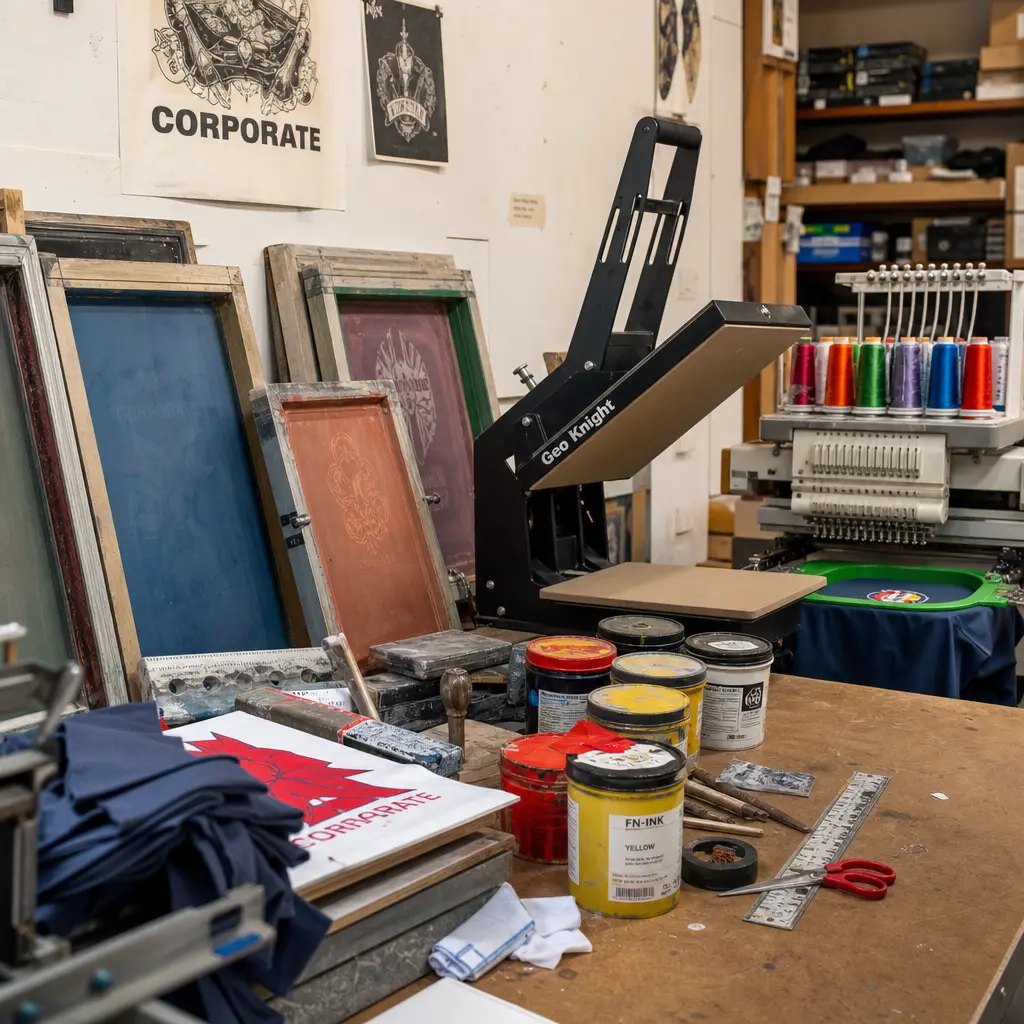
Most canvas grocery totes for liquor retail use screen printing because it is economical, durable, and suitable for solid brand colors. One to three spot colors are straightforward. Large logos, store names, event dates, or responsible drinking messages can be printed cleanly when the artwork is supplied as vector files and the print size is fixed. Pantone references should be included, but buyers should remember that ink on natural canvas will not look identical to ink on coated paper.
Heat transfer can reproduce gradients, photos, and complex artwork, but it may create a different hand feel and can crack or lift if the transfer quality is poor. Embroidery is possible but usually not ideal for large grocery tote logos because it adds cost, weight, and thread tension issues on canvas panels. Woven labels and sewn side labels are useful for subtle brand marks, batch identity, or CottonToMaker sample identification, but they should not replace a large retail-facing print unless the brand wants a quieter look.
- Screen print: best for solid logos, store marks, campaign slogans, and lower unit cost at volume.
- Heat transfer: useful for multicolor artwork, but approve flexibility, edge adhesion, and rub resistance.
- Embroidery: better for small premium marks, not large grocery tote graphics.
- Woven label: good for side seam branding, product series, or compliance information.
- Large ink coverage: test hand feel and cracking because heavy ink can make canvas stiff.
MOQ logic and price drivers behind supplier quotes
MOQ is not only a factory preference. It is linked to fabric procurement, cutting efficiency, print setup, sewing line changeover, packing materials, and carton planning. A simple natural canvas tote with one-color screen print may be feasible from 500-1000 pieces depending on factory schedule. A custom dyed canvas, multiple store versions, custom woven labels, or special retail packaging can push the practical MOQ higher because each component has its own minimum.
When comparing quotes, separate the base bag cost from setup and customization costs. Screen charges, sample fees, color matching, custom labels, hangtags, barcode stickers, and special folding can make a small order look expensive. For larger orders, these costs spread out and fabric yield becomes more important. A supplier who quotes very low may be assuming lighter fabric, simple handle insertion, no load testing, no individual packing, and standard cartons.
- Main cost drivers: canvas GSM, dyed versus natural fabric, bag size, gusset depth, handle length, seam reinforcement, print colors, and packing method.
- Small order risk: setup costs can dominate unit price, especially with several logo versions.
- Large order risk: fabric shade consistency and print registration across batches become more important.
- Version split risk: five store logos at 300 pieces each may cost more than one logo at 1500 pieces.
- Quote validity: cotton fabric and freight conditions can change; require a validity date on the supplier quote.
RFQ data fields that make quotes comparable
A good RFQ removes assumptions. It tells the supplier what to quote, what to include, and what alternates are acceptable. If you only send a photo and target price, factories will reverse-engineer a cheaper construction to win the first conversation. That creates problems later when samples do not match expectations or when bulk goods fail the buyer’s internal load test.
Use a structured RFQ with fixed fields for product specification, artwork, quality requirements, packing, compliance, and shipping data. Allow suppliers to quote one recommended option and one cost-saving alternate, but require both to list fabric weight, finished size, handle reinforcement, print method, carton data, and lead time. This makes the commercial discussion faster and reduces quote manipulation.
- Product name: canvas grocery tote for liquor retail bottle carry.
- Finished size: width x height x gusset in centimeters or inches, with tolerance.
- Fabric: cotton canvas, weight in oz and GSM, color, finish, shrinkage requirement if any.
- Construction: seam type, bottom gusset, handle material, handle length, handle reinforcement.
- Artwork: vector file, print size, print position, Pantone colors, number of print sides.
- Packing: pieces per carton, inner bag requirement, carton marks, barcode, hangtag, insert card.
- Quality: load test target, print adhesion, defect tolerance, inspection level, sample approval route.
- Commercials: MOQ, unit price, sample charge, setup charge, lead time, payment terms, quote validity.
Sample approval: do not approve only the front photo
For canvas grocery totes, sample approval should include measurement, fabric verification, stitch review, print evaluation, and a simple load test. A front-view photo is not enough. The buyer should see the inside seam, handle attachment, bottom gusset corners, print edges, and how the bag stands when loaded. If the sample is made from available fabric instead of bulk fabric, that must be stated clearly and followed by a pre-production sample from actual materials.
The approval comments should be written like production instructions. Avoid vague feedback such as “make it stronger” or “logo should look better.” Instead, state the required change: increase handle reinforcement to box stitch, move print 2 cm lower, reduce ink thickness, adjust gusset from 10 cm to 12 cm, or keep side seam hidden inside the bag. Signed samples and dated approval photos help prevent arguments during final inspection.
- Measure finished width, height, gusset, handle length, handle drop, and print position.
- Weigh fabric sample or request GSM report; keep a retained swatch for comparison.
- Load the tote with bottle-like weight for the agreed duration and inspect handle seams afterward.
- Rub the print with a dry white cloth to detect poor curing or pigment transfer.
- Check odor, stains, oil marks, loose threads, needle holes, and panel skew.
- Photograph inside seams and bottom gusset, not only the logo side.
Packing and carton planning for retail distribution
Packing affects landed cost and retail readiness. Canvas totes can be flat packed, folded, individually polybagged, bundled, or packed with hangtags. Flat packing 50 pieces per export carton is common, but the right quantity depends on bag size, canvas weight, print coverage, and carton strength. Too many pieces per carton can crease heavy prints and distort gussets. Too few pieces increase freight cube and warehouse handling cost.
Liquor retailers and distributors often need branch allocation, store codes, pallet limits, or carton labels that match their receiving process. If this is not stated in the RFQ, the factory may use generic carton marks and mixed packing, which creates rework at the destination warehouse. For promotional rollouts, carton packing should connect to the store distribution plan, not only the factory’s convenience.
- Define pieces per carton and whether each carton contains one design, one store code, or mixed versions.
- Require carton dimensions and gross weight in the quote for freight and warehouse planning.
- Use moisture protection when shipping natural canvas through humid routes or long ocean transit.
- Avoid packing printed panels face-to-face if ink transfer is a risk; use tissue or alternate folding if needed.
- Confirm whether hangtags, barcodes, price stickers, and inserts are applied at factory or destination.
- Add carton drop and compression awareness for heavy canvas cartons; damaged cartons often create receiving claims.
Lead time risks from fabric, printing, and approval delays
A realistic schedule for canvas grocery totes starts after artwork approval, sample approval, deposit, and material confirmation. Natural canvas with simple screen print is usually faster than dyed canvas, multi-color printing, special trim, or retail-ready packaging. The highest risk is not always sewing time. Delays often come from late artwork, Pantone disputes, fabric dyeing, print screen remake, carton label approval, or buyer changes after the pre-production sample.
For seasonal liquor promotions, launch dates are fixed. A late tote can miss the campaign even if the product itself is acceptable. The RFQ should require the supplier to break down timing by sample, material purchase, cutting, printing, sewing, packing, inspection, and handover. This makes it easier to see whether a quoted lead time is realistic or only a sales estimate.
- Sample timing: separate first prototype, revised sample, and pre-production sample.
- Bulk timing: count from written sample approval and deposit, not from first inquiry date.
- Printing risk: large logo coverage and multiple colors require extra drying and curing control.
- Dyed fabric risk: color approval and shade consistency can add time.
- Inspection timing: reserve at least one to two working days for final inspection and corrective action.
- Shipping timing: request carton data early so forwarders can estimate freight before production finishes.
Specification comparison for buyers
| Spec decision | Recommended option | When it fits | Buyer risk to check |
|---|---|---|---|
| Fabric weight | 12 oz canvas, approx. 380-410 GSM, natural or dyed | Standard liquor retail grocery tote carrying two to four bottles plus small items | Below 10 oz may pass visual review but fail handle pull or corner abrasion after bottle loading |
| Bottom construction | Boxed bottom gusset with internal seam reinforcement or bound seam | Retail checkout, bottle bundles, gift sets, and repeat shopping use | Flat totes are cheaper but bottles roll, tip, and stress side seams |
| Handle size | Self-fabric handles, 3 x 60 cm or buyer-specified shoulder drop | Comfortable hand or shoulder carry for heavier alcohol purchases | Narrow webbing or short handles can create complaints even when bag strength is acceptable |
| Print method | Screen print for 1-3 solid colors; heat transfer only for complex gradients | Most liquor logos, store branding, event campaigns, and private labels | Large ink coverage on heavy canvas can feel stiff; confirm hand feel and wash/rub resistance |
| Bottle load target | Minimum 10-12 kg static load test with seam and handle observation | Two wine bottles plus spirits or multipack retail usage | Generic tote load claims are not enough; test with bottle-like point loading |
| MOQ logic | 500-1000 pcs for simple natural canvas screen print; higher for dyed fabric or custom trim | Regional liquor chains, distributors, seasonal promotions, and loyalty programs | Low MOQ with custom dye often hides fabric surcharge, longer lead time, or color lot variation |
| Packing format | Flat packed 50 pcs per export carton with moisture protection and carton drop control | Warehouse receiving, DC storage, and retail branch allocation | Over-compression can crease prints and distort gussets; loose packing increases freight cube |
| Compliance evidence | Material declaration, azo-free dye statement where applicable, print ink safety statement, QC photos | Importers and retailers needing basic due diligence without over-specifying certifications | Unverified claims about organic, recycled, or food-safe status can create label and legal risk |
Buyer checklist before sampling
- Define the intended liquor load: bottle count, bottle size, expected carry weight, and whether customers carry by hand or shoulder.
- Specify finished bag size in width x height x gusset, not only fabric cut size.
- State fabric type, color, weight in oz or GSM, and whether shrinkage tolerance matters after washing.
- Provide logo artwork in vector format with Pantone colors, print size, print location, and acceptable color tolerance.
- Choose handle material, handle length, handle width, and reinforcement method before comparing supplier prices.
- Set sample approval points: dimensions, fabric weight, print adhesion, handle pull, seam strength, carton packing, and barcode or label placement.
- Require quote data by line item: unit price, sample charge, tooling or screen cost, carton quantity, carton size, gross weight, lead time, and validity period.
- Confirm whether the supplier price includes inner bags, master cartons, carton marks, hangtags, inserts, and retail-ready folding.
- Define acceptable tolerances for size, fabric weight, print registration, color shade, and defect rate.
- Request pre-production sample approval before bulk cutting, especially for dyed canvas, large logo prints, or special packing.
Factory quote questions to send
- What fabric weight in GSM will you use for the quoted canvas grocery tote, and can you provide a fabric swatch from the same production lot before bulk cutting?
- Is the quoted size the finished sewn size or the fabric cut size, and what tolerance do you apply after sewing and pressing?
- What handle reinforcement is included in the base quote: cross stitch, box stitch, bartack, internal tape, or only plain seam insertion?
- What load test can your factory perform for this bag design, using what weight, duration, and pass/fail standard?
- Which print method is quoted, how many colors are included, what is the maximum print area, and what ink type will be used on canvas?
- Are screen charges, sample charges, artwork separation, Pantone matching, hangtags, labels, and carton marks included or charged separately?
- What is the MOQ for natural canvas, dyed canvas, and custom handle color, and what changes if the order is split across store versions?
- How many pieces are packed per carton, what are the carton dimensions and gross weight, and can the packing pass normal export handling?
- What is the production lead time after sample approval and deposit, and what are the current risks for fabric supply, dyeing, printing, or vessel booking?
- Can you provide inline inspection photos and a final inspection report showing dimensions, weight, print quality, stitching, handle strength, and carton condition?
Quality-control points to confirm
- Finished size tolerance should normally stay within plus or minus 1 cm for width and height, and plus or minus 0.5-1 cm for gusset depending on construction.
- Fabric weight should be verified by GSM cutting test or supplier mill report; visual thickness alone is not reliable for canvas.
- Handle attachment should show no seam opening, skipped stitches, or fabric tearing after agreed static load testing.
- Bottom gusset corners should be clean, symmetrical, and reinforced enough to resist bottle point pressure.
- Print color should match approved Pantone or signed sample under consistent light, with no obvious pinholes, heavy bleeding, cracking, or tackiness.
- Ink adhesion should pass reasonable dry rub testing and, if required, wet rub or light wash testing based on intended reuse claim.
- Stitch density should be consistent, commonly around 7-9 stitches per inch for canvas tote seams unless a different standard is approved.
- Cartons should use export-grade board, clear shipping marks, moisture protection when needed, and packing density that does not crush handles or crease printed panels.
- Random inspection should include measurement, fabric weight check, print placement, handle pull, seam review, needle damage, stains, odor, and metal contamination where relevant.
- Any retail labels, barcodes, inserts, or store allocation marks should be checked against the buyer packing instruction before final carton sealing.