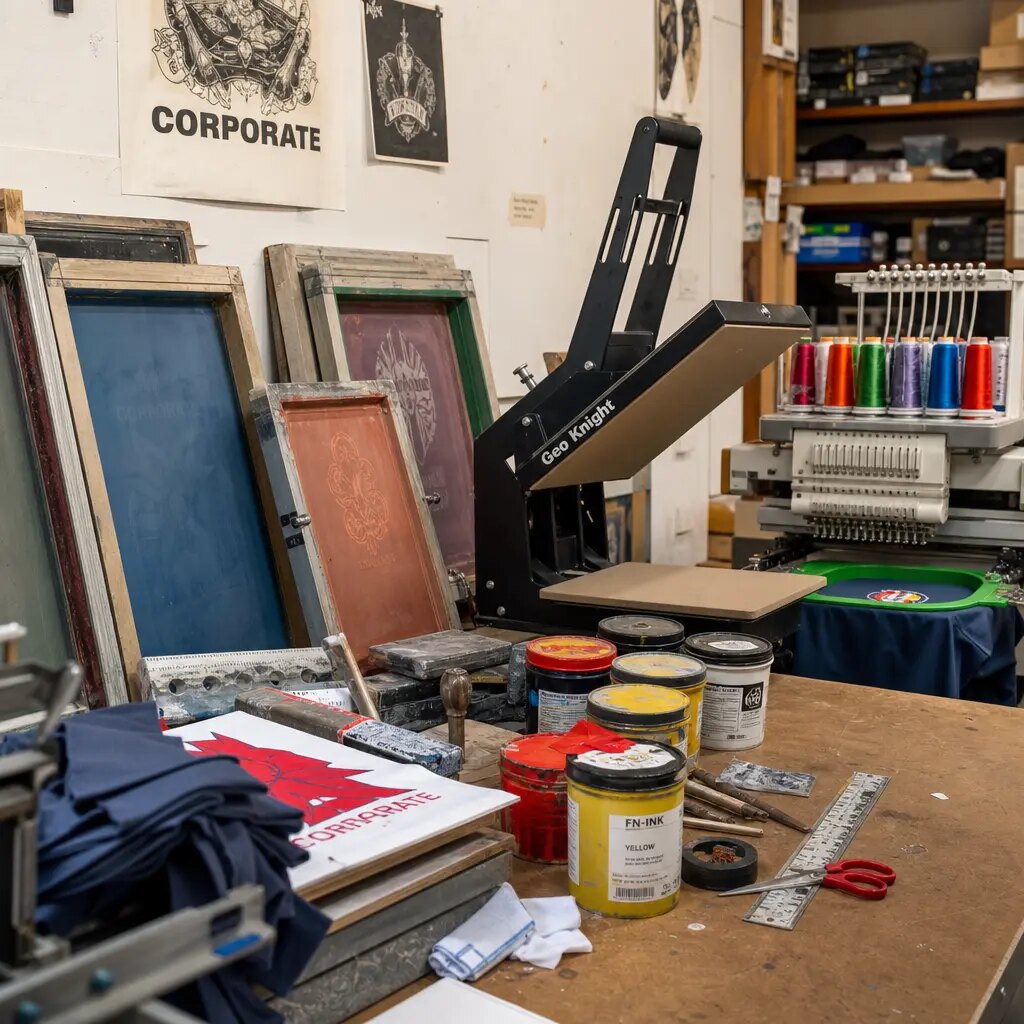
Start With One Base Tote
The easiest way to negotiate canvas grocery totes for hotel retail is to separate the physical bag from the decoration. A factory minimum is often driven by fabric purchasing, cutting yield, sewing setup, print screens, trims, labels, barcode work, and carton sorting. If the request is only “300 canvas totes with logo,” the supplier has to protect those unknowns with a higher MOQ, a loose specification, or excluded charges.
Build the RFQ around one shared base tote: finished size, boxed bottom, gusset depth, canvas weight, fabric finish, handle material, handle drop, print zone, label location, folding method, and carton rules. After that, ask how many hotel names, resort logos, destination graphics, or shop designs can be split across the same construction.
A 1,200-piece base tote split into four 300-piece prints is usually more practical than four unrelated 300-piece custom bags. The factory can buy fabric, cut panels, sew, inspect, and pack one controlled batch. The buyer still receives property-level SKUs, but production avoids repeated setup.
Ask the supplier to name the true constraint. If fabric is the issue, use stock natural canvas and efficient dimensions. If printing is the issue, reduce colors or accept itemized screen charges. If packing is the issue, simplify mixed cartons, tags, or barcode variations.
- Define the base tote before asking for lower quantities.
- Quote shared total quantity and per-artwork quantity separately.
- Keep fabric, handle, gusset, label position, and packing common where possible.
- Ask whether the minimum is driven by fabric, print, trim, sewing, or packing.
- Use one specification sheet for every property in the program.
Lock Fabric Weight And Finish
Canvas descriptions vary by supplier, so purchase orders should use measurable terms. For hotel retail grocery totes, 10 oz to 12 oz cotton canvas, often around 280 to 340 GSM, is a useful buyer benchmark. It gives more structure than a lightweight giveaway tote without the freight and sewing impact of very heavy canvas. State measured GSM range and tolerance, not only the ounce name.
Finish changes the commercial result. Natural unbleached canvas, bleached canvas, dyed canvas, washed canvas, and pre-shrunk canvas can differ in shade, stiffness, shrinkage, print absorption, and hand feel. Natural canvas often supports lower-MOQ programs because it may be available as stock fabric and can carry multiple hotel logos in one batch.
Dyed canvas can look more brand-specific, but it adds lab dip approval, dye-lot minimums, shade tolerance work, and lead time. If the program needs a custom color, ask the supplier to show the fabric lot minimum, expected yield at your tote size, and reorder shade policy before the buyer approves the retail palette.
Clarify whether the quoted weight is before or after finishing. Washing, dyeing, calendaring, or softening can affect weight and touch. Natural cotton may show small flecks or mild yarn variation, but that should not excuse oil marks, dirt, severe slubs, shade panels, or contamination.
- 8 oz: light retail or amenity use; usually weak for grocery positioning.
- 10 oz: balanced choice for many hotel gift shop totes.
- 12 oz: stronger structure and shelf presence with higher cost and weight.
- 14 oz: premium option; check sewing difficulty, carton weight, and freight impact.
- State GSM tolerance, finish, shade range, and shrinkage expectations in the PO.
Keep The Grocery-Tote Function
A grocery tote is not just a larger flat tote. It should hold volume, stand reasonably well, and look credible in a hotel market, resort boutique, spa shop, or lobby retail area. A boxed bottom with an 8 to 12 cm gusset is a practical benchmark for packaged food, bottled beverages, folded towels, apparel, books, and souvenirs.
Set finished dimensions in centimeters with tolerances. Many hotel grocery-style totes sit around 35 to 45 cm wide and 35 to 40 cm high, but the right shape depends on merchandise. A tote for wine and snacks needs different proportions than a resort shop tote for T-shirts and pool towels.
Handles need the same discipline. A 3 to 4 cm handle width improves comfort on loaded bags. A 22 to 28 cm drop often supports shoulder carry, while shorter handles suit hand carry. Self-fabric handles look cohesive; cotton webbing can offer more consistent thickness and strength. Specify material, width, drop, thread color, and reinforcement.
Do not accept savings that change the product class. If the lower quote depends on replacing a boxed bottom with a flat bottom, narrowing handles, dropping from a 12 oz benchmark to an 8 oz fabric, or removing reinforcement, it is no longer the same retail tote.
- Fix finished width, height, gusset, top hem, handle drop, and handle width.
- Specify box stitch, box-X, or bartack reinforcement.
- Measure finished dimensions after sewing and pressing.
- Reject substitutions that reduce capacity or load performance.
- Approve a sealed production sample before bulk release.
Reduce Variation, Not Quality
The strongest MOQ strategy is to remove avoidable variation while protecting the bag. Buyers can often secure lower per-design quantities by using one natural canvas base, one handle material, one print method, one ink color, one label position, and one packing format. The hotel group still receives multiple branded designs, but the factory runs one efficient program.
A 1,500-piece order split into five 300-piece logos is more negotiable when all versions share the same 12 oz natural canvas, boxed bottom, navy one-color screen print, handle, hangtag format, and carton pack. If each design changes fabric color, handle color, label type, print method, and packing rule, the order behaves like five small custom projects.
Good tradeoffs include paying transparent screen charges, extending the production window, using stock canvas, accepting one universal side label, or reducing mixed-carton complexity. Poor tradeoffs include unknown fabric, weak handles, skipped curing checks, or no final inspection.
Ask for two or three quote options. One should show the preferred specification. Another can show an MOQ-reduction version that changes only noncritical variables. This gives procurement, retail, and brand teams a clear comparison instead of a vague lower quantity.
- Easy to split: front artwork, hangtag copy, barcode, carton SKU label.
- Harder to split: fabric color, handle color, woven labels, linings, custom trims.
- Costly at low quantity: custom dyeing, embroidery, all-over print, multiple packing formats.
- Accept itemized setup charges instead of hidden quality reductions.
- Use one base tote across several properties where possible.
Choose Print By Artwork Risk
Canvas texture affects print clarity. Spot-color screen printing is usually the safest choice for hotel logos, resort names, destination icons, and bold retail graphics using one to three solid colors. It works best when the buyer supplies vector artwork, Pantone references, exact print dimensions, placement rules, and minimum line thickness before sampling.
Do not approve from a digital mockup alone. Fine lines can break on coarse canvas, small text can fill in, and large solid areas may look uneven or feel stiff. Gradients, photographs, halftones, metallic ink, full-panel coverage, and print over seams should be tested on the nominated fabric before bulk approval.
Heat transfer can reproduce detail but may feel like a film on natural canvas, so check hand feel, edge lift, and peeling. Digital print can support smaller artwork runs, but opacity, rub resistance, and color accuracy need fabric-specific review. Embroidery can look premium for a small mark, but it is usually inefficient for large grocery-tote artwork.
Print placement needs numbers. State distance from top hem, side seam, bottom fold, or centerline, then agree a realistic tolerance. Panel printing can improve registration but requires earlier artwork approval. Finished-bag printing may offer sequence flexibility, but seams and handles limit placement.
- Screen print: best for bold, repeatable, low-to-medium color-count graphics.
- Heat transfer: test peel resistance, edge lift, and hand feel.
- Digital print: verify opacity, rub resistance, and color on actual canvas.
- Embroidery: useful for small premium marks, not large grocery graphics.
- Require a strike-off for tiny text, thin strokes, or heavy ink coverage.
Compare Quotes By Cost Driver
The lowest unit price is not always the best result. Two suppliers can quote similar pricing while assuming different GSM, handle reinforcement, print setup, packing materials, carton strength, inspection standards, or freight volume. Procurement should compare assumptions before deciding whether a quoted minimum is realistic.
A complete quote should state fabric GSM, color, finish, finished size, gusset, handle type, reinforcement, print method, print colors, print sides, setup charges, sample charges, label costs, packing method, carton details, and lead time. If those fields are missing, the quote is not comparable.
Separate one-time costs from repeat-order costs. Screen charges, sample fees, label setup, cutting templates, belly band artwork, and packing setup may be acceptable if they make lower design splits possible. Hotel retail often starts with cautious opening quantities, then reorders proven designs at larger quantities.
Include landed-cost effects. A 12 oz boxed-bottom tote uses more carton space than a flat lightweight tote. Retail-ready folding and belly bands may reduce carton efficiency but save store labor. Compare unit cost, setup charges, freight weight, CBM, receiving labor, relabeling risk, and shelf readiness together.
- Request price breaks at shared total quantity and per-design quantity.
- List screen, sample, label, hangtag, belly band, and packing charges separately.
- Confirm FOB terms, inland freight, carton dimensions, gross weight, and CBM.
- Compare replenishment pricing, not only first-order pricing.
- Reject quotes without GSM, size, print, packing, and tolerances.
Use Samples As Production Controls
A sample should control production, not only sell the idea. For canvas grocery totes, it should confirm fabric hand feel, finished shape, handle comfort, print appearance, folded presentation, barcode placement, and carton fit. A showroom sample from random stock fabric can support early discussion, but it should not become the approval standard unless it matches production inputs.
The pre-production sample should use bulk fabric or a written equivalent, final handle dimensions, final gusset, final print size, final label, and final packing method whenever possible. If that is not possible, identify the sample as construction-only, print-only, or packing-only to avoid later disputes.
Document approval with measurements and photos. Record finished width, height, gusset depth, handle drop, handle width, print size, print position, label position, folded size, and packed presentation. For color, use Pantone references or an agreed physical target under consistent lighting.
For split-design orders, one full construction sample may be enough if all physical details are identical. Each artwork still needs print approval through a strike-off, printed panel, or pre-production print sample. Keep one sealed approved sample with the factory and one with the buyer or inspector.
- Confirm whether the sample is final, construction-only, print-only, or packing-only.
- Measure and photograph critical dimensions and print placement.
- Check fabric GSM against the agreed tolerance.
- Perform the agreed handle load test before bulk release.
- Approve folding, barcode position, hangtag, and carton fit when retail packing is required.
Write QC Tolerances Early
Canvas is a natural textile, so the QC plan should separate acceptable character from true defects. Minor cotton flecks or slight yarn variation may be normal on natural canvas. Severe slubs, oil stains, dirt, shade panels, broken yarns, deep creases, and contamination should be classified clearly because they affect retail saleability.
Finished-size tolerances should cover width, height, gusset depth, handle drop, handle width, top hem, and print placement. A common buyer benchmark for sewn canvas bags is around plus or minus 1 cm for many finished dimensions, subject to construction and supplier capability. Print placement may need tighter control when artwork is centered or aligned to a fold, seam, or label.
Handle strength testing should reflect intended use. Ask the supplier to recommend a practical static load test for the bag size, canvas weight, and handle construction, then write the approved benchmark into the PO. The pass condition should be clear: no seam opening, handle tearing, stitch breakage, or serious fabric distortion.
Print QC should cover color, opacity, registration, edge sharpness, placement, ink transfer, and curing. Sewing QC should focus on handle bases, top hem, side seams, boxed bottom corners, and label attachment. Packing QC should verify SKU counts, barcodes, inner bundles, carton marks, and packing-list alignment.
- Major defects: wrong logo, open seam, broken handle, severe stain, wrong barcode.
- Minor defects: limited loose thread, slight natural fleck, small noncritical crease.
- Use AQL or another agreed sampling plan for final inspection.
- Measure finished bags after sewing and pressing.
- Require defect photos, measurement results, and carton audit photos.
Design Packing For Hotel Operations
Packing affects receiving, storage, replenishment, shelf presentation, and distributor handling. A hotel gift shop may need folded totes with belly bands, hangtags, barcode stickers, or space for price labels. A back-of-house replenishment program may prefer clean inner bundles and clear carton labels without individual retail packaging.
Retail-ready packing saves store labor but adds material and handling steps. Belly bands and hangtags may have their own print minimums, artwork deadlines, and approval process. Individual polybags can protect against dirt and moisture, but many hotel programs prefer to avoid unnecessary plastic unless transit or warehouse conditions require it.
Mixed-design cartons need clear rules. If four hotel logos are packed in one carton, use inner bundles, bundle labels, colored SKU stickers, or clear count sheets to prevent receiving errors. Separate cartons by design are easier to count but may increase carton quantity and reduce freight efficiency.
Set practical carton controls. Heavy canvas totes can be awkward for hotel stockrooms if overpacked. The RFQ should request pieces per carton, carton dimensions, gross weight, carton material, moisture protection, and palletization requirements if needed. Carton marks must match the purchase order, SKU list, and packing list exactly.
- Confirm bulk-packed, bundle-packed, or retail-ready format.
- Specify hangtag, belly band, barcode, price-label area, and folded size.
- Set maximum carton gross weight for safe stockroom handling.
- Use inner bundles or labels for mixed-design cartons.
- Check carton marks, SKU counts, and packing list before shipment release.
Protect Launch Timing
Logo splits create schedule risk because each property may add file checking, proofing, screen setup, print approval, curing time, packing separation, and carton labeling. If one hotel approves artwork late, the supplier may hold the batch or lose production efficiency. The schedule should show artwork cutoffs, not only the requested ship date.
A realistic timeline includes artwork confirmation, sample making, sample approval, fabric preparation, cutting, printing, sewing, inspection, packing, carton-data release, and export booking. Stock natural canvas can shorten the process. Dyed fabric, custom labels, washed finishing, embroidery, complex print, belly bands, and mixed-carton packing add approval points.
Confirm whether the factory prints panels before sewing or prints finished bags. Panel printing can improve placement and registration, but final artwork is needed earlier. Finished-bag printing may be more flexible, but seams, gussets, and handles can restrict the print zone.
Hotel retail launches are often tied to openings, seasonal resets, conferences, holidays, or cruise schedules. The purchase order should state the latest acceptable inspection date, shipment date, and carton-data deadline. Decide in advance whether a late design ships separately, delays the full batch, or moves to a reorder.
- Set artwork cutoff, sample approval, bulk release, inspection, and ship milestones.
- Allow one correction round for sample or print strike-off issues.
- Confirm stock fabric availability before promising a tight launch date.
- Reserve time for barcode, hangtag, and carton-label approval.
- Do not trade lower quantity for a schedule with no inspection buffer.
Specification comparison for buyers
| MOQ strategy | Best use case | What to standardize | Buyer risk to control |
|---|---|---|---|
| Shared base tote with artwork splits | Hotel groups, resorts, distributors, and seasonal retail programs using several property logos | Same size, gusset, fabric GSM, handle, label position, print method, ink color, fold, carton count, and SKU rules | Low per-design MOQ may hide screen charges, sorting labor, barcode work, or packing fees |
| Stock natural canvas program | Lower-MOQ launches where speed and flexible logo splits matter more than custom fabric color | Natural or bleached canvas, 10 oz to 12 oz benchmark, one handle type, one print zone | Bulk fabric may differ from showroom samples unless GSM, shade range, and finish are confirmed |
| Custom dyed canvas | Brand-led hotel boutiques needing a specific fabric color or premium retail palette | Lab dip, dye lot, shade tolerance, shrinkage expectation, and reorder shade policy | Dye-lot MOQ, longer lead time, and shade variance can offset MOQ savings |
| One-color screen print | Hotel logos, destination graphics, spa shop bags, market totes, and souvenir retail | Vector artwork, Pantone target, print size, placement tolerance, and curing standard | Tiny text, thin strokes, heavy coverage, or coarse canvas can reduce print clarity |
| Retail-ready packing | Gift shops needing barcode scanning, price labeling, hangtags, belly bands, or shelf-ready folds | Fold size, barcode location, tag material, inner bundles, carton count, and carton marks | Packing materials can have their own MOQ and may create receiving errors if SKU rules are vague |
| Bulk-packed replenishment | Back-of-house hotel stockrooms or distributor warehouses prioritizing carton efficiency | Bundle count, pieces per carton, maximum gross weight, moisture protection, and SKU labels | Stores may need extra labor for tagging, folding, or sorting if retail presentation is not planned |
Buyer checklist before sampling
- Define finished width, height, gusset depth, top hem, handle width, handle drop, canvas GSM, finish, color, print size, print position, and tolerances before negotiating quantity.
- Separate base tote MOQ from per-artwork MOQ, trim MOQ, woven label MOQ, hangtag or belly band MOQ, barcode packing MOQ, and carton sorting cost.
- Ask which factor controls the minimum: fabric roll purchase, dye lot, cutting yield, sewing setup, print screen setup, trim purchase, label production, or packing complexity.
- Use one shared base bag where possible, then split only the front artwork, hotel name, hangtag copy, barcode, or carton SKU label.
- Provide vector artwork with Pantone references, exact print dimensions, placement from seam or centerline, minimum line thickness, and restrictions on small text or negative space.
- Request price breaks by shared total quantity and per-design quantity, with sample fees, screen charges, tag costs, carton costs, inland freight, and packing labor shown separately.
- Require a pre-production sample using bulk fabric or a written equivalent; identify partial samples as construction-only, print-only, or packing-only.
- Specify pieces per inner bundle, pieces per carton, maximum carton gross weight, carton dimensions, barcode rules, hangtag rules, carton marks, and mixed-carton limits.
- Set acceptance criteria for GSM, finished dimensions, handle attachment, seam security, print placement, ink curing, rubbing, stains, loose threads, barcodes, assortment, and carton condition.
- Confirm overage and shortage allowance in the purchase order, especially when one fabric lot is split across several hotel logos.
Factory quote questions to send
- What exact fabric are you quoting: ounce weight, measured GSM range, cotton composition, weave description if available, color, finish, and accepted GSM tolerance?
- Is the canvas stock fabric, or must greige fabric be woven, dyed, washed, calendared, pre-shrunk, or otherwise finished after order confirmation?
- What is the minimum fabric roll or lot purchase, and approximately how many finished totes can that lot produce at our target size and gusset?
- Can one base tote batch be split across multiple hotel logos, and what is the minimum quantity, setup charge, and lead-time impact per artwork?
- Which print method are you quoting, how many colors are included, what ink system is planned, and are screen charges included, waived, amortized, or billed separately?
- Which artwork features change price or risk: heavy ink coverage, two-side print, full bleed, print over seams, gradients, tiny text, thin strokes, halftones, metallic ink, or tight registration?
- Will printing be done on flat panels before sewing or on finished bags, and how does that affect placement tolerance, artwork cutoff, and production sequence?
- What dimensional tolerance, GSM tolerance, fabric shade tolerance, print placement tolerance, and over/under shipment allowance can you commit to in writing?
- What handle reinforcement is included: box stitch, box-X, bartack, stitch count, thread type, and recommended static load test for this specific bag size and material?
- What are the proposed pieces per carton, carton dimensions, gross weight, carton marks, SKU labels, inner bundle method, moisture protection, and mixed-design separation rules?
Quality-control points to confirm
- Verify fabric weight on bulk fabric with a GSM cutter or agreed equivalent method; do not rely only on the quoted ounce name.
- Measure finished width, height, gusset depth, handle drop, handle width, top hem depth, and print placement after sewing and pressing.
- Compare GSM, color, hand feel, and visible yarn character against the approved swatch or pre-production sample, allowing normal natural-cotton flecks but rejecting contamination, oil marks, or severe shade panels.
- Inspect top hem, side seams, boxed bottom, handle attachment, seam allowance, trimming, and stitch tension for skipped stitches, broken stitches, open seams, puckering, needle damage, and loose threads.
- Use a practical handle load test agreed for the intended retail use, with pass criteria covering no seam opening, handle tearing, stitch failure, or serious fabric distortion.
- Check print color, opacity, edge sharpness, registration, ink coverage, curing, and placement against the approved physical sample under consistent lighting.
- Review print rubbing after the supplier's normal curing time, especially for dark ink, heavy ink coverage, and bags packed soon after printing.
- Classify stains, dirt, weaving slubs, needle marks, fold marks, crease lines, and loose threads as major or minor defects based on retail visibility and function.
- Cross-check labels, barcodes, hangtags, belly bands, design names, carton marks, and packing list quantities against the approved SKU breakdown.
- Audit cartons for correct assortment, inner bundle counts, carton strength, moisture protection, gross weight, export mark accuracy, and practical handling for hotel stockrooms.