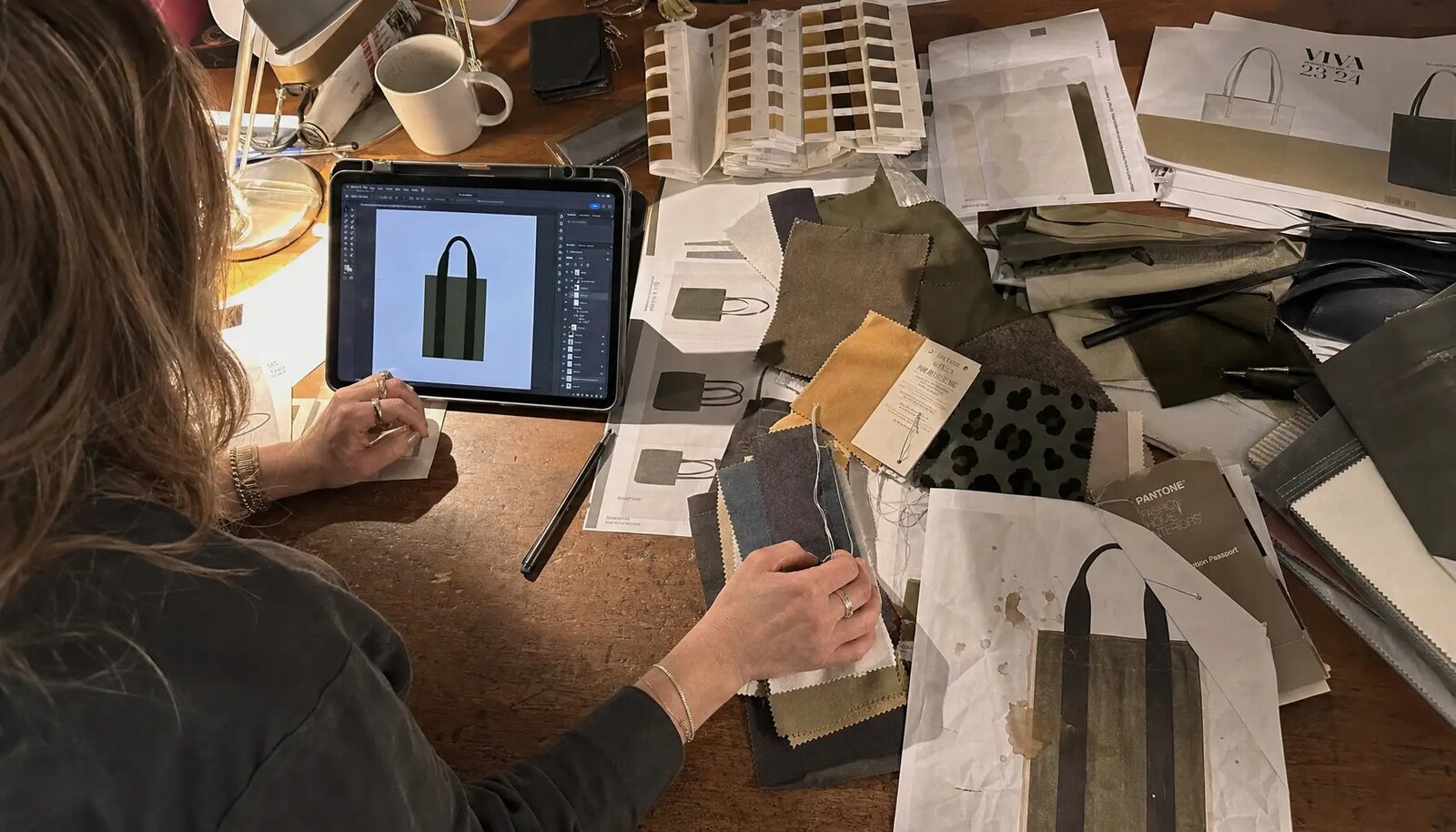
The pricing problem with craft fair grocery totes
Canvas grocery totes for craft fairs look simple, but bulk pricing becomes messy when the RFQ only says natural canvas tote with logo. One supplier may quote an 8 oz flat shopper, another may quote a 12 oz boxed grocery tote, and a third may include individual polybags, screen charges, and heavier export cartons. The unit price difference can look like margin, but it is often a different product.
For procurement teams, the correct goal is not the lowest first quote. The goal is to create a pricing plan where every quantity break uses the same confirmed bag construction, print method, packing method, and approval standard. This makes vendor comparison possible and prevents the common craft fair problem: the first batch looks good on the booth table, but the replenishment order arrives thinner, smaller, or packed in a way that damages the print.
- Use one specification sheet for every supplier invited to quote.
- Compare price breaks only after fabric weight, gusset, handle, print, and packing are aligned.
- Treat setup charges and packing changes as commercial variables, not afterthoughts.
- Keep one approved sample sealed for incoming inspection and reorders.
Choose the base tote around grocery load, not just logo area
A craft fair grocery tote normally carries uneven items: jars, soap boxes, small ceramics, books, folded textiles, produce, and vendor catalogs. That is different from a flat promotional tote carrying papers. For this use, the base should have a bottom gusset that opens properly and a handle drop that allows hand carry or shoulder carry depending on the target buyer.
A practical starting size is around 38-42 cm wide, 35-40 cm high, with a 10-15 cm gusset. Handle drop often lands around 22-28 cm for a shoulder-friendly tote, but shorter handles may be better for grocery-style hand carry. If the tote will be sold as merchandise rather than used as an event giveaway, the feel of the handle and the way the bag stands when partially filled matter as much as the front print area.
- Flat tote: lower cost, less carton volume, weaker grocery function.
- Bottom gusset only: better capacity, still economical, may not stand neatly.
- Boxed bottom with side gusset: best grocery presentation, higher sewing time and fabric use.
- Reinforced handle stitching: important when the bag is expected to carry glass jars, candles, or packaged food.
Fabric weight and GSM: where bulk price moves fastest
Canvas weight is one of the largest cost drivers. Buyers often request 12 oz canvas because it sounds strong, but actual performance depends on yarn, weave tightness, finishing, and sewing. A tightly woven 10 oz canvas can outperform a loose 12 oz fabric in print quality and hand feel. For most craft fair grocery totes, 10 oz to 12 oz cotton canvas is a sensible commercial range.
When you request fabric weight, use both oz and GSM where possible. Cotton canvas may be described by oz per square yard, while some factories also provide GSM. Approximate conversions vary because finishing changes fabric mass, but 10 oz often sits near 320-340 GSM and 12 oz near 360-400 GSM. Do not approve a quote based only on oz if the supplier cannot show a fabric swatch or material report for the actual lot.
- 8 oz canvas: acceptable for light promotional bags, risky for grocery positioning.
- 10 oz canvas: common balance for cost, printability, and reusable function.
- 12 oz canvas: stronger hand feel, better retail perception, higher material and freight cost.
- 14 oz canvas: premium and durable, but may be too stiff, expensive, and bulky for fair giveaways.
- Washed canvas: softer feel but adds shrinkage, color variation, and processing cost.
Print method should match artwork, order size, and hand feel
For bulk canvas grocery totes, screen printing is usually the most stable choice when the artwork uses one to three solid colors. It gives good cost efficiency after setup and works well on natural canvas. The buyer should define print size, color count, ink type, Pantone target, and placement. The same logo printed at 22 cm wide and 32 cm wide is not the same cost if ink coverage is heavy.
Heat transfer can help when the order is small or artwork has gradients, but it may create a plastic hand feel and visible transfer edge on natural canvas. Digital print can work for complex artwork, but canvas texture affects sharpness and color density. Embroidery is possible for small logos, but on grocery totes it can pucker the fabric and is rarely economical for a large front design.
- Screen print: best for solid craft fair logos, sponsor names, store branding, and repeat orders.
- Water-based ink: softer feel, often preferred for natural canvas, but color brightness can be lower.
- Plastisol-style ink: strong opacity, heavier hand feel, curing control is important.
- Heat transfer: useful for low MOQ or multicolor images, but test adhesion and edge appearance.
- Large ink coverage: increases cost and may stiffen the bag front panel.
MOQ logic: build a pricing ladder instead of chasing one quote
MOQ is not only a factory rule; it is a cost structure. Cutting, screen setup, print alignment, sewing line changeover, trimming, packing, and inspection all become more efficient as quantity rises. For a standard natural canvas grocery tote with one-color screen print, practical pricing breaks are often requested at 500, 1000, 3000, and 5000 pieces. The important point is that each break must use the same specification.
If the craft fair program needs several designs, do not assume the factory will treat the total order as one MOQ. A 3000-piece order split across six logos may have the production efficiency of six 500-piece runs. The supplier may need separate screens, separate print setup, separate QC sorting, and different carton marks. Your RFQ should state the total quantity and the quantity per artwork, not only the grand total.
- Single artwork, natural canvas: easiest route to best unit price.
- Multiple artworks: expect extra screen charges and production sorting.
- Multiple fabric colors: may trigger fabric dye MOQ and shade approval work.
- Retail labels or hangtags: small unit cost, but extra handling and approval points.
- Reorder plan: negotiate whether screen charges repeat or are waived within a defined period.
What a comparable factory quote must show
A useful quote for canvas grocery totes should read like a production plan, not just a unit price. It should specify finished size, fabric weight, fabric color, handle material, stitch reinforcement, print method, print size, packing method, carton quantity, carton size, gross weight, sample cost, setup charges, lead time, trade term, and quote validity. Without this data, the quote cannot support landed-cost comparison.
Importers and distributors should also request CBM because tote bags are not always heavy, but they take space. A heavier canvas bag with a boxed gusset may increase carton volume enough to change ocean freight, warehouse handling, and pallet utilization. If one supplier quotes 100 pieces per carton and another quotes 50 pieces per carton, unit price alone will not tell you which option is cheaper after delivery.
- Unit price by quantity break using the same base specification.
- Separate tooling, screen, sample, artwork, label, hangtag, and packing charges.
- Carton quantity, carton dimensions, gross weight, net weight, and estimated CBM.
- Lead time separated into sample time and bulk production time.
- Payment terms, quote validity, and trade term such as EXW, FOB, CIF, or DDP if offered.
- Clarification on whether export cartons and standard carton marks are included.
Sample approval: the step that protects the bulk price
A blank sample confirms shape and sewing, but it does not confirm print result. A printed strike-off confirms color and ink behavior, but it does not confirm the final bag construction. For a bulk pricing plan, the safest approval item is a pre-production sample made with the actual fabric weight, actual handle construction, actual print size, and the proposed packing method. This sample becomes the reference for mass production.
When reviewing the sample, do not only look at the front photo. Load the bag with realistic products, measure the handle drop, inspect the top hem, pull the handle attachment by hand, fold and unfold the printed area, and check whether the tote stands as expected. Natural canvas will have slubs and small shade character, but oil stains, mildew odor, severe weaving bars, and visible dirty handling should not be accepted.
- Measure width, height, gusset, and handle drop against the drawing.
- Compare fabric hand feel and opacity against the approved swatch.
- Review print edges, ink coverage, color, placement, and curing.
- Load test with the expected grocery or craft fair product weight.
- Approve final packing fold to avoid permanent print creases.
- Keep one signed or sealed sample with approval date and version number.
QC thresholds that should be written before production starts
Canvas totes have visible defects that become customer complaints quickly: crooked logos, dirty natural fabric, loose handles, uneven gussets, and cartons that arrive crushed or wet. A procurement team does not need an overly complicated inspection manual, but it does need measurable acceptance criteria. The supplier should know which defects are critical, which are major, and which are minor before sewing starts.
For general reference, finished dimension tolerance may be set around plus or minus 1 cm for main body measurements and smaller tolerance for print placement if the artwork is centered. Handle attachment should be treated as a functional point, not a cosmetic one. If the tote is marketed as grocery-capable, a simple handle pull or loading check should be included in factory QC and final inspection.
- Critical defects: broken handle, mold odor, sharp contamination, wrong artwork, wrong material.
- Major defects: crooked print beyond tolerance, open seam, severe stains, wrong size, weak handle stitching.
- Minor defects: small thread end, slight natural slub, minor fold mark that disappears after handling.
- Print placement: define tolerance from top hem and side seam, such as within 5 mm or 10 mm depending on design.
- Seam quality: no skipped stitch run, open seam, loose bar tack, or raw fabric edge on the top opening.
- Carton condition: dry, export grade, readable carton mark, and no overloading that deforms the totes.
Packing decisions affect both margin and presentation
Packing is often treated as a small detail, but it can change cost, carton volume, warehouse labor, and retail presentation. Bulk pack is usually the most efficient for distributors and event organizers. Individual polybagging improves cleanliness and barcode handling, but it adds material cost, labor, plastic use, and sometimes more carton space. Kraft banding can be a middle option for retail bundles or vendor kits.
The folding method matters for printed canvas. If a large screen print is folded through the ink area too soon after curing, blocking, cracking, or permanent crease marks can appear. For bags shipped by sea, cartons must be strong enough to resist compression and moisture exposure. Buyers should also confirm whether cartons can be palletized without exceeding warehouse weight limits.
- Bulk pack: lowest handling cost, good for event distribution and local repacking.
- Individual polybag: cleaner and barcode-ready, but less attractive for plastic-reduction programs.
- Kraft band or paper sleeve: better retail feel, adds labor and supplier sourcing time.
- Hangtag and care label: useful for resale, but must be included in artwork and packing approval.
- Carton marks: should include item code, PO number, quantity, gross weight, and destination details as required.
Lead time and seasonal risk for craft fair programs
Craft fair demand is seasonal, and tote bag production competes with other promotional and retail orders. A safe timeline starts with artwork and specification approval, then sample production, sample shipping, buyer review, material booking, cutting, printing, sewing, trimming, packing, final inspection, export handling, and freight. Each step has a different risk, so a single lead time promise is not enough.
The most common delay is late artwork approval or a late change from one-color print to multicolor artwork after the price is already agreed. Another frequent issue is fabric availability. Natural canvas is usually easier to source than dyed canvas, but heavy weights and special finishes can still require booking. If the event date is fixed, the PO should include a latest acceptable inspection date and a freight decision point.
- Artwork preparation: allow time for vector cleanup and Pantone confirmation.
- Sample stage: plan 5-10 working days plus shipping and buyer review time.
- Bulk production: commonly planned around 20-35 days after deposit and sample approval, depending on volume and complexity.
- Inspection: reserve time for corrective action if defects are found.
- Freight: compare sea, rail, truck, or air options based on required arrival date and carton volume.
- Peak season: avoid approving the sample only days before factory holiday or trade show rush periods.
Specification comparison for buyers
| Spec decision | Recommended option | When it fits | Buyer risk to check |
|---|---|---|---|
| Fabric weight | 10 oz to 12 oz cotton canvas, roughly 320-380 GSM depending on weave and finishing | Best balance for reusable grocery loading, craft fair retail tables, and private label promotional resale | Low-cost quotes may use open-weave 8 oz fabric that looks acceptable flat but collapses under load and prints with more pinholes |
| Bag construction | Boxed bottom gusset 10-15 cm with side seams overlocked and top hem folded twice | Useful when buyers expect the tote to stand on a table or hold jars, candles, yarn, books, or packaged food | Some suppliers quote a flat tote while using the same bag dimensions; usable volume and carton count will be very different |
| Handle specification | Self-fabric canvas handles, 2.5-3.0 cm wide, cross-stitched or box-stitched at attachment points | Suitable for grocery weight and repeated hand carry at craft fairs | Cotton webbing handles may look cleaner but can change cost, color matching, and shrinkage behavior after washing |
| Print method | Screen print for 1-3 solid colors; heat transfer only for small runs or artwork with gradients | Screen print gives durable branding for fair merchandise, sponsor logos, and retail store identity | Thick ink on coarse canvas can crack if curing is rushed; transfer film can feel plastic and show edge marks on natural canvas |
| MOQ structure | Price breaks at 500, 1000, 3000, and 5000 pieces using the same approved base size | Allows distributors and brand owners to match craft fair season demand without changing the specification each time | A very low MOQ quote may hide higher setup, sample, screen, inland handling, or carton customization charges |
| Color plan | Natural canvas for best cost control; dyed canvas only when brand color is essential | Natural canvas works well for handmade markets, grocery themes, eco-oriented retail, and fast replenishment | Dyed canvas may have shade variation between lots and needs colorfastness and rubbing checks before approval |
| Packing | Bulk pack 50-100 pieces per export carton with inner polybag or kraft banding as required | Best for distributors, event kits, and retailers that will merchandise or repack locally | Individual polybagging raises labor, material, carton volume, and plastic compliance questions in some markets |
| Sample approval | Pre-production sample using actual fabric, actual handle stitch, actual print ink, and production-size artwork | Required before locking bulk price for private label, craft fair sponsors, or retail resale | A digital mockup or blank bag sample cannot validate print coverage, seam strength, shrinkage, or packed appearance |
| Lead time basis | Sample 5-10 working days after artwork approval; bulk production often 20-35 days after deposit and sample sign-off, depending on quantity and print complexity | Fits seasonal craft fair programs when PO release is planned before peak sewing and printing periods | Quotes without a material booking date can slip if canvas, webbing, or printing capacity is not reserved |
Buyer checklist before sampling
- Define the selling use: giveaway tote, paid merchandise, vendor booth bag, grocery carry bag, or private label retail item.
- State finished bag size, gusset depth, handle drop, fabric weight in oz or GSM, and whether dimensions are measured before or after washing.
- Set expected load use in practical terms, such as 6 kg grocery load or 8 kg mixed craft goods, instead of only saying strong handles.
- Send vector artwork with print size, Pantone references, number of colors, and placement distance from seams and top hem.
- Request price breaks at the same specification for 500, 1000, 3000, and 5000 pieces so the pricing curve is comparable.
- Separate mold, screen, sample, carton mark, inner packing, inspection, and freight costs from the unit price.
- Approve one physical pre-production sample with real fabric, actual print, final handle construction, and confirmed packing method.
- Define QC limits for fabric stains, broken stitches, crooked print, handle pull strength, shade variation, and carton damage.
- Confirm carton dimensions, gross weight, carton quantity, and whether the carton can be palletized for your warehouse.
- Build the schedule backward from the craft fair date, including sample approval, production, inspection, vessel or air booking, customs, and local delivery.
Factory quote questions to send
- What exact canvas weight are you quoting in oz and GSM, and is it greige, bleached, dyed, or washed after sewing?
- Is the quoted tote a flat bag or a boxed grocery tote with bottom and side gusset? Please show the finished measurement drawing.
- What stitch type and stitch density will be used on side seams, top hem, bottom corners, and handle attachments?
- What is the maximum recommended carrying load for this construction, and how do you test handle pull strength in production?
- For our artwork, do you recommend screen print, heat transfer, digital print, or embroidery, and what cost changes at each quantity break?
- Are screen charges, sample charges, artwork setup, carton marks, and packing labor included or listed separately?
- What is the MOQ for the base tote, and what is the MOQ if we split the order across two print designs or two canvas colors?
- Can you provide a pre-production sample using actual bulk fabric and final print ink before mass production starts?
- What carton quantity, carton size, gross weight, and CBM should we use for landed-cost comparison?
- What are the current lead times for material preparation, cutting, printing, sewing, inspection, and export booking?
Quality-control points to confirm
- Fabric weight should match the approved sample within a practical tolerance agreed before production, commonly checked by GSM cutting scale or supplier fabric report.
- Finished dimensions should be measured on a flat surface with tolerance stated for width, height, gusset, and handle drop.
- Top hem must be evenly folded with no raw edge exposure, skipped stitches, or sharp thread ends that affect hand feel.
- Handle attachments should use consistent reinforcement stitching, with no loose thread bridges, broken yarn, or puckering around the stress area.
- Print position should be measured from top hem and side seam, not judged by eye only, with a clear tolerance for off-center placement.
- Ink coverage should be even on canvas texture, with no large pinholes, smudges, curing marks, transfer edge ghosts, or color contamination.
- Natural canvas should be screened for oil marks, dark slubs, weaving defects, mildew odor, and unacceptable shade panels.
- Cartons should use export-grade board, correct carton marks, dry inner packing, and weight that warehouse staff can handle safely.
- Packed totes should not be crushed so tightly that print faces block, transfer, or crease permanently during sea freight.
- Final inspection should include carton count, random measurement, print rubbing check, seam review, handle pull review, and packing verification.