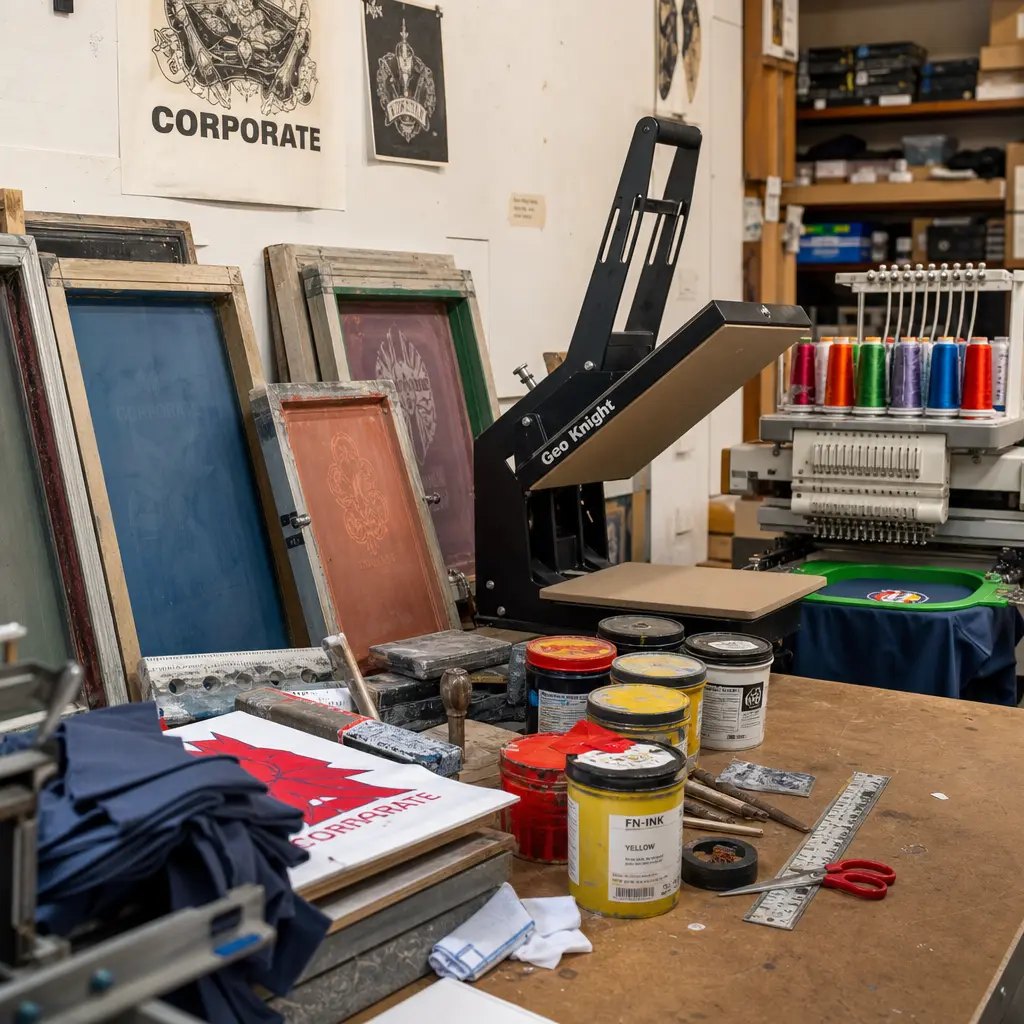
Set the Pricing Objective First
A canvas grocery totes bulk pricing plan for artisan bakeries should start with the business objective, not the tote photo. The same natural canvas bag can be a $3 promotional giveaway, a $12 paid retail item, a loyalty reward, a farmers market carrier, or a gift hamper component. Each use case changes the fabric weight, sewing standard, print method, packing, inspection level, and acceptable landed cost.
Procurement should define two numbers before asking for quotes: the target landed cost per sellable tote and the intended quantity tier. For a paid retail program, work backward from the shelf price and required gross margin. For a giveaway, work forward from the campaign budget and expected distribution quantity. A bakery that skips this step may overbuild a promotional bag or under-spec a tote expected to support retail pricing.
A practical plan separates unit cost, fixed setup charges, freight, duty, inspection, receiving, and rejects. This is especially important for artisan bakeries because quantities are often between small promotional runs and full retail programs. At 500 pieces, screen and sample fees can noticeably raise the true cost per bag. At 3,000 pieces, the same charges may become less important than fabric weight, carton volume, and freight route.
- Paid retail tote: set shelf price, target gross margin, barcode needs, cleaner fold, and stricter appearance standard.
- Promotion tote: set campaign budget, simplest acceptable fabric, one-color artwork, bulk packing, and delivery deadline.
- Distributor stock tote: standardize one body size and track artwork versions with item codes and carton marks.
- Gift hamper tote: calculate cost as part of the full gift pack and test the bag with jars, tins, coffee, and bread products.
- Repeat bakery program: optimize around replenishment rhythm, shared fabric, stable artwork, and predictable landed cost.
Use Cost Bands as Planning Ranges
Bulk pricing cannot be responsibly promised without current factory quotes, fabric market conditions, artwork files, destination, and Incoterm. Still, buyers need planning bands before a formal RFQ. The ranges below are not guaranteed prices; they are procurement planning logic for comparing common bakery tote scenarios. They help a bakery decide whether to test domestic blanks, quote a custom import, or redesign the tote before supplier negotiations begin.
The biggest cost drivers are fabric weight, tote size, print area, print colors, handle construction, folding and labeling, order quantity, freight volume, and inspection requirements. A 12 oz boxed-bottom tote with a barcode hangtag is not in the same cost class as an 8 oz flat promotional tote, even if both are called canvas grocery totes.
When evaluating bands, calculate the cost per sellable tote rather than the factory unit price only. If 2% to 4% of units require rework, if cartons arrive crushed, or if mixed artwork causes warehouse sorting, the real cost changes. For bakery merchandise, presentation defects matter because the tote is often displayed beside premium bread, coffee, and pantry goods.
- 500 pcs: useful for trials, but setup charges and domestic handling can dominate total cost.
- 1,000 pcs: often the first workable tier for custom bakery totes when artwork and packing are simple.
- 3,000 pcs: usually a stronger tier for shared fabric orders, better cutting efficiency, and more stable unit economics.
- 5,000 pcs: suitable for multi-location programs, distributor stock, and planned seasonal retail launches.
- 10,000 pcs: best for repeatable specs where freight consolidation, carton planning, and inspection discipline are already in place.
Calculate Landed Cost and Margin
A proper bulk pricing plan uses a landed-cost formula. Start with the factory unit price, then add allocated fixed charges and logistics. A simple formula is: landed cost per sellable tote = product unit price + allocated setup charges + packing upgrades + inspection + inland freight + international freight + duty and customs + warehouse receiving + reject or rework allowance + final delivery.
For margin planning, divide landed cost by the planned retail price. If a bakery sells a tote for $14 and wants a 55% gross margin, the target landed cost is $6.30 or lower before store labor and markdowns. If the tote is a free gift with a $5 budget cap, the same product may be too expensive unless fabric weight, print size, or packing is simplified.
Freight deserves early attention because canvas totes are bulky. A heavier tote may increase not only material cost but also carton weight and CBM. Air freight or courier service can make sense for urgent samples or small event quantities, but it can destroy the economics of a giveaway program. For repeat programs, request FOB port pricing and a destination quote such as DDP or delivered warehouse pricing, then compare both on the same basis.
- Allocated setup: divide screens, samples, color matching, and artwork fees by the order quantity.
- Landed-cost target: set it from retail margin or campaign budget before approving canvas weight.
- Reject allowance: include a small planning reserve for inspection rejects, rework, or non-sellable display defects.
- Freight basis: compare EXW, FOB, CIF, DAP, and DDP only after converting them to one destination-cost view.
- Duty and customs: confirm HS classification, destination rules, and broker fees instead of assuming they are included.
Build a Quote Ladder
A quote ladder shows where the cost curve improves and where it flattens. Ask every supplier to quote the same tote at 500, 1,000, 3,000, 5,000, and 10,000 pieces. Keep the same fabric, size, print method, packing, Incoterm, and destination. If one quote includes hangtags and another excludes them, the comparison is not clean.
The ladder should show product unit price and separate line items. Screens, samples, Pantone matching, barcode labels, hangtags, carton marks, inspection, and inland transport should not be hidden inside vague pricing. If the order includes several bakery logos, request both total-order pricing and per-artwork charges. A blended price can hide the cost of small print batches and extra packing segregation.
MOQ should be treated as a production constraint, not only a negotiation point. If fabric roll minimum is the constraint, one shared canvas color across all locations can help. If screen setup is the constraint, fewer artwork versions may matter more than total order size. If carton packing is the constraint, consistent folding and carton quantity can reduce handling time.
- Ask what drives MOQ: fabric roll, cutting lay, print setup, sewing schedule, packing material, or export paperwork.
- Request pricing by total order and by artwork version when multiple bakery logos are included.
- Hold Incoterm constant across the ladder to avoid confusing cheap factory price with lower landed cost.
- Ask for carton dimensions and CBM per 1,000 pieces at every major spec change.
- Confirm quote validity because cotton, labor, exchange rate, and freight assumptions can change before approval.
Choose the Bakery Tote Specification
The specification should fit real bakery products. A tote that looks good in a flat photo may fail when loaded with pastry boxes, sourdough, coffee bags, jars, and chilled items. Before bulk approval, test samples using the actual products the bakery expects customers to carry. Photograph the load test and note whether the base stands, the handles feel comfortable, and the print rubs against contents.
Fabric weight should be defined in GSM and commonly understood oz style where possible. Light promotional canvas may sit around 220 to 280 GSM. Many 10 oz style totes are often around 280 to 340 GSM. Heavier retail totes may move toward 380 to 450 GSM or more. These are practical planning ranges, not universal conversions, because weave and finishing affect final weight.
Construction matters as much as fabric. A medium-weight canvas tote with good seam allowance, strong top hem, reinforced handles, and clean stitch tension can outperform a heavier bag with weak handle attachment. Define side gusset, bottom gusset, handle drop, handle width, stitch pattern, thread color, and whether the bag is pressed or folded for retail presentation.
- 8 oz style canvas: good for light giveaways, but test before approving jar-heavy loads.
- 10 oz style canvas: balanced option for bakery grocery totes and routine in-store use.
- 12 oz style canvas: stronger handfeel for paid retail totes and repeat shopping behavior.
- 14 oz or heavier canvas: premium appearance but higher sewing, material, carton, and freight cost.
- Natural canvas: attractive bakery look, but approve shade range because flecks and slubs are normal.
- Washed canvas: softer feel, but plan wider size tolerance due to shrinkage and distortion.
Match Print, Branding, and Retail Needs
Screen printing is usually the best value for artisan bakery logos, one-color illustrations, store names, and simple slogans. It is efficient for repeat programs and works well on natural canvas when artwork uses solid lines and limited colors. Two- or three-color prints can work, but registration tolerance must be agreed before bulk production.
Digital print, transfer, embroidery, and woven labels can be useful for specific designs, but they change cost and risk. Transfers may reproduce more color but need handfeel and cracking checks. Embroidery can look premium for a small mark but may pucker lighter canvas and is not usually economical for large front graphics. Woven labels can create a refined detail but add sewing and placement control.
Natural canvas is not white paper, so brand colors can appear warmer or more muted. If the bakery has strict brand standards, approve a physical strike-off on the actual production fabric. For rustic branding, some texture show-through may be acceptable. For paid retail merchandise, set tighter standards for edge sharpness, ink coverage, print placement, and front-panel cleanliness.
- One-color screen print: strongest value for simple bakery marks and repeat programs.
- Multi-color screen print: workable when registration tolerance and small text limits are clear.
- Water-based ink: softer handfeel, but curing and rub resistance must be checked.
- High-opacity ink: useful on darker canvas, but heavy deposits can feel stiff or crack if poorly cured.
- Embroidery: better for small premium marks than large grocery tote graphics.
- Placement control: avoid critical artwork on folds, seams, gussets, and boxed-bottom transition lines.
Compare Sourcing Routes by Use Case
Factory-direct production is usually the best route for repeat custom programs where size, fabric, print, packing, and cost control matter. It requires a complete spec, sample approval, inspection plan, export packing, and realistic lead time. It is less suitable when the bakery needs a small quantity next week for a pop-up or store opening.
Domestic stock blanks with local printing are faster and simpler for trials, urgent events, and artwork that may change. The tradeoff is less control over fabric shade, handle construction, seam quality, and repeat-order consistency. Claims can also become complicated because the blank tote supplier and printer are separate vendors.
A distributor consolidation route can work well when several bakery clients share one base tote size and fabric. The distributor can release multiple logo versions against one construction standard. The risk is operational: artwork codes, print approvals, carton labels, and warehouse segregation must be controlled carefully to avoid mixed shipments.
- Use domestic blanks for fast tests, low quantities, or event deadlines where exact construction matters less.
- Use factory-direct custom production for planned 1,000+ piece programs with stable specs and repeat demand.
- Use distributor consolidation when several bakeries can share one base tote and separate logo versions.
- Use local printing when artwork changes frequently, but inspect blank totes before print production starts.
- Use DDP comparison when internal teams need a destination-ready cost without managing freight and customs directly.
Approve Samples Before Bulk Production
A strong sample process moves in stages. Start with a stock sample to judge general canvas feel, handle comfort, and sewing level. Then request a blank custom-size sample to confirm body dimensions and product fit. Use a printed strike-off to approve artwork scale, ink color, coverage, and handfeel. Finally, approve a pre-production sample that represents the actual fabric, construction, print, labels, fold, and packing method.
Do not approve samples by photo only. Measure the tote, rub the print, smell the canvas, inspect stitching, and load the bag with bakery products. If the tote will be sold, view it under store lighting and check how the folded unit looks on a shelf or peg. A tote can pass basic function but fail retail presentation because of wrinkles, crooked handles, or poor print placement.
Keep approvals documented. Retain a signed or tagged sample, measurement sheet, artwork proof, print color reference, packing instruction, and list of approved deviations. When a later change is made, record whether it affects price, lead time, inspection, or repeat-order reference. This prevents disputes when replenishment orders are placed months later.
- Measure width, height, gusset, handle drop, handle width, top hem, seam allowance, and print position.
- Load test with real bakery products or an agreed equivalent weight distribution.
- Perform dry and slightly damp rub checks on printed areas.
- Photograph approved logo placement with a ruler reference.
- Review folding, hangtag, barcode, and carton packing before authorizing production.
- Retain one approved reference sample for final inspection and reorder comparison.
Set Factory-Usable QC Rules
Canvas grocery totes are simple products, but defects are visible and brand-sensitive. Crooked handles, dirty canvas, loose threads, warped bases, wrong logos, strong odor, and under-cured ink can make a premium bakery look careless. QC rules should be written before production starts so the factory, inspector, and buyer use the same standard.
Use an agreed random inspection plan, often based on ANSI/ASQ Z1.4 or ISO 2859-1 style sampling. Many buyers set separate AQL levels for critical, major, and minor defects. For example, critical defects may have zero acceptance, while major and minor defects use agreed acceptance numbers based on sample size. The exact AQL should match the buyer’s risk tolerance, product value, and selling channel.
Defect definitions must be practical. Natural cotton flecks and small slubs can be acceptable if they match the approved sample. Oil stains, mildew, holes, heavy dust, wrong artwork, broken load-bearing seams, or unreadable barcodes should not be treated as natural variation. For multi-logo bakery programs, artwork segregation and carton marks are part of QC, not just warehouse administration.
- Critical defects: wrong logo, mildew, contamination, sharp foreign matter, broken handle, unsafe metal, or mixed artwork.
- Major defects: open seams, weak reinforcement, large stains, wrong size, severe print shift, tacky ink, or unreadable barcode.
- Minor defects: small loose threads or limited natural texture variation within the approved appearance standard.
- Inspection checks: carton count, measurements, fabric shade, stitching, load points, print rub, odor, labels, and packing.
- Acceptance rule: define AQL, sample size, defect classes, and rework process before production release.
Plan Packing, Freight, and Reorders
Packing affects both cost and store execution. Bulk carton packing is efficient for giveaways, distributor stock, and backroom replenishment. Paid retail totes may need neat folding, a paper belly band, hangtag, barcode label, or individual polybag. Each choice adds labor or material cost, but it can reduce store handling time and improve presentation.
Carton data should be requested before supplier award. Ask for pieces per carton, carton dimensions, gross weight, net weight, and CBM. Overfilled cartons can crush handles and crease the front print panel. Underfilled cartons raise freight cost per tote. For larger orders, pallet instructions help reduce crushed cartons and warehouse sorting problems.
Reorders are easier when the first order is documented as a program, not a one-time purchase. Keep item codes, artwork codes, fabric swatch references, carton marks, approved sample photos, and inspection results. If the bakery later changes size, canvas weight, print method, or packing, treat it as a new quote version rather than assuming the old price still applies.
- Bulk packing: lowest cost for promotions and warehouse replenishment.
- Paper band or hangtag: useful for paid retail totes and brand presentation.
- Barcode label: needed for retail inventory, e-commerce fulfillment, or distributor systems.
- Carton marks: include item code, artwork code, quantity, carton number, purchase order, and destination.
- Freight planning: compare carton CBM, duty, customs, receiving labor, and final delivery, not factory unit price only.
- Reorder control: retain approved sample, swatch, artwork file, quote ladder, inspection report, and packing instruction.
Specification comparison for buyers
| Bakery tote scenario | Typical bulk quantity | Common spec target | Pricing logic to plan |
|---|---|---|---|
| Farmers market giveaway | 500-1,000 pcs | 8 oz to 10 oz natural canvas, one-color screen print, bulk carton packing | Expect setup charges to weigh heavily; compare total program cost, not only unit price. |
| Single-shop paid retail tote | 1,000-3,000 pcs | 10 oz to 12 oz canvas, boxed bottom, shoulder handles, neat fold, barcode or hangtag optional | Unit cost improves as screen, sample, and cutting setup spread over more pieces; retail margin must absorb freight and reject allowance. |
| Multi-location bakery program | 3,000-5,000 pcs | One shared tote body with separate logo versions or store names | Use shared fabric and construction to protect MOQ efficiency; track per-artwork screen and packing costs separately. |
| Regional distributor stock tote | 5,000-10,000 pcs | Standardized 10 oz to 12 oz tote, repeated logo programs, controlled carton marks | Best pricing usually comes from repeatable specs, consolidated artwork releases, and stable carton quantities. |
| Premium gift or merchandise tote | 1,000-5,000 pcs | 12 oz to 14 oz canvas, reinforced handles, cleaner sewing, hangtag, barcode, retail fold | Higher material and packing cost require a clear sell price, margin target, and stricter AQL acceptance rules. |
| Urgent domestic blank plus local print | 100-1,000 pcs | Stock blank tote with local screen print or transfer | Faster but often higher per-unit cost; useful for trials, openings, or artwork that changes before committing to custom import. |
| Factory-direct repeat import | 3,000+ pcs | Custom size, fabric, print, packing, carton marks, FOB or DDP quote | Best for planned replenishment; landed cost must include freight volume, duty, customs, inspection, and destination handling. |
Buyer checklist before sampling
- Define the tote role: paid retail item, reusable grocery carrier, loyalty gift, farmers market giveaway, gift hamper component, wholesale account gift, or distributor stock SKU.
- Set a target sell price or promotion budget before choosing canvas weight so procurement can calculate allowable landed cost per sellable tote.
- Confirm finished dimensions: width, height, side gusset, bottom gusset, handle width, handle drop, top hem depth, and whether measurements are taken flat or opened.
- Specify fabric by canvas type, nominal oz and GSM where possible, color, washing or dyeing, approved shade swatch, and allowed finished weight tolerance.
- Choose a print method based on artwork size, color count, line thickness, handfeel, rub exposure, and whether the canvas is natural, bleached, dyed, or washed.
- Request price breaks at 500, 1,000, 3,000, 5,000, and 10,000 pieces using the same specification, packing, Incoterm, and delivery destination.
- Separate unit price from tooling and handling charges: sample fee, screen setup, Pantone match, barcode label, hangtag, carton mark, inspection, and inland freight.
- Ask for carton quantity, carton dimensions, gross weight, net weight, and CBM per 1,000 pieces so freight volume can be included in landed-cost planning.
- Test a physical sample with real bakery products, including bread, pastry boxes, coffee bags, jars, chilled items, and gift-pack contents where relevant.
- Define QC tolerances before purchase order release: size, print placement, shade range, stitching defects, stains, odor, packing damage, and artwork segregation.
Factory quote questions to send
- What exact fabric are you quoting: canvas type, nominal oz, GSM range, color, finishing process, and tolerance after dyeing, washing, or finishing?
- Can you quote the same tote specification at 500, 1,000, 3,000, 5,000, and 10,000 pieces under the same Incoterm and packing method?
- Which costs are included in the unit price, and which are separate charges for samples, screens, artwork adjustment, Pantone matching, hangtags, barcodes, carton labels, or inspection?
- What MOQ applies by total order, tote size, fabric color, artwork version, print color, and packing format?
- Are handles self-fabric or cotton webbing, and what are the finished width, drop length, stitch pattern, stitch density, and reinforcement method?
- What seam type, top hem depth, thread type, and approximate stitch density are used on side seams, bottom seams, and handle attachment points?
- Which print method is included, how many colors are quoted, what is the maximum print area, and what curing or rub-resistance check can be performed?
- What are the finished size tolerance, print position tolerance, shade tolerance, and acceptable natural canvas variation for bulk production?
- How many pieces are packed per carton, what are the carton dimensions, gross weight, net weight, and estimated CBM per 1,000 pieces?
- Can you provide FOB port pricing and, if available, DDP destination pricing so we can compare freight, duty, customs, and delivery assumptions clearly?
Quality-control points to confirm
- Use a written inspection plan before production starts; many buyers use ANSI/ASQ Z1.4 or ISO 2859-1 style random sampling with agreed AQL levels rather than checking only a few top cartons.
- Classify critical defects as zero-tolerance items, such as wrong logo, mixed bakery artwork, mildew, contamination, sharp metal fragments, broken load-bearing seams, or unsafe foreign matter.
- Classify major defects as issues that affect use or saleability, such as open seams, weak handle reinforcement, large stains, wrong dimensions, severe print shift, unreadable barcode, or crushed retail-facing panels.
- Classify minor defects as limited appearance issues that do not affect function, such as small loose threads, slight natural slub variation, or small non-front-panel marks within the approved standard.
- Measure finished width, height, gusset, handle width, handle drop, top hem, and print placement on a flat unloaded bag using the same method documented in the approved sample sheet.
- For standard non-washed totes, many buyers set size tolerance around plus or minus 1 cm on width and height; washed, oversized, or boxed-bottom designs may need wider agreed limits.
- Verify fabric weight through supplier documents and random physical checks using a known-area sample, allowing normal textile variation but rejecting obvious substitution.
- Check canvas shade against the approved swatch under consistent light, separating acceptable cotton flecks and slubs from stains, oil marks, mildew, holes, or discoloration.
- Inspect handle attachment for approved box, cross, or bar-tack reinforcement with no skipped stitches, broken thread, needle cuts, loose reinforcement, or visible tearing after manual load checks.
- Check screen print for clean edges, even ink coverage, acceptable registration, no tacky surface, no heavy smudging, no pinholes that harm the artwork, and no major ink buildup on fine detail.