Buying Problem: A Bakery Tote Must Carry More Than Bread
Canvas grocery totes for artisan bakeries look simple, but the buying risk is not simple. A bakery tote may carry crusty loaves, glass jam jars, coffee bags, pastry boxes, recipe cards, and retail merchandise in the same trip. If the bag body collapses, the handles stretch, or the print cracks after a few uses, the buyer does not just lose packaging value; the bakery brand becomes associated with a weak reusable item.
The practical sourcing problem is to turn a general tote request into measurable inspection criteria. Procurement teams should not issue an RFQ that only says natural canvas tote with logo. That leaves room for low GSM fabric, narrow handles, weak seams, undersized gussets, and unclear packing. A stronger RFQ defines the finished carrying function first, then connects fabric, construction, print, packing, and inspection to that function.
- Use case: grocery-style bakery purchases, not a lightweight event giveaway.
- Typical load expectation: bread plus jars or retail goods, often 5-8 kg in normal use.
- Brand need: clean logo print, natural texture, and reusable feel without looking overbuilt.
- Inspection focus: fabric consistency, handle strength, seam security, and print durability.
Fabric Weight and Canvas Hand Feel
For bakery grocery totes, the fabric decision usually sits between 8 oz, 10 oz, and 12 oz cotton canvas. An 8 oz canvas can work for light promotional bags, but it may feel thin for grocery use and may not stand well when customers place bread or boxes inside. A 10 oz canvas, around 340 GSM, is a common balanced choice. A 12 oz canvas, around 407 GSM, gives a sturdier retail feel but raises material cost, sewing resistance, carton weight, and freight cost.
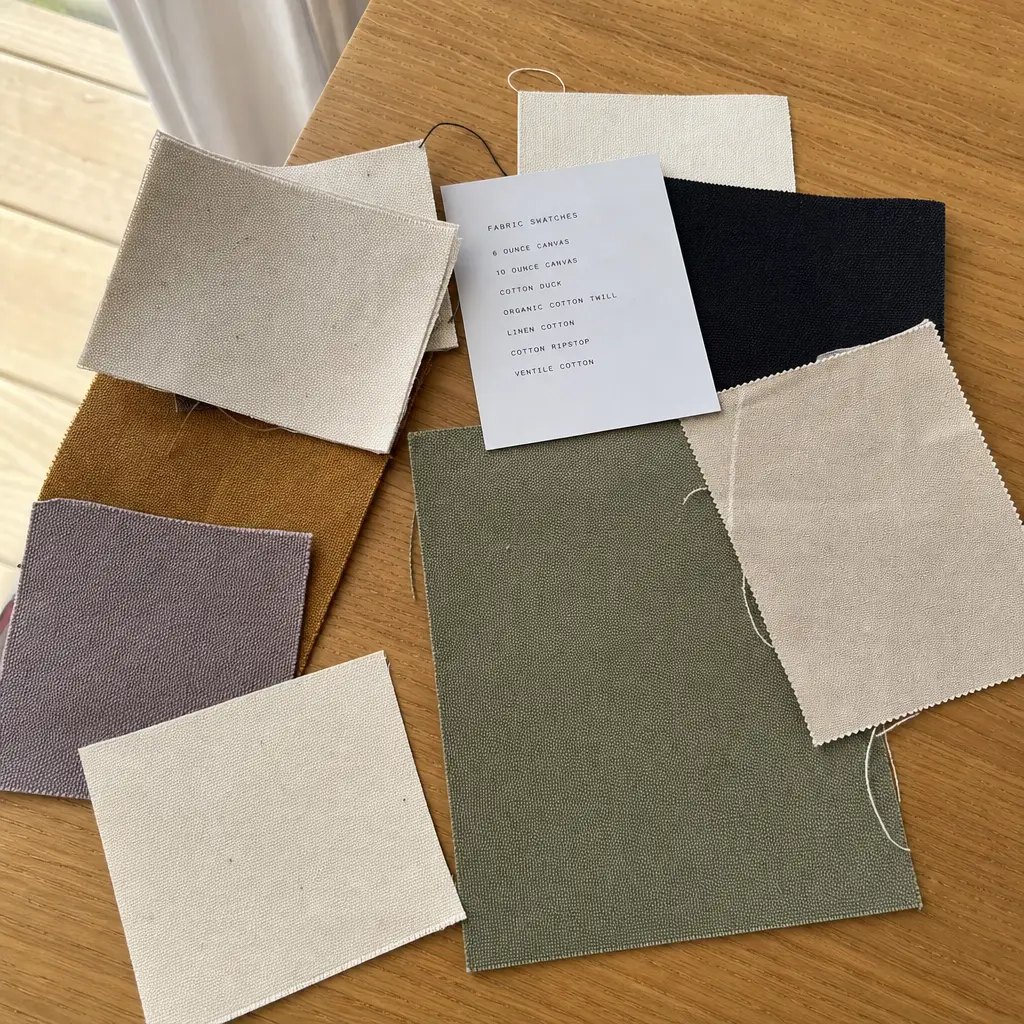
Importers should request both ounce weight and GSM because mills and suppliers may describe fabric differently. A quote that says 10 oz canvas without GSM, yarn count, finish, or swatch is not enough for comparison. Natural canvas also varies in shade from cream to beige depending on cotton source and finishing. If the bakery brand uses a warm kraft-paper visual system, that natural variation may be acceptable. If the logo color depends on a clean pale background, shade tolerance needs to be agreed before bulk cutting.
- 8 oz canvas: suitable for low-cost retail gift programs, less ideal for repeated grocery loads.
- 10 oz canvas: good balance for most bakery grocery totes with moderate structure.
- 12 oz canvas: stronger hand feel, better for premium paid merchandise, higher landed cost.
- Pre-shrunk canvas: useful if the buyer expects washing or wants more stable dimensions.
- Dyed canvas: requires lab dip approval, rubbing checks, and closer shade control.
Size, Gusset, and Handle Specs That Prevent Returns
A grocery tote for an artisan bakery needs usable volume, not just a nice flat front panel. A flat tote can photograph well and quote cheaply, but it does not protect tall loaves, baguette sleeves, pastry boxes, or jars. A gusseted size around 38 x 40 x 12 cm is a common starting point, but the correct size should come from the buyer's product mix. Test with real bakery packaging before approving the final sample.
Handle drop is another frequent mistake. Short handles look tidy but may not fit comfortably over a winter coat. Very long handles can drag the bag low and increase stress at the attachment point. For grocery use, many buyers choose about 25-30 cm handle drop, with 2.5-3 cm handle width. The handle attachment should use cross-stitching or box stitching, not just a single straight line hidden under the top hem.
- Confirm finished size, not cut size, because seam allowance changes the usable bag volume.
- Specify gusset depth if the tote must hold pastry boxes without tilting.
- Request handle width and handle drop in centimeters, not only long handle or shoulder handle.
- Use carton and shelf testing if totes ship to retail stores as folded merchandise.
- Set measurement tolerance before production, especially when several SKUs share one display plan.
Print Method for Bakery Branding
Most bakery totes use screen printing because it handles simple logos, solid brand colors, and moderate order quantities well. Water-based screen print gives a softer hand feel and suits natural canvas. Plastisol can produce stronger opacity but may feel heavier and less aligned with a natural bakery brand. Heat transfer is useful for detailed or multi-color artwork at smaller quantities, but it may not match the tactile feel buyers expect from canvas grocery totes.
Artwork should be checked against the weave of the canvas. Fine serif type, thin wheat illustrations, small store addresses, and flour-dust textures can close up or look uneven on coarse fabric. For best results, provide vector artwork, Pantone references, logo size, position from top edge, and acceptable color tolerance. A printed strike-off on the actual bulk canvas is more useful than a digital mockup because it reveals ink absorption, edge sharpness, opacity, and hand feel.
- Screen print: best for 1-3 solid colors and clean bakery logos.
- Water-based ink: softer touch, good for natural cotton positioning.
- Pigment print: useful for muted, vintage bakery graphics with lower opacity expectations.
- Heat transfer: practical for complex artwork but should be tested for cracking and edge lift.
- Embroidery: premium look but less common for grocery totes due to cost and fabric puckering risk.
MOQ Logic and Quote Comparison
MOQ is not only a number. It is connected to fabric availability, color, print setup, label type, cutting efficiency, and packing requirements. A natural canvas tote with one-color screen print may have a lower MOQ than a dyed canvas tote with multiple logo colors and custom woven side labels. If a supplier gives one MOQ without explaining the constraint, the buyer cannot judge whether the quote is stable.
When comparing quotes, separate unit price from setup charges and packing details. One supplier may quote a lower unit price but exclude screen charges, sample cost, label cost, carton marking, or inner polybags. Another supplier may quote a higher unit price but include complete export packing and stronger fabric. For distributors and retail buyers, landed cost per usable accepted unit matters more than the cheapest ex-factory number.
- Request price breaks at realistic quantities, such as 500, 1,000, 3,000, and 5,000 pieces.
- Clarify whether MOQ applies per artwork, per canvas color, per print color, or per shipment.
- Separate tooling charges, print screen charges, sample charges, and courier fees.
- Ask for carton CBM and gross weight to estimate freight impact by fabric weight.
- Compare cost after expected defect allowance, not only quoted unit price.
Sample Approval Before Bulk Production
A pre-production sample should not be treated as a souvenir. It is the physical contract between the buyer and the factory. The approved sample should show the actual canvas weight, final measurements, handle construction, seam method, print color, logo placement, label attachment, folding method, and packing style. If any of these are represented by substitute materials, mark them clearly and require a corrected sample or a written approval exception.
Bakery buyers should load-test the sample with realistic products. Put boxed pastries, bread sleeves, coffee bags, jars, or retail goods inside and carry the tote for several minutes. Watch for handle stretching, seam distortion, bottom sagging, and print cracking along folds. If the tote will be sold as merchandise, also test how it looks after folding and unpacking because hard creases across the logo reduce shelf appeal.
- Measure body width, height, gusset, handle drop, handle width, and logo position.
- Compare fabric shade and hand feel against the approved swatch.
- Rub the printed logo with a dry white cloth after full curing.
- Fold the tote as it will be packed and check whether the print face is protected.
- Keep one signed sample with procurement and one with the factory production team.
Inspection Thresholds for Finished Totes
Final inspection should define what is acceptable, what requires repair, and what must be rejected. Cosmetic defects such as small slubs may be acceptable on natural canvas if they are outside the print area and not visually severe. Oil stains, mold smell, open seams, broken handles, wrong logo color, and severe print misregistration should be treated as major defects. Procurement should align defect classification before production, not after cartons are packed.
For grocery totes, load and seam checks are as important as appearance. A practical factory test may include loading the bag with 8-10 kg for a defined time, then checking handle attachment, side seams, bottom gusset, and top hem. Stitch density should be consistent, commonly around 8-10 stitches per inch depending on fabric and thread. Loose threads should be trimmed, but trimming cannot fix skipped stitches or weak backtacks.
- Major defects: open seam, broken stitch at handle, wrong size, wrong artwork, strong odor, ink transfer.
- Minor defects: small thread tails, slight natural slub, minor crease outside logo area.
- Measurement check: pull pieces from different cartons and production batches.
- Print check: inspect color, opacity, registration, placement, curing, and rubbing resistance.
- Function check: load test samples and inspect stress points after unloading.
Packing Choices That Affect Print and Freight
Packing is often quoted too late, but it affects both quality and landed cost. Canvas totes can be packed flat, folded once, or folded into individual polybags. Flat packing reduces hard creases but increases carton size. Compact folding saves space but can leave a crease across the printed logo. For bakery retail programs, the packing method should match how stores will receive, display, or distribute the totes.
Moisture control matters for cotton canvas. Natural cotton packed in humid conditions can develop odor, mildew risk, or carton softness during ocean freight. Export cartons should be strong enough for stacking, with agreed pieces per carton, carton dimensions, gross weight, and shipping marks. If the tote has dark printing, make sure ink is fully cured before packing and printed faces are not pressed directly against surfaces that may cause transfer.
- Flat pack: cleaner presentation, larger carton CBM, lower crease risk.
- Folded pack: better freight efficiency, higher risk of logo crease if fold line crosses print.
- Individual polybag: cleaner for retail distribution, adds cost and may conflict with plastic reduction goals.
- Master carton weight: keep practical for warehouse handling, often under heavy manual-lift limits.
- Moisture control: use dry cartons and consider desiccant for humid-season ocean shipments.
Lead Time Risks and Production Schedule Control
Lead time starts after approvals, not after the first inquiry. A realistic schedule includes artwork checking, fabric sourcing, sample making, sample courier time, approval comments, bulk material preparation, cutting, printing, curing, sewing, trimming, inspection, and packing. If a supplier promises a short timeline before seeing artwork and packing requirements, treat that date as an estimate, not a production commitment.
The highest schedule risks are usually fabric availability, print correction, label approval, and slow sample feedback. Natural canvas may be available from stock, while dyed canvas or custom weight fabric can add days or weeks. Multi-location bakery rollouts also need packing list control, store assortment labels, and shipping marks. Build a production calendar backward from the required delivery date and include time for inspection and possible rework.
- Sampling: allow time for artwork review, sample making, and courier transit.
- Fabric: stock natural canvas is faster than dyed or custom-finished canvas.
- Printing: screens, strike-offs, curing, and corrections can affect the calendar.
- Inspection: reserve time before vessel closing or courier pickup, not after packing is complete.
- Rework buffer: include days for trimming, repacking, or replacing defective pieces.
Landed-Cost View for Importers and Distributors
A tote with a lower unit price can become more expensive after freight, carton volume, defect rate, repacking, and store handling are included. Heavier canvas increases perceived value but also increases carton gross weight and shipping cost. Individual retail packing improves store readiness but adds labor, material, and sometimes carton volume. Procurement teams should compare landed cost per sellable tote, not just FOB price per piece.
Quote data should be complete enough for a buyer to run a landed-cost estimate before placing the order. At minimum, request unit price by quantity, fabric specification, print method, setup costs, carton quantity, carton size, gross weight, sample cost, payment terms, production lead time, and inspection standard. If a supplier cannot provide carton data, the buyer cannot estimate freight correctly and may approve a price that fails after logistics review.
- FOB unit price: useful, but incomplete without carton CBM and gross weight.
- Defect allowance: calculate cost per accepted piece if the program has strict retail standards.
- Packing labor: store-ready packing may save domestic labor even if factory cost is higher.
- Freight mode: air shipment punishes heavy canvas more than ocean freight.
- Reorder stability: keep approved fabric, print ink, and labels documented for repeat bakery programs.
Specification comparison for buyers
| Spec decision | Recommended option | When it fits | Buyer risk to check |
|---|---|---|---|
| Fabric weight | 10-12 oz canvas, roughly 340-407 GSM, pre-shrunk if washing is expected | Bakery grocery totes carrying bread, jars, pastry boxes, flour bags, and retail merchandise | Quotes using only ounce weight may hide GSM variance; require fabric swatch and finished bag weight tolerance |
| Bag size | Approx. 38 x 40 x 12 cm gusset or buyer's carton-tested bakery size | Mixed bakery purchases where the tote must hold tall loaves without crushing pastry packaging | Flat tote quotes may look cheaper but reduce usable volume and make product stacking unstable |
| Handle build | Self-fabric canvas handles, 2.5-3 cm wide, cross-stitched at stress points | Reusable grocery positioning and heavier in-store purchases | Handles stitched only with a simple top seam can tear under repeated 8-10 kg load tests |
| Print method | Water-based screen print for 1-3 solid colors; pigment print for soft vintage look | Artisan bakery logos, simple taglines, store locations, and seasonal graphics | Fine flour-dust style artwork and small serif fonts may fill in on coarse canvas; approve strike-off before bulk |
| Seam construction | Inside overlock plus lockstitch, 8-10 stitches per inch, neat backtack at openings | Bulk retail distribution where the tote is handled many times before final sale or giveaway | Loose threads and skipped stitches are common on thick canvas corners unless QC inspects gusset joins |
| Color route | Natural canvas for lower risk; dyed canvas only with lab dip and rub test approval | Natural bakery branding, farmers market programs, sustainable-looking packaging | Dyed dark canvas can crock onto pale bakery boxes; require dry and wet rubbing results |
| Packing method | Flat folded 25-50 pcs per export carton with moisture control and carton drop-ready weight | Distributors shipping to several bakery locations or retail buyers with warehouse handling | Over-compressed cartons crease printed panels and can transfer ink if curing time is short |
| Inspection level | AQL-based final inspection plus carton count, measurement, print, seam, and load checks | Orders above pilot quantity or any order shipping direct to retail stores | Sampling only the top carton misses shade variation, odor, and print defects across production lots |
Buyer checklist before sampling
- Define finished bag size with gusset, handle drop, seam allowance, and measurement tolerance before requesting price.
- State fabric in both oz and GSM, and request swatch confirmation from the same bulk fabric source.
- Send vector artwork with Pantone references, printable size, logo placement, and minimum line thickness.
- Choose the print method based on artwork complexity, hand feel, wash expectation, and color count.
- Approve a pre-production sample showing actual fabric, handle length, stitching, label, print, and packing fold.
- Set QC thresholds for seam strength, load test, print registration, color variation, odor, stains, and loose threads.
- Confirm MOQ by fabric color, print color count, label type, and packing method, not only by total order quantity.
- Require carton dimensions, gross weight, pieces per carton, and shipping marks before calculating landed cost.
- Lock the production lead time only after artwork, sample, fabric, label, and deposit are all approved.
- Keep a signed approval sample and compare it against final inspection photos before balance payment.
Factory quote questions to send
- What fabric weight will be used in both oz and GSM, and is it stock canvas or custom woven/dyed fabric?
- What is the finished bag size, gusset depth, handle width, handle drop, and measurement tolerance included in the quote?
- Which print method is quoted, how many colors are included, and what is the maximum printable area?
- Does the price include pre-production sample, screen setup, logo label, inner packing, export carton, and shipping marks?
- What is the MOQ for this exact canvas color, print design, and packing method, and what price break applies at the next quantity?
- How many days are needed for sampling, material preparation, bulk production, inspection, and packing after approval?
- What AQL or internal inspection standard is used, and can the factory provide in-line and final inspection photos?
- What load test, seam pull test, rubbing test, and print adhesion checks are normally done for grocery totes?
- What are the carton dimensions, gross weight, net weight, and pieces per carton for freight calculation?
- If defects exceed the agreed limit, what rework, replacement, or discount process is available before shipment?
Quality-control points to confirm
- Fabric weight should match approved swatch within agreed tolerance, with no heavy slubs, oil marks, mold odor, or mixed shade panels.
- Finished size should stay within the approved tolerance, usually about +/-1 cm for body dimensions and +/-0.5 cm for handle width.
- Handle attachment should pass repeated load testing at the agreed weight, commonly 8-10 kg for bakery grocery totes.
- Stitching should be straight, secure, and backtacked, with no skipped stitches, open seams, broken thread, or sharp thread ends.
- Print should match approved strike-off for color, position, registration, opacity, curing, and resistance to light rubbing.
- Logo placement should be centered and consistent across cartons, with position tolerance agreed in millimeters before production.
- Labels, hangtags, care labels, and barcode stickers should match buyer artwork and be attached in the approved location.
- Packing should protect the printed face from transfer, moisture, excessive creasing, and carton crush during export handling.
- Carton count, carton marks, polybag warnings where required, and assortment by store or SKU should match the packing list.
- Final inspection should pull samples from multiple cartons and production time periods, not only from the first packed cartons.