Start With the Use Case, Not the Tote Name
A canvas grocery tote for farmers market vendors is not just a generic shopping bag with a logo on it. The bag may need to carry produce, jars, bread, flowers, bottles, or a mixed load that shifts while a customer walks between stalls. That changes the procurement brief. A tote bought for retail resale has different requirements than a tote used as a vendor giveaway or a packaging support item for weekly market orders. The buying team should define the channel first, then the bag.
If the use case is vague, the supplier will fill in the blanks with its default product. That is where problems start. One supplier will quote a soft, light canvas that looks good in a catalog but collapses once it is loaded. Another will quote a heavier build that performs well but pushes the margin out of range. Before you request samples, define the target load, expected life, acceptable handfeel, and whether the bag must stand upright on a table, fold flat in a box, or keep a clean retail shape on shelf. The more concrete the brief, the more useful the quote.
Write a Spec Suppliers Can Actually Quote
A supplier cannot quote a controlled product if the core dimensions are left open. Lock the finished width, height, gusset depth, handle length, and handle drop before asking for pricing. Use finished dimensions, not words like medium or large. For this product, even a small shift in handle drop can change whether the bag sits comfortably on the shoulder, and a small gusset change can alter capacity and shape more than buyers expect. Quote quality improves when the spec is measurable.
Fabric weight needs the same discipline. For a reusable grocery tote, a finished canvas around 10 oz to 12 oz, or roughly 340 to 410 gsm, is a practical working range for many programs because it balances body, cost, and sewing efficiency. Lighter canvas can suit giveaways or promo runs. Heavier canvas can improve structure and perceived durability, but it raises cost and may slow production. Ask the supplier to state whether the weight is measured on raw cloth, finished cloth, or washed cloth so you are not comparing different measurement bases. If the bag will be dyed, washed, or finished after weaving, note that as part of the spec rather than treating it as an informal detail.
Choose Fabric and Construction for Real Grocery Loads
Construction is where a canvas grocery tote either becomes a usable product or a return risk. For farmers market use, the bag should have a stable bottom, reinforced handle points, and enough seam allowance to survive repeated lifting. Box-X stitching, bartacks, or an equivalent reinforcement at the handle roots matters if the tote will regularly carry jars, produce, or bottled drinks. Buyers should ask the supplier exactly how the stress points are reinforced, not just whether the bag is described as durable. The difference shows up after the first heavy use, not in the sample photo.
The top hem and handle attachment area are common failure points. Ask whether the bag uses self-fabric handles, webbing handles, or a combination, and why that choice was made. Self-fabric handles can look more integrated and branded. Webbing can improve perceived strength and may simplify sewing on some lines. Either way, the attachment needs to be measured and inspected, not assumed. Keep artwork away from seams, gussets, and fold lines so the graphic does not crack or warp when the bag is loaded and flexed. If the tote must sit upright on a market table, say so in the brief. A bag can be structurally sound and still be wrong for the selling environment.
Check Supplier Compliance Evidence Before Sampling
A serious supplier should be able to show evidence that matches the exact tote being quoted. That means the factory profile, fabric declaration, ink or print method statement, and any available test reports should align with the proposed bag spec. If the supplier says the tote is made from 12 oz canvas with a screen-printed logo, the supporting documents should not point to a different weight, a different finish, or a different print process. Mixed evidence is a warning sign because it usually means the supplier is quoting from stock assumptions rather than from a controlled production route. Procurement should treat the evidence file as part of the product, not as paperwork added later.
The right documents depend on how and where the bag will be sold. A retail buyer may need declarations around restricted substances, colorfastness, or ink safety, depending on market requirements. A distributor may focus more on factory consistency, social compliance, and repeatable sewing quality. Commonly requested items include supplier declarations, material or ink test reports, factory audit summaries, and sample-to-bulk matching records. If the supplier cannot tie the evidence to the article being bought, the file is too weak to support an award. The goal is simple: the documents should reduce uncertainty, not create a second layer of it.
Compare Quotes on the Real Cost Drivers
A unit price tells you very little unless the quote breaks out the cost drivers. For a canvas grocery tote, those drivers are fabric weight, cut-and-sew labor, print setup, print color count, packing method, and freight. If one supplier quotes a lower unit price but charges separately for color changes, inserts, barcode labels, or carton changes, the landed cost may end up higher. Buyers should request quotes in a format that makes like-for-like comparison possible. That means fabric spec, print method, packing method, and shipping terms all need to be visible before the commercial discussion starts. The quote should show what is included and what is not.
MOQ logic matters as well. A supplier may look expensive at 500 pieces and competitive at 3,000 pieces because setup and cutting waste are spread across more units. That does not mean the supplier is wrong for your program. It means you need to know where the price break changes and how steep the curve is. Ask for several volume points, such as 300, 500, 1,000, and 3,000 pieces, so you can see whether the supplier is pricing the project fairly for your launch size. A good quote should show what changes when volume increases instead of hiding the break inside one flat number. If the supplier cannot explain the spread, the quote is not procurement-ready.
Approve Samples Against Measurable Criteria
The sample stage is where procurement protects the program. A pre-production sample should be measured, weighed, and inspected against a written approval sheet. That sheet should include finished size, gusset depth, handle length, print position, fabric handfeel, and color tolerance. If the bag is intended for retail sale, also check presentation details such as how it folds, whether the label placement is clean, and whether the tote stands or collapses the way the buyer expects. A sample that looks fine in photos is not enough. The approval has to be measurable, repeatable, and tied to the actual production method.
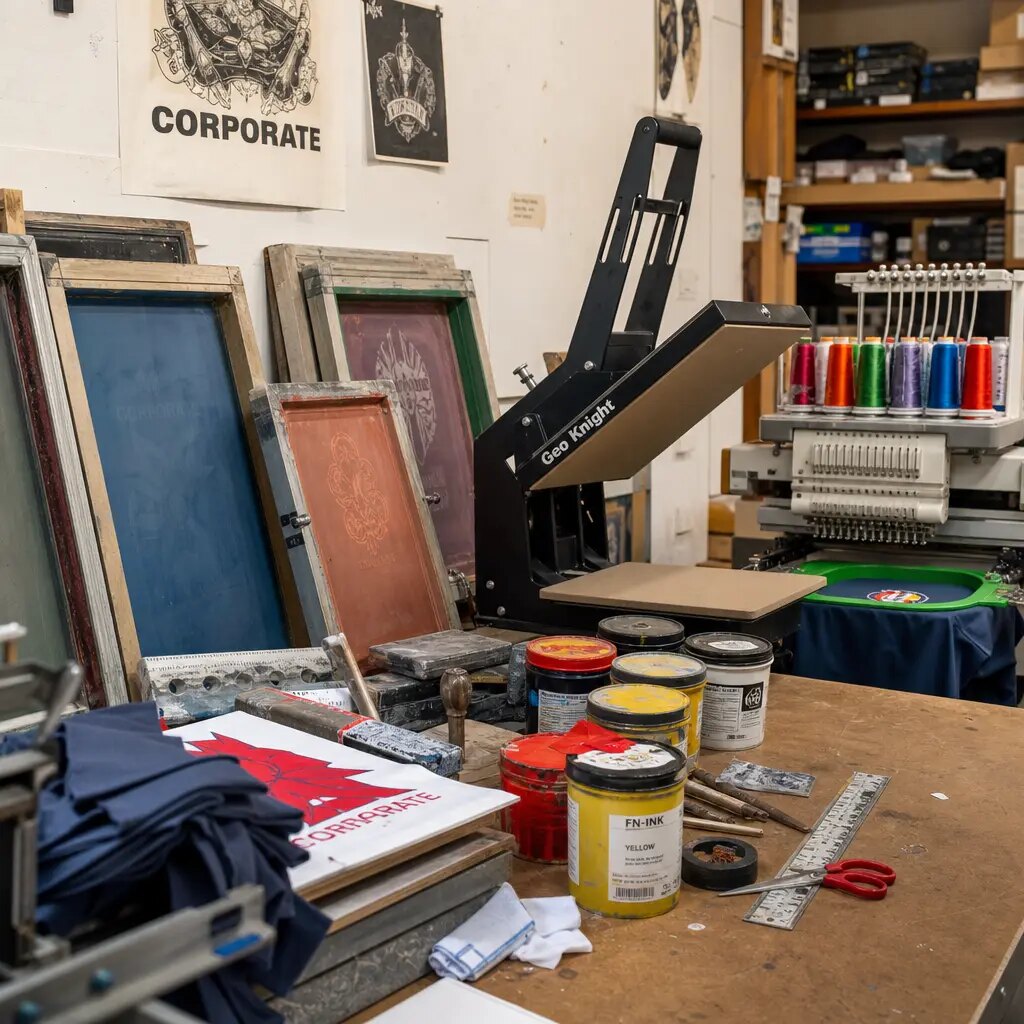
For print approval, focus on registration, edge sharpness, ink density, and how the graphic reads on the actual canvas texture. Screen print is usually the commercial default for simple logos because it is durable and repeatable, but it still needs a clear standard for line thickness and color match. Do not use one sample to approve multiple material choices or multiple colorways. If the supplier changes fabric or print method after the sample is approved, reopen approval. Otherwise, procurement is allowing production drift after the control point. If there is any doubt, request a second sample from the same spec before authorizing bulk production. That is cheaper than correcting a full run.
Build Packing and Retail Readiness Into the Quote
Packing is not an afterthought for a canvas grocery tote. It affects product condition on arrival, warehouse handling, and the amount of work needed before the bags can be sold or distributed. Bulk folding is efficient for import and warehousing, but it can crease the print or distort the bag if the factory compresses it too tightly. Individual polybags protect retail presentation, but they add labor, waste, and carton volume. Buyers should decide early whether the tote is shipping as a B2B bulk item, a private-label retail product, or a mixed program with different pack standards. The packing choice should match the route to market, not the supplier's convenience.
The carton spec should be written down in the RFQ. Include pieces per inner pack if any, outer carton quantity, carton dimensions, gross weight limit, carton marks, and label content. If the buyer expects barcode labels, hangtags, or insert cards, those details should be priced and approved before production starts. Farmers market vendors often resell the tote quickly, so a clean fold, matched carton count, and readable label are not cosmetic extras. They reduce repacking time and prevent the receiving team from sorting mismatched units. If the bags will sit in humid transit or storage, ask whether moisture protection is needed. That is a small detail until a carton arrives with damp edges or print transfer.
Put Quality Control at the Right Production Stages
Quality control should not wait until the cartons are ready to ship. For a custom canvas grocery tote, the important checkpoints are raw material confirmation, first-piece approval, in-line sewing checks, final packing verification, and carton audit. The buyer should know where each control happens and who signs off on it. If the supplier skips first-piece review, the factory may produce a large batch of bags that are all slightly wrong in the same way. That is a process failure, not a cosmetic issue, because the whole order can drift outside the approval baseline.
Measure the finished bag against the approved spec, not just against a sample photo. Check handle roots, side seams, bottom corners, and top hems for skipped stitches, loose thread, seam puckering, or uneven seam allowance. Confirm that the fabric weight, trim, print method, and finish match the approved pre-production sample. Inspect the canvas for weave slubs, thin spots, stains, oil marks, and shade inconsistency. Then inspect the packaging. A bag can pass construction checks and still fail commercially if the count is wrong, the fold is sloppy, or the carton labels are incorrect. If you use AQL, define critical, major, and minor defect rules before production starts so there is no dispute at shipment time.
Plan Lead Time Around Sample Revisions and Freight Risk
A realistic lead time includes more than sewing days. For a custom canvas grocery tote, the schedule should cover sample development, artwork approval, raw material booking, production, inspection, packing, and transit. If the supplier is waiting on a fabric shade approval or a print correction, the clock stops. If the buyer wants a firm ship date without buffer, the order is already at risk. Good procurement treats the tote as a production program, not a one-line purchase order. The schedule should show the critical path, not just the hoped-for date.
Seasonality matters. Cotton supply, print capacity, and freight space can tighten before spring market season, summer event season, or the holiday retail window. If the tote includes a custom dye, special wash, or unusual packing, the lead time should be longer than for a plain natural canvas bag with a single-color print. Ask the supplier to identify the items that can delay shipment. Common delays are fabric booking, print plate approval, carton label approval, and final inspection correction. If the bag has a hard launch date, keep freight buffer in the plan. A low unit cost does not help if the goods miss the selling window.
Award the Order and Control Reorders With One Standard
Once quotes are normalized, the final decision should be based on risk-adjusted cost. That means the buyer weighs unit price, compliance evidence, sample accuracy, communication speed, and the supplier's ability to keep the same tote consistent on repeat orders. A very low quote is not useful if the factory cannot hold size tolerance, cannot repeat the same print shade, or cannot provide clean packing records. For a canvas grocery tote aimed at farmers market vendors, repeatability often matters more than a one-time discount because the bag becomes part of the buyer's brand image and resale margin. The cheapest order is not the best order if the next run has to be rebuilt from scratch.
A simple internal rule helps keep the award disciplined: if two suppliers are close on landed cost, choose the one with better spec clarity, better sample control, and better proof of process. If one supplier is cheaper only because the spec is looser, treat that number as incomplete rather than attractive. Keep the approved spec, sample reference, packing format, and QC standard in a single order file so the next buy does not depend on memory or scattered email approvals. If the supplier changes factory, fabric lot, or print method on a reorder, require a new confirmation step. Reorders should be a controlled repeat, not a fresh negotiation of the whole product.
Specification comparison for buyers
| Supplier option | What to verify | Commercial advantage | Buyer risk to control |
|---|---|---|---|
| Direct sewing factory | fabric swatch, approved sample, seam close-ups, logo test photos, packing pilot, and final inspection evidence | Better sample-to-bulk control and faster production feedback | May be weaker on export paperwork or branded packing unless checked early |
| Trading company | Factory name, production photos, trim-source proof, and who owns QC decisions | Can coordinate small mixed orders and extra services | Markup can hide real factory capability and slow defect decisions |
| Specialized bag workshop | bag size, gusset, handle drop, seam allowance, stitch density, reinforcement patch, and loading expectation | More practical for detailed construction, trims, and repeat programs | Capacity may be limited during peak seasons |
| Low-price general supplier | 8-12 oz cotton canvas, 120-220 gsm cotton, recycled cotton, or blended fabric selected by use case and target price | Useful for simple promotional runs with loose specs | Material downgrades, weak packing, and vague inspection scope can erase savings |
| Retail-ready supplier | fold method, inner bundle, carton count, carton mark, moisture protection, SKU separation, and warehouse receiving needs | Can handle labels, SKU separation, carton marks, and receiving rules | Higher unit cost must be compared against reduced warehouse work |
| Compliance-focused supplier | Fabric records, labeling review, test plan, and production traceability | Safer for retail programs and repeat brand orders | Documentation claims need evidence, not only sales language |
| Local sample room plus bulk factory | Signed sample, bulk factory handoff, first-piece photos, and deviation owner | Good for complex branding before large production | Sample room quality may not match bulk line unless handoff is controlled |
Buyer checklist before sampling
- Define the use case first: resale item, vendor giveaway, produce-support bag, or retail packaging item.
- Lock the finished size in the RFQ: width, height, gusset depth, handle length, and handle drop.
- State the target fabric weight in oz or gsm and note whether it is measured before or after finishing or washing.
- Specify the canvas type: natural, bleached, dyed, washed, recycled-content, or blended.
- Choose the logo method, artwork size, print placement, color count, and whether the artwork wraps over seams.
- Ask for evidence that the quoted fabric, trim, ink, and sewing line match the production version.
- Request a pre-production sample and agree in writing on tolerances for dimensions, shade, stitch quality, and print location.
- Decide whether the tote ships bulk packed, folded, polybagged, or retail packed with barcode labels and inserts.
- Ask the supplier to split the quote into fabric, sewing, print setup, packing, and freight or export charges.
- Request MOQ by color, by print design, and by total order, plus the price break at each quantity tier.
Factory quote questions to send
- What is the finished fabric weight, and is it measured on the raw fabric, after finishing, or after washing?
- Is the canvas woven, cut, sewn, printed, and packed in your own facility, or are any steps subcontracted?
- What is the exact MOQ per color, per design, and per size, and where does the price break change?
- What are your tolerance ranges for finished dimensions, handle length, print position, and shade variation?
- Which test reports, declarations, or factory audit records can you provide for the exact tote being quoted?
- What packing method is included in the price, and what is the carton size, carton count, and gross weight limit?
- How many days do you need for sample development, artwork approval, bulk production, final inspection, and shipment booking?
- What extra charges apply for logo changes, rush orders, special folding, barcode labels, retail inserts, or carton mark changes?
- Will the bulk order use the same fabric lot, print method, and reinforcement method as the approved sample?
- If the buyer reorders, what parts of the spec are preserved automatically and what parts must be reconfirmed?
Quality-control points to confirm
- Measure finished width, height, gusset depth, handle length, and handle drop against the approved spec sheet, not against a photo sample.
- Check handle roots, side seams, bottom corners, and top hems for skipped stitches, loose thread, seam puckering, or uneven seam allowance.
- Verify that print placement, ink coverage, edge sharpness, and color match the approved artwork under normal indoor light.
- Inspect the canvas for weave slubs, thin spots, stains, oil marks, shade inconsistency, and visible contamination.
- Pull-test the handles and confirm that box-X stitching, bartacks, or reinforcement patches do not open or distort.
- Confirm that the fabric weight, trim, print method, and finish match the approved pre-production sample.
- Check fold quality, insert cards, barcode labels, and carton counts so the packing method matches the order instructions.
- Record the inspection standard in writing, including defect categories and acceptance thresholds, before shipment.
- If you use AQL or another sampling method, define critical, major, and minor defect rules before production starts.
- Recheck a random carton sample from multiple cases so you do not miss a count error or packing error isolated to one pack line.