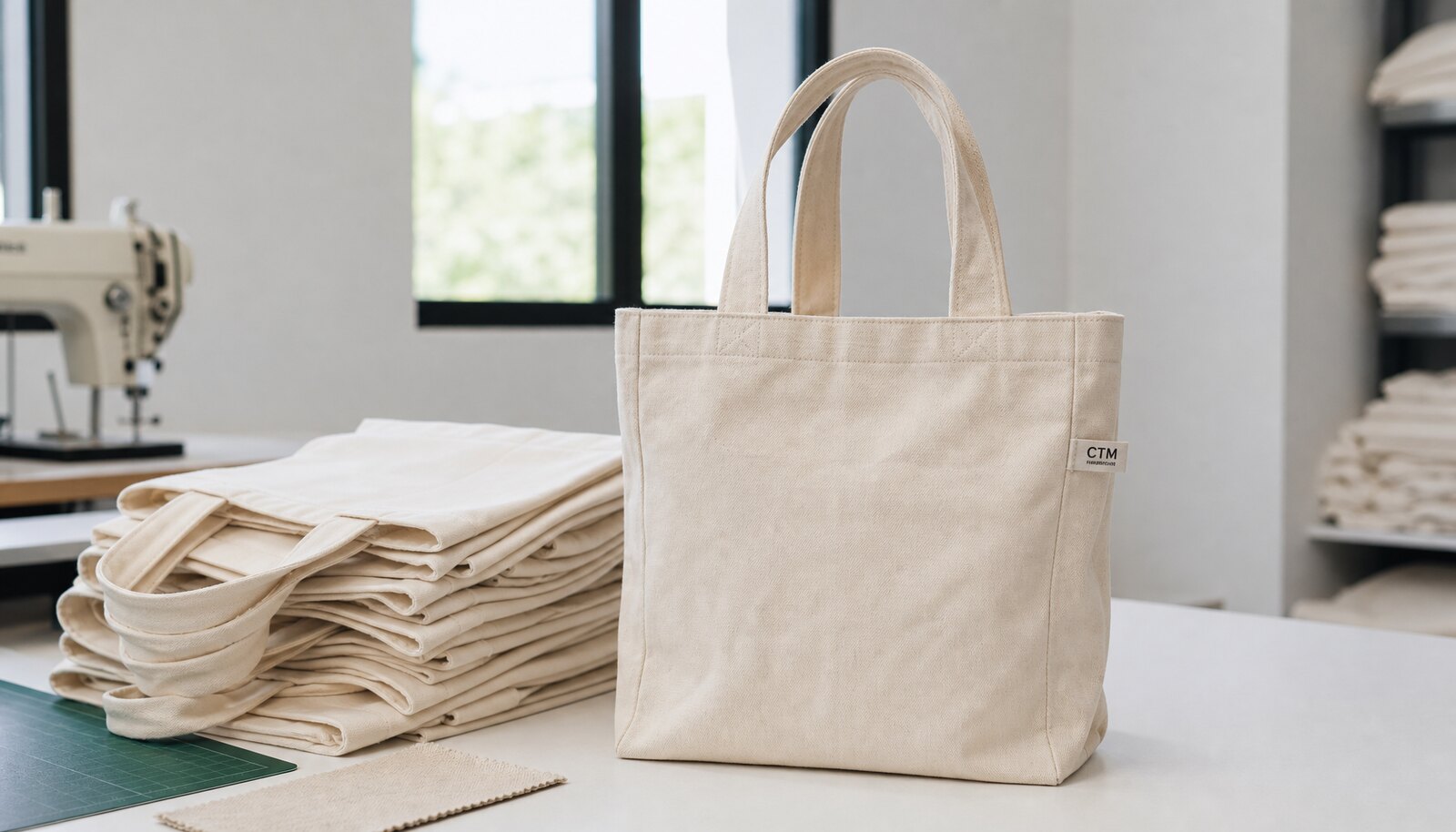
Why charity campaign totes fail when the spec is too vague
For charity campaigns and event giveaways, the tote often needs to do three jobs at once: carry donation items, look credible in public, and stay within a fixed budget. The failure usually starts when the buyer asks for a “heavy canvas tote” without defining how heavy, how large, or how the bag will be used. A factory can quote that phrase many ways, from a simple 10oz handout bag to a 16oz premium reusable tote, and those are not equivalent in cost or performance.
The right spec depends on what goes inside the bag and how long the recipient is expected to keep it. If the tote only holds brochures, a T-shirt, and a small gift, 12oz or 14oz canvas is usually enough. If the campaign wants a bag that feels closer to retail quality or carries heavier items like bottles, boxed goods, or event kits, move up to 16oz and specify reinforced handles and a stable bottom. The buying mistake is paying for unnecessary weight in a short-life campaign, or under-specifying a bag that fails before the event ends.
- Define the contents first, then size the tote.
- Choose GSM or ounce weight based on load and reuse expectation.
- Keep the spec simple if MOQ and lead time matter more than premium feel.
Fabric weight, weave, and finish: what actually changes the quote
Canvas price is driven by fabric weight, weave density, finishing, and waste yield. Buyers often compare only the quoted bag price, but the fabric is where the difference starts. A 12oz canvas can be perfectly adequate for a campaign tote if the weave is tight and the sewing is clean. A loosely woven 14oz fabric may still feel weaker than a dense 12oz, so ask for the actual fabric sample, not only the nominal weight.
For sourcing, it helps to request quotes across two or three fabric options in the same shape. That lets you compare the price jump caused by fabric versus sewing and decoration. If the factory can quote the same design in 12oz, 14oz, and 16oz canvas, you can see whether the premium is justified by hand feel, stiffness, and print appearance. This is especially useful for charity programs where the bag is part of the donor experience and may be photographed or reused in public.
- 12oz–14oz: best balance for budget-controlled reusable giveaways.
- 16oz: better structure, better drape resistance, higher material cost.
- Pre-shrunk or washed canvas can change size stability and unit cost.
Print method choice should follow art complexity, not habit
For heavy canvas tote bags used in charity campaigns, screen printing is usually the most economical route when the artwork is simple. One-color logos, sponsor names, and clear campaign marks print cleanly and keep setup cost manageable. The unit price rises when you add more colors, larger coverage, or multiple print positions, so the artwork should be reviewed before the RFQ goes out. A lot of quote spread comes from the print setup, not the bag itself.
Heat transfer is sometimes suggested for short runs or detailed artwork, but it should be used with caution on canvas. It can work for small runs or complex graphics, yet the look and durability are different from direct print. Embroidery gives a premium impression, but it changes machine time, backing cost, and stitch density. For event giveaways, the right answer is often a durable one- or two-color screen print placed away from seams so the logo stays legible after folding and use.
- Use screen print for simple logos and repeatable campaign artwork.
- Use heat transfer only when the art cannot be simplified.
- Use embroidery when the tote is part of a donor gift or premium sponsor pack.
How to compare supplier quotes without missing hidden cost drivers
The best comparison is not unit price alone. A clean quote for heavy canvas tote bags should separate fabric, sewing, printing, packing, and setup. If those items are bundled, the buyer cannot tell whether one supplier is using cheaper fabric, skipping reinforcement, or spreading setup charges across a larger run. Ask for the same bag to be quoted with one fabric weight, one print area, and one packing method so the numbers are comparable.
The table below is the practical sourcing view. It helps buyers compare routes rather than just line items. A direct factory may look slightly higher at first, but if the sewing, printing, and carton control are all in-house, the risk of mid-production surprises is lower. A trader can be useful if the order is small or if you need mixed products in one shipment, but for a recurring charity campaign, stable spec control usually matters more than a small quote difference.
Supplier route comparison for charity campaign tote sourcing
The sample record for heavy canvas tote bags for charity campaigns event giveaway planning should include front, back, side, seam, logo, label, inside, and packed-carton photos. For important programs, keep one signed physical sample and record the sample version in the approval file.
Approval should include the known deviations. A small accepted deviation is manageable when written down; an unwritten deviation becomes a dispute during final inspection.
- Write decisions in measurable language, not only descriptive wording.
- Ask for sample photos plus one physical approval sample for important orders.
- Keep quotation, sample approval, and inspection notes tied to the same spec version.
MOQ logic: where the order gets expensive
MOQ is not only about bag quantity. In canvas tote production, the lowest economical run is shaped by fabric color, print setup, sewing line changeover, and packing spec. If you keep one natural canvas color, one print position, and one handle style, the MOQ can stay much lower than if you add contrast binding, inside pockets, or multiple sponsor logos. Buyers often create their own MOQ problem by requesting too many custom features in one first order.
A practical way to manage MOQ is to separate must-have branding from optional upgrades. For the first campaign order, keep the tote structure simple and reserve premium trim for the next season if the bag performs well. That approach reduces sampling cycles and lets you test distribution behavior before committing to a larger program. It also makes it easier to compare supplier quotes because each supplier is working to the same baseline spec.
- Lower MOQ: one natural body color, one artwork area, standard handles, bulk carton packing.
- Higher MOQ: dyed fabric, multiple print colors, lining, pocket, custom label, retail folding.
- Ask suppliers to show what feature triggers the MOQ increase.
Sample approval: what must match before you release bulk
For tote bags, a sample is not just a visual approval. It is a control tool for fabric hand feel, bag proportions, print readability, and stitch behavior. Approve the blank proto first if the style is new, then move to a printed strike-off or pre-production sample on the actual production fabric. A logo can look clean on paper and still distort once it crosses a seam or lands on a rough canvas surface.
The sample should be judged against a simple acceptance standard. Measure the finished size, check handle drop, inspect print placement, and test the bag with the planned content load. If the campaign expects the tote to hold heavier items, put real inserts inside the sample and let it sit on a table or hang from the handles. That reveals weak seams, poor reinforcement, and handle twist issues before production starts.
- Approve on actual production fabric, not a substitute cloth.
- Test the printed sample with the real contents or simulated weight.
- Keep one signed reference sample for production and one for QC reference.
Packing, carton plan, and warehouse handling should be priced early
Packing is one of the easiest places to hide cost. If the buyer wants individual polybags, barcode labels, folding cards, or retail-ready inserts, the carton count and labor change immediately. For charity campaigns, bulk packing is often enough and keeps freight efficient, but the bags still need to be counted, labeled, and protected from dirt. The right packaging spec depends on whether the bags go straight to an event warehouse or into retail or donor kits.
Carton dimensions matter because canvas totes can be bulky even when folded. A quote that ignores carton size can look good on paper and still create a poor freight result. Ask the factory for estimated carton size, units per carton, and total CBM so you can compare landed cost across suppliers. If your distribution point is tight on storage, a slightly smaller bag fold or a better carton pack can matter more than a small unit price change.
- Bulk carton packing is usually the lowest-cost route for events.
- Retail display or donor presentation may require polybags and inserts.
- Always request carton dimensions and total CBM before order approval.
Lead time risk: where schedules slip and how to protect the launch date
A realistic schedule for heavy canvas tote bags starts with fabric availability, then sample approval, then printing, sewing, packing, and final inspection. The common mistake is treating the sample date and the shipment date as one timeline. They are not. If artwork changes after the first sample, or if the supplier needs to source a special thread or dyed canvas, the schedule can move quickly. For campaign work, that matters because the tote often ships with other printed materials and event inventory.
The safer approach is to lock artwork before the sample order and write the timeline into the purchase order. A normal lead time after sample approval is often in the 35–50 day range for a standard decorated canvas tote, but added complexity pushes it out. Build in time for print strike-off, sample feedback, and a final carton mark review. If the event date is fixed, do not let a supplier compress production by skipping a real pre-production sample.
- Separate sample lead time from bulk lead time in the schedule.
- Freeze artwork before strike-off approval.
- Leave buffer for carton label revisions and export documents.
Landed-cost comparison: what procurement should calculate, not guess
The landed cost of a charity giveaway tote is more than the factory unit price. Add sampling cost, print setup, carton cost, packing labor, freight volume, and any destination handling charges. Two suppliers can quote similar ex-works prices and still land very differently if one uses heavier cartons or packs fewer units per case. This matters even more when the tote is being shipped with event merchandise or distributed across multiple venues.
A useful internal comparison is to build a simple model with three variables: unit price, carton efficiency, and defect risk. A supplier that saves one cent on sewing but ships loose cartons or gives inconsistent print placement can cost more after rework. Procurement teams should compare all-in cost per acceptable bag, not just factory quote per piece.
- Use the same artwork, size, and packing spec across quotes.
- Compare cost per acceptable bag, not just per quoted piece.
- Include freight volume in the final decision if the order is bulky.
Specification comparison for buyers
| Spec decision | Recommended option | When it fits | Buyer risk to check |
|---|---|---|---|
| Fabric weight | 12oz–14oz cotton canvas for most charity giveaways; 16oz if the bag must feel premium or carry heavier inserts | General donation packs, event handouts, volunteer kits, and reuse-focused campaigns | Low GSM bags can look fine empty but sag after loading; confirm actual finished weight, not just fabric spec |
| Print method | 1-color or 2-color screen print for the lowest unit cost; heat transfer only for short runs or complex art; embroidery for a premium brand cue | Simple campaign logos, sponsor marks, and reuse bags with limited artwork | Fine text, gradients, and small sponsor logos can blur or fill in; approve a strike-off on the real fabric color |
| Supplier route | Direct factory with canvas bag experience and in-house sewing plus printing | Buying 3,000 units or more, or when you need controlled spec changes and carton discipline | Trading companies may quote well but hide subcontracted sewing; ask who controls fabric cutting, print, and final inspection |
| MOQ logic | Start with one fabric color and one print area to keep MOQ and setup cost down | New campaigns, first-time supplier trials, or tight budget programs | Every added color, handle contrast, lining, or inner pocket can trigger extra material purchase and higher MOQ |
| Handle construction | Reinforced cross-stitch handles with 30–60 cm drop, depending on tote size and intended carry style | Event bags that must survive repeated use and moderate weight | Short handle reinforcement can tear at the seam even when the canvas is strong; request stitch count or bartack spec |
| Bag structure | Unlined open-top tote for donation handouts; boxed bottom or gusset if the bag must stand and carry bulkier contents | Campaign packs with brochures, water bottles, or boxed gifts | A gusset changes material usage and carton count; re-quote the bag after structure changes |
| Packing method | Bulk packed in export cartons with size and quantity labels; individual polybag only if retail display or cleanliness is required | Distributors, warehouse campaigns, and direct distribution events | Overpacking raises freight cost and can cause condensation or off-gassing if bags are packed too tightly |
| Lead time route | 35–50 days for a standard decorated canvas tote after sample approval; longer if fabric dyeing or custom trims are added | Normal annual campaigns with planned artwork lock-in | Rush orders often slip at printing or sewing; separate sample time from bulk time in the PO schedule |
| Compliance path | Buyer-provided test standard or marketplace compliance request only when the destination market requires it | Cross-border retail programs or regulated destinations | Do not assume a generic factory declaration is enough; the buyer owns market-specific compliance and label requirements |
Buyer checklist before sampling
- Confirm the exact use case: handout only, reusable shopping tote, volunteer kit, or premium donor gift.
- Lock bag size, fabric weight in ounces or GSM, handle length, and whether the bag needs a gusset or bottom board.
- Specify print size, number of colors, print position, and whether the artwork must stay within a safe margin from seams.
- Set the acceptance standard for stitching, print alignment, and fabric defects before sample approval.
- Choose the packing requirement: bulk carton, inner polybag, barcode sticker, or retail-ready folding.
- Request factory evidence: recent similar product photos, production line details, and carton dimension examples.
- Build a landed-cost view that includes sampling, decoration setup, cartons, freight volume, and destination duties if applicable.
Factory quote questions to send
- What is the exact fabric weight after finishing, and is it measured before or after shrinkage?
- How many sewing operations are included in the quote: side seams, bottom seam, handle reinforcement, and any internal binding?
- Is the printing done in-house, and what setup fee applies per color, per size, or per artwork revision?
- What MOQ applies if we keep one fabric color and one print position, and how does it change with extra colors or a gusset?
- Can you quote the same bag in 12oz, 14oz, and 16oz canvas so we can compare landed cost versus perceived quality?
- What carton quantity and carton dimensions are included, and what is the estimated CBM for 1,000 units?
- What sample type will you provide first: blank proto, pre-production sample, or printed strike-off on production fabric?
- What inspection standard do you use for stitching, print registration, and size tolerance before packing?
Quality-control points to confirm
- Fabric GSM or ounce weight matches the agreed spec within a practical production tolerance; heavier should not mean loosely woven.
- Handle stitching is reinforced evenly, with no skipped stitches, loose threads, or seam puckering at stress points.
- Print registration stays within an agreed tolerance, and no cracking, smearing, or ink bleeding appears after curing.
- Finished bag size is within tolerance on width, height, and gusset depth, especially when the bag must fit campaign inserts.
- Seams are straight and the bag stands square enough for packing, display, and repeated use.
- Cartons are correctly labeled with style, color, quantity, and case pack; no mixing of unfinished or reject units.
- Sample approval matches bulk production on fabric hand feel, print color, and trim quality; no silent material substitution.