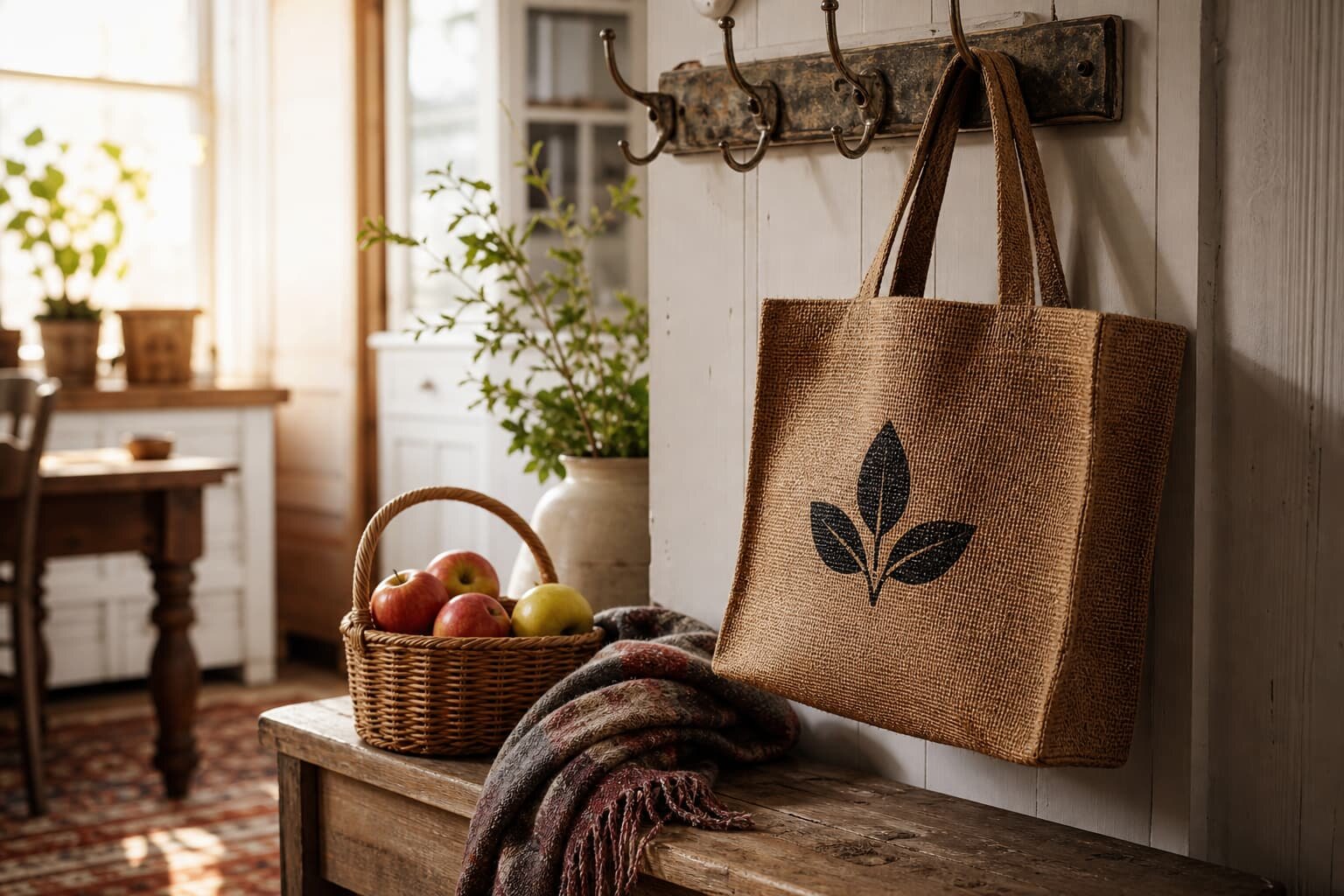
Why Sample Approval Matters More for Burlap Than Cotton
A burlap tote bag sample is not only a shape confirmation. It is a control point for natural fiber variation, open weave printing behavior, handle strength, odor, shedding, and packing deformation. Two bags can both be called burlap totes but behave very differently in bulk production if fabric weight, lamination, lining, and seam construction are not locked before cutting.
For procurement teams, the approval problem is usually not whether the sample looks nice in one photo. The problem is whether the sample gives enough measurable data for the factory to repeat it across thousands of pieces. A proper sample approval checklist turns a subjective sample into a production standard that purchasing, merchandising, QA, and the supplier can all follow.
- Burlap has more shade and texture variation than dyed cotton canvas.
- Open weave can cause ink spread, broken logo edges, or uneven coverage.
- Jute fibers can shed if the fabric, seam, or lining choice is wrong.
- Moisture control matters because jute can absorb odor during storage and ocean transit.
- Packing pressure can create hard creases, especially on laminated burlap.
Lock the Sample Type Before You Approve Anything
Many disputes start because the buyer approves the wrong kind of sample. A showroom sample proves that the factory can make a similar item. A pre-production sample proves what the factory intends to make for your order. A logo strike-off proves the print method and artwork behavior on the chosen material. These are not the same approval stage.
Before signing off, ask the supplier to state the sample type in writing and attach a sample card. The card should include fabric GSM, size, lining or lamination, handle specification, print method, logo size, color references, packing style, date, and revision number. If this information is missing, the sample is still a discussion piece, not a production standard.
- Sales sample: useful for construction ideas, but may use available fabric instead of order fabric.
- Material swatch: confirms color, weave, GSM, lamination, and handfeel before sewing.
- Logo strike-off: checks print coverage, color, edge sharpness, curing, and rubbing performance.
- Pre-production sample: should match the bulk quotation and be made using planned production materials.
- Shipment sample: taken from bulk production to confirm the order did not drift after approval.
Fabric GSM, Weave, and Finish Checks
For burlap tote bags, fabric weight is one of the first commercial decisions. A light burlap may reduce cost and freight, but it can feel weak and collapse under retail use. Heavier burlap improves handfeel and structure, but it may make seams bulky and increase carton volume. For many promotional and retail totes, buyers commonly evaluate burlap around 240-350 GSM depending on size, lining, and load requirement.
Do not approve only by touching the sample. Ask the factory to state the GSM and fabric width source, then compare swatches under neutral light. Natural jute shade can range from pale straw to darker brown. If color consistency is important for a brand program, define an acceptable shade range with physical swatches rather than expecting every batch to match a digital image.
- Check whether the quoted GSM is before or after lamination or backing.
- Confirm if the fabric is natural, bleached, dyed, or laminated burlap.
- Look for uneven slubs, broken yarns, dark spots, oil marks, and excessive hairiness.
- Fold and unfold the sample to see whether lamination leaves white stress marks.
- Smell the sample after it has been sealed in a polybag for several hours to detect odor risk.
Size, Shape, Gusset, and Load Expectation
A burlap tote bag can measure correctly when laid flat but still fail the buyer's use case. A wine retailer may need a narrow base and tall profile. A grocery promotion may need a wider bottom gusset that stands when filled. A gift bag may need a clean rectangular silhouette even when empty. The approved sample should be checked in the condition your customer will use it, not only on a measurement table.
Set realistic tolerances. Natural burlap is less precise than smooth polyester or non-woven fabric, and sewing shrinkage varies with weave openness and lamination. For most bulk tote orders, buyers should confirm tolerance by dimension, not with a vague statement such as normal factory tolerance. If the bag must fit a box, bottle set, catalog, or retail display, send the actual item or exact dimensions to the factory before sample making.
- Measure width at top and bottom because soft fabric can flare after sewing.
- Measure height from the top edge to the bottom seam without stretching the bag.
- Check gusset depth at both sides and bottom for symmetry.
- Load the bag with the intended product weight and observe handle pull, bottom shape, and seam stress.
- Confirm whether the bag should fold flat, stand upright, or keep a structured retail shape.
Logo Approval: Print Method, Placement, and Durability
Burlap is not a smooth print surface. The raised yarns and open holes can break fine lines, soften small text, and change how ink sits on the fabric. For simple logos, screen printing is often practical. For detailed artwork, a sewn woven label, cotton patch, leather-look patch, or heat transfer on an attached panel may be more stable than printing directly onto coarse burlap.
A digital artwork proof is not enough for burlap tote approval. The buyer should request a strike-off on the exact fabric or at least the closest confirmed bulk material. Check the print from normal viewing distance and close inspection. A logo that looks acceptable in a photo may have pinholes, fuzzy edges, or uneven ink film when inspected physically.
- Confirm logo size in centimeters or inches, not only as a percentage of bag front.
- Measure placement from top edge and side seam to the logo center or nearest edge.
- Avoid very small text, thin serif fonts, and tight registration if printing directly on coarse burlap.
- For screen print, confirm ink color reference, color count, curing method, and whether underbase is needed.
- Run a dry rub test and a light damp rub test if the bag may contact clothing or retail packaging.
- Check the back side of the panel for ink penetration if the bag is unlined.
Handles, Stitching, and Stress Points
Handle approval deserves more attention than many buyers give it. Burlap tote bags are often used for groceries, wine bottles, gift sets, books, and event materials. If handle width, material, or stitch reinforcement is changed after sample approval, the bag may pass appearance inspection but fail in use. Cotton webbing, jute webbing, rope handles, and self-fabric handles all have different cost and strength behavior.
Ask the factory to specify handle drop, webbing width, handle total length, stitch pattern, and reinforcement method. A simple rectangular stitch may be enough for light gift packaging, while heavier retail loads may need cross stitching or bar tack reinforcement. The approved sample should show the final construction, not a temporary handle used for sample speed.
- Check handle drop against how the bag will be carried: hand carry, elbow carry, or shoulder carry.
- Inspect stitch density, skipped stitches, loose threads, and whether the stitch cuts jute yarns.
- Pull both handles evenly and separately to detect weak attachment.
- Check whether handle color can bleed, especially on natural or bleached burlap.
- Confirm reinforcement patches if the bag is intended for heavier contents.
Inside Construction, Lining, Lamination, and Edge Finish
The inside of the bag often reveals whether the quotation is truly comparable. One supplier may quote a raw overlock seam, another may quote a folded and bound seam, and another may include cotton lining. The outside photo may look similar, but labor time, durability, shedding control, and retail presentation are different. This is why buyers should photograph and approve the inside construction as part of the sample record.
Lamination can help burlap keep shape and reduce shedding, but it changes the handfeel and folding behavior. Cotton lining gives a cleaner premium finish and can protect the contents from fiber transfer, but it adds material, sewing time, and MOQ complexity if the lining color is custom. The best choice depends on the product use, not only the lowest unit price.
- Unlined burlap: lower cost, natural look, but more shedding and rough inside finish.
- PE laminated burlap: better stiffness and reduced fiber movement, but crease and odor risk must be checked.
- Cotton lined burlap: cleaner retail quality, better for gifts, cosmetics, and apparel packaging.
- Bound seams: neater inside appearance and better fray control than basic overlock.
- Bottom insert: useful for structure, but confirm material, size, removability, and packing impact.
MOQ, Lead Time, and Quote Data Behind the Sample
A sample can hide commercial constraints. The factory may be able to make one beautiful burlap tote from leftover fabric, but bulk production may require a higher MOQ for fabric dyeing, lamination, woven labels, custom handles, or special packing. Before approval, procurement should connect the sample to the quotation line by line. If the quote does not match the sample specification, the approval has limited value.
Lead time should also be broken down. Burlap fabric sourcing, lamination, cutting, printing, sewing, drying or curing, packing, inspection, and export booking all take time. If the logo needs a new screen, woven label, or special patch, the sample approval date may not be the only timing trigger. Ask the factory what must be approved before material purchase and what must be approved before printing.
- MOQ may be driven by fabric roll quantity, not only sewing capacity.
- Custom dyed burlap or custom lining color usually requires higher MOQ than natural burlap.
- Logo color count affects screen charges, setup time, and rejection risk.
- Special retail packing can increase labor time and carton volume.
- Rush lead time should not remove print curing, odor release, or final inspection time.
- Quote validity matters if jute fiber cost or exchange rate is moving.
Packing and Shipment Risks to Approve at Sample Stage
Packing is not a warehouse detail to solve after production. Burlap tote bags can absorb moisture, hold odor, shed fibers, and deform under compression. A bag approved in the sample room may arrive with creased lamination or print transfer if the packing method is not tested. For export orders, ask for a packing proposal before bulk approval, especially if the bags are for retail shelves or gift programs.
The packing sample should define how each bag is folded, whether a polybag is used, how many pieces go into a carton, and where carton marks or barcode labels are applied. If sustainability targets restrict individual polybags, discuss alternatives such as bundle packing, kraft paper bands, or master polybag liners. The right solution depends on moisture risk, logo transfer risk, retail cleanliness, and destination handling.
- Avoid over-tight cartons that crush handles or create hard front-panel creases.
- Use interleaf paper only when needed for heavy ink coverage or transfer risk.
- Confirm carton size, gross weight, and pieces per carton for freight comparison.
- Check whether bags must be packed flat, folded once, or bundled by SKU.
- Add desiccant only when appropriate and compliant with destination requirements.
- Confirm barcode, hangtag, and carton mark placement before mass packing begins.
How to Approve the Sample Without Creating Production Ambiguity
A good approval is specific. Instead of writing approved, write what is approved and what still needs correction. For example, approve the bag size and handle material, but request logo placement to move 10 mm lower. Or approve the print color but reject the inside seam because of loose fraying. This prevents the factory from assuming that every part of the sample is acceptable.
Keep a signed physical sample and a photo record. The photo record should include front, back, side gusset, bottom, inside seam, handle attachment, logo close-up, fabric close-up, packing fold, and carton label if available. The buyer and factory should each keep one sealed reference sample. For larger programs, assign a revision code so the purchasing team does not approve bulk production against an outdated prototype.
- Use approval status categories: approved, approved with correction, rejected, or revise and resubmit.
- Mark every correction with measurement, photo, or clear written instruction.
- Attach final artwork file name and color reference to the sample approval form.
- Confirm whether the factory may begin material purchase before full sample approval.
- Require a production sample from bulk materials if the first sample used substitute fabric.
- Do not approve by photo only when color, odor, handfeel, or print durability is critical.
Specification comparison for buyers
| Spec decision | Recommended option | When it fits | Buyer risk to check |
|---|---|---|---|
| Fabric weight | 270-320 GSM laminated or lined burlap | Retail gift bags, event totes, medium-weight merchandise | Too light may sag; too heavy may increase freight and make seams bulky |
| Logo method | Screen print for simple 1-3 color artwork | Bold brand logos, promotional campaigns, moderate MOQs | Ink may bleed on open weave if mesh, ink, or curing is not controlled |
| Inner structure | Cotton lining or PE lamination depending on end use | Lining for premium retail; lamination for stiffness and basic dust resistance | Lamination can crack if folded hard; lining adds sewing cost and lead time |
| Handle type | Cotton webbing or jute webbing with reinforced cross stitch | Reusable shopping, gifting, wine and food retail | Handle color, width, and attachment strength must match the approved sample |
| Edge finishing | Overlock plus folded seam or bound seam | Bulk export orders needing cleaner inside finish | Loose jute fibers can shed if raw edges are not properly enclosed |
| Packing | Flat pack with paper interleaf only when logo risk requires it | Printed burlap bags shipped by sea or courier sample sets | Over-compression can crease lamination, deform handles, or transfer ink |
Buyer checklist before sampling
- Confirm approved sample reference number, revision date, and whether it is a pre-production sample or sales sample.
- Measure bag width, height, gusset, handle drop, and tolerance after the sample is flattened naturally, not stretched.
- Check burlap GSM, weave openness, color shade, odor, shedding level, and whether lamination or lining is included.
- Rub-test the logo print when dry and after light moisture exposure if the bag will be used for food, wine, or outdoor events.
- Inspect handle width, material, attachment position, stitch pattern, and load performance against intended retail weight.
- Check inside seam finishing, loose yarns, corner shaping, bottom gusset alignment, and whether the bag can stand or fold as required.
- Review carton packing method, pieces per inner pack, moisture protection, barcode or SKU label location, and carton drop risk.
- Confirm quote data matches the approved sample: fabric GSM, print size, color count, packing, MOQ, sample charge, tooling, lead time, and incoterm.
- Approve only with written comments, photos, and a signed sample card; do not rely on a chat message saying the sample is okay.
- Keep one sealed approved sample with the buyer and one with the factory before bulk cutting starts.
Factory quote questions to send
- What exact burlap fabric weight in GSM will be used for bulk production, and is the fabric laminated, lined, or untreated?
- Is the sample made from bulk-available fabric, or was it made from leftover stock that may not match production?
- What is the bag size tolerance for width, height, gusset, and handle drop after sewing and pressing?
- Which logo method is quoted: screen print, heat transfer, woven label, embroidery, leather patch, or another process?
- How many print colors, what print size, and what ink type are included in the quoted unit price?
- What is the MOQ by fabric color, logo design, bag size, and packing style?
- What handle material, width, length, and stitch reinforcement are included in the quotation?
- How will the bags be packed per polybag, inner carton, and master carton, and what is the estimated carton size and gross weight?
- What sample stages are included: artwork proof, material swatch, logo strike-off, pre-production sample, or shipment sample?
- What is the production lead time after sample approval and deposit, and which steps can delay it?
Quality-control points to confirm
- Bulk fabric GSM should match the approved sample within the agreed tolerance, not simply be described as natural jute or burlap.
- Logo placement should be checked from the bag top edge and side seam, because burlap weave can visually distort alignment.
- Print adhesion and edge sharpness must be checked on actual burlap, not only on paper artwork or digital proof.
- Handle attachment should use consistent stitch density and reinforcement; loose bar tacks or skipped stitches are shipment risks.
- Inside seam finishing must control fraying, especially at gusset corners and handle stress points.
- Moisture, odor, mildew marks, and insect contamination need inspection because natural jute absorbs humidity during storage.
- Carton compression should not create permanent creases, print transfer, or misshaped gussets.
- Production samples should be compared under neutral light with the signed sample, approved fabric swatch, and print strike-off.