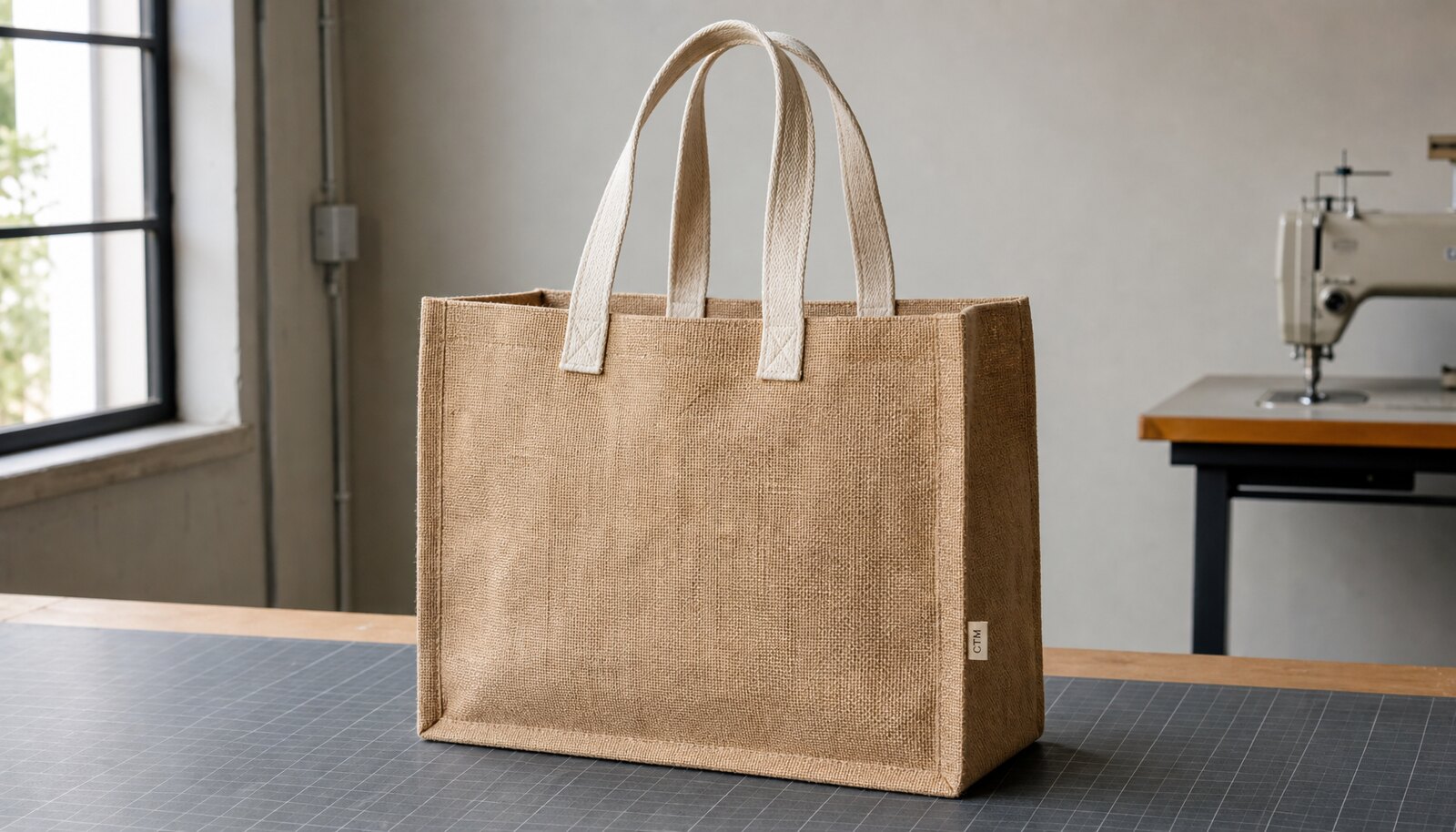
Start With the Winery Receiving Flow, Not the Tote Itself
For boutique wineries, the real procurement problem is not only the tote bag. It is how that tote enters the warehouse, gets counted, stored, and moved to the tasting room without creating extra labor or damage. A carton that is efficient on paper can still fail if the winery receives small replenishment lots, seasonal gift packs, and mixed merch on the same dock. The carton plan has to fit that operating reality, not just the product sketch.
The first decision is the receiving model. A winery warehouse that cross-docks product into retail display needs different carton behavior than a distributor DC that stores mixed inventory for weeks. If the receiving team wants shelf-ready cases, the outer carton must be easy to identify, open, and repack. If the destination is a storage warehouse, the carton can stay plainer, but it still needs clean dimensions, legible marks, and stable stack performance.
Set the handling limits early. A carton that weighs 10-13 kg is usually easier to receive than a heavy case that forces split loads or team lifts. Pallet stability matters just as much. If the bag program is tied to holiday gifting or event sales, the buyer should treat carton size, gross weight, and pallet height as part of the item specification, not as a logistics afterthought.
- Define where the cartons are received: winery warehouse, distributor DC, or retail back room.
- Set a practical gross carton weight before quoting, not after production.
- Decide whether cartons need to be shelf ready, export ready, or both.
- Treat pallet fit and label placement as part of the purchase spec.
Spec the Tote Around the Fold, Not the Mockup
A jute tote that looks good in a flat rendering may pack badly in real life. Jute behaves differently from cotton because the weave is stiffer, the seams add bulk, and the handles often create a thick fold line. That is why the bag should be designed from the packed sample backward. The buyer should approve the actual folded orientation, then let the factory determine the carton count from that measured thickness.
For most retail-facing winery programs, 280-320 GSM natural jute is a practical starting point. It gives enough body for a premium look without making the carton too bulky. Go lighter only if the bag is truly promotional and the buyer accepts more wrinkling and less structure. If the tote includes a lining, lamination, or base insert, the packed thickness rises fast and the carton count usually falls. That is not a problem; it just needs to be priced and documented correctly.
Handle construction changes the packing result more than many teams expect. Cotton webbing handles usually fold more cleanly than rough jute webbing and feel better in hand, but they still add thickness if the drop is long or the ends are heavily reinforced. If the tote is intended for tasting-room retail or gift merchandising, the buyer should choose the handle build with both the customer experience and the carton yield in mind.
- Use 280-320 GSM natural jute as a practical retail baseline.
- Confirm whether the tote is lined, laminated, or unlined before fixing carton counts.
- Lock handle width and handle drop before sample approval.
- Approve the real folded sample, not only the flat bag artwork.
Turn the Folded Sample Into a Carton Plan
The carton should be designed from the folded bag, not from the flat dimensions. Ask the factory to fold a physical sample the way the order will ship, then measure the thickness, width, and stack orientation. That sample becomes the source of truth for the case pack and the outer carton dieline. If the buyer forces the carton to match a theoretical piece count, the result is usually either crushed product or wasted air.
A common starting point for medium-size winery totes is 12-24 pieces per master carton, but that range is only useful as a reference. A thicker build with lining, inserts, or reinforced handles may need 12-18 pieces to keep the gross weight manageable and the carton square. A lighter unlined bag may fit more. The right answer is the one that keeps the box closeable, stackable, and easy to receive without repacking.
Carton dimensions should be practical, not mathematical. Many buyers end up near a carton in the roughly 55-60 cm by 35-40 cm by 25-35 cm range for mid-size totes, but the exact result depends on the sample. What matters is that the carton closes without compression, holds a consistent count, and lands at a gross weight the winery can move safely. If the carton is overstuffed, the side panels bow, the corners crush, and the pallet becomes unstable.
- Use a real folded sample to set the carton dieline and case pack.
- Target a carton gross weight that the receiving team can handle safely.
- Keep the fold direction identical across the order so counts stay consistent.
- Add moisture protection if the route includes sea freight or humid transshipment.
Plan Pallets and Freight Before You Lock the PO
Pallet planning is where unit economics and warehouse behavior meet. Two cartons with the same bag count can produce very different freight outcomes if one is shorter, denser, or easier to stack. The buyer should request the pallet pattern before approving the quote: cartons per layer, layers per pallet, total cartons per pallet, and maximum stack height. Without those numbers, freight comparisons are guesswork.
Standard pallet footprints work best because they fit common warehousing equipment and reduce overhang. A 1.2 x 1.0 m pallet or a 48 x 40 in pallet is usually easier to move than a custom footprint, but the carton dimensions need to be built around that pallet from the start. For many tote programs, 4-5 layers per pallet is workable if carton height and gross weight stay under control. If the stack gets too tall or too heavy, receiving slows and damage claims rise.
Freight impact is not only about weight; it is about cube. Overpacked cartons increase dimensional volume, which can raise the bill even when the contents are light. A carton that is 2 cm too tall can also change the pallet pattern and reduce the total cartons per load. Ask the supplier to quote the packed cube, not just the bag unit price. That is the number procurement can actually use.
- Request cartons per layer, layers per pallet, and total cartons per pallet.
- Keep pallet overhang at zero unless the buyer signs off a special load plan.
- Use corner protection and consistent wrap tension to avoid shifted loads.
- Compare landed cost using packed cube, not just ex-factory price.
Choose Branding That Survives Packing and Retail Use
Print method is both a branding decision and a packing decision. On jute, simple 1-2 color screen print is usually the safest bulk option because it holds up on textured fibers and is easier to repeat across a run. If the winery wants a more elevated feel, a woven label or stitched patch can be cleaner than forcing fine artwork onto a rough substrate. Those options may add cost or thickness, but they can reduce reject risk and improve retail presentation.
The main rule is placement. Artwork that crosses a fold line, seam join, or handle anchor is more likely to crack, distort, or rub. Ask the factory to show the print on the folded sample, not on the flat artwork alone. If the customer wants a large logo, the buyer should check whether the bag can still be packed without damaging the print area. In many cases, a smaller side mark or a restrained front logo is easier to ship and still reads well at retail.
Do not let the design team optimize only for the mockup. A beautiful full-front print can become a costly warehouse problem if the carton count drops or the ink scuffs during transit. For boutique wineries, understated branding often works better: it is easier to fold, simpler to inspect, and less likely to create rejects during the final QA pass.
- Use screen print for repeatable bulk orders with simple artwork.
- Use woven labels or stitched patches when the brand needs a premium finish.
- Keep graphics away from folds and handle anchors.
- Require a rub test and a packed-sample photo before bulk release.
Qualify the Supplier Before You Compare the Price
A strong quote is only useful if the supplier can actually control the order. For custom jute tote bags shipping into boutique wineries, direct factories are usually the best fit when the buyer needs sewing, printing, carton packing, and export marks controlled by one team. Trading companies can work for smaller or urgent orders, but they often introduce another layer between procurement and the packing line. That makes carton changes slower and makes responsibility harder to pin down if something shifts.
The qualification test should be practical. Ask who owns the sewing line, who approves the packed sample, and who can change the carton count without reopening the order with a third party. Request a real packed carton photo, not just a bag image from a catalog. If the supplier cannot tell you how the bags are folded, stacked, and protected inside the carton, the quote is not mature enough for procurement comparison.
Good suppliers are specific about what they do and do not control. They should state whether carton printing is in-house, whether labels are applied on the packing line, and whether palletization is done at the factory or at the freight forwarder. Those details matter because they affect lead time, error rates, and what happens if the buyer needs a reorder with the same spec.
- Prefer a factory that controls sewing, print, packing, and carton marks under one QA owner.
- Ask for a packed carton photo and a brief explanation of the fold method.
- Confirm who signs off on packing changes and who owns the correction if something shifts.
- Check whether the supplier can repeat the same pack plan on a reorder without redesign.
Write the RFQ So Quotes Can Be Compared
A useful RFQ should be specific enough that two factories can quote the same thing. Include the finished bag dimensions, GSM, handle material, handle drop, print method, artwork placement, and whether the bag is lined or unlined. Then add the carton target: piece count, approximate gross weight, and any pallet or warehouse limit. Without that information, one supplier may quote a light promotional tote while another quotes a heavier retail build, and the pricing becomes misleading.
The RFQ should also separate setup charges from recurring production costs. Screen setup, woven label setup, carton printing, sample revisions, and inspection support can change the first-order cost a lot. If the buyer wants to compare landed cost, the supplier needs to quote freight assumptions, carton dimensions, and the packing format. Otherwise, a cheaper unit price can turn into a more expensive delivered result because the carton cube is poor or the packing labor is inefficient.
Ask for exclusions as clearly as inclusions. If a supplier is not including carton print, polybags, pallet wrap, or moisture protection, that needs to be written down. Procurement teams lose time when they discover after PO approval that the carton plan does not match the expected shipping mode. A disciplined RFQ keeps the quote readable and makes the fallback comparison between direct factory, trading company, and stock option much cleaner.
- Send one spec sheet, one artwork file, one carton target, and one shipping mode.
- Ask every supplier to quote the same case pack and carton assumptions.
- Require setup charges and exclusions to be listed separately.
- Use one clear use case instead of mixing tasting-room, gift, and distributor requirements.
Approve Samples Against Measurable Tolerances
Sample approval should cover the bag and the pack-out together. A pre-production sample that looks good but does not fit the carton is incomplete. The buyer should approve the finished bag, the folded sample, and one full master carton with labels applied. That way the carton count, fold direction, and outer marks are all tied to a single reference standard before bulk starts.
The sample should also be tested in a way that matches the intended use. If the tote is for tasting-room purchases, load it with the kind of items the winery actually sells. If it is meant for bottle carry, test it with the real bottle count and weight. Then check handle comfort, stitch behavior, and print distortion after compression. A good sample review is not only visual; it is functional and repeatable.
Set tolerances before production so the factory is not guessing what counts as acceptable. Common controls include print placement within 5 mm of the approved position, carton dimensions and weight within 3% of the approved pack plan, and a defined load test with no stitch opening or pullout. If the buyer wants a stricter standard, it should be written into the PO and the golden sample file.
- Approve the bag, the folded sample, and the packed carton as one set.
- Test the tote with the actual product load or bottle load it will carry.
- Define acceptable placement, weight, and dimension tolerances before bulk production.
- Keep a signed gold sample and a packed reference carton on file.
Set Quality Control Around the Failure Points That Matter
The most useful QC plan is the one that focuses on where these bags actually fail. On jute totes, the problems are usually handle pullout, crooked print placement, fold damage, carton crush, and moisture exposure. A clean-looking bag can still be rejected if the handles are asymmetric or the stitching at the anchor is weak. A clean carton can still cause a claim if the board softens in transit or the stack collapses on a pallet edge.
Build the inspection plan around measurable checks. Fabric should match the approved shade band and GSM target. Stitching should have no skipped stitches, loose thread tails, or obvious seam distortion. Print should not bleed, blur, or crack after the agreed rub test and fold test. Cartons should arrive square and dry, and pallet loads should be wrapped with enough overlap and corner support that the stack survives receiving without shifted layers.
Do not leave the defect standard vague. Agree which issues are critical, major, and minor before the order starts. If the buyer wants an AQL, write it down. If the house standard is stricter than the factory norm, say so in the PO. Quality control is much easier when the factory knows exactly what will be rejected and what will be accepted with repair or rework.
- Use measurable controls for fabric, stitch, print, carton, and pallet quality.
- Agree major and minor defect definitions before bulk starts.
- Require carton count verification and label legibility in final inspection.
- Check moisture, odor, and carton damage as part of the receiving standard.
Build Lead Time, Documents, and Reorders Into the Plan
Lead time on a custom jute tote order is usually controlled by the slowest step, not the sewing line. Fabric sourcing, print setup, carton proofing, and sample revisions can all extend the schedule. If the buyer changes artwork or packing after the line starts, the factory may need to remake screens, revise carton marks, or re-balance the pack-out. That is why the carton plan should be frozen before production, not after.
For boutique wineries, timing often clusters around harvest, holiday retail, and event season. Those periods compress approvals and increase the cost of delay. Build a milestone schedule with sample approval, carton proof approval, production start, final inspection, and freight booking as separate steps. If the route is sea freight, confirm moisture protection and palletization before the shipment books. If the order may need a reorder, keep the same pack method, labels, and carton size so the next run can move faster.
Documentation matters because the receiving team needs more than a tracking number. The shipment should include a packing list, carton marks, label records, and final inspection photos. For repeat orders, archive the approved carton dieline and packed sample image so the next PO can match the same spec. That is how procurement keeps consistency across seasonal buys without re-litigating the basics every time.
- Freeze artwork and carton proofing before the production slot starts.
- Treat sample approval, final inspection, and freight booking as separate milestones.
- Archive the folded sample, carton dieline, and packed photo for reorders.
- Make sure the shipment paperwork matches the packing plan exactly.
Specification comparison for buyers
| Spec decision | Recommended baseline | Typical carton impact | Buyer risk to check | Operational data to request |
|---|---|---|---|---|
| Supplier route | Direct factory with sewing, printing, and packing under one QA owner | Fewer handoffs, clearer carton accountability, and better control of pack-out changes | Middlemen can hide packing substitutions and delay corrections | Ask who signs off the packed sample, who owns carton print, and whether you can see a factory pack photo |
| Fabric weight | 280-320 GSM natural jute for retail-facing tote programs | Usually supports mid-size cartons with 18-24 pieces depending on fold and trim bulk | Underweight fabric wrinkles badly and can expose seams after repeated handling | Request GSM tolerance, weave detail, and a folded sample measured in the actual packed orientation |
| Handle build | 25 mm cotton webbing or reinforced jute webbing with bar tacks | Stronger handles can reduce carton count slightly because they add bulk, but they improve retail performance | Weak anchoring can pass visual review and still fail in use | Ask for stitch count, bar-tack length, and a load-test method tied to the intended contents |
| Print method | 1-2 color screen print or a sewn woven label for premium lines | Screen print is usually the lowest-risk bulk option; labels may raise thickness and unit cost | Fine lines, gradients, and small text can blur on jute texture or crack on folds | Request a placement mockup, a rub-test standard, and a photo of the print on the folded sample |
| Case pack | Folded flat in one orientation; 12-24 pieces per carton depending on build | A practical gross weight target is often 10-13 kg with carton heights around 25-35 cm | Overpacked cartons crush corners, slow receiving, and can deform handles | Ask for finished carton L/W/H, gross weight, piece count, and a packed sample photo |
| Pallet plan | Standard pallet footprint with no overhang, corner protection, and consistent layer counts | Often 4-5 layers per pallet if carton height and gross weight stay within handling limits | Mixed heights and loose wrap drive freight claims and unstable stacks | Request pallet pattern, total cartons per pallet, and maximum stack height |
| MOQ logic | Separate minimums for fabric, print, carton, and packing format | Lets buyers test one SKU without overcommitting to a full run | Bundled MOQ can hide setup cost and block efficient reorders | Ask for setup charges, minimums by component, and reorder pricing by volume |
Buyer checklist before sampling
- Final bag size, gusset, handle drop, and fold direction for packing
- Target GSM, weave construction, lining, insert, and any coating or lamination
- Artwork file, print method, number of colors, and exact placement measured from seams and folds
- Approved sample standard, including acceptable shade band, stitch quality, and print alignment
- Carton dimensions, piece count, target gross carton weight, and carton board strength
- Inner packing method, dust protection, moisture protection, and whether each bag is polybagged
- Pallet footprint, layer count, stack height, corner protection, and wrap standard
- Inspection level, major/minor defect definitions, and who owns final sign-off
- Labeling needs, including SKU, barcode, carton marks, and destination marks
- Overage allowance, reject replacement terms, and responsibility for damaged cartons in transit
Factory quote questions to send
- What exact GSM, weave, lining, and handle construction are you quoting?
- How was the sample folded, and what is the finished carton size for that folded sample?
- How many pieces per master carton do you recommend, and what is the target gross weight?
- Can you share a packed sample photo that shows fold direction, carton count, and carton marks?
- What setup charges apply for screens, woven labels, carton printing, and sample revisions?
- What MOQ applies separately to fabric color, print color, carton type, and packing format?
- What test method do you use for handle load, stitch pull, print rub, and carton compression?
- What carton board grade or equivalent strength standard do you use for export orders?
- How do you protect the goods from moisture, dust, and handle deformation during transit?
- Which shipment documents will you provide, including packing list, carton marks, and final inspection photos?
Quality-control points to confirm
- Fabric GSM, weave, and color should match the approved spec and signed sample; set a clear tolerance band before production
- Stitching should be even, with no skipped stitches, loose ends, or asymmetric bar tacks; allow no visible seam distortion at the handle anchor
- Handle placement should stay within 5 mm of the approved position and remain clear of folds and seam joins
- Print placement should stay within 5 mm of the approved artwork position and should not cross a fold line unless the artwork was approved for that layout
- Print quality should show no smudging, bleeding, or visible cracking after the agreed rub test and fold test
- Handle load performance should meet the intended use case, typically the actual product load plus a defined safety margin, without stitch opening or pullout
- Master carton dimensions and gross weight should stay within 3% of the approved pack plan unless the buyer signs off a change
- Cartons should arrive dry, square, and free of odor, crushed corners, torn flaps, or soft board
- Pallets should have no overhang, stable layer counts, corner protection, and wrap coverage sufficient to keep the stack rigid through transit and receiving
- Inspection should use an agreed AQL or house standard with explicit major and minor defect definitions before bulk production starts