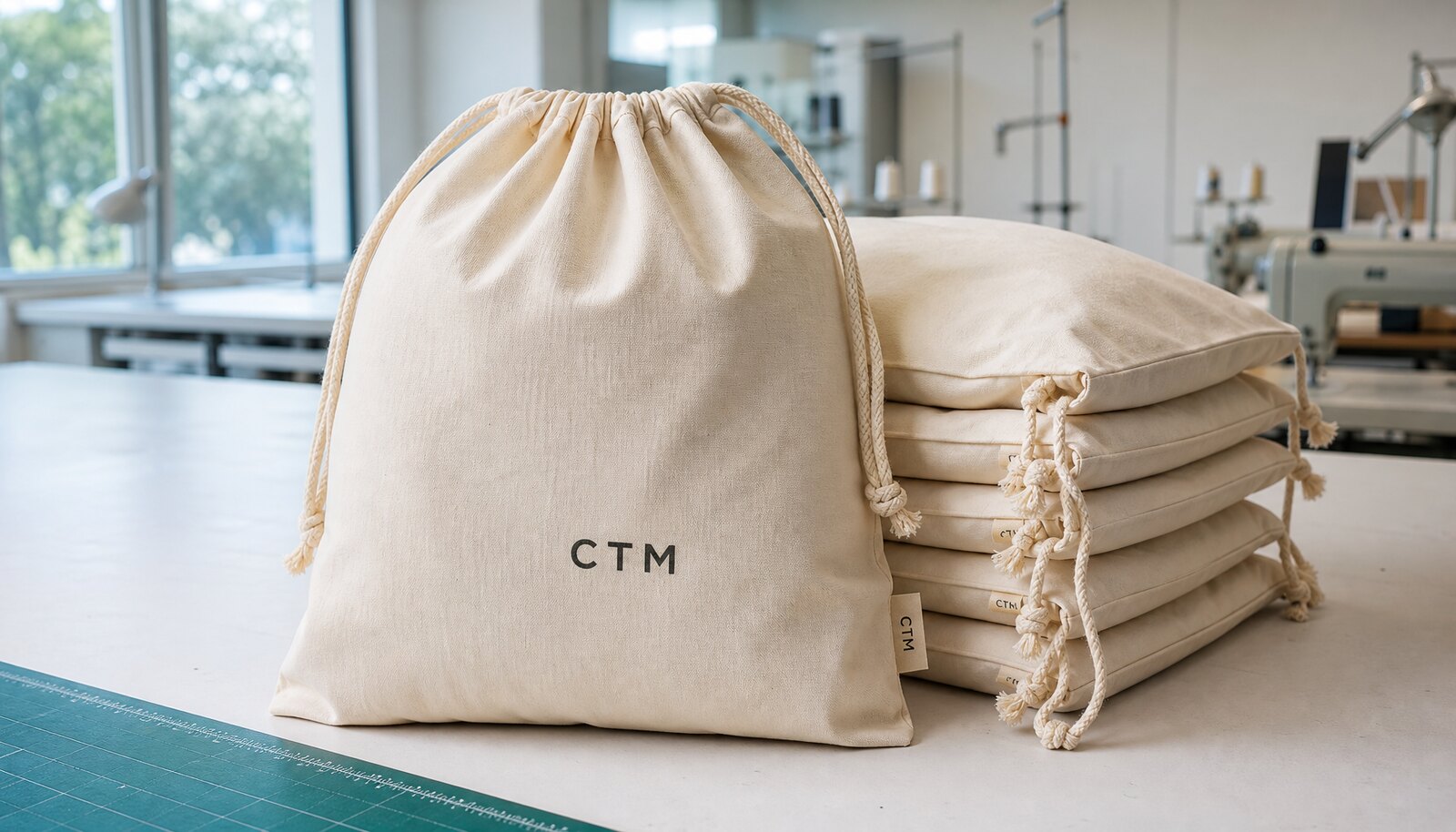
Why the 12ct format needs a clearer buying brief
The search phrase sounds simple, but procurement teams usually need to resolve two separate commercial questions before they can compare suppliers. First, does 12ct mean 12 bags per retail pack, 12 total trial units, or 12 cartons? Second, is the buyer sourcing a blank bag plus personalization, or a fully customized item with labels, packing, and presentation requirements? Those are different offers, and they should not be priced or inspected the same way.
That distinction matters because the cost stack changes as soon as the supplier has to cut to size, set up artwork, and pack the bags in a defined format. A quote can look attractive if it only covers a sewn bag, but the real order may also require 12-piece bundles, barcode stickers, or retail polybags. Once those pieces are added, the landed cost can move meaningfully. The most reliable RFQ starts with the commercial unit, then the decoration, then the pack format, so every factory is quoting the same scope.
For B2B buyers, the fastest way to reduce quote noise is to write the order like a working spec. Name the intended use, the finished size, the fabric weight, the logo method, the pack count, and the shipping basis. That turns “12ct personalized large drawstring bags” from a broad keyword into a production brief a factory can price and a procurement team can audit.
Start with use case and contents before you talk price
A large drawstring bag is often quoted around 35 x 45 cm, 40 x 50 cm, or 45 x 60 cm, but the right size depends on what the bag must carry and how it must present. A gift set with multiple items needs more depth than a flat apparel kit. A distributor pack may need a slightly wider panel so the contents sit neatly and the print remains visible. A retail resale bag may need extra room to reduce seam stress while still keeping a clean silhouette on the shelf.
This is why buyers should not accept a generic “large” size without checking the fit. If the bag is oversized, the buyer pays for fabric that adds little value. If the bag is too tight, the load shifts to the seams and the print can distort once the bag is filled. A practical RFQ should state the approximate contents or at least the packed volume: apparel, cosmetics, footwear, event kits, gift bundles, or mixed SKUs.
Fabric weight should also match the use case. Lightweight 100-120 GSM cotton can work for short-life promotional use when the contents are soft and the bag is not expected to be reused many times. For retail presentation or repeat use, 140-160 GSM is a more common baseline because it improves drape, opacity, and perceived quality. If the contents are heavier or oddly shaped, 180-200 GSM cotton or canvas is often a better commercial choice because it reduces seam strain and usually gives a firmer hand feel.
For procurement, the useful question is not simply “What is the cheapest GSM?” It is “What GSM gives acceptable appearance, strength, and shipping cost for this application?” That keeps the decision tied to the actual use rather than a generic fabric preference.
Use fabric and construction choices to control defects, not just cost
Fabric selection affects defect risk, shipping weight, print quality, and how the bag behaves after folding and transit. Natural cotton is popular because it is simple to source and easy to print, but buyers should still ask whether it is prewashed, bleached, dyed, or left natural. Unwashed cloth may shrink slightly after first wash or show more roll-to-roll variation. If the product is intended for retail resale, those details matter more than they do on a one-time giveaway.
Construction deserves the same level of attention. Ask where the side seams are reinforced, what seam allowance is used, and whether the top channel is single-stitched or double-stitched. A bag can look fine laid flat and still fail under load if the side seams are weak or the channel is uneven. If the supplier cannot state stitch density, seam allowance, and reinforcement points in measurable terms, the buyer is taking on hidden production risk.
The drawcord is also worth specifying. Ask for cord material, cord diameter, and end finish. Cotton cords create a more natural look but can fray if the ends are not sealed or knotted cleanly. Polyester cords may slide more easily and hold up well in repeated use, but they can feel less premium depending on the brand presentation. Mixed-fiber cords are common, but they should be named in the quote so a later substitution does not slip through unnoticed.
A useful procurement practice is to define the construction baseline in the PO: fabric weight, seam type, stitch density, channel width, and cord type. That gives both sides a simple reference if the factory proposes a material or construction change later in the run.
Match the decoration method to the artwork, not the other way around
The best decoration method is the one that fits the artwork, the fabric, and the order size together. For simple logos in one or two colors, screen printing is often the most efficient and repeatable route. It handles large front-panel logos well and usually gives a strong visual result on cotton or canvas when ink coverage and curing are controlled. For a buyer ordering a small pilot quantity, screen printing can still make sense if the art is uncomplicated and the setup cost is manageable.
When the logo contains fine text, gradients, or multiple colors, transfer methods may be more practical for a short run. They can reduce setup complexity, but buyers should weigh hand feel, edge durability, and potential lifting over time. Embroidery or sewn labels create a more premium appearance, but they also add labor, may extend lead time, and can cause puckering on lighter cloth if the panel is not stable enough. Woven labels and patches are often a good middle ground when the buyer wants brand visibility without heavy ink coverage.
Decoration choice should be matched to artwork risk. Large flat logos with bold text are usually best suited to screen printing. Small legal text, QR codes, or multiple line logos often need a method with tighter registration control or a larger logo safe zone. Premium branding programs may justify embroidery or a sewn patch, especially when the bag is part of a retail gift set. The right question is not “Which method is cheapest?” but “Which method gives the safest approved sample for this artwork at this order size?”
That distinction matters because the wrong method can create hidden cost: more proofs, more rework, more rejects, or a longer approval cycle. A slightly higher decoration price may still be the lower-risk option if it avoids repeat sampling or artwork failure.
How to read supplier quotes without getting trapped by the unit price
A small personalized order can be quoted in ways that look similar on paper but behave very differently in production. One factory may quote a sample-run price with setup spread across very few pieces. Another may hide print charges inside the unit rate and then require a larger MOQ later. A trading company may present an all-in number while the actual sewing and printing are subcontracted. The bag price alone does not tell you whether the offer is repeatable.
The most reliable quote format is line-item based. Ask for fabric cost, sewing cost, decoration setup, per-piece decoration, packing cost, and freight assumptions separately. If a supplier refuses to break out those numbers, it becomes hard to know whether the quote can be repeated on reorder. Buyers should also check whether the 12ct format changes the quote. Twelve bags packed as a retail set are not the same as twelve loose bags in a master carton, because folding, counting, label placement, and carton fill all change.
A good comparison normalizes every quote to the same finished size, same GSM, same artwork method, same number of colors, same pack format, and same shipping basis. If one supplier includes individual polybags and another quotes bulk packing, the “cheaper” option may not be cheaper once repacking, shelf presentation, or damage risk is included. That is where procurement should compare landed cost per sellable pack, not only ex-works price per bag.
Compare sourcing routes and offers side by side
A sourcing comparison is most useful when it separates the supplier route from the product specification. Direct factory sourcing can offer stronger control over fabric, sewing, and repeatability, especially for a program that may reorder. A trading company or consolidator can be useful when the buyer needs one shipment covering multiple SKUs or wants help coordinating pack-out and freight. A local decorator using stock bags may be the fastest route when time matters more than the lowest ex-works cost.
The right comparison is not about which route is always best. It is about where the risk sits. A direct factory is usually strongest on production visibility but may require more work on quoting and spec control. A trading company can simplify communication but may obscure who actually controls the sewing line. A local decorator can shorten transit time but may limit fabric choices or reordering stability. Procurement should compare these routes as alternatives, then decide which one fits the program, the artwork, and the lead-time window.
The table in this article is designed to help that decision. It compares finished size, GSM, decoration method, pack format, finish standard, MOQ pattern, lead-time profile, and supplier route so buyers can see how the offer changes materially rather than just who is cheaper.
Use concrete spec examples, not vague quality language
General words like “good quality” or “premium finish” do not help a factory produce the right bag. Buyers should translate quality intent into measurable points. For example, a 140 GSM cotton bag with a 1 cm seam allowance and 8-10 stitches per inch is easier to quote and inspect than a bag described only as “strong and durable.” Likewise, a front logo placed within a 3 mm tolerance from the approved location is far more actionable than “centered properly.”
Spec examples also reduce disputes during inspection. If the buyer wants a cleaner retail look, that can be expressed as a requirement for even stitch lines, no loose threads longer than 5 mm, and no obvious seam waviness when the bag is laid flat. If the artwork is fine text, the acceptance rule can state that the text must remain legible at normal viewing distance and must not show ink break-up or excessive bleed. These are the kinds of details that a buyer can actually check at receiving.
A practical RFQ may include the following example wording: “Finished size 40 x 50 cm, tolerance ±1 cm; natural cotton 140 GSM; two-row top stitching; cotton cord 4 mm diameter; one-color screen print, 120 x 150 mm area, centered on front panel within 3 mm placement tolerance; packed 12 pcs per inner pack, 48 pcs per carton.” That kind of brief is concise, but it gives the supplier enough detail to quote and produces fewer surprises later.
Sample approval should test fit, print, and packing together
A PDF proof only confirms artwork layout. It does not show how the seam behaves, whether the cord moves smoothly, or whether the print still looks clean once the bag is folded and packed. For 12ct personalized large drawstring bags, the buyer should request at least a blank sample and, if the order matters commercially, a printed pre-production sample. The blank sample checks size, shape, seam feel, and cord action. The printed sample shows ink density, placement, and the way the cloth takes the decoration.
Approval should be written against measurable checkpoints. The buyer can define that the logo must be centered within a small tolerance, that there should be no visible skew relative to the side seam, and that the print coverage should match the approved reference under normal warehouse lighting. If the logo includes fine text, the buyer should state the minimum readability standard rather than assuming the supplier knows what “clear” means. If the bag is retail-facing, approve the fold method and inner packing format as well, because shelf appearance can differ from a flat sample more than many teams expect.
It helps to keep a signed or photographed reference sample tied to the PO. If the supplier later changes the cord, the print density, or the fold method, you can compare the shipment against the approved reference instead of debating memory. That is especially useful on repeat orders where the original approval may have been made months earlier or by a different team member.
QC should be operational: set tolerances, sampling, and reject rules
Quality control for drawstring bags should move beyond general comments like “check the seams” or “inspect the print.” Procurement needs inspection criteria that the factory and the receiving team can actually use. Start with size tolerance. A nominal 40 x 50 cm bag is not useful if the delivered lot drifts far enough to affect fit or presentation. State the acceptable range in the PO and ask the factory to verify it during production, not only at the end.
Print control should also be stated in practical terms. Buyers can require clean registration, no major blur, no missing sections, and placement within a few millimeters of the approved position. For natural cotton and calico, a little texture variation is normal, but the logo should still be legible and consistent across the lot. If the artwork has fine lines or small text, the acceptance bar should be stricter because rough cloth can quickly turn a decent proof into an unreadable production piece.
Sampling should be carton-based, not piece-based only. A workable method is to inspect random cartons from the beginning, middle, and end of the shipment, then check multiple pieces from different layers in each carton. That reduces the risk of sampling only the best-packed cartons on top. For first orders, new suppliers, or changed artwork, buyers should tighten sampling and treat structural defects as automatic rejects. Structural defects include open seams, broken cords, major size failure, and carton count mismatch. Cosmetic issues can sometimes be negotiated, but they should never be used to excuse weak construction.
A useful internal rule is to define defect thresholds before shipment. For example, if more than a small number of pieces in the sampled lot show the same defect pattern, stop the release and require corrective action. The exact threshold depends on your program, but the principle is simple: decide what is a stop-ship issue before the cartons leave the factory.
Packing, carton norms, and what to ask for on the invoice
Packing often gets compressed into one line on a quote, but it affects damage rate, retail readiness, labor cost, and freight efficiency. For a 12ct program, the buyer should define whether the bags are packed loose, in 12-piece inner packs, or as individually polybagged retail units. A lot of confusion disappears once the supplier knows the exact pack format. If the packs need to be shelf-ready, the fold direction and label placement matter almost as much as the bag itself.
Carton norms should also be written down. Ask the factory to state the pack count per master carton, the expected carton dimensions, and a reasonable gross weight target. If your logistics team prefers palletized freight, say so early because pallet dimensions and carton stack height can change how the order is packed. If the carton label needs a SKU, barcode, or destination mark, approve that before the run begins. Otherwise, cartons can arrive technically correct but operationally inconvenient.
On the commercial side, the invoice should match the packing method. If the quote included 12-piece inner packs, the invoice should describe that same structure. If there are separate setup charges, those should be shown clearly enough to distinguish one-time fees from recurring per-piece costs. That helps the buyer compare the first order against a reorder without reworking the whole quote from scratch.
Specification comparison for buyers
| Spec or offer comparison | Option A | Option B | Option C | Buyer watchout |
|---|---|---|---|---|
| Finished bag size | 35 x 45 cm with 1 cm seam allowance | 40 x 50 cm with 1 cm seam allowance | 45 x 60 cm with 1-1.5 cm seam allowance | Bigger is not automatically better; confirm what the bag must hold and whether excess fabric hurts shelf presentation or freight cost |
| Fabric weight | 100-120 GSM cotton or calico | 140-160 GSM cotton | 180-200 GSM cotton or canvas | Lighter fabric is cheaper but can show more seam distortion and less opacity; heavier fabric raises shipping weight and may slow sewing |
| Decoration method | One-color screen print | Two-color screen print or transfer print | Embroidery, woven patch, or sewn label | Match method to artwork detail: screen print is efficient for simple logos, but fine text, gradients, or premium branding may need another route |
| Artwork complexity | Large logo, few details | Logo plus small tagline | Multi-element artwork with small text or gradients | The more detail you add, the more you need a method with stable registration and a proof that reflects the actual cloth |
| Pack format | Loose bulk in master carton | 12-piece inner packs | Individually polybagged retail packs | If 12ct is the retail format, make sure the quote includes the exact inner-pack count and fold method, not just the bag itself |
| Finish standard | Standard stitched channel, raw natural finish | Reinforced seams, cleaner top stitching | Retail-grade finish with label and barcode | Ask for stitch density, thread type, and defect thresholds in writing so “better finish” does not stay subjective |
| MOQ pattern | Low MOQ trial run | Mid-size production run | Repeat-run pricing | A low MOQ can carry higher setup costs per bag; compare the total landed cost per sellable pack, not only the unit price |
| Lead-time profile | Stock bag plus decoration only | Custom sewing + decoration | Custom sewing + premium decoration + retail pack | The fastest route is not always the lowest risk route; custom sewing and premium pack formats usually need more approval time |
| Supplier route | Direct factory | Trading company or consolidator | Local decorator using stock blanks | Each route changes control, traceability, and reorder stability; compare who actually makes the bag and who owns QC responsibility |
Buyer checklist before sampling
- Confirm what 12ct means in your buying program: 12 pieces per retail pack, 12 total trial units, or 12 units per carton/pallet layer.
- Lock the finished size in millimeters or centimeters, plus the allowable tolerance on length, width, and depth.
- State fabric type, weave, finish, and GSM. For example: natural cotton, 140 GSM, unbleached, not prewashed, with no visible coating.
- Specify cord material, cord diameter, end finish, and whether the cord is cotton, polyester, or blended.
- Name the decoration method, number of colors, exact print area, print position from top edge and side seam, and any no-print zone around the drawstring channel.
- Request a line-item quote that separates fabric, cutting, sewing, decoration setup, per-piece decoration, packing, and freight assumptions.
- Ask for both a blank sample and a production-style printed sample before final release.
- Set carton pack count, inner pack count, carton dimensions, and gross weight target before production starts.
- Write acceptance criteria for hole defects, open seams, crooked seams, broken cords, print bleed, and count accuracy.
- Confirm whether your program needs polybags, barcode labels, carton marks, palletizing, or retailer-specific packing instructions.
Factory quote questions to send
- What is the exact finished size, seam allowance, and fabric GSM used to price these 12ct personalized large drawstring bags?
- Is the fabric natural cotton, canvas, calico, or another base, and is it bleached, dyed, prewashed, or unwashed?
- What is the stitching construction at the side seams, bottom seam, and drawcord channel? Please state stitch density in stitches per inch or stitches per cm.
- What decoration method is included in the quote, how many colors are included, and what is the exact print area in millimeters?
- What are the setup charges for screens, plates, embroidery digitizing, woven labels, or patch tooling, and are those charges one-time or repeatable?
- Does the MOQ refer to total quantity, per design, per color, or per pack format?
- Can the order be packed as 12 pieces per retail set even if the sewn batch quantity is larger?
- What sample types are available: blank size sample, digital proof, strike-off, or production-printed pre-production sample?
- What are the stated tolerances for finished size, print placement, color variation, and stitch defects?
- What carton pack count, master carton size, and gross weight are planned?
Quality-control points to confirm
- Measure finished size on at least three pieces per carton lot: one from the top layer, one from the middle, and one from the bottom layer.
- Set size tolerance in writing. A practical example is ±0.5 cm for smaller bags and ±1.0 cm for larger bags, unless the product design requires a tighter band.
- Ask the supplier to specify stitch density on the PO, such as 8-10 stitches per inch on the side seams and a consistent channel stitch at the top opening.
- Check seam straightness and seam allowance consistency. A useful internal rule is to reject obvious waviness, loose thread tails longer than about 5 mm, or seam gaps visible without stretching the fabric.
- Inspect the drawcord channel for even width, smooth cord movement, and no snag points. The cord should pull evenly from both sides and should not twist or bunch during normal use.
- Pull-test the cord on random units. Open and close the bag 5-10 times and check for fraying, cord slippage, or channel collapse.
- Check print placement with a ruler, not by eye only. For simple logos, ask that the print sits within a defined tolerance, such as 3 mm from the approved position on the front panel.
- Reject obvious print bleed, double images, missing ink coverage, or washed-out areas on the main logo. For fine text, verify legibility at normal viewing distance.
- For natural cotton or calico, define whether slub texture, fiber speckling, or slight shade variation is acceptable before bulk release.
- Open random cartons from the beginning, middle, and end of the shipment so the inspection does not only cover the easiest cartons to reach.